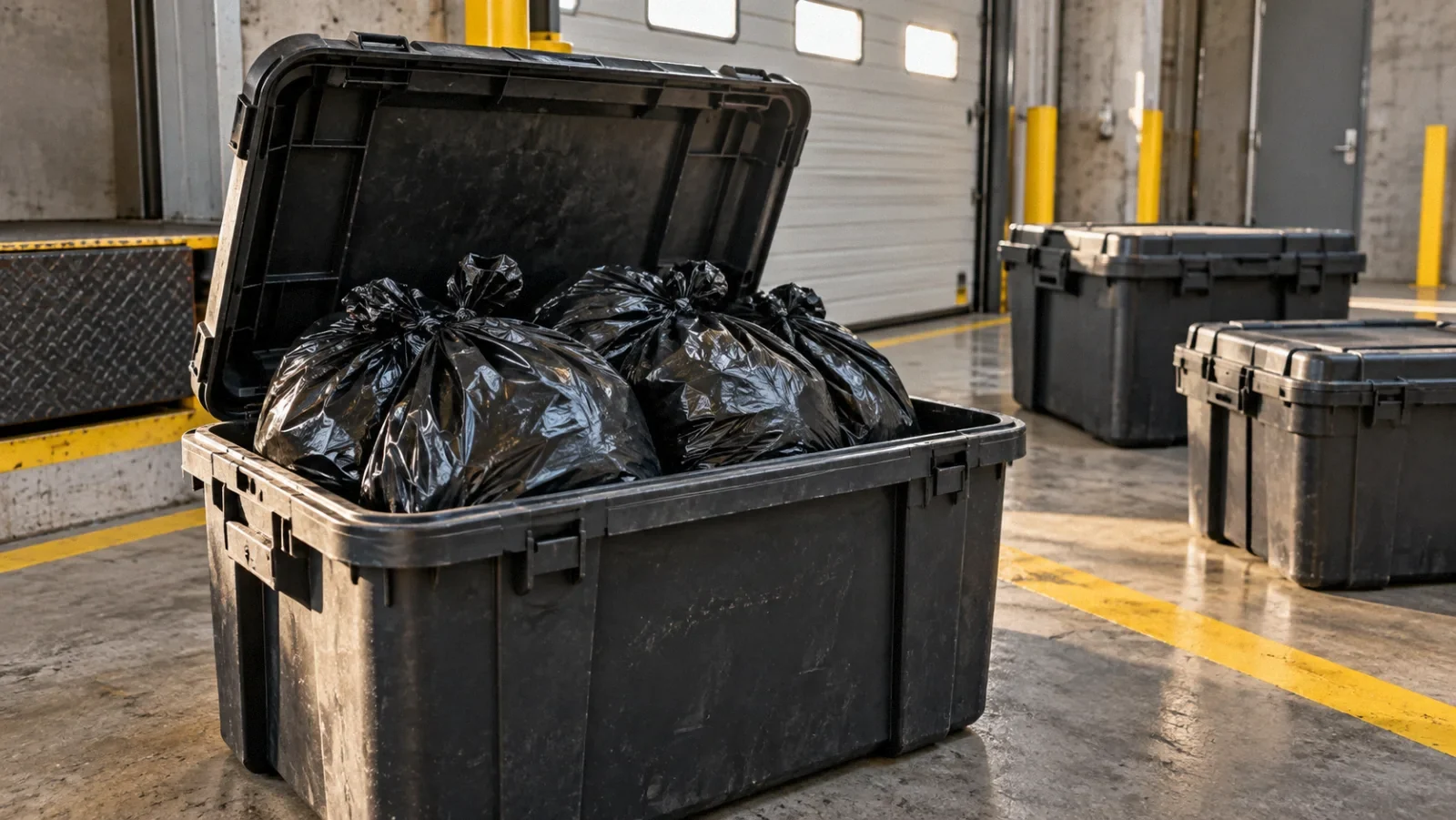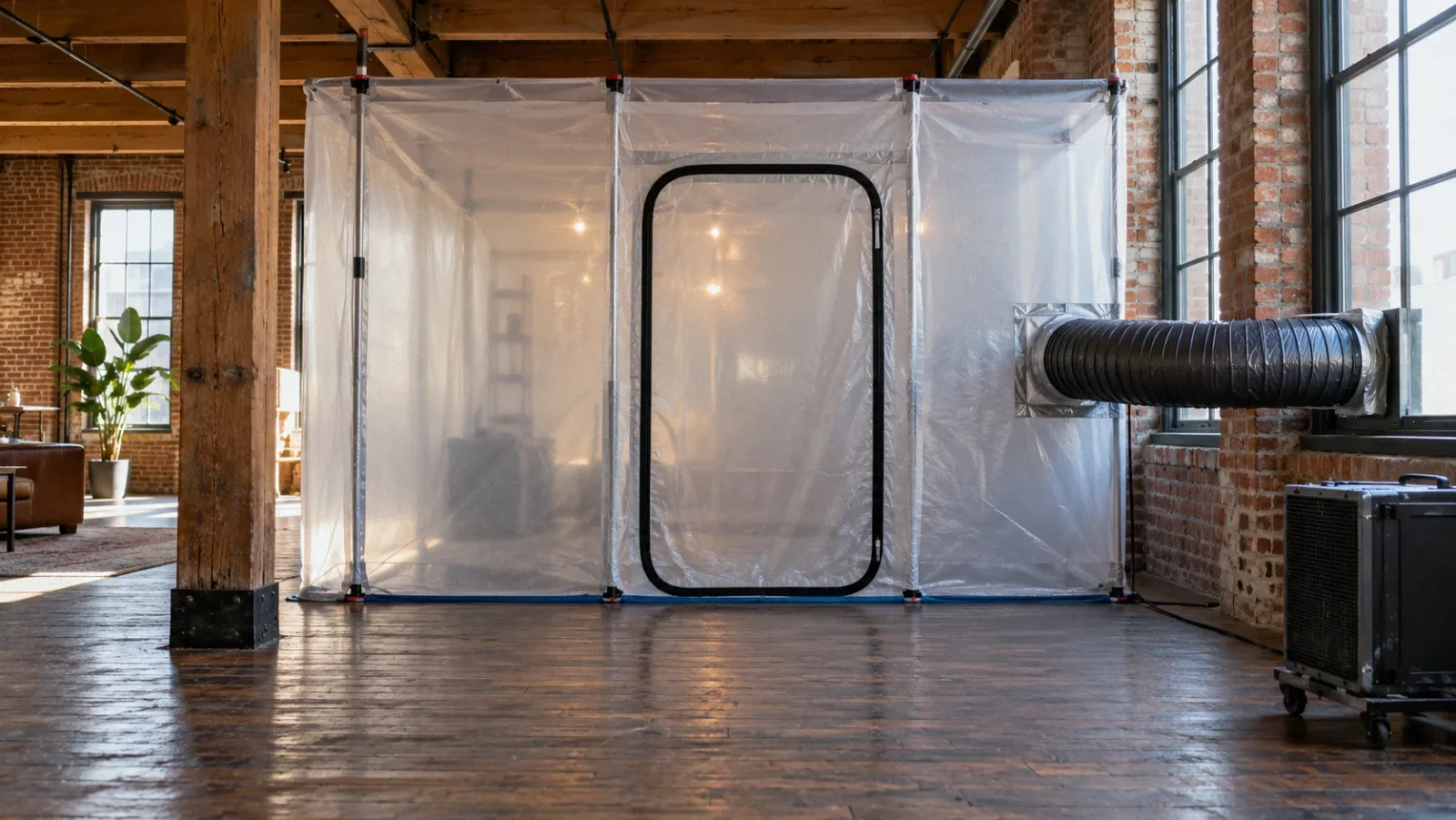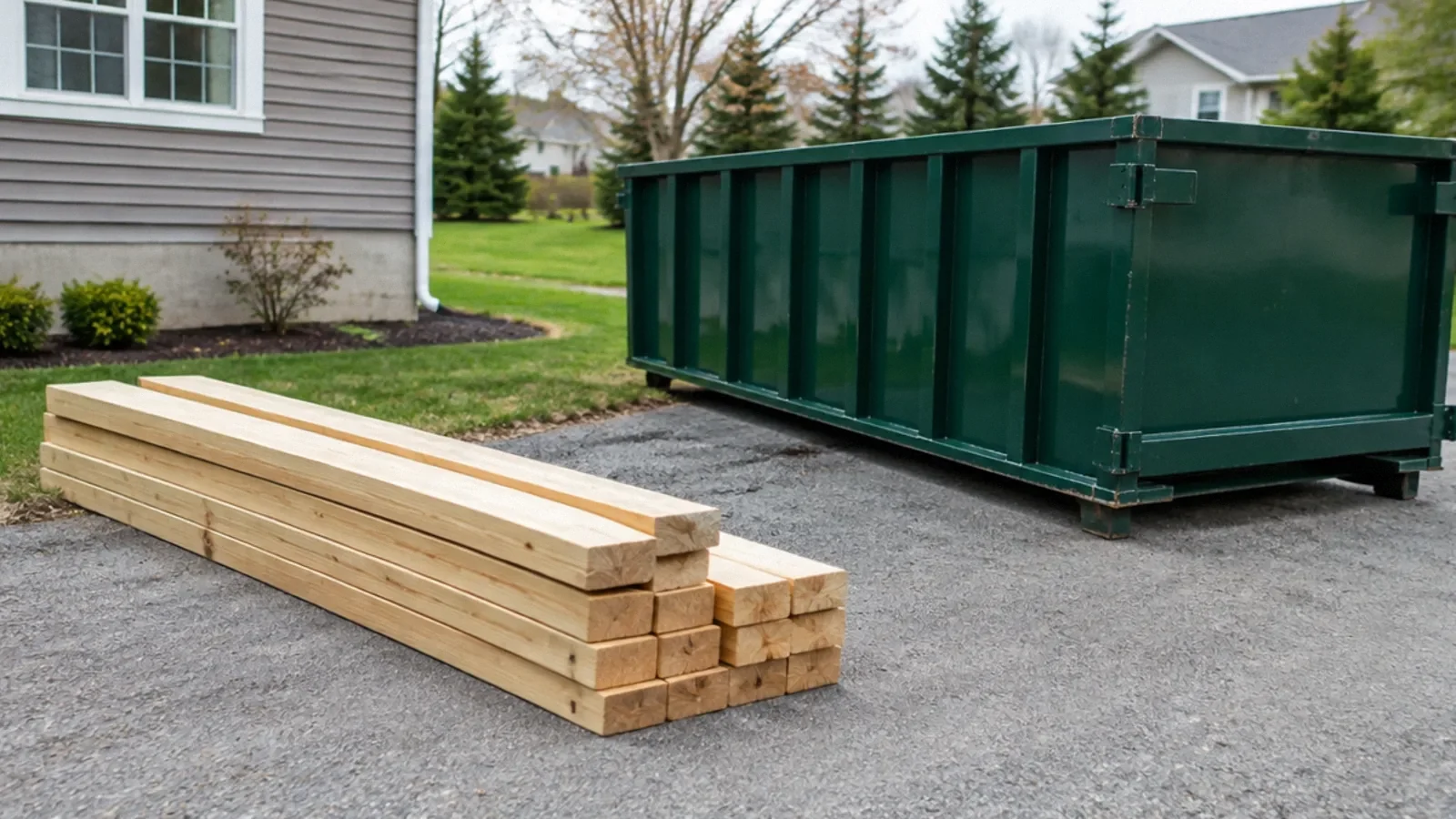
Debris removal is the collection and appropriate handling of damaged or unwanted material. The scope may include sorting, loading, transport and disposal, but it varies by agreement. Suspect asbestos, chemicals, sewage and other hazardous materials require a separate assessment and appropriate handling.
What debris removal means
After a fire, flood or renovation, debris can include damaged building materials, furnishings, packaging, vegetation and other contents. A removal service may collect, sort, load and transport material to an appropriate facility. A quote should state which of these activities is included.
Debris removal is not automatically the same as demolition, water extraction, hazardous-material remediation or reconstruction. One company may offer several services, but each needs a defined scope. Ask whether the service includes labor, containers, hauling, disposal fees and site cleanup.
Wait until the site is safe
Enter a damaged property only when the responsible authority says it is safe. Unstable structures, live electrical equipment, gas leaks, hot spots and sharp debris can remain after an event. Do not enter floodwater or a damaged building to retrieve items.
Follow the fire department, utility and local emergency instructions. A contractor should identify the hazards and establish safe access before removal begins. A clean-looking path does not prove that a ceiling, floor or electrical system is safe.
Separate ordinary and hazardous material
EPA notes that disaster debris can include asbestos-containing material, household chemicals and contaminated debris. These materials may have different handling and disposal requirements. Appearance alone cannot determine whether an old coating, insulation or container is hazardous.
Do not break, sweep or move suspect asbestos material, and leave damaged or unlabeled chemical containers undisturbed when possible. A qualified professional and local authority can advise on testing, containment and disposal. Do not mix unknown material into a general waste bin.
Floodwater and sewage contamination
Floodwater can carry sewage or chemicals into building contents and materials. A wet sofa, carpet or wall may need a different assessment from clean packaging. Keep people and pets away from suspected contaminated material and use qualified help where needed.
EPA advises that some materials that cannot be cleaned and dried may need removal. The decision depends on the water source, material and condition. A debris hauler’s pickup does not by itself establish that the underlying area has been cleaned or dried.
Sorting, reuse and disposal
Local disaster programs may ask residents to separate vegetation, construction debris, appliances and household hazardous waste. Follow the current local instructions for pickup and placement. Do not put material at the curb unless the program accepts it and the location is safe.
Some items may be suitable for reuse or recycling after appropriate assessment; others require special treatment or disposal. Ask the contractor where each category will go and whether disposal records are included. Batteries, chemicals and suspect asbestos should not be treated as ordinary mixed debris.
What a quote should include
Ask how the contractor estimates volume or weight, how many containers or trips are included and whether labor, permits, disposal and protective measures are separate. Clarify access, working hours, damage to landscaping and who handles items discovered after work begins.
A low initial quote may exclude hazardous material, demolition, cleaning or rebuilding. Request written approval before a scope change and keep the estimate and final invoice. Never assume that a visual estimate identifies contamination hidden behind a finish.
Insurance and documentation
Some property policies may provide debris-removal coverage or include it within another limit, but terms and limits differ. Ask the insurer for the relevant policy wording and claims process. A public disaster program may interact with insurance differently depending on the event.
Photograph damaged items when officials say it is safe and discuss documentation with the insurer before disposal where possible. Keep receipts and any disposal records. A cleanup provider cannot guarantee that a particular charge will be covered.
After removal
Removal of debris can reveal wet framing, damaged wiring, mold or structural problems. Ask the responsible professionals what was exposed and what assessment, drying or repair remains. Do not close a wet cavity or occupy a space before it is safe.
Keep the work record and confirm who is responsible for the next stage. A cleared area is easier to inspect, but it is not proof that all contamination or damage has been resolved.
Scope the handoff after debris is removed
Ask the hauler to identify the boundary between collection and the next cleanup stage. A cleared room may still require surface cleaning, contamination assessment, drying or repair by a different provider. Record what was removed and where it went, then agree in writing who will assess the exposed materials and perform any remaining work.
For hazardous materials, do not treat a general hauling quote as approval to disturb suspect asbestos or chemicals. Get a qualified assessment and follow local disposal requirements before the material is mixed with ordinary debris. Keep disposal documentation with the project and insurance records.
Your next-step checklist
- Wait for safe access and follow official instructions.
- Identify suspect hazardous and contaminated material.
- Define sorting, hauling and disposal in writing.
- Keep photographs, invoices and relevant disposal records.
Related questions
What is debris removal?
It is the collection and appropriate handling of damaged or unwanted material, which may include sorting, loading, transport and disposal.
Does debris removal include rebuilding?
Not automatically. Rebuilding, hazardous-material work and drying may be separate services; check the written scope.
Can I put suspect asbestos in a regular debris bin?
Do not disturb or dispose of suspect asbestos as ordinary debris without qualified guidance and applicable local procedures.
Does insurance cover debris removal?
Some policies provide coverage subject to terms and limits. Ask the insurer how the specific policy applies.
Sources & context
Public guidance supports the principles in this article. The practical questions and examples are editorial interpretation, not a site assessment or a coverage decision. State-specific rules apply only where identified.
- EPA: Managing debris after a natural disasterfederal disaster debris guidance
- EPA: Debris and damaged buildingsfederal disaster safety guidance
- California Department of Insurance: Debris removal and insuranceCalifornia insurance guidance