Professional heat treatment can be an option for some drywood termite infestations. It is not a universal treatment for every termite species: University of California guidance says techniques used for drywood termites do not control a subterranean colony below ground. Ask a qualified pest professional to identify the pest and treatment scope.
Start with the termite identification
Different termites live and travel in different parts of a structure and surrounding soil. A visible wing, damaged wood or debris should be assessed by a qualified professional; appearance alone may not identify the full infestation. Ask for the species or type, observed evidence and areas that could not be inspected.
University of California Integrated Pest Management guidance distinguishes drywood termites from subterranean termites. The latter can have much of the colony below ground, beyond the reach of a heat treatment aimed at wood in the building. A proposal should address the actual pest and its location.
How professional heat treatment works
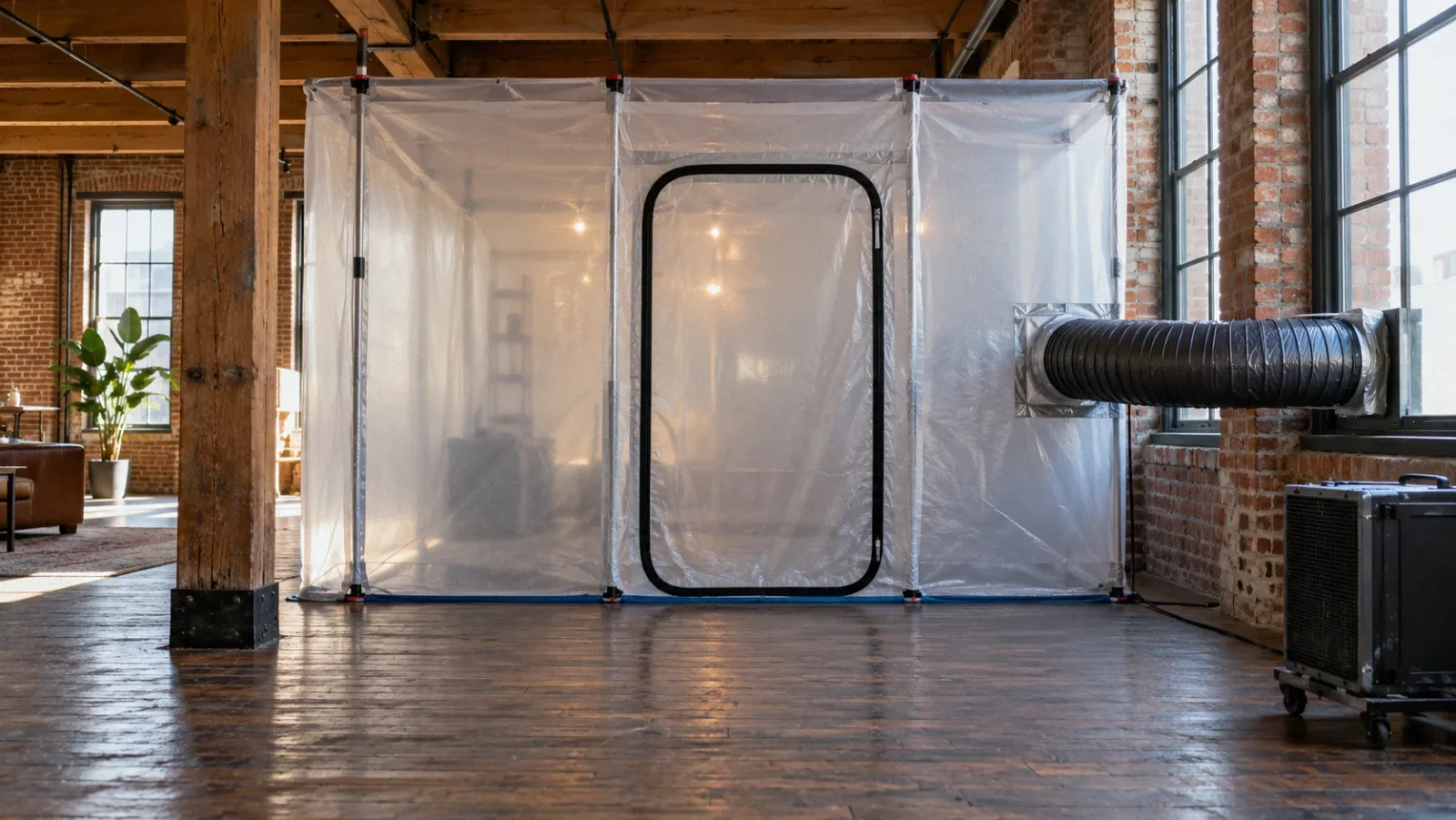
For drywood termites, UC IPM describes heat as a nonchemical option that can be applied to a whole structure or a localized area. The provider uses specialized equipment and monitors conditions in the treatment area. A room feeling hot is not proof that all target wood has reached the required conditions.
UC describes a whole-structure process in which all wood reaches at least 120°F for at least 33 minutes. This is technical context from that source, not a do-it-yourself recipe or a guarantee for a particular job. A qualified operator must determine and document the method for the structure.
Whole structure versus localized work
A localized treatment focuses on identified areas and may leave hidden infestations outside the treated zone. Whole-structure treatment covers a wider scope but may have limitations where construction or heat sinks make conditions difficult to achieve. Ask how the provider will monitor hard-to-reach areas.
The right choice depends on the inspection, the pest, the building and the agreement. Ask what evidence supports a localized approach, whether additional infestations might be missed and how follow-up will be handled. Avoid a guarantee that no termite can ever return.
How to prepare people, pets and belongings
The treatment provider should give a written preparation list and a clear departure and reentry plan. People, pets and heat-sensitive items may need to leave the area. The timing depends on the building and equipment; do not assume a generic internet schedule applies.
Ask specifically about medications, food, plants, electronics, candles, musical instruments and other temperature-sensitive possessions. Follow the provider and manufacturer instructions for each item. Discuss accessibility or temporary housing needs before signing the scope.
Could heat damage a home or contents?
Heat can affect some materials and belongings, and the risk depends on the temperature, duration and item. Ask the provider which finishes, furnishings and equipment need protection or removal and how temperatures will be monitored. Confirm how existing damage will be documented.
Do not operate heaters or attempt to heat a room yourself to reproduce professional treatment. Uncontrolled heat can create a fire, damage the building or fail to reach concealed target areas. Electrical and heating equipment requires qualified handling.
Compare treatment proposals
Request the inspection findings, exact treatment area, preparation duties, monitoring, reentry criteria and follow-up in writing. Ask whether repairs to damaged wood are included or require a separate contractor. A lower price for a small spot may not cover the same infestation as a whole-structure proposal.
Discuss nonchemical and pesticide options appropriate for the identified termite. EPA notes that pesticide products must be used according to their labels. In California, verify the company’s applicable structural pest-control credentials with the relevant state regulator.
After treatment
Return only when the operator says it is safe and follow the written instructions. Ask for the treatment record, observations, any areas excluded and the schedule for follow-up. A later observation of debris does not by itself identify whether activity is new; ask the provider how to interpret it.
Treatment does not automatically repair structural or cosmetic wood damage. If the inspection found a safety concern, arrange a qualified building assessment. Keep reports and warranties with property records and understand what any warranty excludes.
Reduce conditions that attract termites
Keep wood and debris away from direct soil contact where practical, and correct plumbing leaks or drainage problems. UC guidance also recommends addressing moisture and wood-to-soil conditions for subterranean termite prevention. Maintenance reduces conducive conditions but cannot guarantee that a building will never be reinfested.
Schedule inspections appropriate to the property and local conditions. If you see new evidence, document it and contact the pest provider rather than applying an unapproved chemical or heating device. Moisture damage and termite damage can coexist and should be assessed separately.
Termite heat treatment versus fumigation
For drywood termites, compare the treatment area before comparing methods. Whole-structure fumigation can reach concealed infestations, whereas a localized heat proposal addresses only its stated area. Whole-structure heat is also possible, but thick wood and heat sinks can make the required internal temperatures difficult to achieve. Ask the provider to explain why the proposed scope fits the inspection findings.
The monitoring differs. Heat treatment requires suitable temperatures within the target wood; monitored fumigation measures gas concentration. Fumigation requires evacuation and aeration before authorized reentry. Heat also requires occupants to leave and temperature-sensitive belongings to be protected or removed. Obtain the operator’s written preparation and clearance instructions; a general timetable cannot authorize entry.
Neither method leaves ongoing protection against a later infestation. Request follow-up terms, excluded areas, damage responsibilities and the treatment record. Compare proposals from appropriately licensed pest-control companies and keep wood repairs separate from pest treatment. Neither choice substitutes for identifying the termite type; treatment of drywood termites does not by itself control a subterranean colony below the building.
Your next-step checklist
- Have the termite type and affected area identified.
- Request written monitoring and preparation instructions.
- Remove or protect sensitive belongings as directed.
- Use a qualified provider and follow reentry instructions.
Related questions
Does heat kill termites?
Professional heat can control drywood termites when the target areas reach the required conditions. It is not a universal method for subterranean colonies below ground.
Can I heat a room myself to kill termites?
Do not attempt it. Uncontrolled heat can create fire and property risks and may not reach concealed target areas.
Do I need to remove pets and belongings?
Follow the provider’s written preparation plan, which should address occupants, pets and heat-sensitive items.
Will heat treatment repair damaged wood?
No. Treatment addresses pests; wood repair or structural assessment may be a separate scope.
Sources & context
Public guidance supports the principles in this article. The practical questions and examples are editorial interpretation, not a site assessment or a coverage decision. State-specific rules apply only where identified.
- UC IPM: Drywood termitesuniversity integrated pest management guidance
- UC IPM: Subterranean and other termitesuniversity integrated pest management guidance
- EPA: Termite identification and controlfederal pest guidance