Mold on wood requires identifying and correcting moisture, assessing the material and removing growth using a method appropriate to the surface. Color does not identify the species or establish safety. Porous or deteriorated wood can be difficult to clean fully, and suspected structural damage needs qualified evaluation.
Start with the source of moisture
Wood can become damp from a leak, condensation, floodwater or wet storage conditions. Growth can return if the source continues after the visible surface is treated. Record where the mark is, whether the wood is still damp and when it was exposed to water.
A window leak, wet crawl space and flooded furniture require different investigations. Water can travel before it becomes visible. Stop an identifiable water source only if it is safe and arrange help when the extent or source is uncertain.
What color does and does not mean
White, green, black, gray or pink discoloration on wood can have several explanations. Color alone does not identify a mold species, establish toxicity or distinguish growth from every other stain. A photograph can document a change but cannot reveal the condition throughout a wood assembly.
EPA notes that visible mold usually does not require sampling. An experienced investigator can explain whether testing would answer a specific question and what its limitations are. Do not scrape a suspect patch merely to collect a sample or assume that a pale mark is harmless.
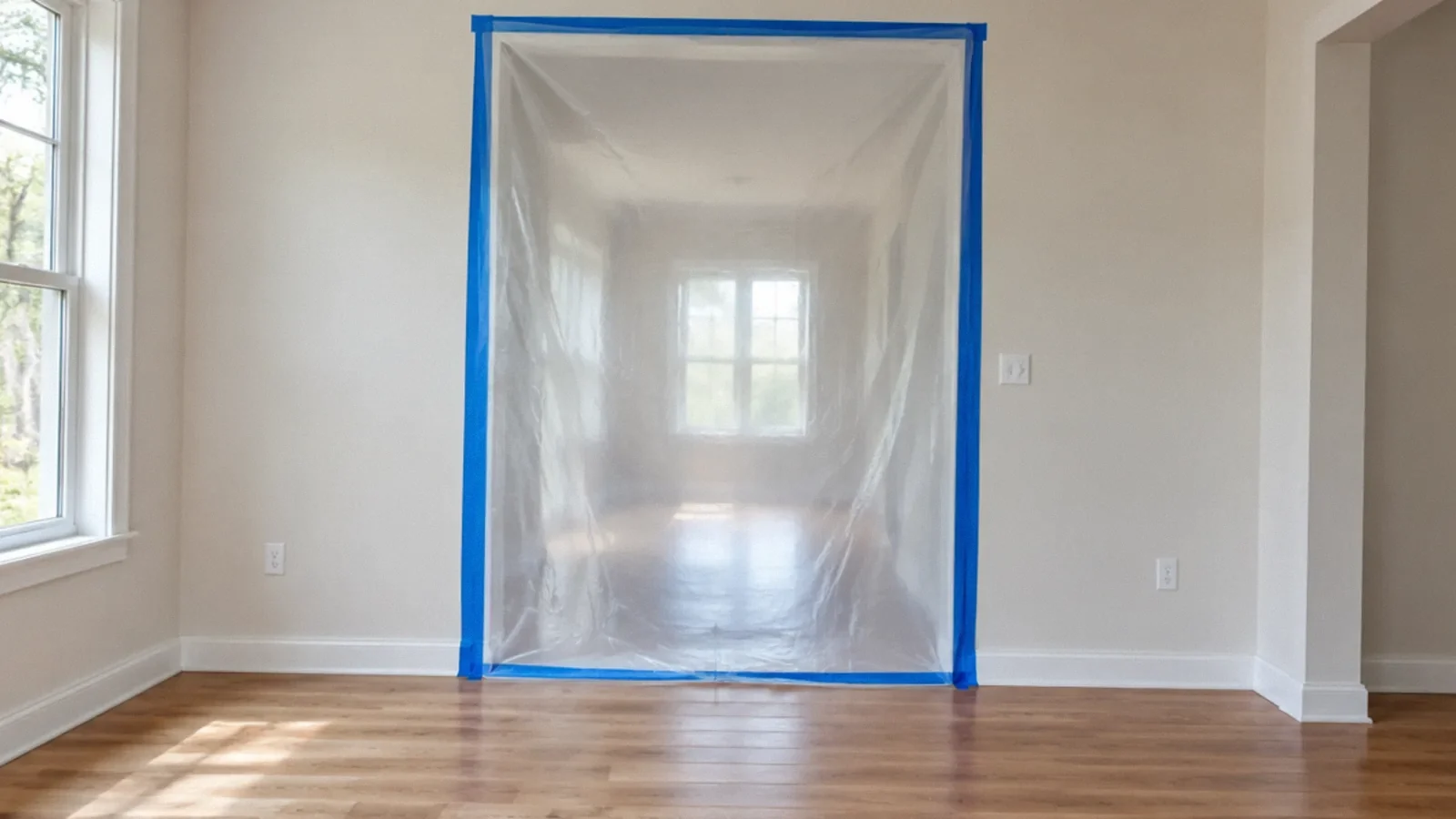
Protect people and the work area
Keep away from wet electrical equipment, unstable framing and areas contaminated by sewage or floodwater. CDC guidance advises against mold cleanup by people with allergies, asthma, chronic lung disease or weakened immunity. Children should not take part in disaster cleanup.
For mold cleanup, CDC recommends at least a NIOSH-approved N95 respirator, gloves and suitable goggles. A respirator does not make an unsafe crawl space, attic or structural assembly safe. Choose experienced help for extensive, concealed or contaminated damage.
Wood furniture and finishes
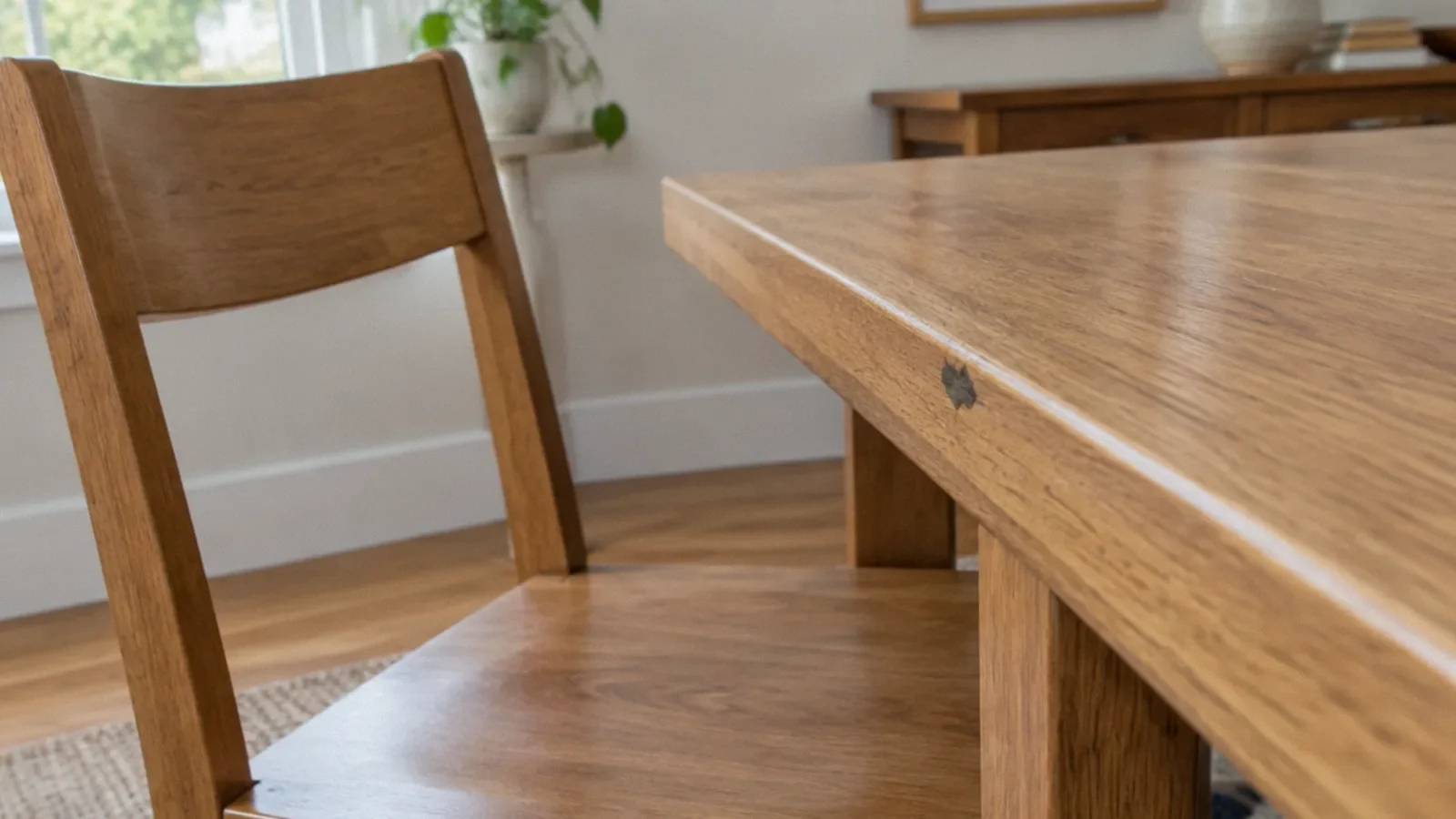
Furniture may contain solid wood, veneer, composite panels, fabric and finishes that react differently to water and cleaning products. A valuable or sentimental piece may need a conservator or specialist. Ask how the material will be evaluated and whether any cleaning could damage the finish or joints.
A small accessible hard finished surface may be different from porous material that stayed wet for a long time. EPA recommends cleaning suitable hard surfaces with detergent and water and drying completely, while absorbent materials may be difficult to clean fully. Test cleaning approaches only as directed for the item and never soak it unnecessarily.
Framing, beams and paneling
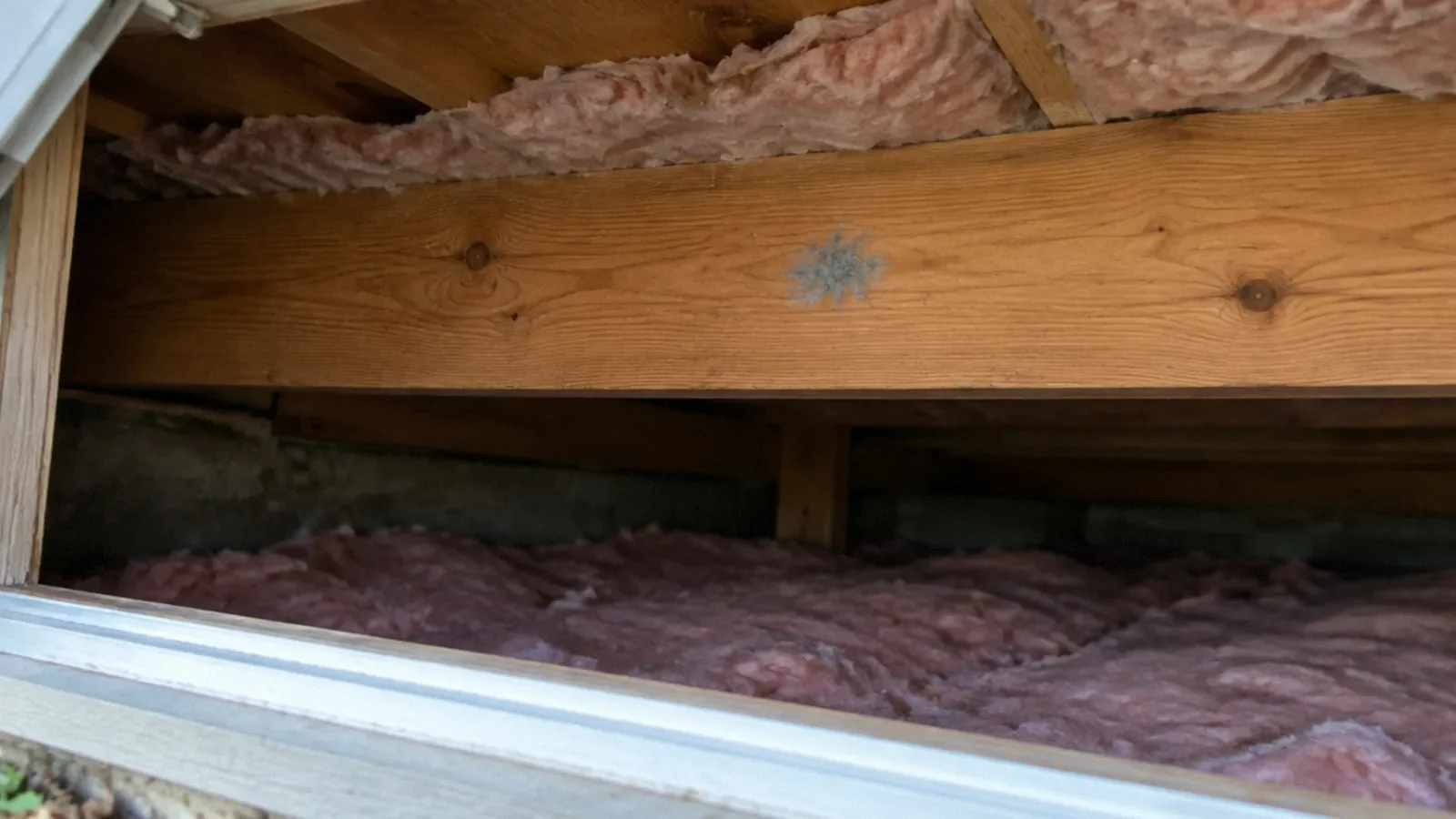
A surface mark on a beam is not a structural assessment. If wood is softened, damaged, displaced or suspected of losing strength, consult a structural professional or other person qualified for the assembly. Do not cut, sand or remove a support based on an online guide.
Paneling can conceal damp material behind it. An inspection should identify the affected layers, safe access, how dust will be controlled and whether other materials need removal. A coating applied over the surface does not establish that the cavity is dry.
Vinegar, peroxide and other products
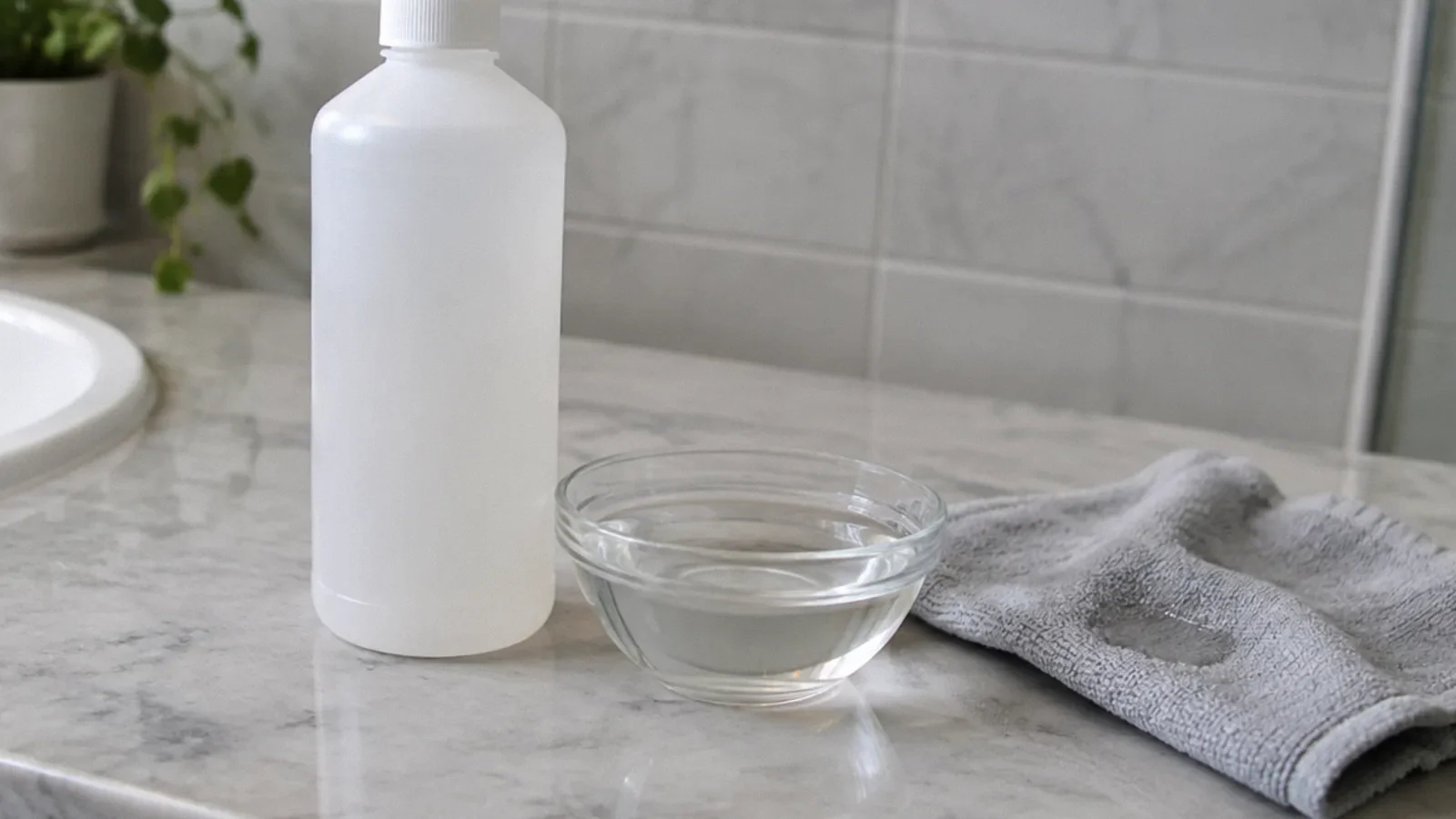
Vinegar, peroxide and commercial products can affect finishes and do not correct a leak or remove every contaminated material. Do not assume that a product labeled to kill mold will solve growth within porous wood. EPA says dead mold may still cause allergic reactions and must be removed.
Never mix bleach with other cleaners. Avoid sanding or dry brushing suspected growth without a professional plan because disturbing it can spread particles. If a cleaner or chemical has already been applied, tell the contractor what was used before further work.
Drying and checking the result
After the moisture source is addressed, assess and dry the wood and adjoining materials using an approach suited to the assembly. One surface reading or a photograph is not proof that all concealed material is dry. Ask where measurements were taken and what could not be accessed.
The proposed scope should distinguish cleaning from repair or replacement and explain how the result will be checked. Save before-and-after photographs, reports and receipts. If growth or a musty odor returns, investigate the continuing moisture rather than repeatedly spraying the surface.
Prevention and maintenance
Keep furniture away from recurring dampness, repair leaks and manage humidity in a manner appropriate to the building. Inspect safely after a known water event and allow wet materials to be assessed promptly. An attic, crawl space or basement may need its own moisture-control plan.
For flooring, determine whether water reached the subfloor or underlayment before deciding on a surface treatment. The finish, adhesive and wood product affect the options. Ask a flooring specialist to assess water-damaged assemblies instead of assuming that a clean-looking top surface is dry.
Mildew on upholstered furniture
A musty odor or visible spots on upholstery can involve the fabric, padding or another source of moisture. Check the care label and move the item away from the damp area without shaking or disturbing suspected growth. Color alone does not identify a fungus.
Porous cushions can be difficult to clean and dry throughout. Ask an upholstery or remediation professional whether the material can be safely salvaged; do not saturate it, cover the odor with fragrance or use an incompatible chemical. Correct the room’s moisture problem to reduce recurrence.
Mold-like growth on cabinets
Cabinet surfaces may become damp from a sink leak, condensation or moisture inside a wall. Check the accessible area safely and correct the water source first. Color or a musty odor cannot identify a species, and a dry cabinet face does not prove that the back or wall cavity is dry.
Solid wood, finished surfaces, particleboard and stored belongings respond differently to water. Avoid disturbing extensive growth or damaged material; a professional can evaluate the cabinet, hidden moisture and whether cleaning or replacement is appropriate.
Plywood, floors and cabinet contents
Surface discoloration may be irregular, fuzzy or powdery, but staining and finish damage can look similar; a photograph cannot identify growth or its cause. Wet plywood that is swollen, delaminated or soft needs a condition assessment, because cleaning a surface does not restore lost strength. A qualified professional should assess structural material.
Water from a spill, leak or wet cleaning can reach seams, underlayment and plywood below a wood floor. For a small accessible surface, follow the floor finish instructions and avoid excess water. Buckling, recurring odor or suspected moisture under boards warrants professional inspection rather than lifting or sanding them yourself.
Remove stored belongings from a damp cabinet carefully without shaking suspected growth, assess and dry them appropriately, and inspect accessible cabinet surfaces and the adjacent wall. Swollen particleboard or a damp cabinet back may need professional evaluation. Wood paneling can also hide moisture behind its finish.
Health and cleaning product limits
Mold exposure may cause a stuffy nose, cough, wheezing, itchy eyes or skin irritation; reactions vary, and asthma or weakened immunity can increase concern. A clinician can advise on symptoms. Color does not diagnose a species or individual risk.
Vinegar and hydrogen peroxide can damage finishes and are not a dependable cure for mold within porous wood. Physically removing growth from suitable hard surfaces and correcting moisture matter; no chemical makes a wet, deteriorated layer sound. Follow the finish manufacturer’s instructions and never mix cleaners.
Your next-step checklist
- Find and correct the moisture source.
- Keep clear of electrical, structural and contaminated-water hazards.
- Assess finished, porous and structural materials separately.
- Avoid mixing chemicals or sanding growth without a safe plan.
- Document drying, repairs and any recurrence.
Related questions
Is black mold on wood always toxic?
Color cannot identify the species or establish a health effect. Address growth and moisture and consult a healthcare professional about symptoms.
Can vinegar permanently remove mold from wood?
A product cannot fix continuing moisture, and porous wood or finishes may need different treatment. Assess the material and remove growth safely.
Can I sand mold off a wooden beam?
Sanding can spread particles and may damage the material. Suspected structural damage and significant growth need a qualified assessment and safe work plan.
Can moldy wood furniture be saved?
It depends on the material, extent, water source and condition. A furniture or conservation specialist can assess valuable or complex pieces.
Sources & context
Public guidance supports the principles in this article. The practical questions and examples are editorial interpretation, not a site assessment or a coverage decision. State-specific rules apply only where identified.
- U.S. EPA: Mold cleanup in your homefederal guidance
- U.S. EPA: A brief guide to mold and moisturefederal guidance
- CDC: Mold cleanup guidelinesfederal health guidance
- CDC: Mold and healthprimary guidance