Assess the affected materials, stop the moisture source, and decide whether thorough cleaning and drying are possible. Seek professional help for extensive or contaminated damage.
Identify the material and the moisture path
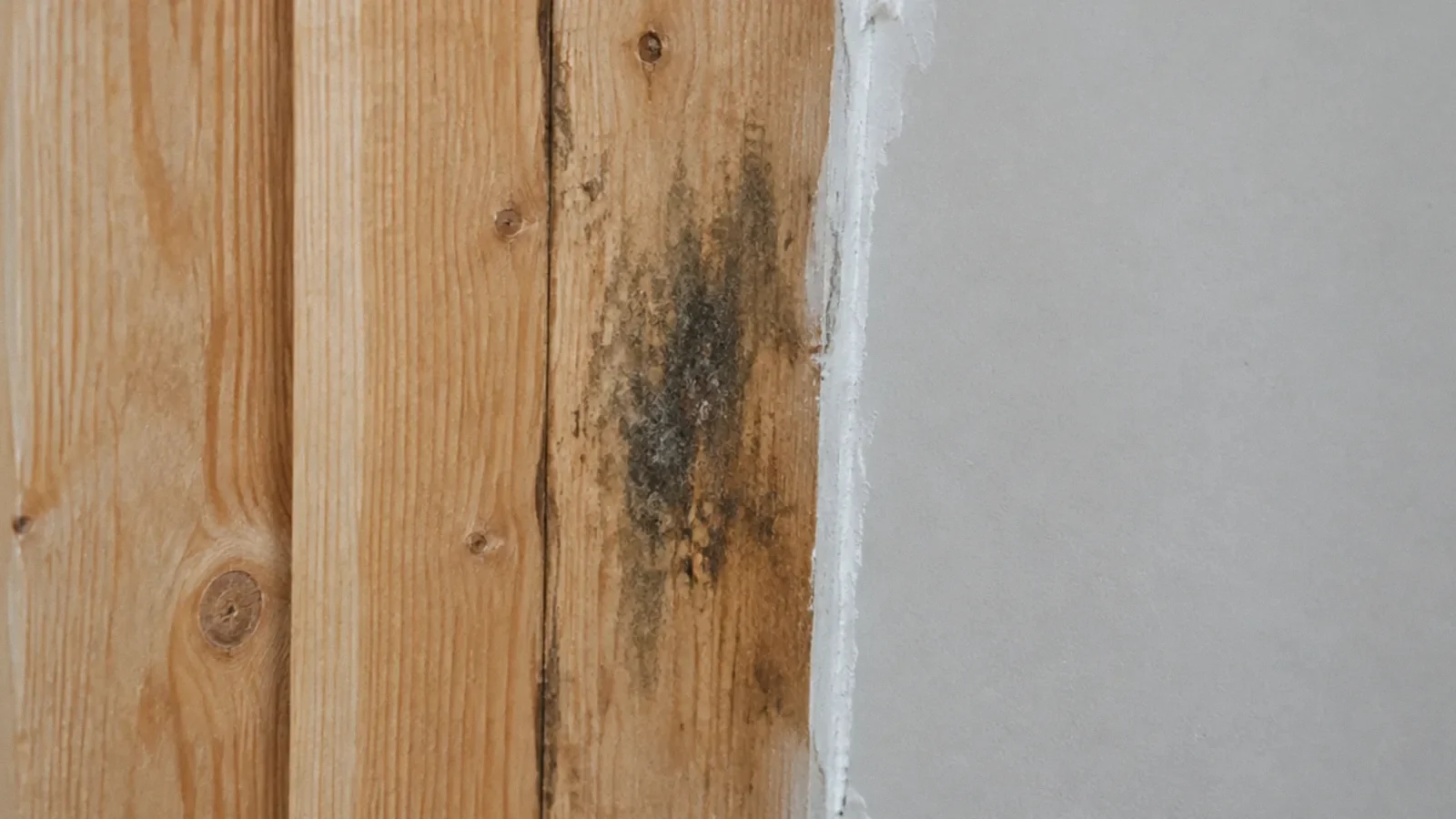
A chair, dresser or cabinet may combine finished wood, unfinished backs, veneer, glue, fabric and metal hardware. Each responds differently to moisture and cleaners. Inspect accessible surfaces and note whether growth is limited to a small exterior area or extends into drawers, joints and porous components. White or black color cannot identify the mold species, and a stain may have another cause.
Look for a leak, condensation against an exterior wall, damp storage or wet belongings inside drawers. Move the piece only if it is safe to do so, and avoid brushing dry material into the room. People with mold allergies, asthma, chronic lung disease or weakened immune systems should not undertake mold cleanup.
Choose cleaning or replacement by construction
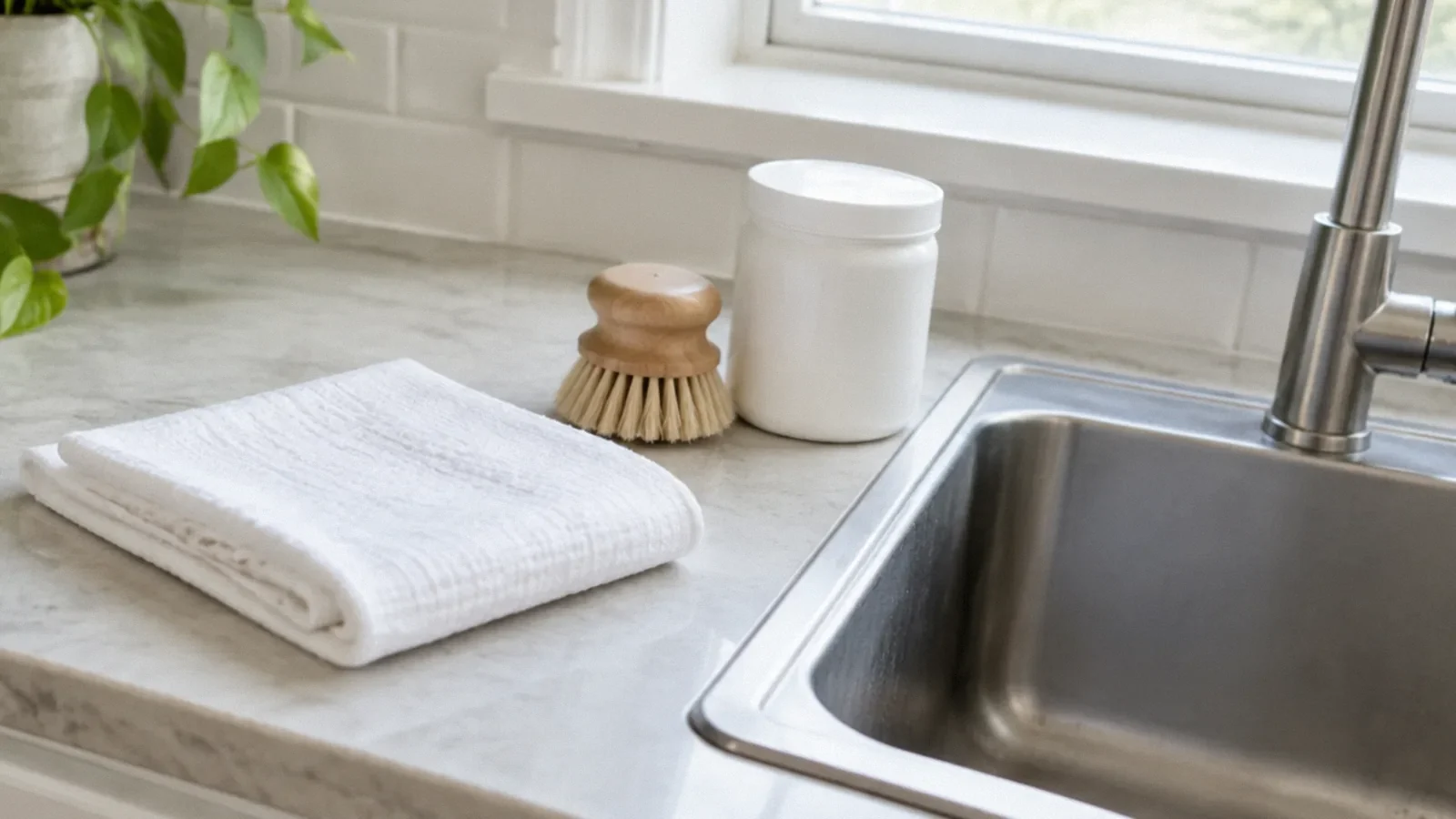
A small affected hard nonporous surface can often be cleaned with detergent and water and dried, if that method is compatible with the finish. Test an inconspicuous area and follow the manufacturer’s care instructions. Use a lightly damp cloth rather than soaking joints or veneer. Dry thoroughly and avoid transferring debris to clean furniture.
Unfinished wood, particleboard, upholstery and cardboard-backed panels can absorb moisture. Swelling, delamination, soft material or a persistent musty odor suggests damage beyond a superficial mark. EPA notes that porous materials may need disposal if moldy because they can be difficult to clean completely. A valuable antique requires an individual conservation assessment before any abrasive or liquid treatment.
Handle drawers, interiors and contents
Empty drawers carefully and separate affected contents from clean belongings. Paper, leather and textiles may need their own treatment or disposal decision; do not return damp items to a cleaned cabinet. For important papers or photographs, seek a conservator’s advice rather than applying bleach or scrubbing. National Archives recommends eliminating the moisture source when preserving mold-affected records.
Inspect the drawer bottoms and back panel as well as visible fronts. These thin or unfinished parts may have absorbed more water than the exterior. If glued joints or veneer are loose, a furniture specialist can assess repair. Avoid dismantling an unstable piece without the proper tools and support.
Avoid chemical shortcuts
Do not mix bleach with ammonia or other cleaners. Follow the label for any product and provide ventilation. More liquid can drive moisture into porous material or damage a finish. Killing or bleaching visible growth without removing residue and resolving dampness does not complete the job.
Do not rely on fragrance, paint or a new finish to conceal the problem. If an affected surface cannot be cleaned and dried without compromising the object, replacement or professional restoration may be more appropriate. A professional should explain which parts can be retained, which need removal and how the finished object will be checked.
Prevent recurrence and know when to call
Repair the water source and dry the room and furniture before putting contents back. Keep furnishings clear of persistently damp walls and inspect spaces with poor air circulation. EPA recommends indoor relative humidity below 60%, ideally 30% to 50% where practical. A hygrometer can reveal a room humidity problem, but it does not measure the interior condition of every object.
For a suitable small cleanup, CDC recommends at least an N95 respirator, gloves and goggles without open vent holes. Seek qualified help for extensive or recurrent growth, sewage contamination, or a building leak affecting the wall and floor. Photograph damage before disposal if a landlord or insurer requires documentation; coverage depends on the actual policy and cause.
A practical example: a damp dresser back
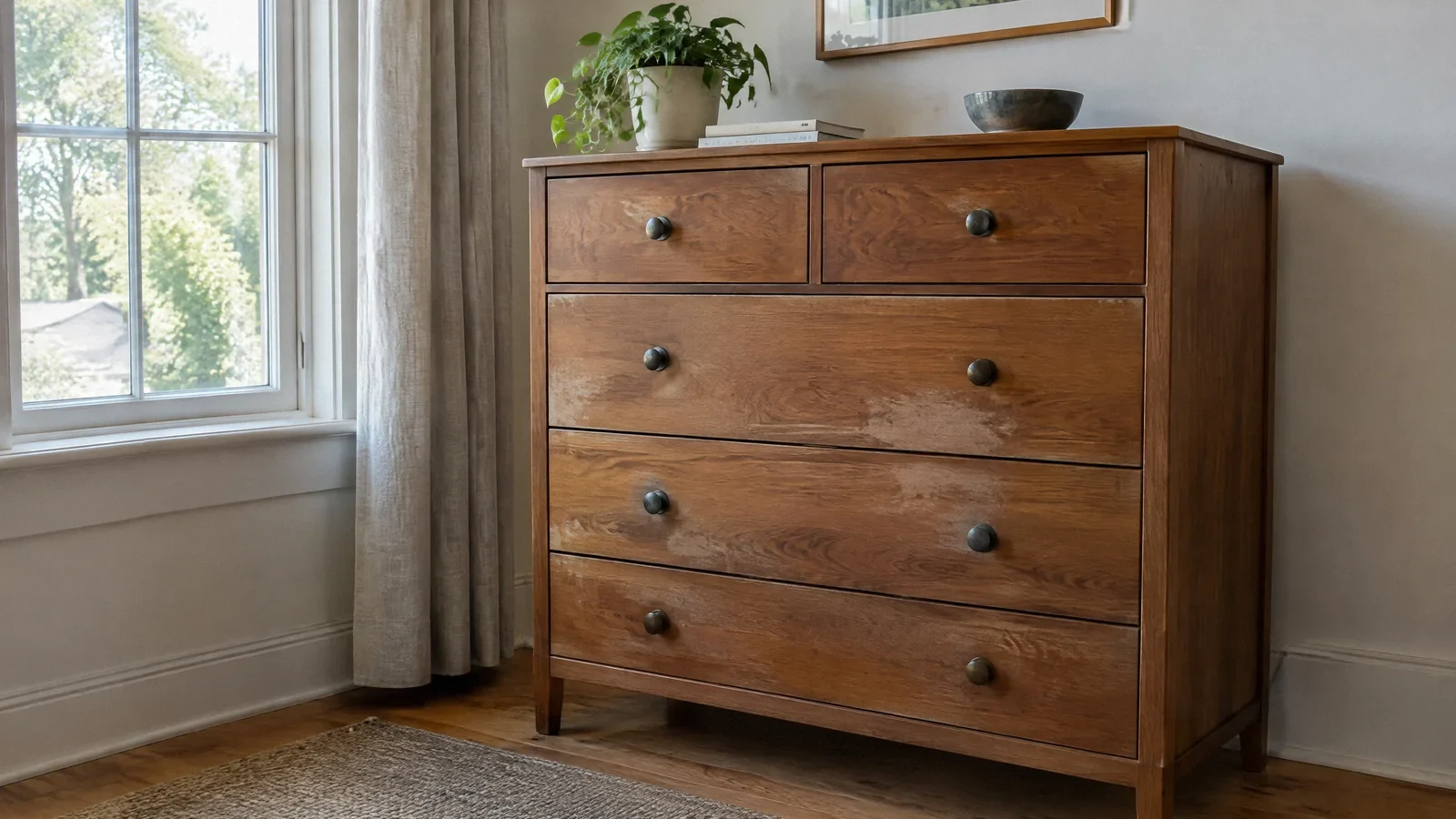
A dresser placed against a cold wall may have a clean-looking front while its thin back panel is damp. Pulling it away carefully can expose the rear and the wall, provided the piece is stable and safe to move. Note whether the wall is wet, whether the panel is swollen, and whether clothing inside smells musty. These observations guide separate decisions about the room, furniture and contents.
A removable damaged back may be replaceable, but do not assume the remaining joints and drawers are unaffected. An upholstered chair presents a different problem because its padding can conceal contamination. A conservator can advise on valuable finishes and construction, while a restoration professional can evaluate a larger building moisture problem.
After the source is repaired, allow sufficient drying and check the area again under normal conditions. Returning damp clothing or pushing the dresser against a persistently wet wall can repeat the original problem. Keep a record of recurring spots and any repairs so that the next assessment begins with a clear history.
Cleaning a finished surface
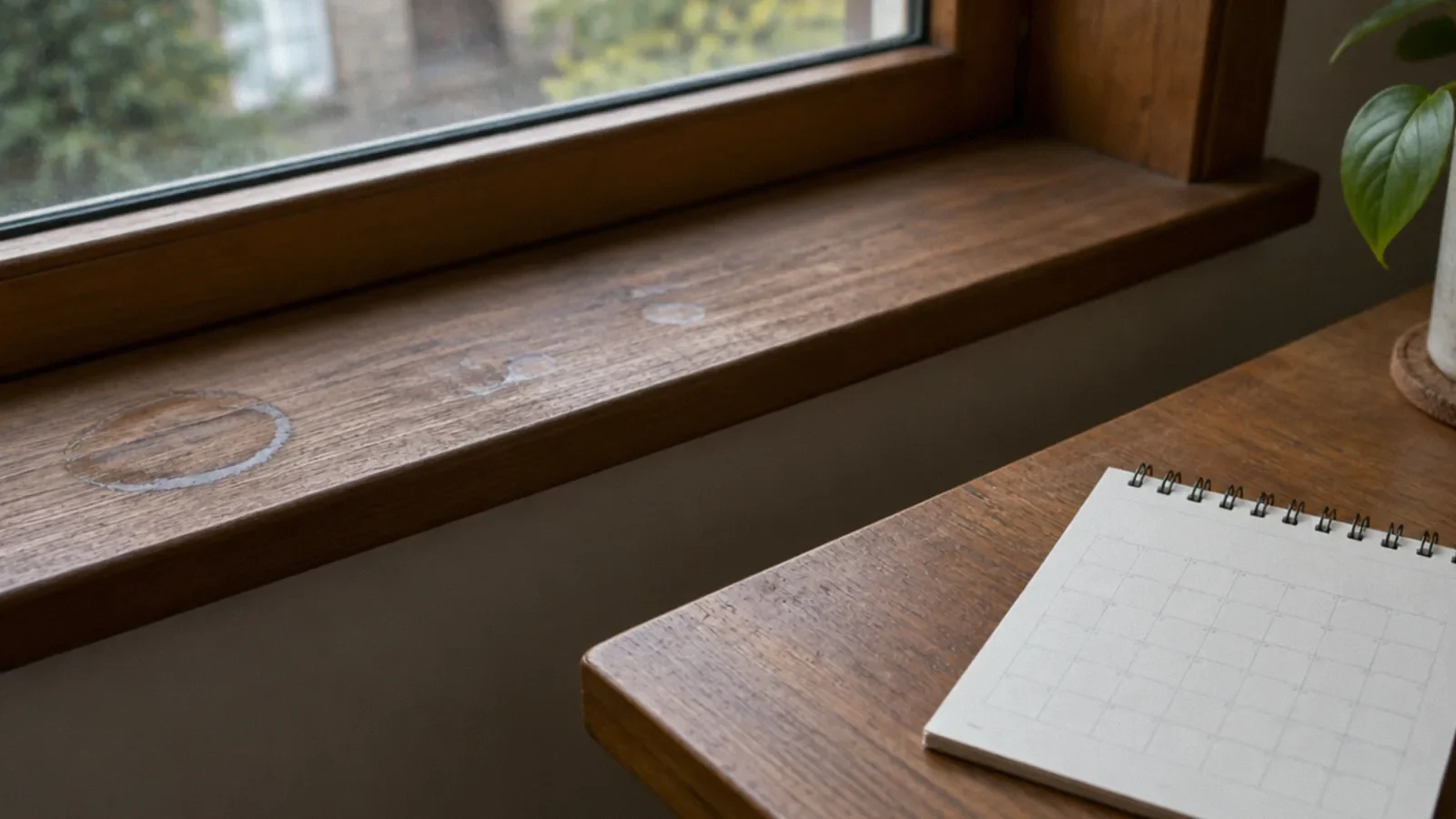
Finish type matters: a painted metal tabletop, varnished wood and unfinished drawer bottom do not respond identically to water. Test a small inconspicuous area and stop if the finish changes. Avoid sanding or stripping a valuable finish without expert guidance. Dry the cleaned surface and inspect it again before replacing the contents.
Your next-step checklist
- Keep sensitive people away from cleanup.
- Find and correct the moisture source.
- Assess porous materials before cleaning or replacement.
- Return only clean, dry items to a dry room.
Related questions
Does the color identify the mold?
No. Color alone does not identify a species or determine health risk.
Will a spray solve the moisture problem?
No. The source of moisture must be corrected and affected materials cleaned or replaced.
Sources & context
Public guidance supports the principles in this article. The practical questions and examples are editorial interpretation, not a site assessment or a coverage decision. State-specific rules apply only where identified.
- Mold Cleanup in Your Homeprimary
- Mold Cleanup Guidelinesprimary
- Mold Damageprimary
- A Brief Guide to Mold, Moisture and Your Homeprimary