Collect the source-repair, drying, reconstruction and payment records before closeout. A usable handover file explains what was done, what was verified and what remains uncertain.
Define closeout as a documented transition
Equipment removal and a clean-looking room do not by themselves show that every project obligation is complete. Source repair, drying, finish restoration, inspections, invoices and warranties may be handled by different parties. A handover file connects those pieces so the owner can maintain the property and answer later questions.
Ask early in the project what documents will be supplied and by whom. Waiting until final payment to request records can reveal that no one retained a needed photograph or measurement. The contract should describe the deliverables appropriate to the work, rather than promising an impressive but undefined completion package.
Collect the technical story
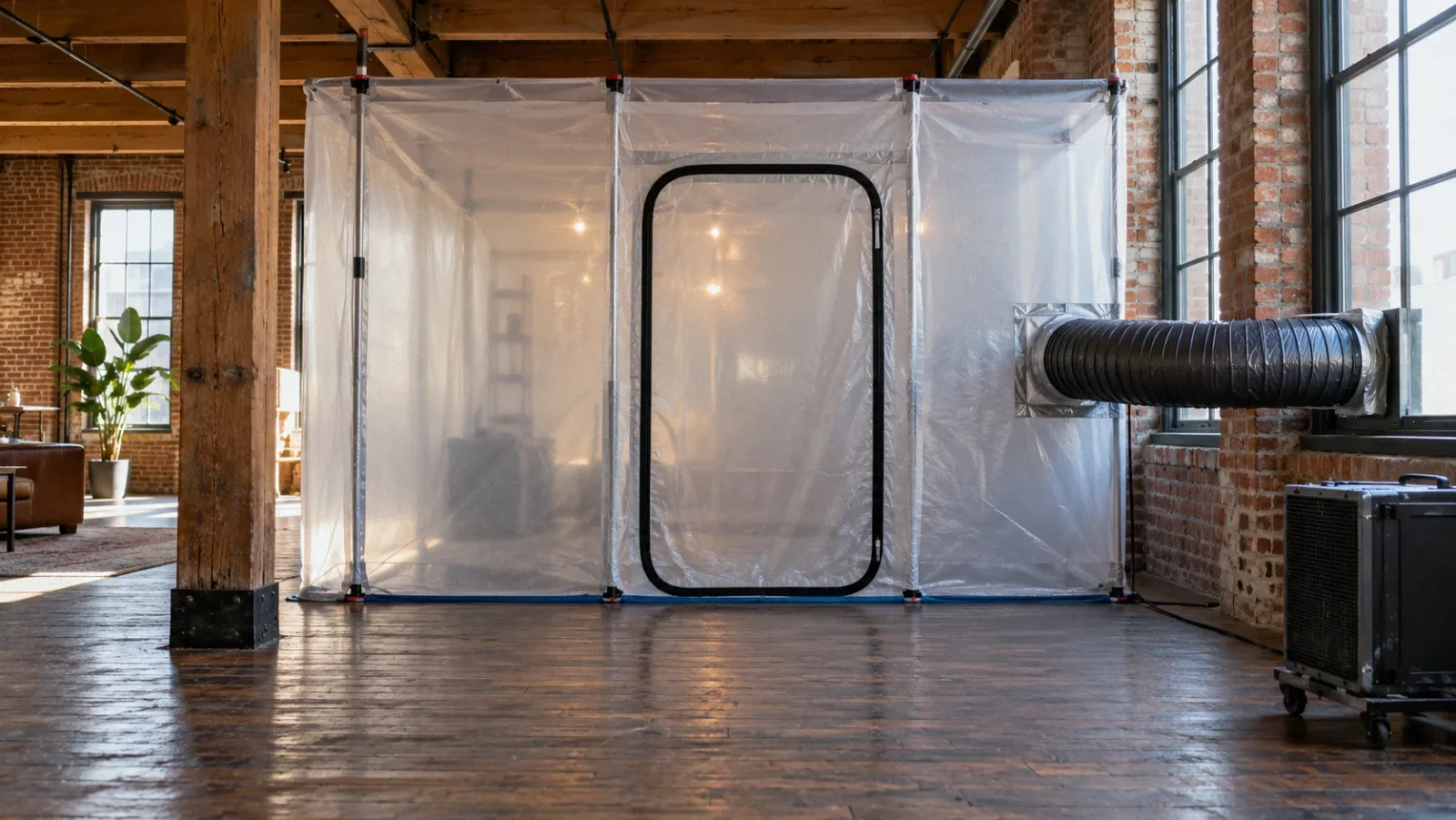
The file should explain the observed cause, affected areas, materials removed or retained and the basis for completing the work. Include source-repair documentation and relevant moisture or remediation reports. Record limitations, such as assemblies not opened or conditions requiring later monitoring. A report should distinguish verified observations from assumptions.
EPA guidance emphasizes correcting moisture problems and evaluating cleanup completion. Use the handover to show how those questions were addressed on this project. Do not request or accept a certificate claiming the property will never develop mold again. The meaningful record is the work performed and the evidence available at the time.
Reconcile the finished building with the agreed scope
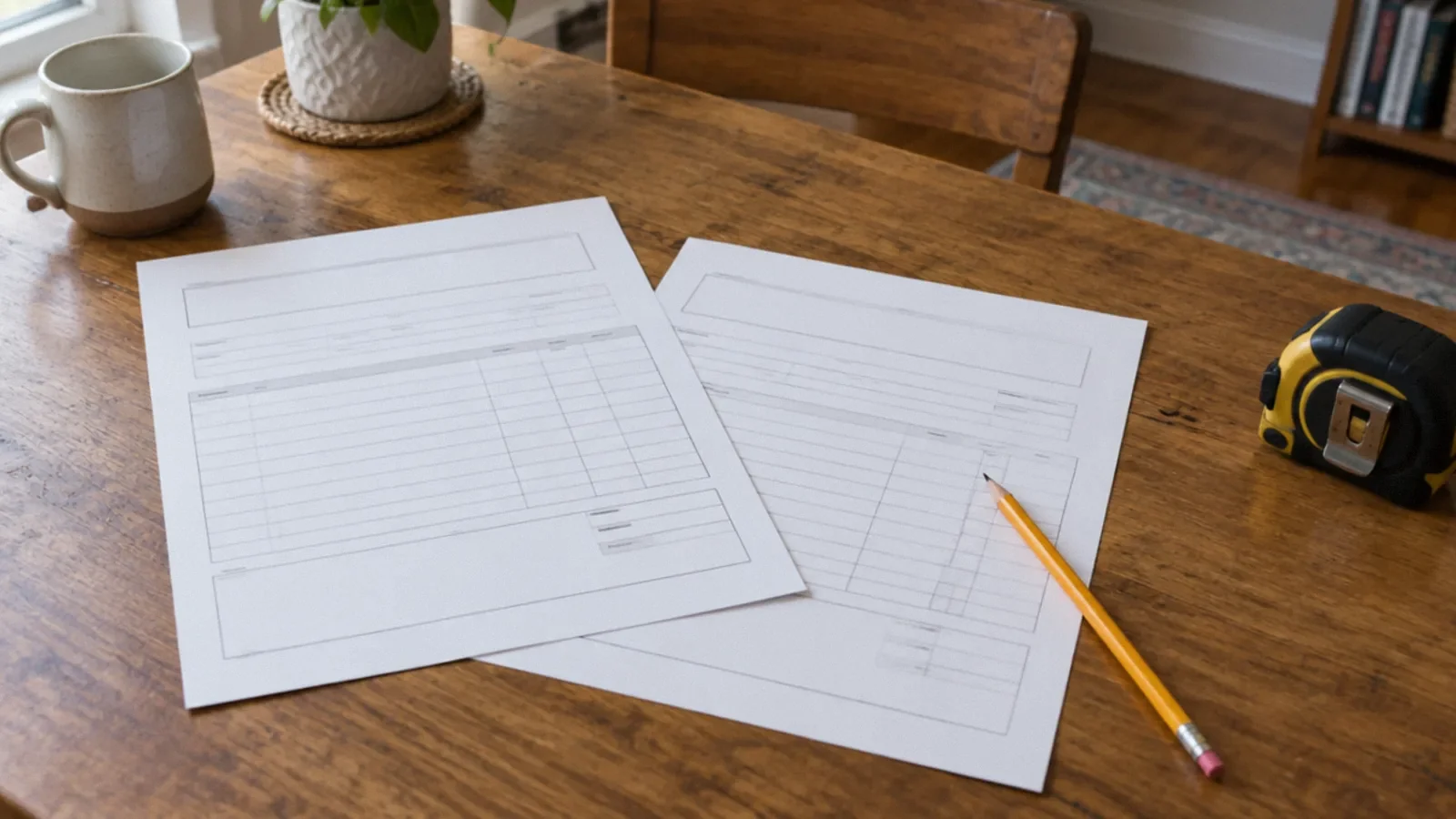
Walk through each affected room and compare the result with the contract and approved changes. Record incomplete items, damaged adjacent finishes, unresolved operation checks and documents still owed. Assign an owner and follow-up date to each item. A punch list should identify observable issues rather than a vague statement that the room is not right.
Collect permits and inspection records where applicable, plus material information and written warranty terms. Identify who handles a warranty request and what maintenance conditions apply. A manufacturer document does not necessarily cover contractor workmanship, and a contractor promise should state its scope and responsible party.
Close the financial record without obscuring disputes
Retain the original agreement, changes, final invoice, payment receipts and appropriate local releases. Match each payment to the work or invoice it addresses. If an amount remains disputed, keep the issue clearly identified rather than altering the records to make the account appear settled.
California CSLB guidance emphasizes written contracts, changes and payment clarity, while the California insurance guide recommends keeping claims correspondence. Use that discipline to reconcile contractor billing with insurer payments. The two totals can differ for legitimate reasons, but the file should explain known differences and identify what remains unresolved.
Store records for future use
Keep a secure digital copy with descriptive filenames and a backup separate from the only device used during the claim. Limit sensitive personal and financial information when sharing a technical handover with a future contractor. Preserve original images and reports alongside any summarized version.
There is no single retention period appropriate to every policy, warranty, property transaction or legal issue. Ask relevant advisers about applicable obligations and keep important property repair records accessible. If a future leak occurs, the old file helps distinguish the new observation from prior damage and shows where source repairs were performed.
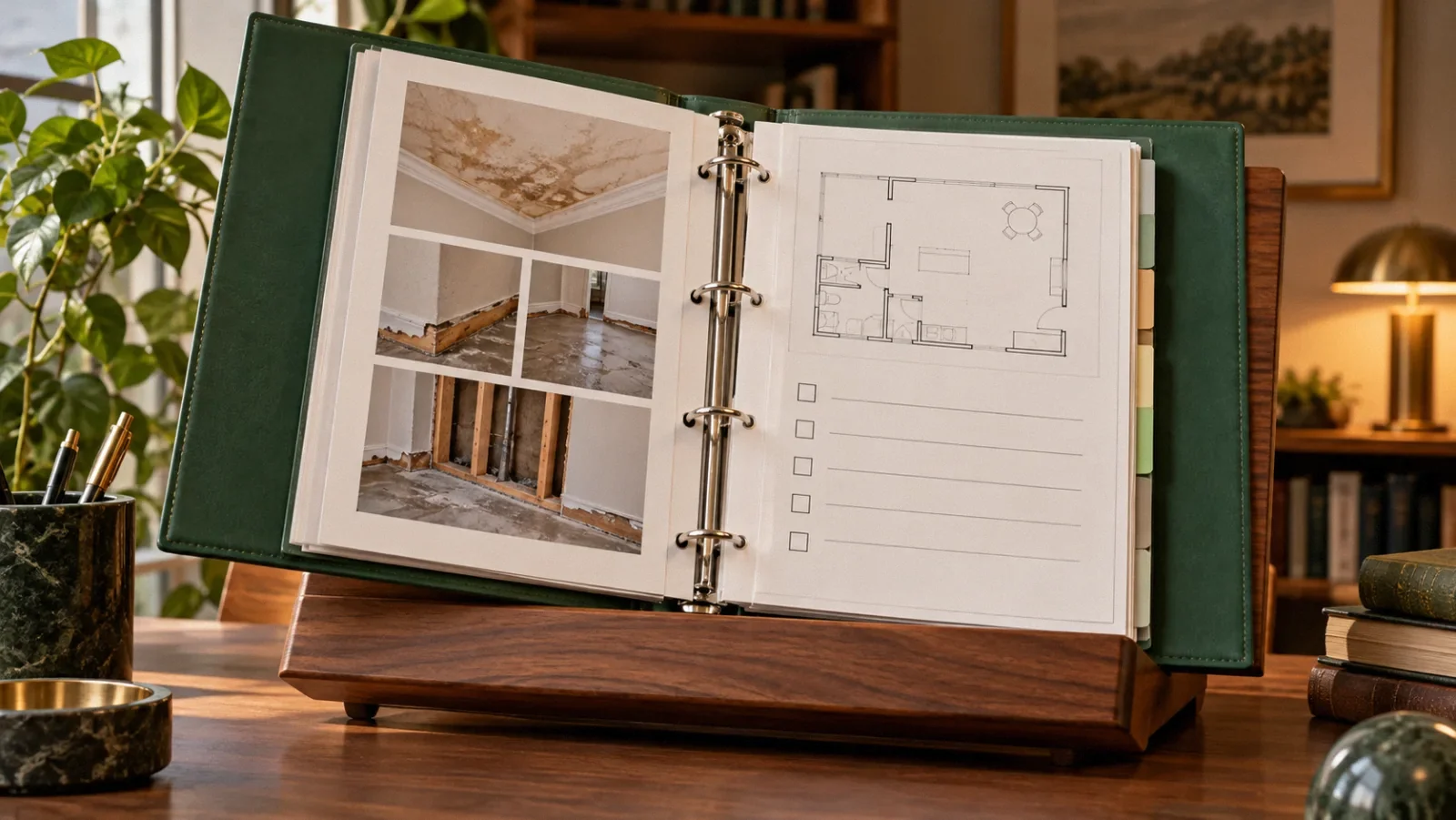
- Technical folder: cause findings, source repair, affected-area map, monitoring and completion reports.
- Construction folder: contract scope, approved changes, materials, permits, inspections and punch-list resolution.
- Financial folder: invoices, payment evidence, insurer correspondence and applicable releases.
- Owner folder: warranties, maintenance instructions, unresolved limitations and contacts for follow-up.
Use the file to answer a future leak question
Imagine a stain appears near the repaired area a year later. A useful handover file shows the original source, the exact repaired connection, the affected rooms and the limits of the earlier investigation. It allows a new professional to compare the current observation with the prior work without assuming either that the old contractor failed or that the new stain is unrelated.
Keep a simple cover sheet listing the event date, project contacts, report locations and unresolved items. The detailed technical documents remain attached; the cover sheet does not replace them. Add the final repair photographs and identify their locations. If the source repair and reconstruction were performed by different trades, preserve both invoices and their scopes.
Before closing the financial file, compare the final invoice with the approved changes and outstanding punch list. Ask whether any release you are asked to sign concerns payment only, acceptance of work or broader claims. Do not sign an inaccurate completion statement merely to make the paperwork look finished. Where documents remain outstanding, identify them clearly and arrange a delivery date consistent with the contract.
For later sharing, create a copy containing the relevant property records and remove unnecessary personal information while preserving the originals. A future buyer, inspector or contractor may need the repair history but not the household’s temporary-housing receipts or banking details. Keep the account factual and retain limitations rather than rewriting an old report to sound more conclusive.
Your next-step checklist
- Agree on handover documents before the project reaches its final day.
- Collect source-repair and completion evidence from each responsible trade.
- Walk the finished scope and record outstanding items.
- Reconcile billing, payments and required releases.
- Store secure copies and preserve limitations rather than claiming more verification than occurred.
Related questions
Is a dry-out certificate enough?
Its value depends on what it actually documents. Ask for affected locations, methods, findings and limitations. A label alone may not explain source correction, concealed areas, reconstruction or future maintenance needs.
How long should I keep the file?
Check policy, warranty, legal and property-record requirements relevant to you. Important repair records are often useful well beyond claim closure, but no universal number of years applies to every situation.
Sources & context
Public guidance supports the principles in this article. The practical questions and examples are editorial interpretation, not a site assessment or a coverage decision. State-specific rules apply only where identified.
- California Department of Insurance: Residential Property Claims Guideofficial
- California CSLB: What Is a Contract?official
- EPA: Investigating, Evaluating and Remediating Moisture and Mold Problemsofficial
Community questions behind this topic
These discussions helped identify reader concerns. They are anecdotal, not technical or legal authority.