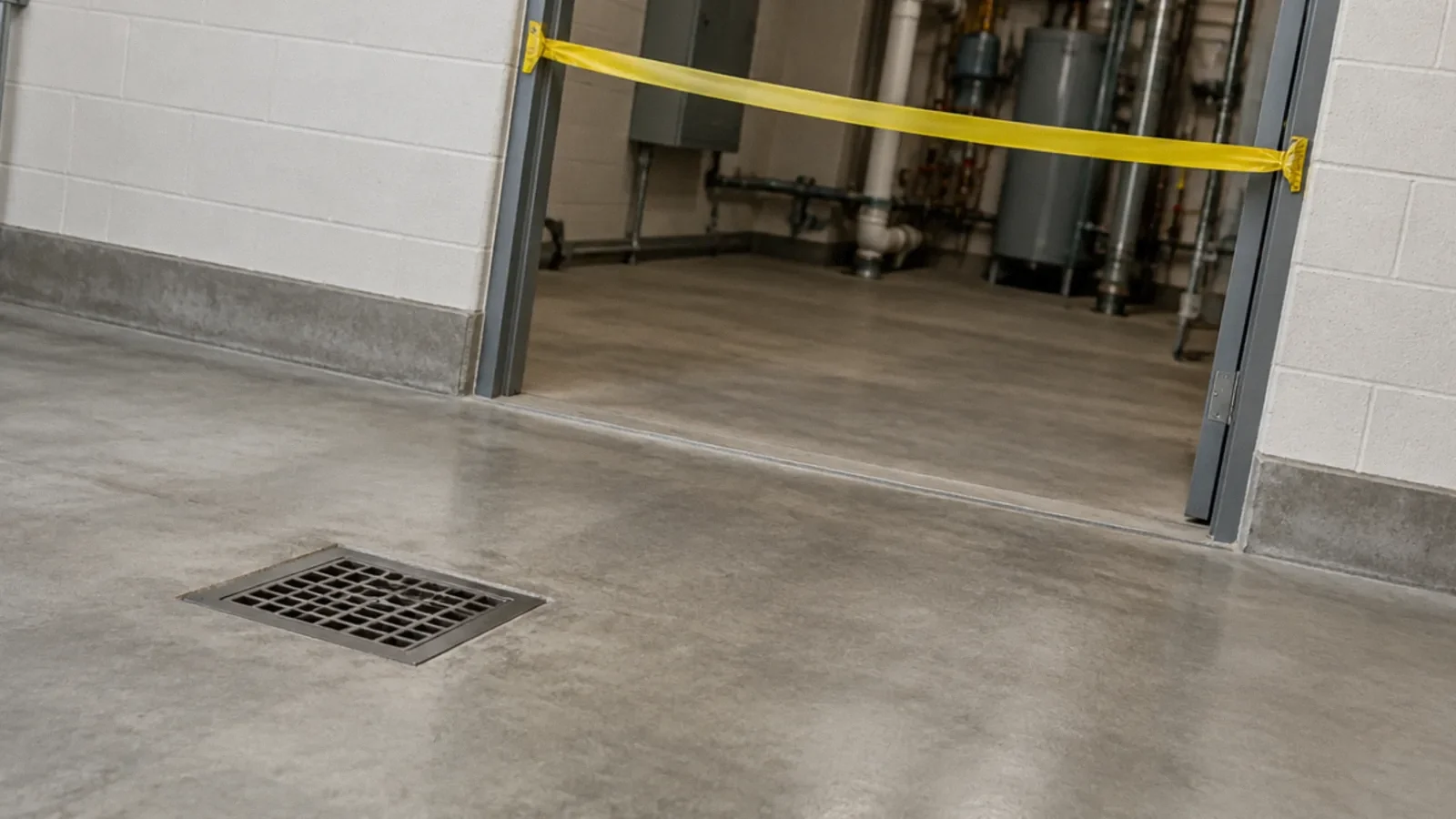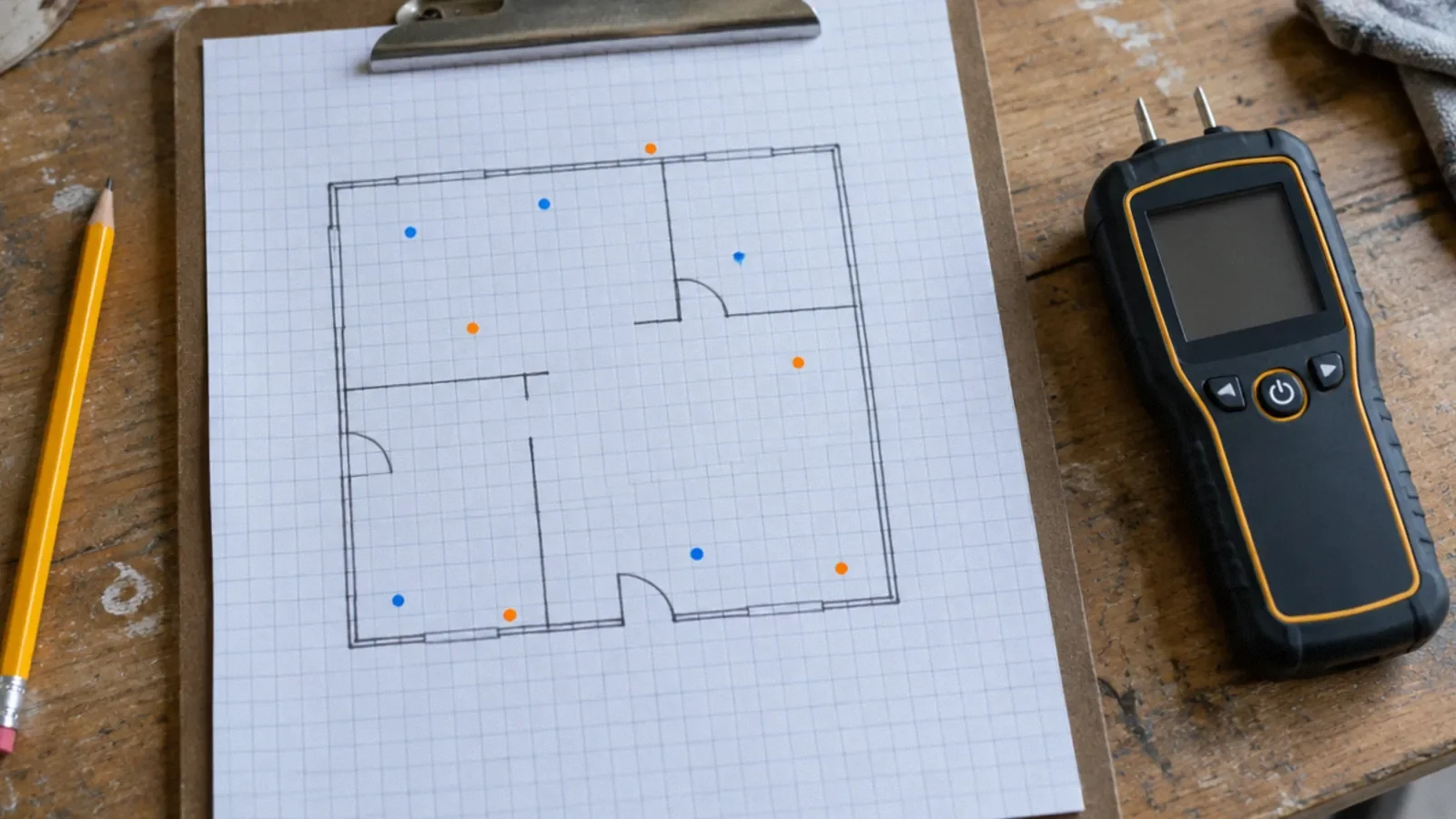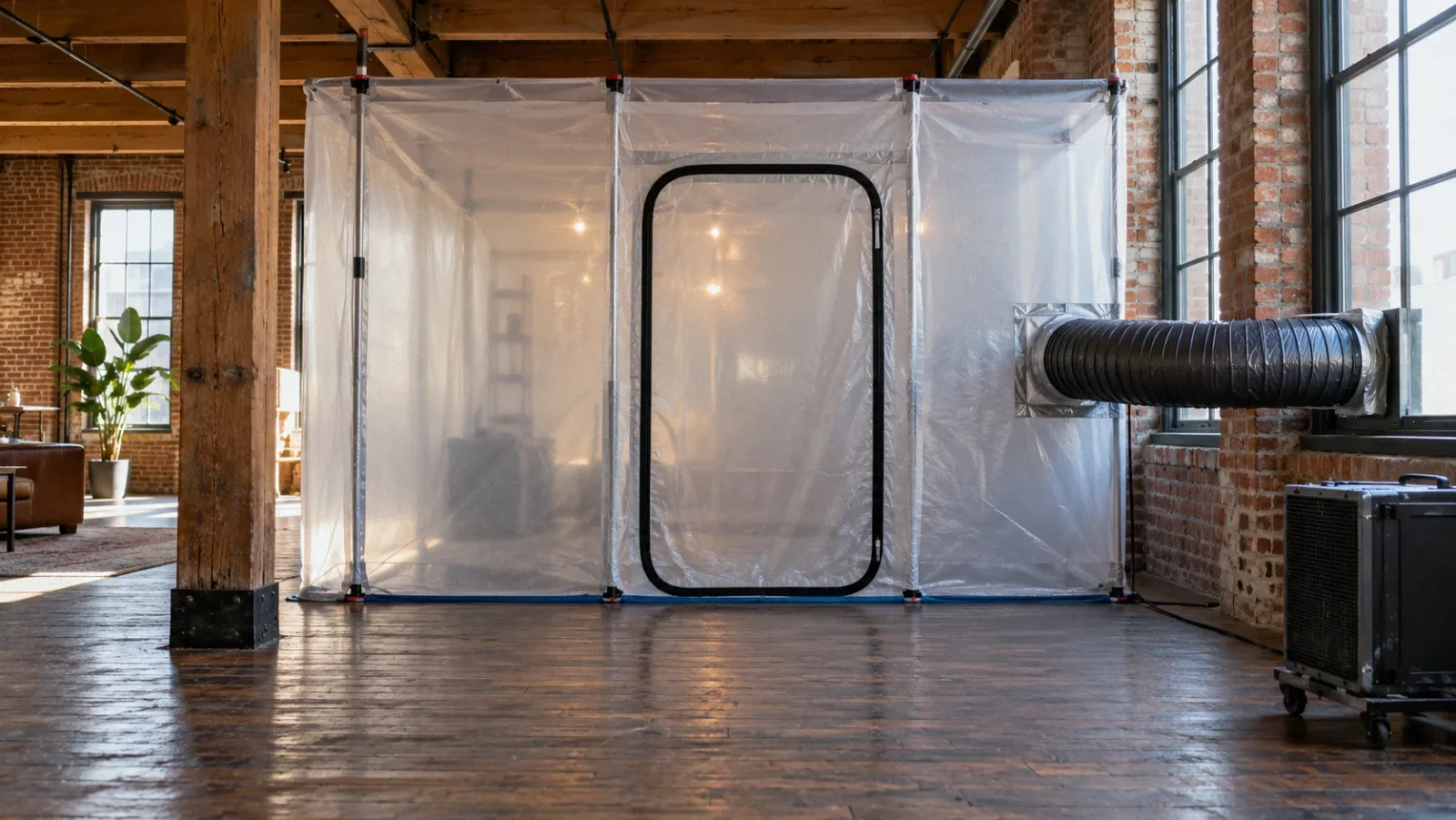
Water contamination and drying difficulty are different questions. Category language concerns the water’s contamination context; class language concerns aspects of the drying load and affected materials. Ask what observations support each designation and what it changes in the actual scope.
Do not let a label replace the site description
A report that lists only a category and class leaves the homeowner without the evidence behind them. Request the source, water path, exposure history, affected materials, and limitations of the initial inspection. Those facts make the label useful.
The public IICRC S500 page describes a professional framework that includes microbiology, safety, drying technology, inspection, documentation, and assemblies. Its overview does not reproduce the paid standard’s detailed definitions. This article explains the conceptual distinction without presenting a substitute classification table.
How numbered categories and classes are used
A Massachusetts public-health reference describes category 1 as water from a sanitary source, category 2 as water with chemical or biological contamination that may cause illness, and category 3 as highly contaminated water such as sewage or surface floodwater. The source and the path through the building both matter; a clear appearance does not prove water is safe.
Florida Atlantic University’s institutional water-intrusion policy describes classes as differing in the amount, distribution and drying difficulty of wet materials, including more limited losses, larger affected areas and specialty drying. These public summaries are examples, not a substitute for the current professional standard or a site-specific classification. Ask the practitioner which edition and evidence support the assigned class.
Contamination follows more than the original pipe
A supply leak begins differently from sewage backup, but the route through the building can introduce other contaminants. Time, conditions, and contact history may affect the professional assessment. Clear appearance or lack of odor does not establish clean water.
EPA’s cleanup table is expressly for clean-water damage and warns that contaminated situations require different expertise and controls. Ask the practitioner to explain why that clean-water approach is appropriate or what evidence calls for another plan.
Drying difficulty follows the materials and access
A small visible puddle can accompany a difficult layered assembly, while a larger accessible hard-surface area can present a different drying problem. Material porosity, depth, surface exposure, concealed layers, and the amount of water retained all matter.
The practical consequence should be a justified extraction, access, equipment, and monitoring plan. A class label alone does not establish a fixed machine count or number of billable days. Ask how the planned method reaches the wettest retained layer.
Reassessment is part of a developing loss
The first visit may occur before flooring or a cavity is opened. New contamination, a longer water path, or a different material can change the assessment. Keep initial observations and later revisions so the reason for scope changes is visible.
A revised designation is not automatically suspicious, but it should be explained. Equally, a label should not remain unchanged simply to preserve the first estimate when the conditions no longer fit it. The evidence and resulting work matter more than administrative consistency.
Two losses can differ in opposite directions
Consider a confirmed clean supply-water release that soaks a multilayer floor and an insulated wall cavity. Contamination concerns may be relatively limited based on the assessed source and pathway, while drying is difficult because water is retained behind low-permeance finishes and inside concealed layers. A low contamination concern does not make this an easy drying job.
Now consider a small sewage backup onto an accessible hard floor with little concealed spread confirmed after inspection. The amount of material needing drying may be limited, but contamination control remains essential. A modest drying load does not make the water sanitary. The plan may emphasize controlled cleaning and selective disposal rather than a large equipment layout.
These examples explain the two axes without assigning formal numbered categories or classes to an unseen site. Actual designations require the current professional framework and investigation. The point is that one axis cannot be inferred from the other, and neither should disappear because the room looks small.
A third case shows why reassessment matters
A leak initially believed to be a clean supply release is later found to have traveled through a contaminated cavity before reaching the room. The newly established pathway can change the cleanup assessment. Separately, opening the floor may reveal a deeper wet assembly than expected, changing the drying plan. Both revisions should be linked to discoveries, with their different consequences explained.
Ask the contractor to state what changed in practical terms: additional removal, different occupant protection, expanded cleaning, new drying access, or more monitoring. A revised code on the estimate is not an adequate explanation by itself.
When comparing two opinions, use the same facts. Did both people see the concealed area? Did they know the source was uncertain? Are they distinguishing the initial water from the condition after contact with other materials? A short joint review of evidence may resolve more than arguing about labels.
Finally, do not use an informal explanation as a replacement for the paid standard or a technical certification. The cited public overview establishes the subjects addressed by professional restoration, while EPA guidance establishes why clean and contaminated water require different approaches. The site-specific classification and detailed procedure remain the responsibility of the practitioner applying the relevant framework.
Translate the classification into decisions
Ask which materials can be cleaned and retained, which must be removed, what exposure controls are needed, and what measurements determine drying completion. Separate those answers from insurance coverage, which depends on the policy and facts of the loss.
If two contractors assign different labels, compare their observations and assumptions. They may have inspected different areas or interpreted an unknown source differently. Resolve those differences through evidence rather than selecting the lower number or the more alarming terminology.
What is a Category 2 water loss?
A report prepared for EPA describes Category 2 water as significantly contaminated and potentially hazardous to contact or ingest. Its examples include some dishwasher or washing-machine overflows and a toilet backup without feces; the actual conditions, time and materials can change the assessment.
A Category 2 description does not automatically determine which materials can be saved or whether insurance covers the loss. Avoid contact and wet electrical equipment, document the source, and ask a qualified restorer to explain the category, affected materials, cleanup plan and reassessment.
Four drying classes in one public summary
Florida Atlantic University’s published water-intrusion policy describes class 1 as a limited area with relatively little water; class 2 as a larger amount affecting carpet and porous contents; class 3 as extensive saturation including ceilings, walls, insulation or flooring; and class 4 as specialty drying of deeply saturated, less porous materials such as hardwood or concrete. This is a university summary, not a reproduction of the current IICRC standard. Ask the restorer which edition and actual measurements support the designation.
Types of loss can also be described by cause: plumbing failure, roof leakage, appliance overflow, sewage backup, stormwater or fire suppression. The cause identifies an investigation path; the contamination category addresses water quality and the drying class addresses the affected materials and drying load. None alone establishes insurance coverage.
Fire-suppression sprinkler water comes from a building fire-protection system; irrigation sprinkler water comes from a landscape watering system. Both may pick up contaminants from stored water, piping or their travel across soil and building materials. Neither should be treated as drinking water or assigned a category merely by appearance. Ask a qualified restorer to assess its source and pathway.
Your next-step checklist
- Request the factual source and pathway description behind the designation.
- Separate contamination assessment from drying-load assessment.
- Ask what each label changes about removal, controls, access, and monitoring.
- Document new findings and reasons for reassessment.
- Keep technical classification separate from insurance coverage conclusions.
Related questions
Does a category automatically determine insurance coverage?
No. Technical cleanup classification and policy coverage are different matters. Coverage depends on the contract and documented circumstances.
Can the category change after the first visit?
The assessment may change when new source, pathway, contamination, or exposure evidence emerges. Ask for the reason and resulting scope changes.
Is a higher drying class proof that everything needs demolition?
No. The label should inform a material- and access-specific plan. Removal decisions need their own condition, cleanability, and feasibility rationale.
Does category 3 automatically apply after a fixed number of hours?
Do not rely on a universal timer. The source, pathway, contamination and conditions require professional assessment; ask what evidence supports any change.
Is sprinkler water always clean?
No. Water from a sprinkler system can contain residues or other contaminants depending on the system and conditions. A qualified assessment should identify the source and actual contamination rather than assuming a category from appearance.
Sources & context
Public guidance supports the principles in this article. The practical questions and examples are editorial interpretation, not a site assessment or a coverage decision. State-specific rules apply only where identified.
- IICRC: S500 public scope overview (not the paid standard text)standard
- EPA: Table 1, Water Damage Cleanup and Mold Prevention (clean-water material guidance)official
- Massachusetts Department of Public Health: Water damage response in buildings (PDF)public health guidance
- Florida Atlantic University: Water intrusion policyuniversity safety policy
- Report to EPA on flood-related cleaning guidancefederal technical report
Community questions behind this topic
These discussions helped identify reader concerns. They are anecdotal, not technical or legal authority.