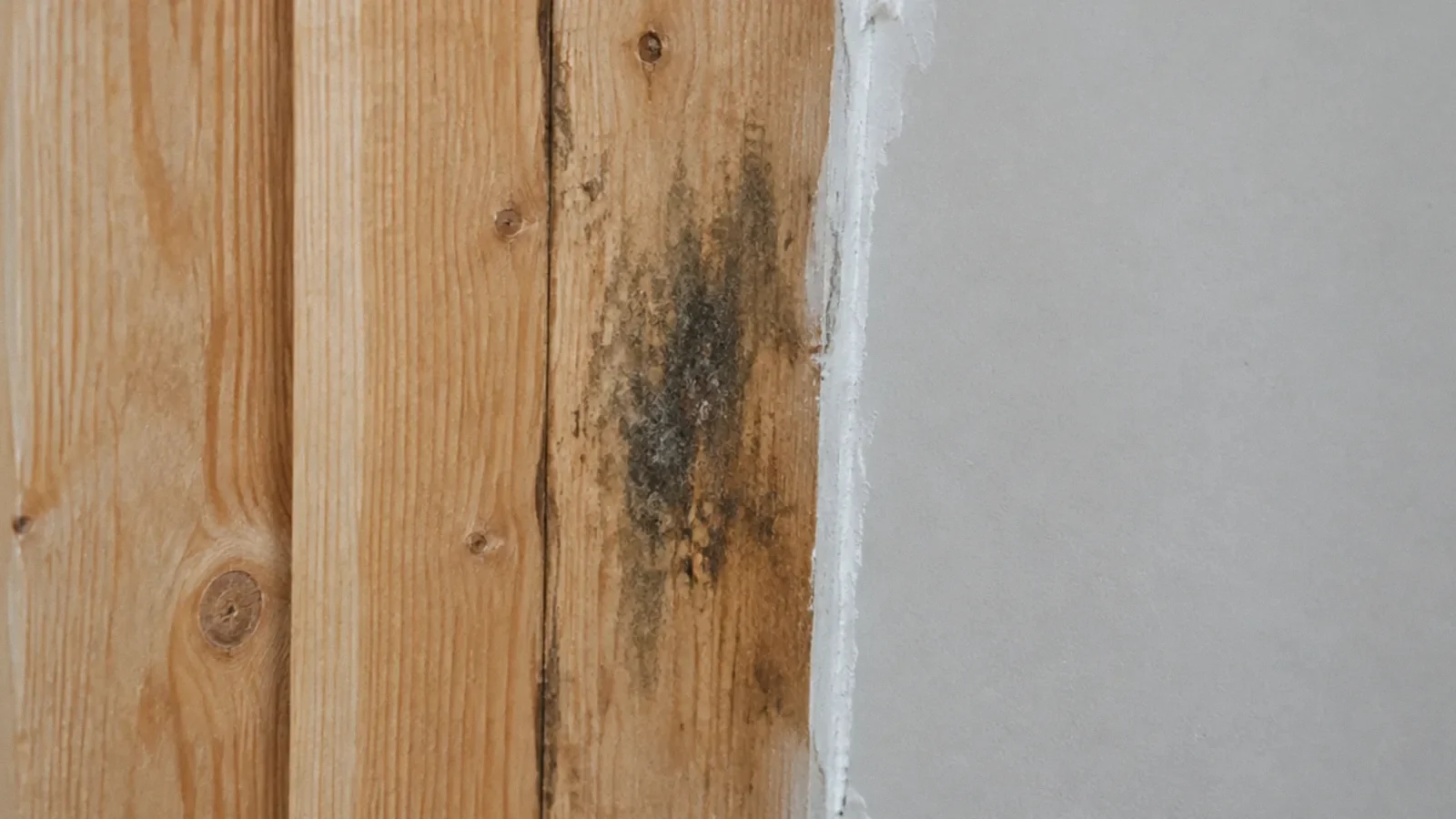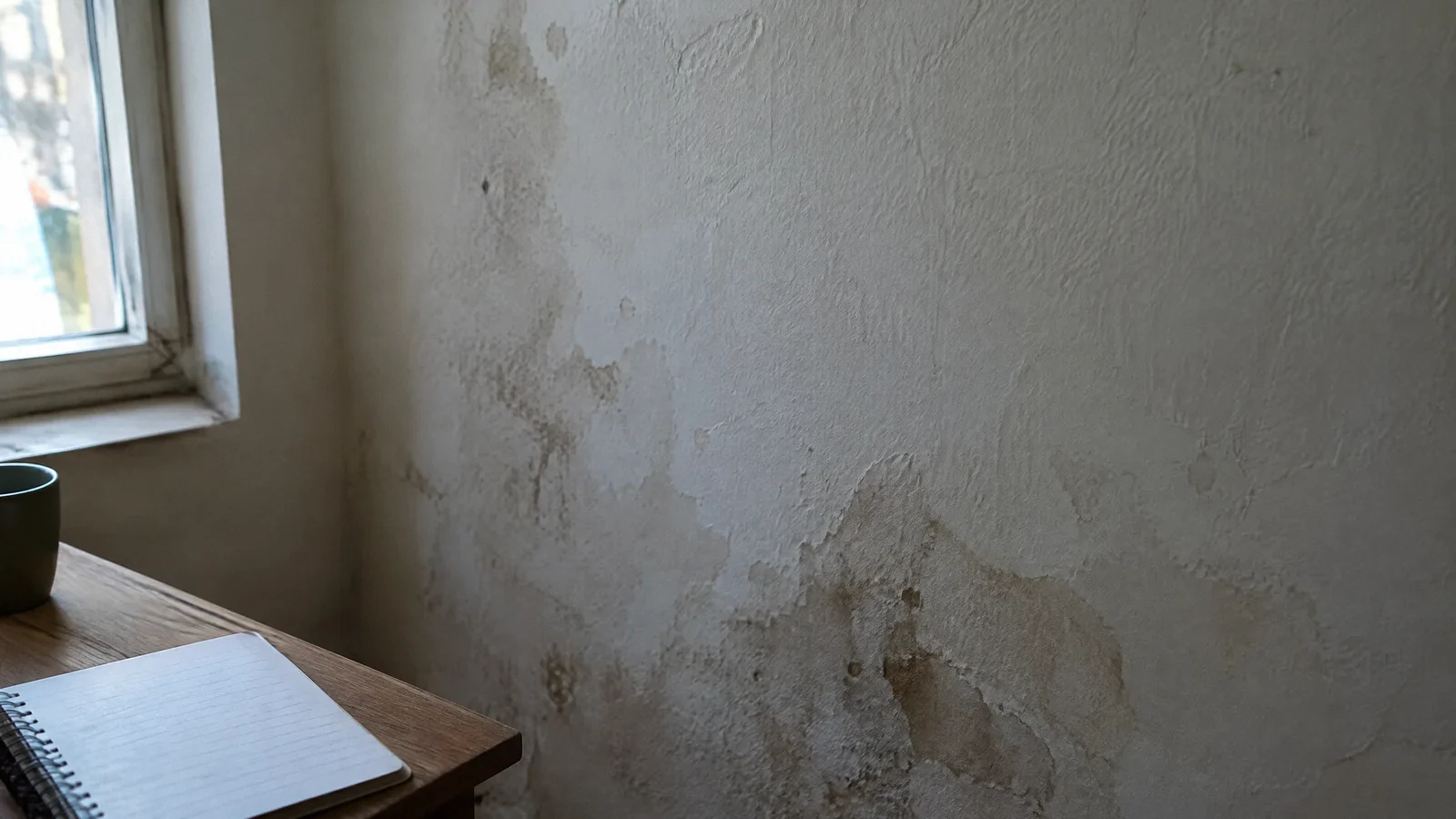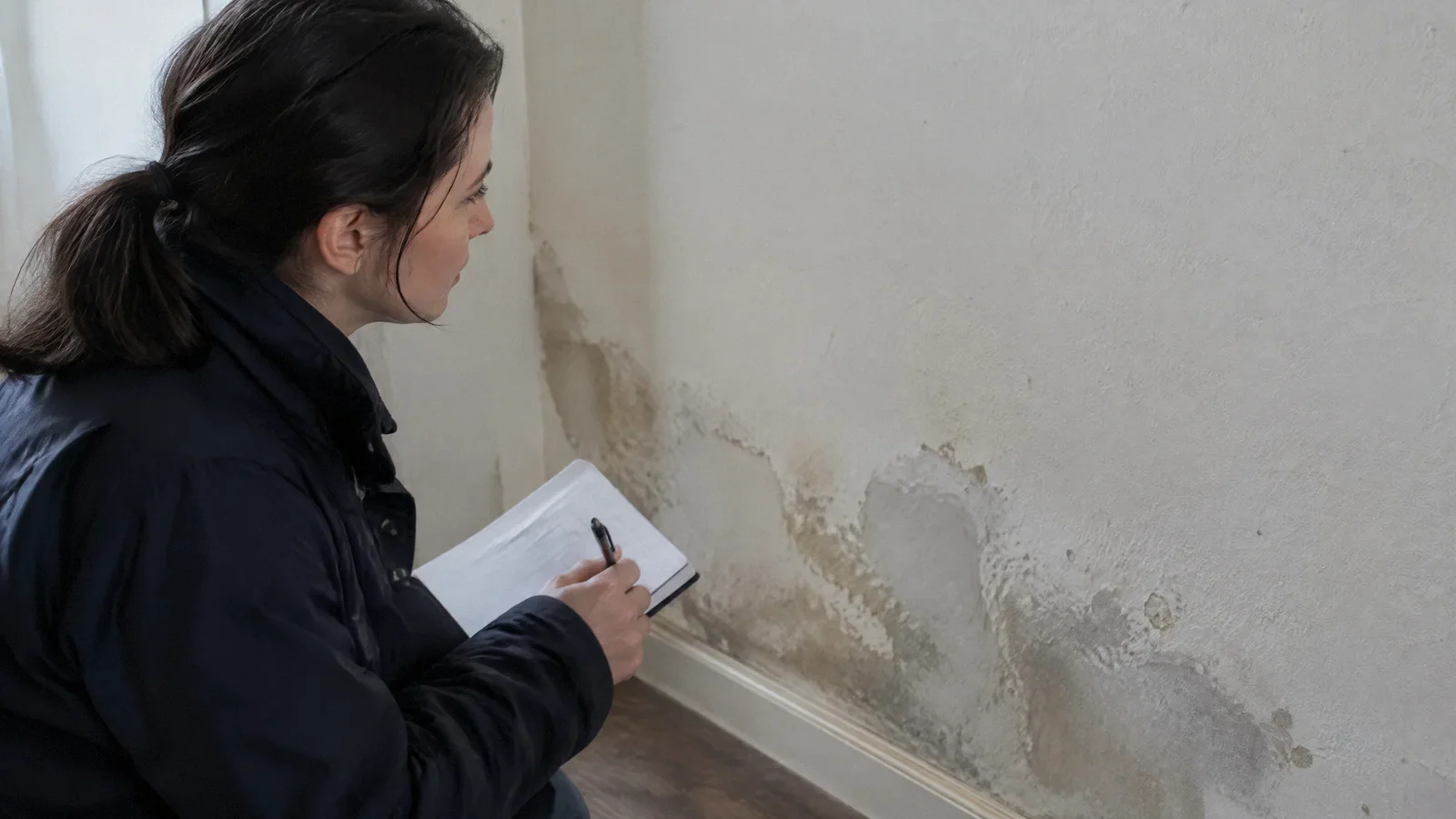
A black-looking patch does not establish a cancer risk or diagnosis. The sources reviewed do not establish that ordinary inhalation of black-looking household mold causes cancer; aflatoxin in food is a different exposure.
What can be said about cancer?
A dark patch in a home cannot establish that a resident has cancer or will develop it. “Black mold” is an informal description, not a diagnosis or a single, reliably identified organism. The public health sources cited here do not establish that ordinary inhalation of black-looking household mold causes cancer. That is a limit on the evidence reviewed, not proof that every possible exposure is risk-free.
Cancer has many causes and risk factors. A clinician can evaluate a person’s history and appropriate screening or testing. At the same time, a damp building and visible mold warrant attention for established moisture and respiratory concerns without waiting for a cancer diagnosis.
What color does and does not show
Dark discoloration can have more than one cause, and molds of different kinds can appear dark. A photograph, odor or color cannot reliably identify a species or show what chemicals are present. CDC describes Stachybotrys chartarum as one mold that can grow on cellulose-rich material with persistent moisture; not every black patch is that organism.
A lab result identifies what its method found in the submitted sample, within the limits of the sampling and analysis. It does not determine how much a particular person inhaled over time, diagnose cancer, or prove a disease was caused by the sampled area. Ask the laboratory and investigator what their result actually means.
Why aflatoxin is a different exposure question
NIEHS discusses aflatoxin, a mycotoxin that can occur on crops such as corn, grains, seeds and nuts, and notes its listing as a human carcinogen. That evidence concerns a particular toxin and exposure context. It is not interchangeable with a statement that every mold produces aflatoxin or that inhaling an unidentified dark patch in a home causes cancer.
The organism, substance, route, dose and duration matter when interpreting a hazard. A hazard classification for a substance in one context cannot by itself quantify an individual’s risk from another setting. Do not infer aflatoxin from a wall photograph or apply a food contamination finding to an unmeasured indoor exposure.
What health agencies say about damp buildings
NIEHS describes an increased chance of respiratory problems among occupants of damp or moldy buildings. CDC describes possible symptoms including nasal or eye irritation, cough and wheeze in some people, and notes that people with asthma or allergy can have stronger reactions. These symptoms have many possible causes.
Associations across populations are relevant to prevention but do not establish the cause of an individual symptom. Some people with weakened immune systems or chronic lung disease face particular risks from fungal infections. Infection, allergy, irritation and cancer are distinct questions requiring different evidence and clinical evaluation.
What an environmental inspection can answer
A useful building assessment records where water entered, what materials are wet, the visible extent and areas that could not be inspected. An investigator may use moisture instruments or sampling where the results will inform a decision. Ask how samples were collected, what the method can distinguish and what its limitations are.
A single air sample is a snapshot, not a complete record of historical personal exposure. A positive finding does not establish a medical diagnosis; a negative sample does not prove that every concealed space is dry. Visible indoor growth and ongoing dampness still need an appropriate response.
Address the building problem
Stop the water source if it is safe to do so, avoid disturbing suspect material and assess the affected area and materials. EPA recommends moisture control and appropriate cleanup. An extensive, hidden, HVAC-related or contaminated-water problem may need experienced help and controls tailored to the site.
Drying or painting over a surface without correcting a leak can leave the underlying problem unresolved. Keep a record of the observed damage, repair, cleaning and any inaccessible areas. Check for recurring moisture after the repair under normal conditions.
Prepare for a medical conversation
If you have symptoms or concerns, tell a clinician what you observed, when the moisture problem began, how long you spent in the area and whether symptoms changed. Bring complete reports rather than just a species name. The clinician can consider other exposures, existing conditions and appropriate next steps.
Do not use an online photograph or building sample as a cancer test. Follow routine screening advice based on your age, history and clinician’s assessment. Seek urgent medical attention for severe breathing difficulty or another acute concern rather than waiting for an environmental report.
Avoid false certainty in either direction
A contractor’s claim that a dark patch proves cancer is not supported by appearance. Equally, a statement that mold can never affect health is inconsistent with the respiratory and allergy concerns described by health agencies. Be precise about what is known, what was measured and what remains uncertain.
Take practical moisture and cleanup steps while pursuing individual medical advice. The decision to correct dampness does not require proving a particular diagnosis, and a clinical evaluation does not replace the need to repair a wet building.
Your next-step checklist
- Document and correct the moisture source.
- Do not identify a species or toxin by color.
- Review the purpose and limits of any environmental test.
- Discuss symptoms and individual cancer concerns with a clinician.
- Arrange suitable cleanup and verify that dampness does not return.
Related questions
Does black mold always cause cancer?
No such conclusion follows from the color of a patch. The sources reviewed do not establish that ordinary inhalation of black-looking household mold causes cancer.
Is aflatoxin the same as black mold on a wall?
No. Aflatoxin is a particular toxin associated with certain contaminated crops; it cannot be inferred from the appearance of a wall.
Can an air test diagnose cancer?
No. An environmental sample cannot diagnose cancer or establish the cause of an individual disease.
Should mold be cleaned even without a cancer diagnosis?
Yes. Address indoor mold and its moisture source using cleanup methods suited to the extent and material.
Sources & context
Public guidance supports the principles in this article. The practical questions and examples are editorial interpretation, not a site assessment or a coverage decision. State-specific rules apply only where identified.
- NIEHS: Mold and healthfederal health guidance
- CDC: Mold, testing and remediationfederal occupational health guidance
- CDC: Facts about Stachybotrys chartarumfederal health guidance
- EPA: Mold, moisture and your homefederal cleanup guidance
- CDC: About moldfederal health guidance