A remediation protocol describes the specific work needed to address contamination and its moisture source. It is not simply a list of chemicals or a promise of a clean air test. A useful plan identifies the affected rooms, materials, occupants, water source, containment and criteria for completion. The scope should match the observed conditions and be revised if opening the area reveals more damage.
A protocol turns an assessment into a work plan
A remediation protocol describes the specific work needed to address contamination and its moisture source. It is not simply a list of chemicals or a promise of a clean air test. A useful plan identifies the affected rooms, materials, occupants, water source, containment and criteria for completion. The scope should match the observed conditions and be revised if opening the area reveals more damage.
Requirements for assessments, licensing, disclosure or independent verification vary by jurisdiction and project. Check applicable local rules rather than assuming one national procedure applies to every building. A protocol is not a substitute for emergency response to an unsafe structure, electrical hazard or sewage release.
Document conditions and define the scope
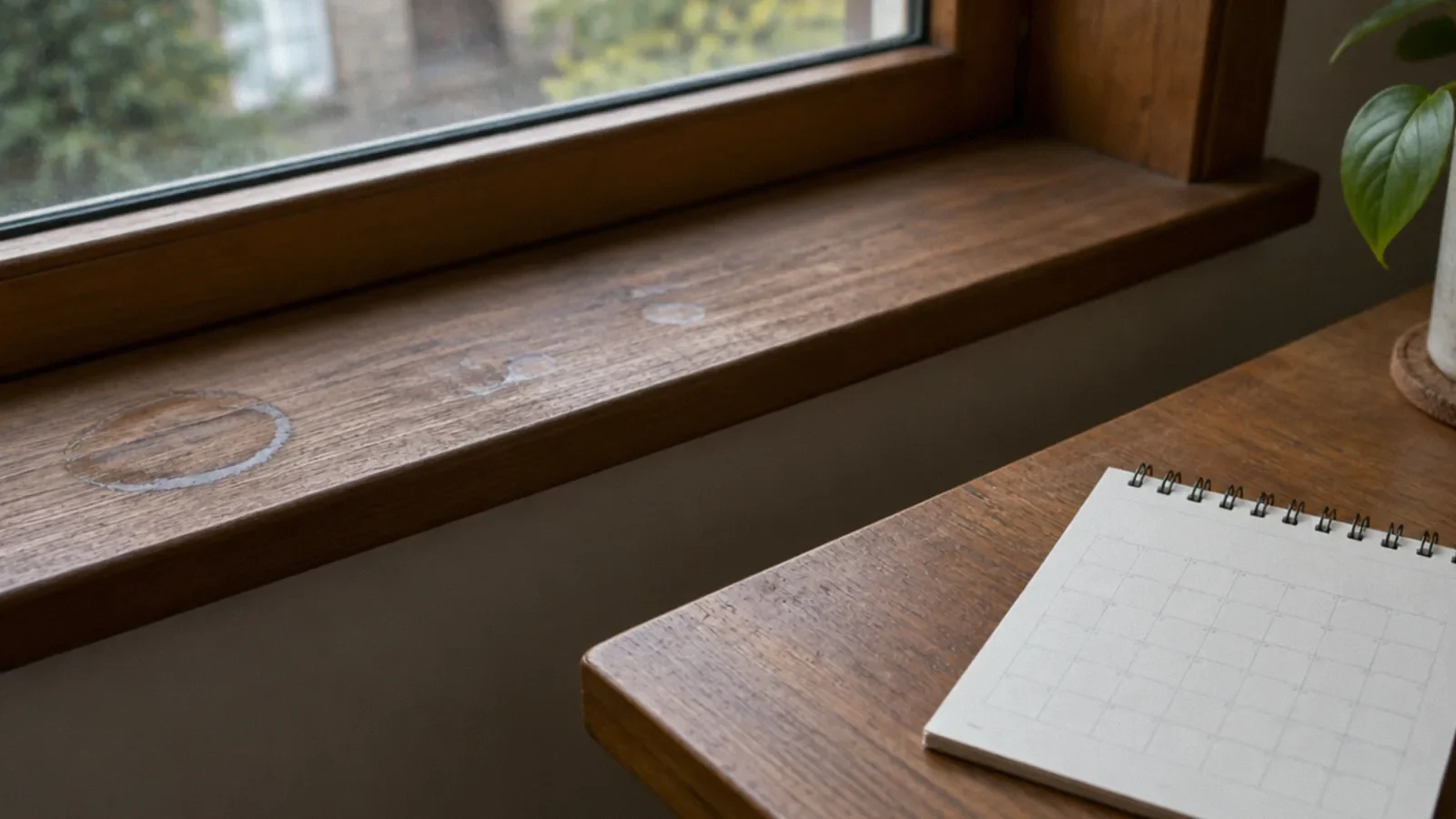
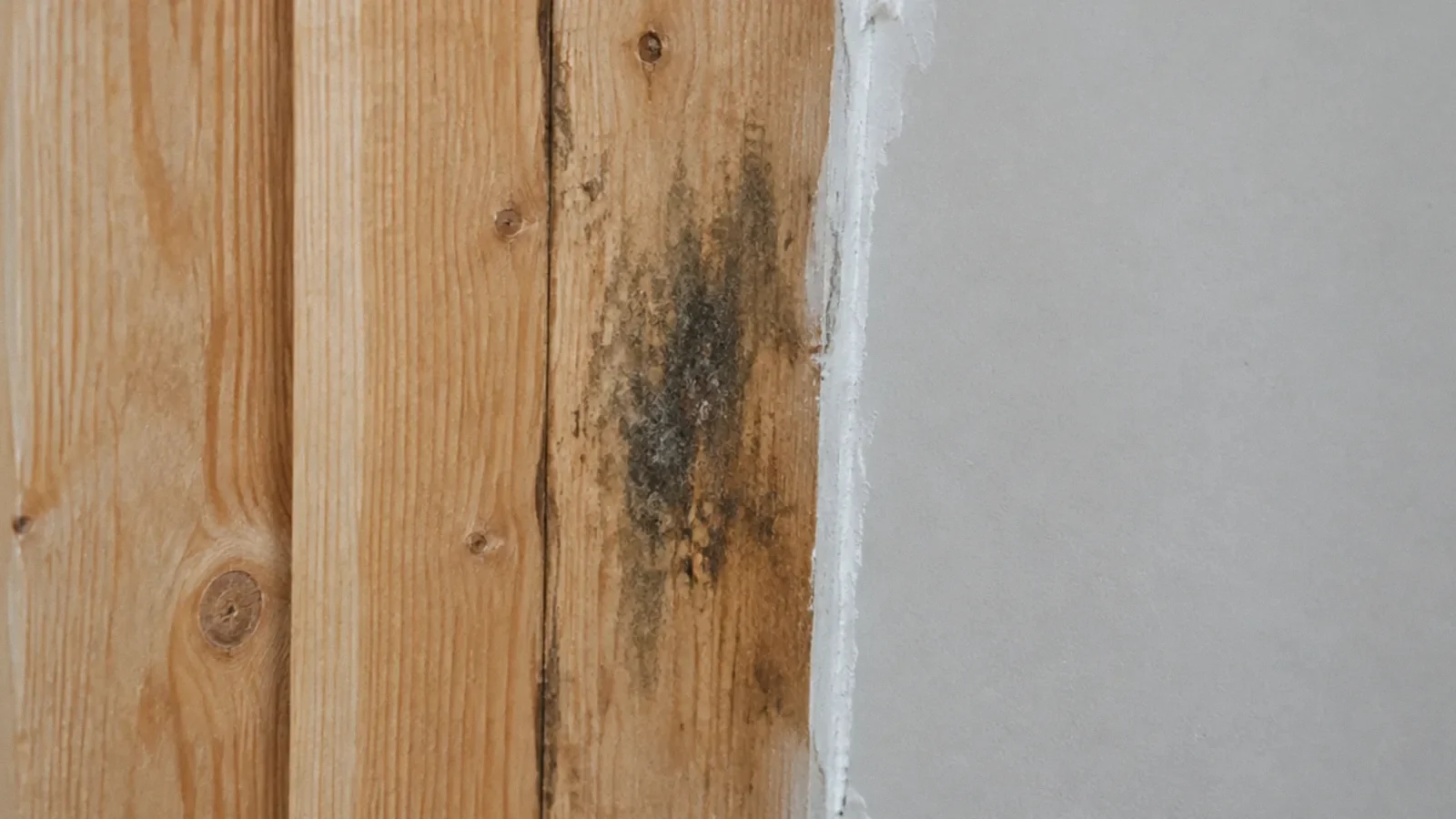
Record the location and extent of visible growth, water history, accessible materials and relevant photographs. Identify what is known and what remains concealed. A small surface patch and an extensively wet wall cavity may require different precautions; EPA’s approximate 10-square-foot guideline is a starting point, not a substitute for judgment.
Identify sensitive occupants and arrange appropriate separation from work. People with allergies, asthma, chronic lung disease or weakened immunity should not participate in cleanup. The plan should identify the moisture source and who is responsible for repairing it. Without that repair, cleaned or replacement materials can become wet again.
Specify containment, protection and material decisions
State how work zones are separated, how debris will be handled and how cross-contamination will be controlled. The professional should choose protective equipment for the work and hazards. CDC recommends at least a NIOSH-approved N95 respirator, gloves and protective goggles for cleanup, with more protection appropriate to some extensive work.
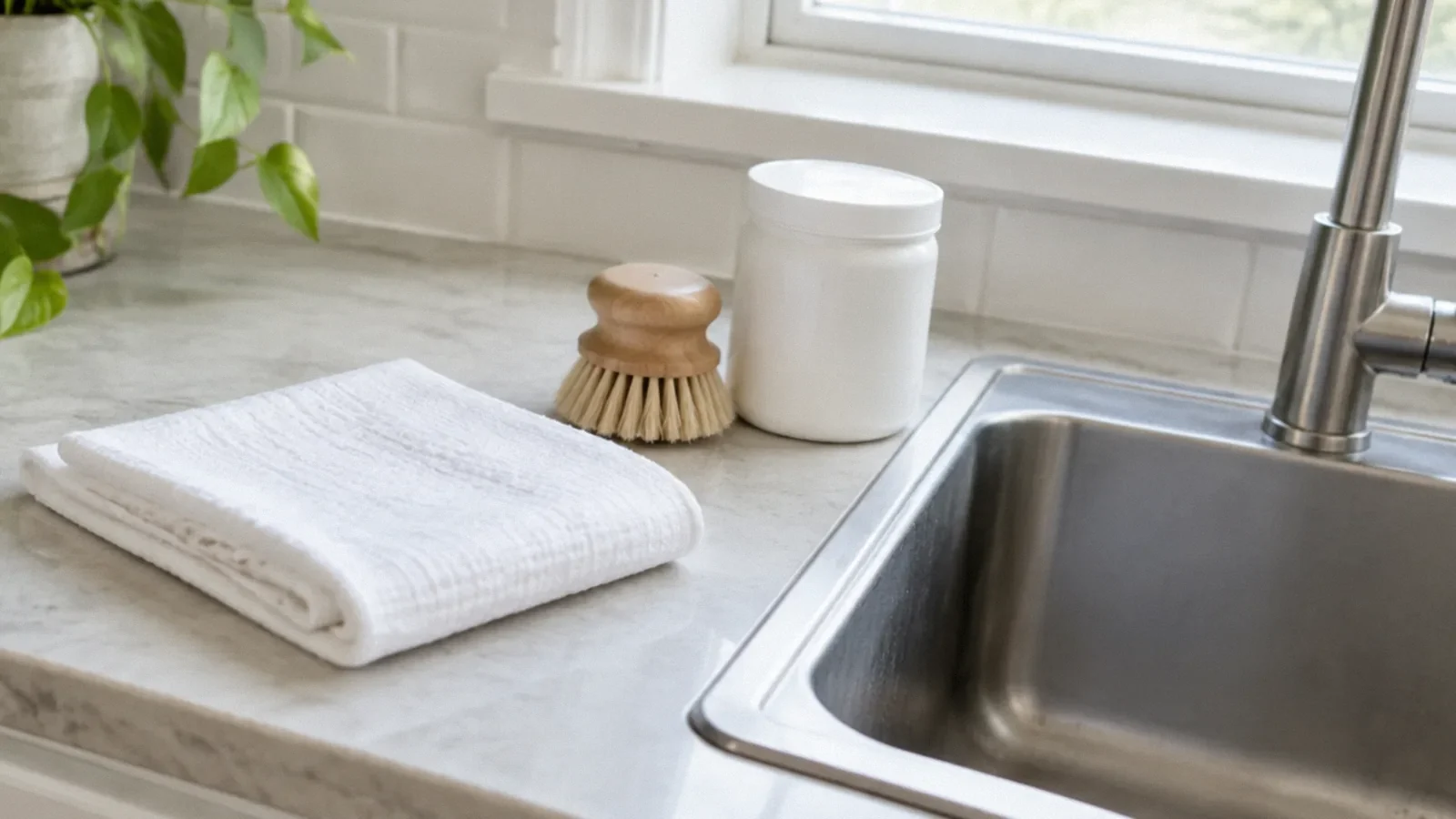
List materials intended for cleaning, removal or further assessment and explain why. Hard surfaces may be cleaned and dried; moldy porous materials may require removal if complete cleaning is not feasible. Avoid a protocol that merely directs workers to spray and cover visible growth. Never mix bleach with ammonia or other cleaning agents.
Address concealed conditions and changes
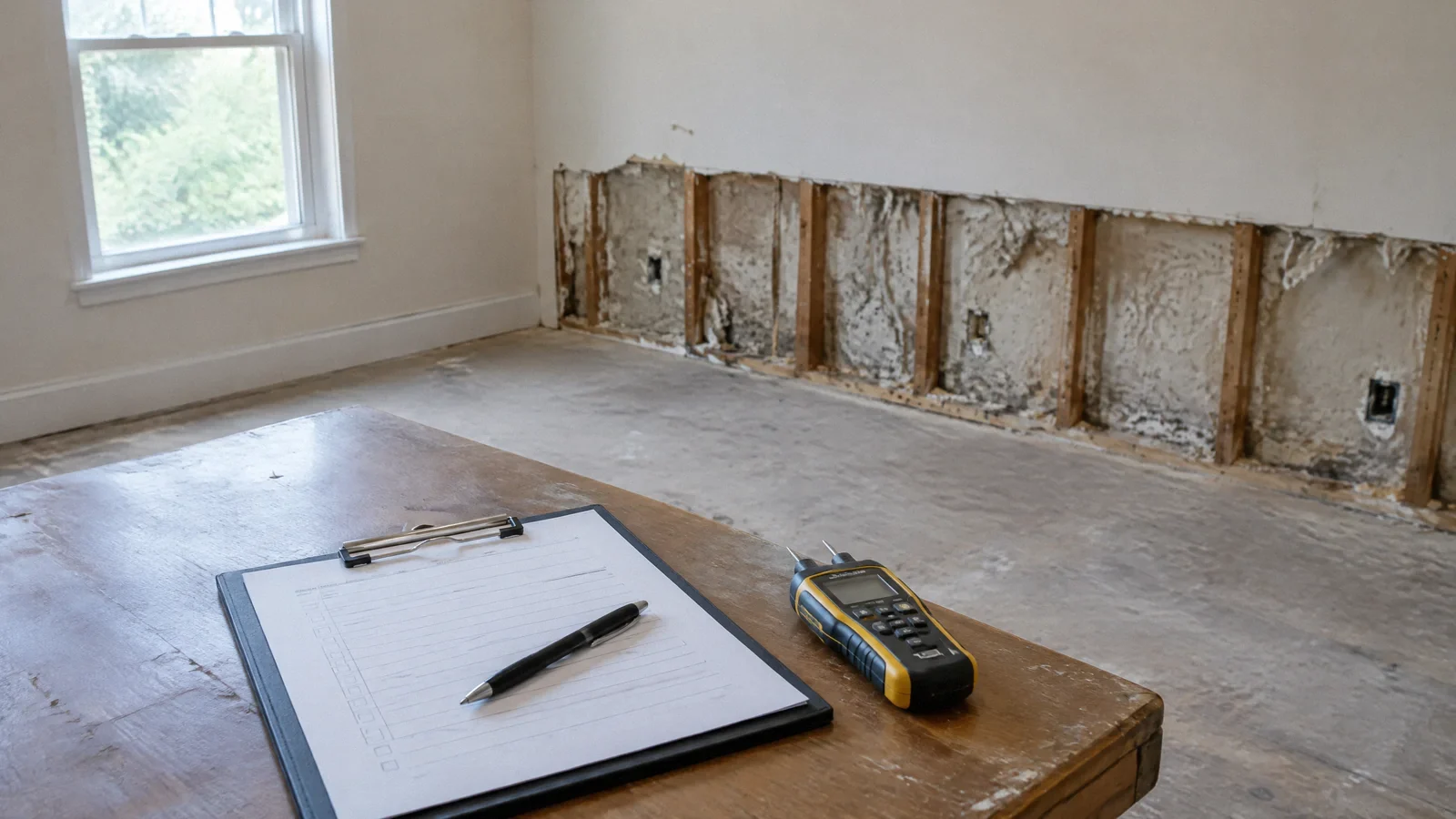
The plan should include a stop-and-reassess point if workers find unexpected wet layers, damaged structure, sewage contamination, suspect asbestos or lead-containing materials, or a larger affected area. Such findings can require different specialists, testing or controls. Occupants should know who authorizes a revised scope and how changes will be documented.
An assessment of the heating and cooling system may be necessary when it is affected; do not run a system suspected of spreading contamination until it has been assessed. Preserve photographs and measurements before materials are covered. The work plan should distinguish moisture repair, remediation and reconstruction so that each can be checked.
Set practical completion criteria
Before rebuilding, confirm that the moisture problem has been corrected, affected materials are dry, visible mold and moldy odors have been addressed, and containment and waste have been managed as planned. Ask the contractor to explain observations and measurements, their limitations, and any unresolved access restrictions. Recheck after a relevant condition such as normal plumbing use or rain.
Air testing is not automatically required to prove a safe building. NIOSH notes that there are no health-based standards for airborne mold levels, and a short sample cannot predict individual health risk. Where a specific verification question or applicable rule calls for testing, the plan should define the purpose and interpretation in advance.
Questions an owner can ask before approving the scope
Who identified the water source, and who is responsible for its repair? What is the estimated boundary of the work area, and what evidence supports it? Which materials are to be cleaned, removed or evaluated after access is opened? The answers should be specific to the building and should identify uncertainty rather than promise that all hidden areas have already been assessed.
How will occupants be separated from the work, and where will contaminated debris leave the building? What protective equipment and containment are proposed for the actual work? Who will document moisture readings and photographs, and what will trigger a pause or a revised scope? These questions make responsibilities clearer before reconstruction begins.
Finally, ask how the team will verify that the moisture source is resolved and that affected materials are dry. A good handover records unresolved limitations as well as completed work. If a specific test is proposed, ask what decision it supports and how the result will be interpreted before paying for it.
Separate cleanup from reconstruction
Identify who signs off each stage and who communicates changes to occupants. Rebuilding over a wet assembly can conceal an unresolved defect. A written record should describe the actual work performed, not just the original estimate, and identify any areas that remained inaccessible or require later monitoring.
Your next-step checklist
- Identify the moisture source and correct it.
- Assess the affected materials and occupants.
- Document repairs and check for recurrence.
Related questions
Can color identify the mold species?
No. Color alone cannot identify a species or establish individual health risk.
Does cleaning replace fixing the moisture source?
No. Correcting moisture is necessary to reduce recurrence.
Sources & context
Public guidance supports the principles in this article. The practical questions and examples are editorial interpretation, not a site assessment or a coverage decision. State-specific rules apply only where identified.
- Mold Cleanup in Your Homeprimary
- Mold Cleanup Guidelinesprimary
- Mold, Testing, and Remediationprimary