A small accessible cleanup may be completed much sooner than a concealed or widespread problem, but there is no reliable universal duration. Inspection, moisture repair, containment, removal, drying and verification each affect the schedule.
What determines the timeline
The time to remediate mold depends on the size and location of the affected area, the source of moisture, the material involved and the access needed. A small patch on a hard, accessible surface may be addressed in a short visit. Growth behind walls, a failed roof, widespread wet insulation or contaminated floodwater can require multiple trades and a substantially longer schedule. An initial visual estimate can change after concealed areas are opened.
Ask for separate dates or ranges for assessment, moisture repair, remediation, drying, verification and reconstruction. A contractor’s active cleanup time is not necessarily the total time until a room is usable or finishes are restored. Request an updated schedule if the scope changes.
As an illustrative planning scenario, an accessible small cleanup might fit into a single workday, while concealed damage involving repairs and drying can take several days or longer. These are examples rather than measured averages or promises; your contractor should explain the assumptions and revise them when conditions become clear. A major rebuild or delay in repairs can extend the overall project further.
Stage one: inspection and a plan
An inspection identifies visible growth, water damage, likely moisture sources and areas that may need further investigation. A professional may use moisture measurements and other tools to assess concealed conditions. Testing is not automatically required whenever mold is visible; ask what a proposed sample will establish and how its result will change the plan.
A written scope should describe affected materials, containment and cleaning methods, how the moisture problem will be corrected, and criteria for completing the work. Scheduling inspection and access can take time, especially after a regional storm. Do not wait for an appointment to report an active leak or immediate safety hazard.
Stage two: stop the water
A plumbing repair, roof repair or correction of condensation may be needed before remediation can be completed. Some work proceeds in parallel, but cleaning alone cannot provide a durable result if moisture continues. The repair may require a separate contractor, permit, suitable weather or a replacement part. Ask who coordinates those dependencies.
EPA recommends drying wet areas and materials within 24 to 48 hours when possible to help prevent mold growth. That is an urgent prevention target, not a promise that a mold remediation job must be finished in that interval or that growth begins at an exact hour.
Stage three: containment and cleanup
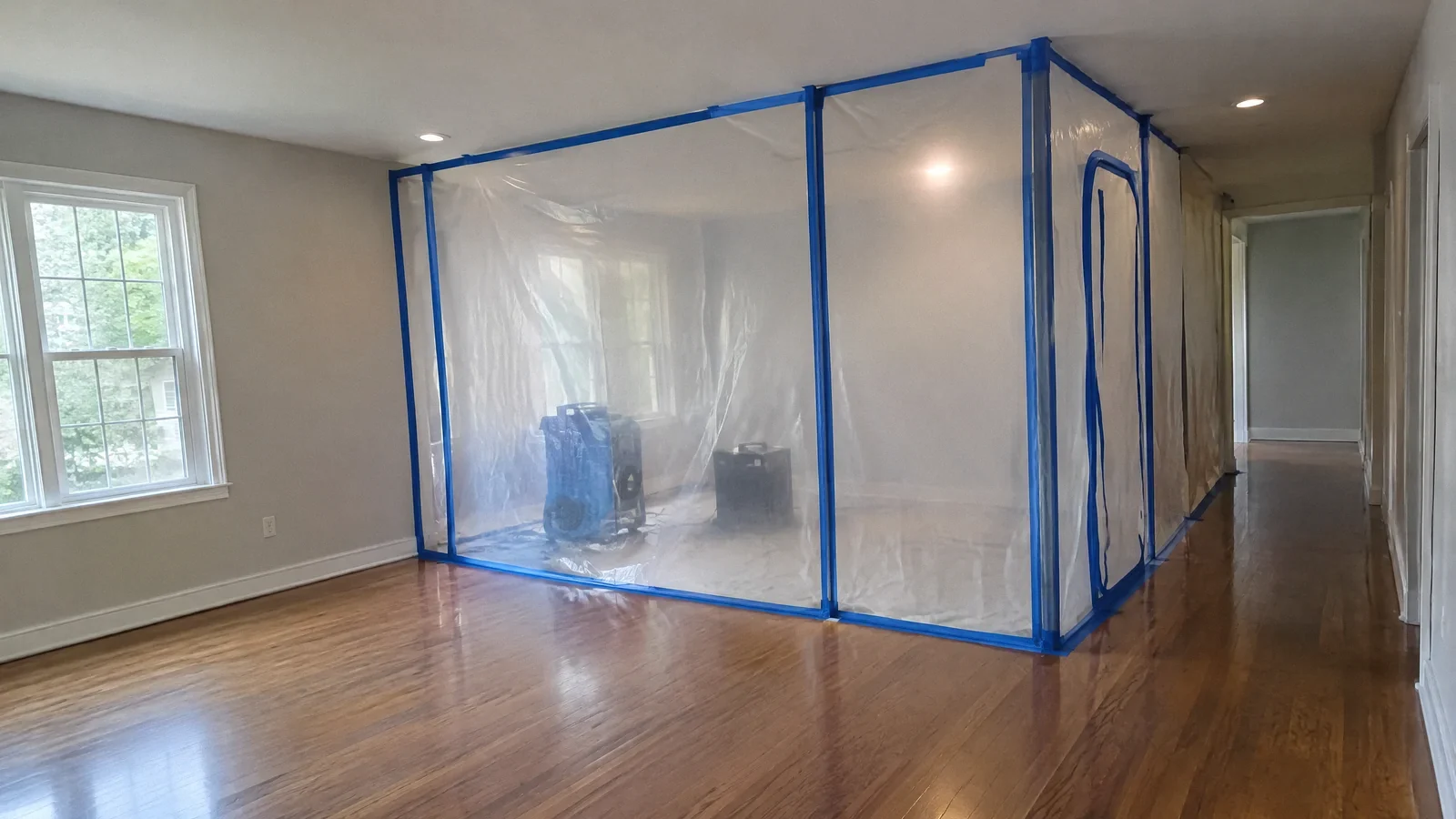
The crew may isolate affected areas to limit the spread of dust and debris. Methods depend on the scope and material. Mold on a hard surface can sometimes be cleaned, while porous mold-damaged material may need removal and disposal. The time required increases when contents must be moved, access is difficult or multiple areas are involved.
Avoid assuming that spraying a chemical completes the job. EPA emphasizes removing mold and correcting moisture; dead mold can still be allergenic. The contractor should explain what is cleaned, what is removed and how surrounding areas are protected. Contaminated water and extensive damage call for specialized assessment.
Stage four: drying and verification
Drying time varies with the material, its thickness, how wet it became, ventilation and the equipment used. A dry-looking surface does not establish that concealed material is dry. Ask how the contractor measures progress, what reference or target is used and how often readings will be recorded. Do not cover damp framing or rebuild simply because a calendar deadline has arrived.
Before containment is removed or repairs begin, confirm that the moisture source is corrected and the agreed cleanup is complete. EPA advises checking for visible growth, mold-damaged material and musty odors, and revisiting for signs of recurrence. Whether independent inspection or sampling is appropriate depends on the scope, local rules and contract.
When can you return or rebuild?
Occupancy decisions depend on the location of work, containment, hazards, household needs and professional advice. A contractor should explain which areas are off limits and when they can be used. People with health concerns should consult their healthcare professional rather than relying on a generic number of days. Do not enter a work area or handle contaminated debris to speed the job.
Reconstruction may involve new drywall, flooring, paint or cabinetry after cleanup and drying. It may be performed by a different company. Obtain a separate schedule and ensure it follows the remediation completion criteria. Waiting for materials, inspections or insurance decisions can extend the overall project.
Questions that make an estimate useful
Ask whether the quoted duration includes drying and verification, what hidden conditions could extend it, who fixes the water source and how changes will be approved. Request daily or milestone updates for a larger job. A short schedule without defined scope is less useful than a conditional estimate with clear assumptions.
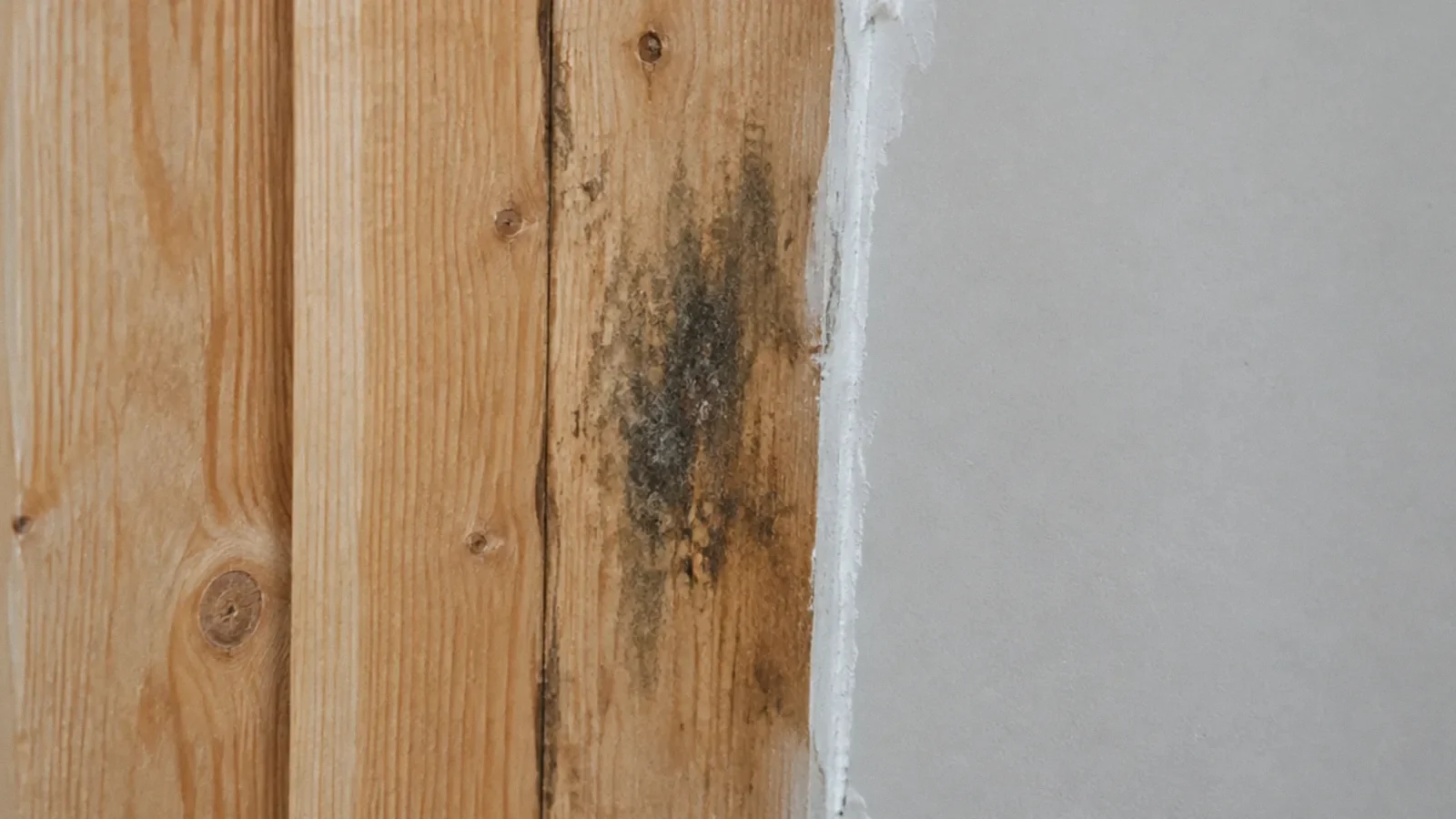
Dark-colored growth does not create a separate predictable clock. Color cannot identify the species or establish the extent of damage. Whether the search is for black mold removal, cleaning or remediation, the schedule must follow actual conditions and safe completion rather than a label.
Your next-step checklist
- Identify the situation and document relevant conditions.
- Address the underlying cause before repairing or replacing affected materials.
- Use qualified help when hazards or the scope exceed your abilities.
- Keep inspection, repair and follow-up records.
Related questions
Can mold remediation be completed in one day?
A small accessible problem may be addressed in one visit, but inspection, moisture repair, drying and verification can extend the total timeline.
Does black mold always take longer?
Color alone does not identify the mold or determine the scope. Size, location, moisture and affected materials drive the schedule.
Sources & context
Public guidance supports the principles in this article. The practical questions and examples are editorial interpretation, not a site assessment or a coverage decision. State-specific rules apply only where identified.
- EPA mold remediation checklistprimary
- EPA mold course: completionprimary
- EPA guide to moldprimary