Do not paint over mold. EPA advises cleaning up the mold and drying the surface before painting; paint applied over mold is likely to peel. Bubbling, stains or a musty odor can suggest a moisture problem, but no visual sign proves mold is underneath paint. Find and correct the water source and assess affected materials first.
What might indicate a problem under paint?
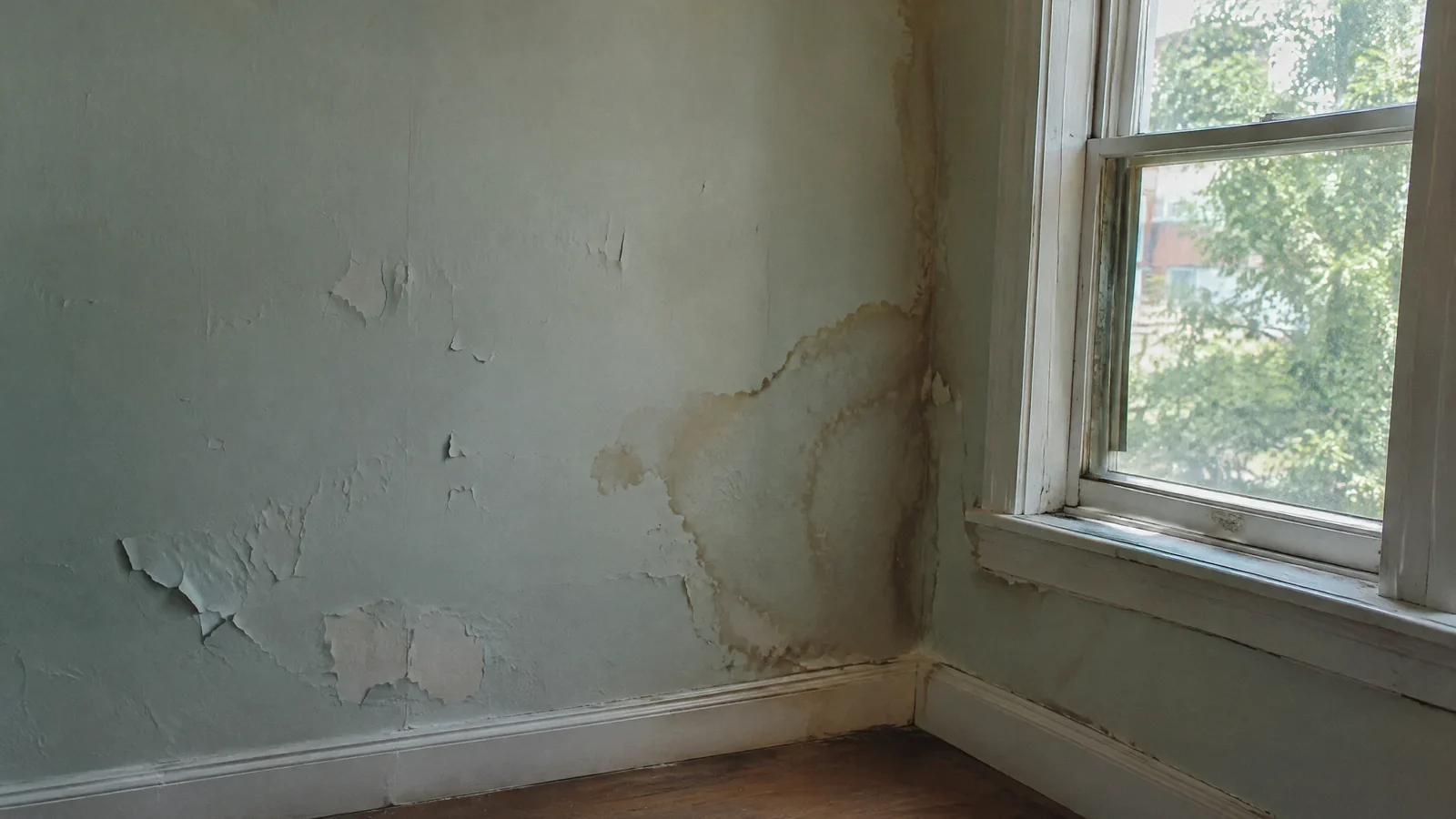
Paint can conceal what is happening on or behind a wall. Blistering, peeling, discoloration, recurring stains or a musty odor are reasons to investigate moisture, but none proves that mold is present beneath the coating. Paint can fail for other reasons, including poor preparation, incompatible coatings, condensation or a leak. A freshly painted wall is not proof that the underlying material was cleaned or dried.
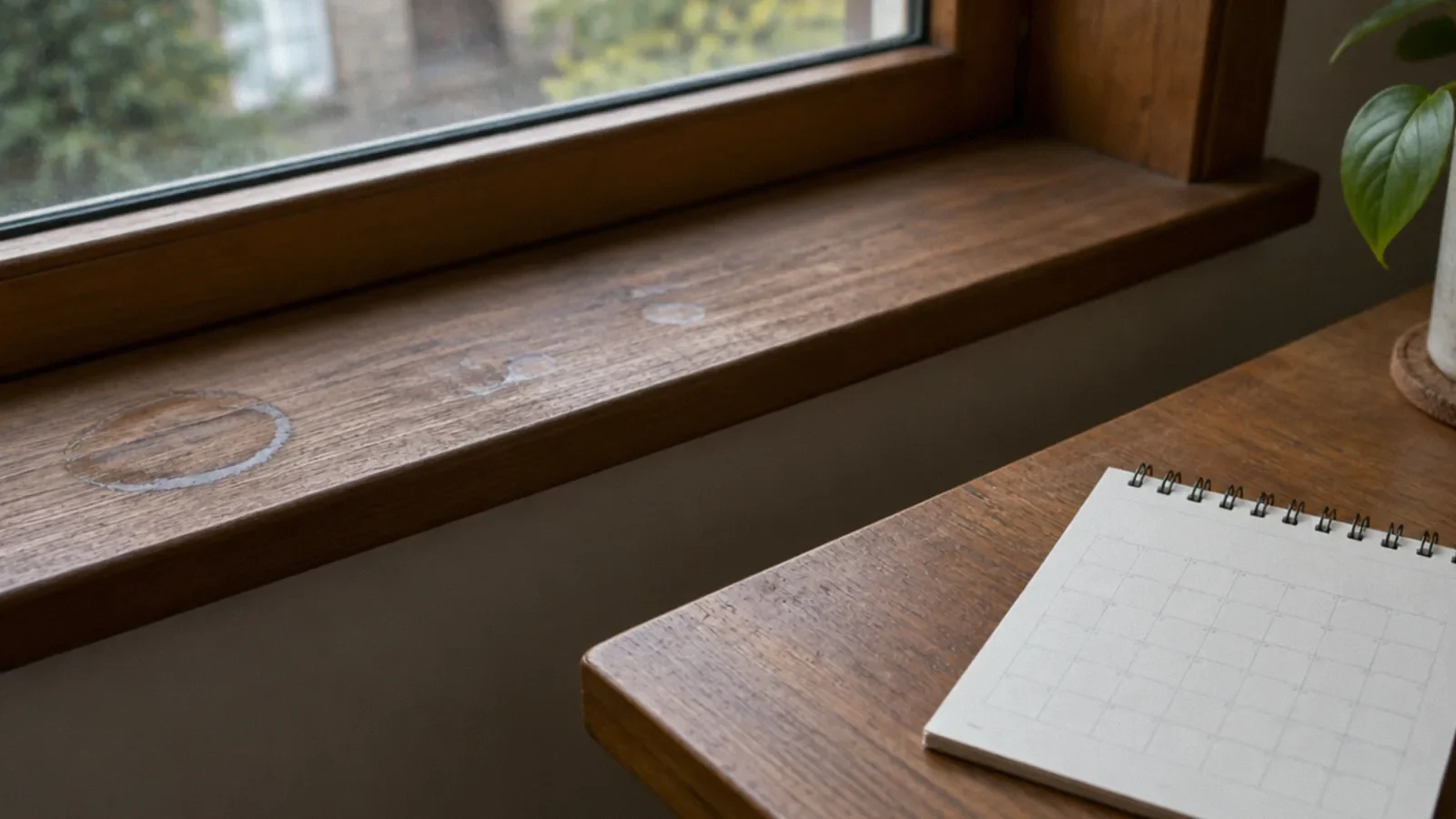
Look for a pattern without disturbing the wall. Is the mark near a window, roof line, plumbing fixture or exterior wall? Does it change after rain or when a bathroom is used? Record the location and take dated photographs. If the wall is soft, swollen or actively leaking, arrange an assessment promptly. Do not rely on the color of a mark to identify a species or determine whether someone has been exposed.
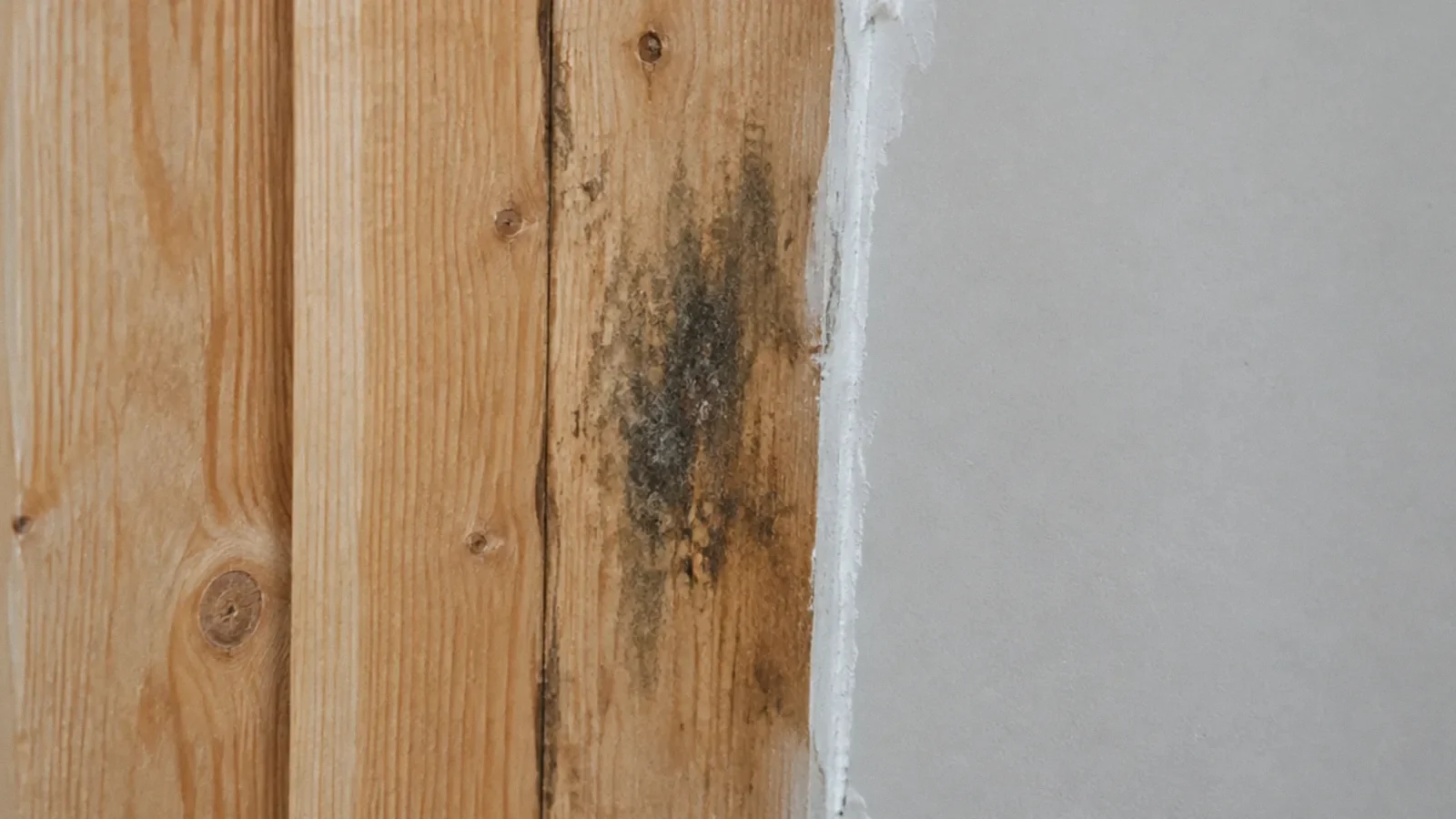
Hidden growth can occur behind finishes when building materials stay wet. An experienced professional may need to examine concealed areas if the water path or extent cannot otherwise be established. Opening a wall can disturb mold and other materials, so the work should be planned with appropriate containment and protection.
Why covering mold with paint does not solve it
Paint can change the appearance of a surface, but it does not remove the growth or fix the moisture source. EPA specifically advises against painting or caulking moldy surfaces and says paint applied over them is likely to peel. If water continues entering the assembly, the problem can recur or continue out of sight. A coating advertised as mold-resistant is not a substitute for cleaning and drying an affected surface.
The order matters: identify and repair the water source, evaluate the affected materials, remove or clean mold as appropriate, dry the assembly, and then prepare and refinish the surface. Depending on the extent and material, a professional may recommend removing damaged porous material rather than trying to clean it in place. Follow the product manufacturer’s instructions for the finish only after the underlying problem is addressed.
A stain that remains after proper cleaning is not necessarily active growth, and an attractive finish does not verify that remediation succeeded. Ask what was found, what materials were removed or retained, and how drying was checked. Keep photographs and the contractor’s written records.
What to do if you suspect mold was painted over
Start with the moisture source. An active roof or plumbing leak needs repair; a cold surface with recurring condensation may require a different investigation. If water is near electrical equipment, stay clear and seek qualified help. Do not poke a swollen ceiling or open a wet wall merely to obtain a better look.
Contact the property manager if you rent, and describe the visible condition, odor, timing and any known leak. Request a written plan for investigation and repair. Homeowners can ask a qualified inspector or remediation professional how the affected area will be assessed, whether surrounding rooms or the ventilation system may be involved, and how occupants will be protected during work.
Do not assume a negative surface test or a paint sample can establish that all concealed material is dry and sound. Testing decisions depend on the question being answered; visible mold and a known moisture problem generally require correction regardless of the color or species. EPA states that sampling is often unnecessary when visible mold is present.
Cleanup depends on the material and extent
A small area of mold on an intact hard surface can often be cleaned with detergent and water and dried thoroughly. EPA’s household guidance describes protective equipment and notes that many areas under about 10 square feet can be handled by the homeowner. Size is not the only factor: extensive water damage, sewage, hidden growth, a contaminated HVAC system or health concerns call for a more cautious professional assessment.
Drywall, ceiling tiles and other porous materials can be difficult or impossible to clean completely if mold has penetrated them. The appropriate decision depends on their condition, contamination and access. Ask the contractor to distinguish material removal from the repair of the water source; both may be necessary. Bleach is not recommended by EPA as a routine approach, and chemicals should never be mixed.
Before disturbing painted finishes, consider the age of the building. EPA advises assuming paint in homes built before 1978 contains lead unless an inspection establishes otherwise. Do not disturb suspected asbestos. A qualified professional can plan the work and protections needed for those hazards as well as mold.
When the surface is ready for paint
Refinish only after the source of moisture has been corrected, affected material has been appropriately cleaned or replaced, and the assembly is dry. The professional should explain how dryness and cleanliness were established, including any areas that could not be inspected. Follow the paint manufacturer’s surface preparation and drying instructions. A primer or finish may help the appearance of a repaired surface, but it should not conceal an unresolved moisture problem.
Watch the repaired area over time, especially after rain, bathing or other conditions associated with the original problem. A returning stain, odor or soft spot deserves renewed investigation. Keep a record of repairs and any recurrence so the person assessing it can compare locations and timing.
Your next-step checklist
- Document stains, peeling, odor and the conditions in which they recur.
- Find and repair the source of water or condensation.
- Assess hidden or porous materials before refinishing.
- Consider lead and asbestos precautions before disturbing older finishes.
- Paint only after cleanup and drying are complete.
Related questions
Can bubbling paint prove mold is underneath?
No. Bubbling can indicate moisture or another coating problem. Investigation is needed to identify the cause.
Will mold-resistant paint remove existing mold?
No. Existing growth and the moisture source must be addressed before the surface is painted.
Can mold under paint be identified by color?
No. A visible mark or color cannot identify a species or establish an individual health risk.
Sources & context
Public guidance supports the principles in this article. The practical questions and examples are editorial interpretation, not a site assessment or a coverage decision. State-specific rules apply only where identified.