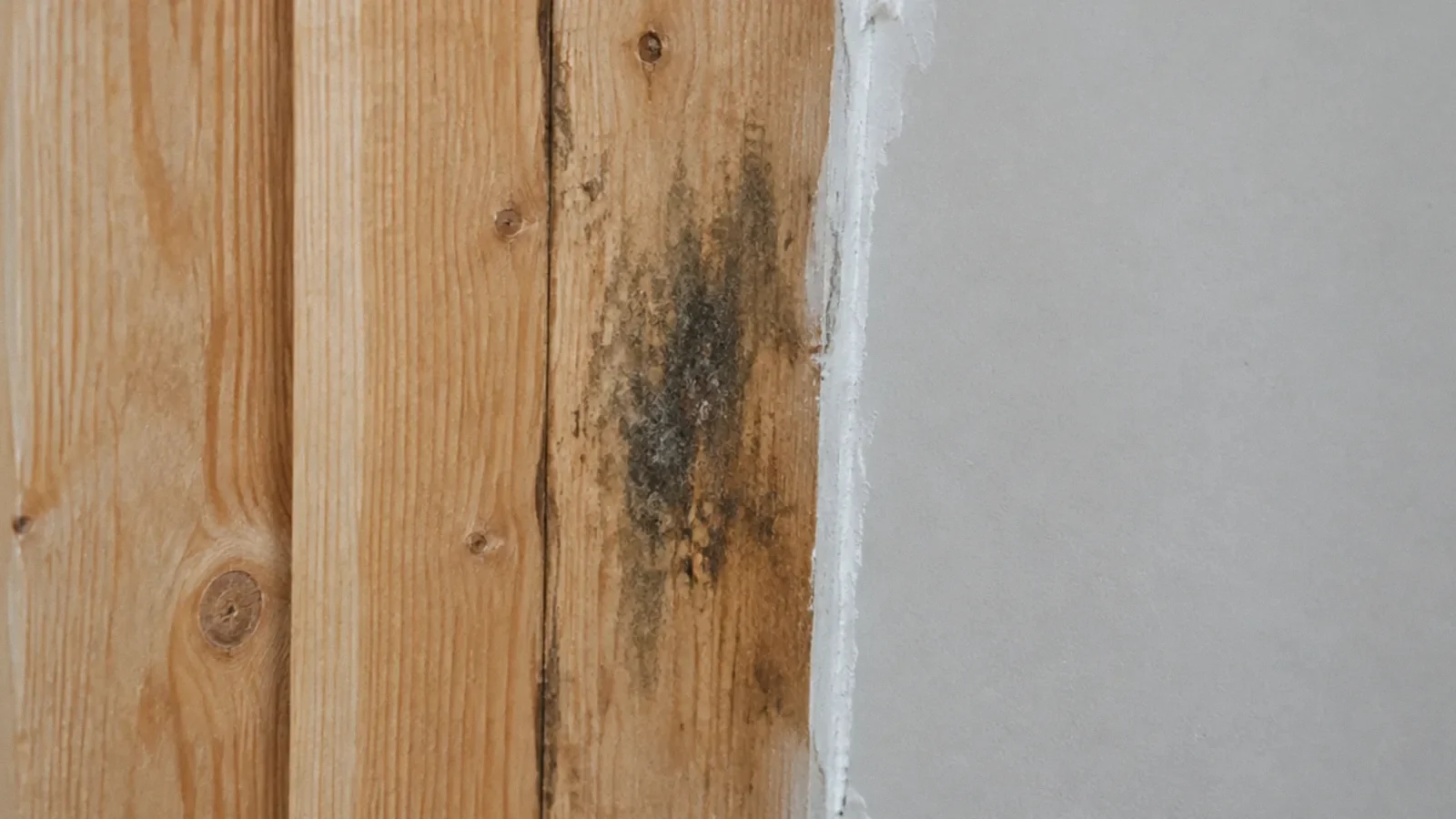
Sometimes, but there is no universal rule. The extent and location of the work, containment, ventilation, access to essential rooms and the needs of occupants all matter. Ask the remediation contractor for a written occupancy and protection plan, and consult a health professional about individual health concerns. Relocate when safe separation or essential services cannot be maintained.
The decision depends on the work and the household
A small, contained project in a room that can be closed off presents different practical questions from removal of extensive wet material throughout a home. There is no reliable answer based only on the word mold or on a photograph. Ask the contractor to identify the affected areas, the expected work, how long it will take and whether occupants can be separated from dust and disturbed material. A plan may change if demolition reveals a larger problem.
Consider everyone who uses the home, including children, older adults, people with asthma or other respiratory conditions, people with weakened immune systems, and pets. Sensitivity and medical circumstances differ. EPA advises consulting a health professional about health concerns; the contractor cannot determine an individual’s medical risk from the appearance of the affected room.
A household may be able to stay only if safe access to sleeping space, a bathroom, cooking facilities and exits remains available. If the only bathroom, kitchen or bedroom is inside the work area, or if utilities must be shut off for a prolonged period, a temporary move may be necessary even when the physical work area is small.
Ask how containment and ventilation will work
Before work starts, ask what barriers will separate the affected area, how workers will enter and leave it, and how dust and debris will be controlled. For larger projects, the contractor may propose containment and filtered air equipment. The appropriate approach depends on the extent of contamination and the material disturbed. A closed interior door by itself is not evidence that a work area is adequately contained.
Discuss the heating and cooling system. If the system is known or suspected to be contaminated, EPA advises not running it because it could spread mold through the building. The contractor should explain whether the system serves the work area and occupied rooms, what will be isolated, and who will evaluate it. Do not independently change system settings in a way that conflicts with the work plan.
Ask what happens if a barrier fails, odors or dust enter an occupied room, or work reveals a larger affected area. Agree on who will stop work, communicate the change and revise the occupancy decision. If effective separation cannot be maintained, plan to leave until the contractor has corrected the situation and the area is suitable for reentry.
When temporary relocation may make sense
Consider a move if the affected area is extensive, work affects several rooms, the air system is involved, the source is contaminated water, or essential services and exits cannot remain available. Relocation may also be appropriate when an occupant’s health professional recommends avoiding exposure, or when a contractor cannot explain how occupants will be protected. These are decision factors rather than a fixed rule that every mold project requires a hotel.
Ask for the expected start and completion dates, daily work hours, access restrictions, and a contact for changes. If you rent, discuss arrangements with the property manager and document the agreement. If you have insurance, ask your insurer what your policy may cover before assuming temporary living costs will be reimbursed. Coverage depends on the policy and circumstances.
Plan medication, pets, mobility needs, school or work arrangements and access to belongings before the work begins. Remove needed items only when the contractor confirms they can be taken without spreading contamination. Do not enter the containment area to retrieve an item while work is underway.
What to ask before returning or reopening a room
Ask whether the water source has been corrected, affected materials cleaned or removed, and wet materials dried. EPA notes that remediation is not finished until the moisture problem is fixed and visible mold and moldy odors are absent. A qualified professional should explain how the completed work was evaluated and whether any inaccessible areas remain. A calendar date alone does not establish that a space is ready.
Discuss cleanup of dust and equipment, removal of containment, and whether the ventilation system can be used. Sampling is not always necessary; if testing is proposed, ask who will perform it, what question it will answer and how results will be interpreted. A test result does not replace correction of the moisture source or inspection of the work.
If symptoms or concerns persist after the work, speak with a health professional and tell the contractor or property manager about any continuing moisture, odor or visible damage. Avoid treating a single symptom or a smell as proof of a particular species or diagnosis.
Keep a written record
Keep dated photographs, the scope of work, communications and repair records. The scope should identify what is included and what happens if concealed damage expands the job. Ask who is responsible for repairing the original leak, drying the structure, replacing finishes and checking the completed work; these tasks may involve different providers.
After returning, monitor the repaired area for recurrence, especially during the weather or plumbing use associated with the original moisture. If staining or dampness returns, report it promptly. Repainting or deodorizing a recurring problem without finding its cause can delay a lasting repair.
Your next-step checklist
- Ask for a written work, containment and occupancy plan.
- Check access to sleeping space, bathroom, kitchen and exits.
- Discuss individual health needs with a health professional.
- Arrange temporary accommodation if protection or essential services cannot be maintained.
- Confirm moisture correction and completed cleanup before reentry.
Related questions
Does every mold cleanup require moving out?
No. The decision depends on the work, containment, essential services and the needs of occupants.
Can I stay if the work is in another room?
Possibly, if effective separation and essential services can be maintained. Ask the contractor for a specific plan and discuss health concerns with a health professional.
Does a completed schedule mean it is safe to return?
Not by itself. Ask whether the moisture problem, cleanup, drying and assessment have been completed and whether any limitations remain.
Sources & context
Public guidance supports the principles in this article. The practical questions and examples are editorial interpretation, not a site assessment or a coverage decision. State-specific rules apply only where identified.
- EPA mold remediation guideprimary
- EPA brief guide to moldprimary
- EPA mold cleanup at homeprimary