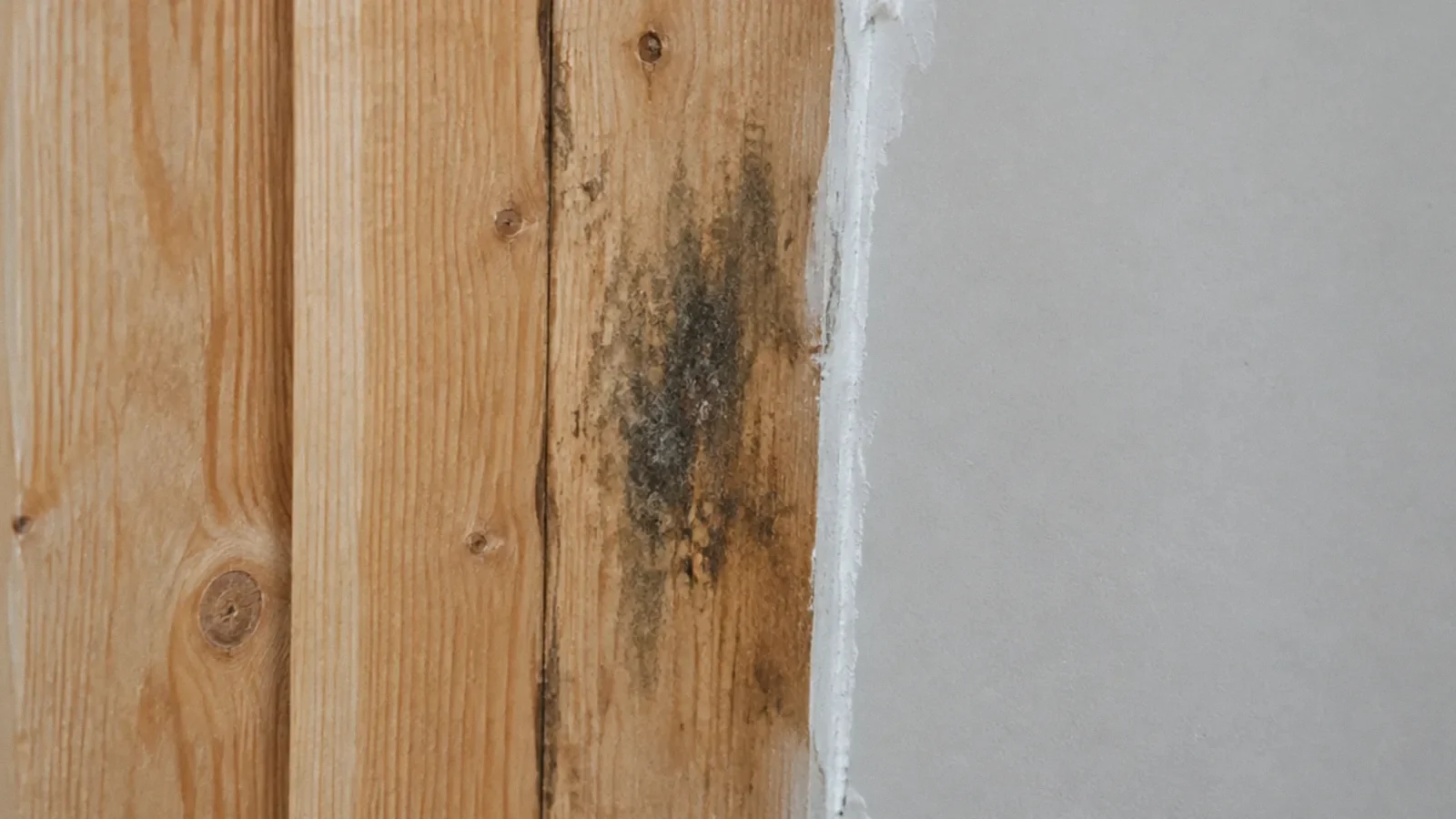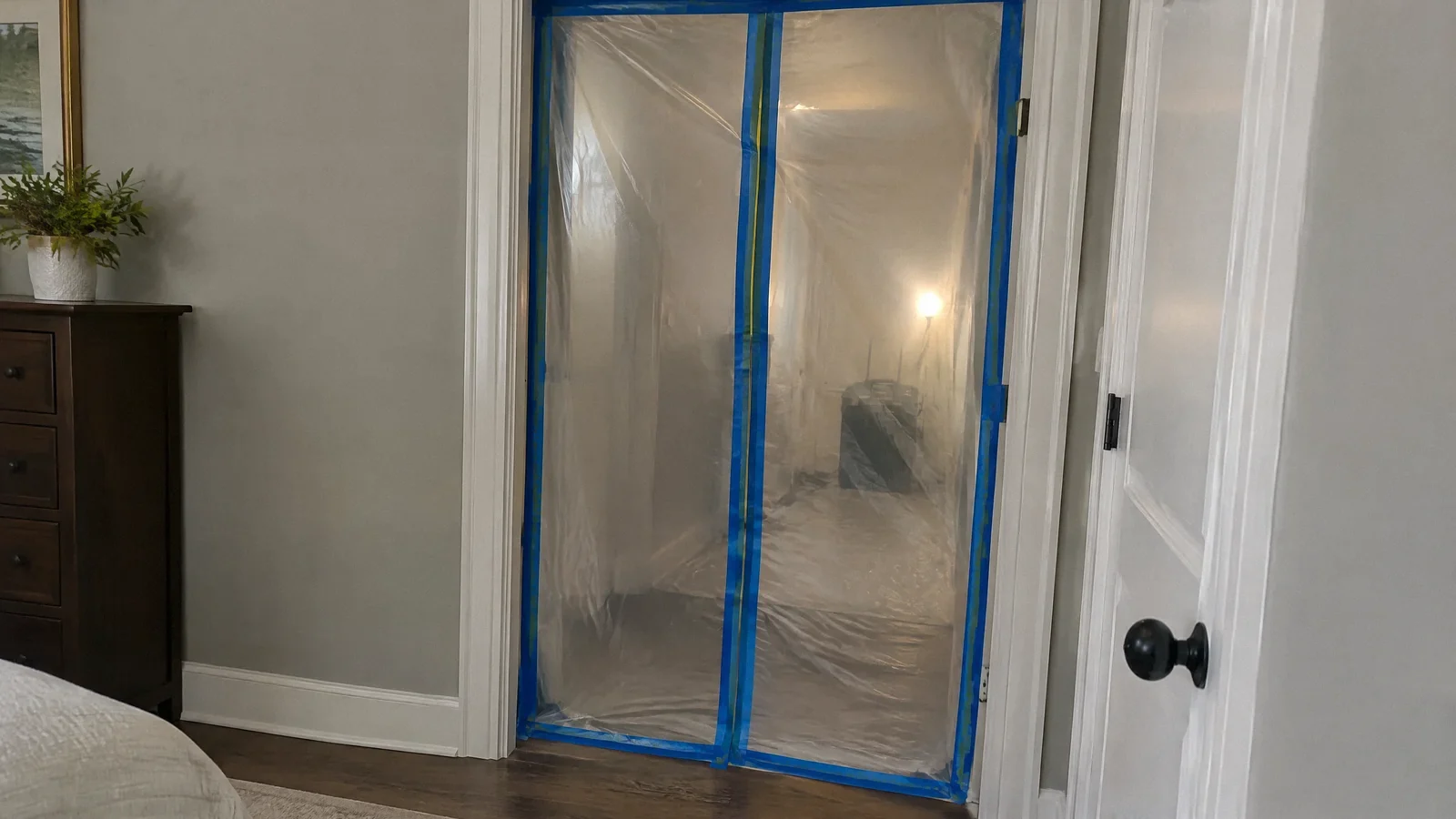
“Level 3” is not a universal legal or health classification. Some guidance uses levels or area bands to select controls, but definitions differ. Ask which guideline the contractor follows, how the affected area was assessed, and what containment and cleanup are appropriate for the actual conditions.
Ask which classification is being used
A proposal may use “level 3” to describe a substantial area of mold contamination or a particular cleanup procedure. The label alone does not establish the number of square feet, the species present, a health diagnosis, or the necessary controls. Different documents use different categories and may revise their recommendations over time. Request the name and edition of the guideline, the measured affected area, and the assumptions behind the classification.
For example, an EPA worker guide describes large areas as 30 to 100 square feet and extensive contamination as greater than 100 square feet. EPA’s school and commercial building guide uses a different grouping: medium areas of 10 to 100 square feet and large areas over 100 square feet, with professional judgment for exposure and other conditions. These ranges are planning aids, not proof of a precise health threshold or an automatic translation of a contractor’s “level 3.”
How the scope is assessed
A proper assessment considers visible growth, the water source, affected materials, odors, the possibility of hidden growth, and whether water has reached adjacent rooms or ventilation equipment. The measured visible area can underestimate damage behind wallboard, flooring, or insulation. A contractor should state what was inspected and what remains inaccessible. Opening a small inspection area may change the scope, but destructive investigation should be planned and authorized.
The source of water matters as much as size. Sewage or other contaminated water requires a contractor experienced in that type of cleanup. If a heating or cooling system is suspected of contamination, EPA advises against running it because it could spread mold. Structural damage, the vulnerability of occupants, and the amount of dust generated also affect the plan.
What a written plan should address
Request a plan explaining how the moisture source will be stopped, what materials will be cleaned or removed, and how the work area will be isolated. The plan should describe access, protection of adjacent areas, waste handling, equipment, and who is responsible for drying and repair. Ask how the plan will change if additional growth appears after work begins.
Containment can range from limited barriers to a more comprehensive enclosure with filtered exhaust, depending on the project. EPA notes that professional judgment and the potential for spread matter in selecting containment; an area measurement is not the only factor. Ask the contractor to explain why the chosen approach fits your building rather than accepting a level number as the entire explanation.
Occupants and worker protection
Discuss whether the work area and adjacent spaces must be unoccupied, how occupants will enter and leave, and whether temporary relocation is appropriate. The EPA worker guide recommends that the work area and directly adjacent areas be unoccupied for its 30–100 square foot category. A specific project may warrant a different arrangement based on exposure and the remediation plan.
Workers need protection suited to the hazards and the work, including respiratory and eye protection and gloves where appropriate. CDC advises people with mold allergies, asthma, immune suppression, or chronic lung disease not to participate in mold cleanup. An occupant with health concerns should consult a health professional. A respirator alone does not replace containment or safe work practices.
Cleaning is not simply killing mold
The goal is to remove mold and contaminated material and correct moisture. Mold on nonporous hard surfaces may be cleaned and dried; porous materials that cannot be adequately cleaned may require removal. Do not paint over growth. Biocide or fogging claims do not replace source repair and physical removal, and no service can promise that all spores will disappear from indoor air.
A proposal should distinguish remediation from reconstruction. Replacing wallboard before the assembly has dried or before the water source is fixed risks concealing the same problem. Ask who will perform plumbing, roofing, or envelope repair, and how drying and restoration will be coordinated.
Completion and records
EPA says the moisture problem should be corrected and visible mold and moldy odors should be absent after remediation. Ask for documentation of areas opened, materials removed, cleaning, drying observations, and any unresolved access limitations. The contractor should explain how the decision to rebuild will be made and what follow-up is appropriate if moisture returns.
Testing is not automatically necessary merely because a proposal uses a level. If testing is proposed, ask its purpose, who selects sampling locations, and how results will inform a decision. EPA states that there are no federal mold-spore limits for determining compliance. Keep the assessment, work plan, change orders, photographs, and invoices, and compare the outcome with the agreed scope.
Your next-step checklist
- Ask for the specific guideline and edition behind the level.
- Confirm the measured area, water source, and inspection limits.
- Review containment, occupant arrangements, and worker protection.
- Separate remediation, source repair, and reconstruction in the scope.
- Verify cleanup and dryness before finishes are restored.
Related questions
Does level 3 mean a specific dangerous mold species?
No. A remediation level describes a classification or control approach under a particular guideline; it does not identify a species or diagnose a health effect.
Is level 3 always exactly 30 to 100 square feet?
No. Some guidance uses that area band, but terminology and groupings differ. Ask which document and edition the contractor is using.
Can a spray replace removal of damaged materials?
A spray alone does not fix moisture or remove contamination from affected materials. The plan should specify cleaning or removal appropriate to each material.
Sources & context
Public guidance supports the principles in this article. The practical questions and examples are editorial interpretation, not a site assessment or a coverage decision. State-specific rules apply only where identified.
- Mold Worker and Employer Guidegovernment
- Mold Remediation Guide: Chapter 5government
- Mold Cleanup Guidelinesgovernment