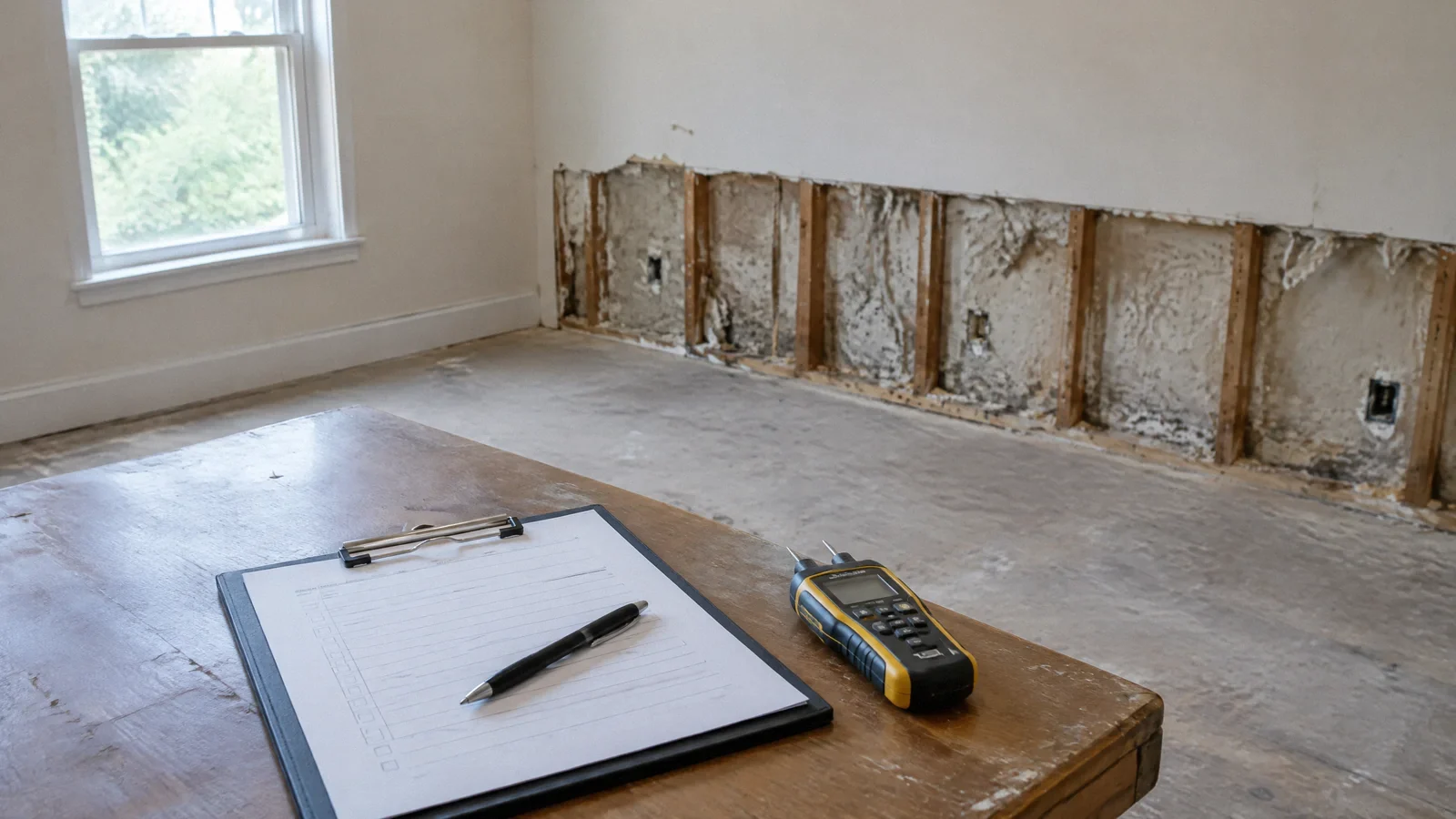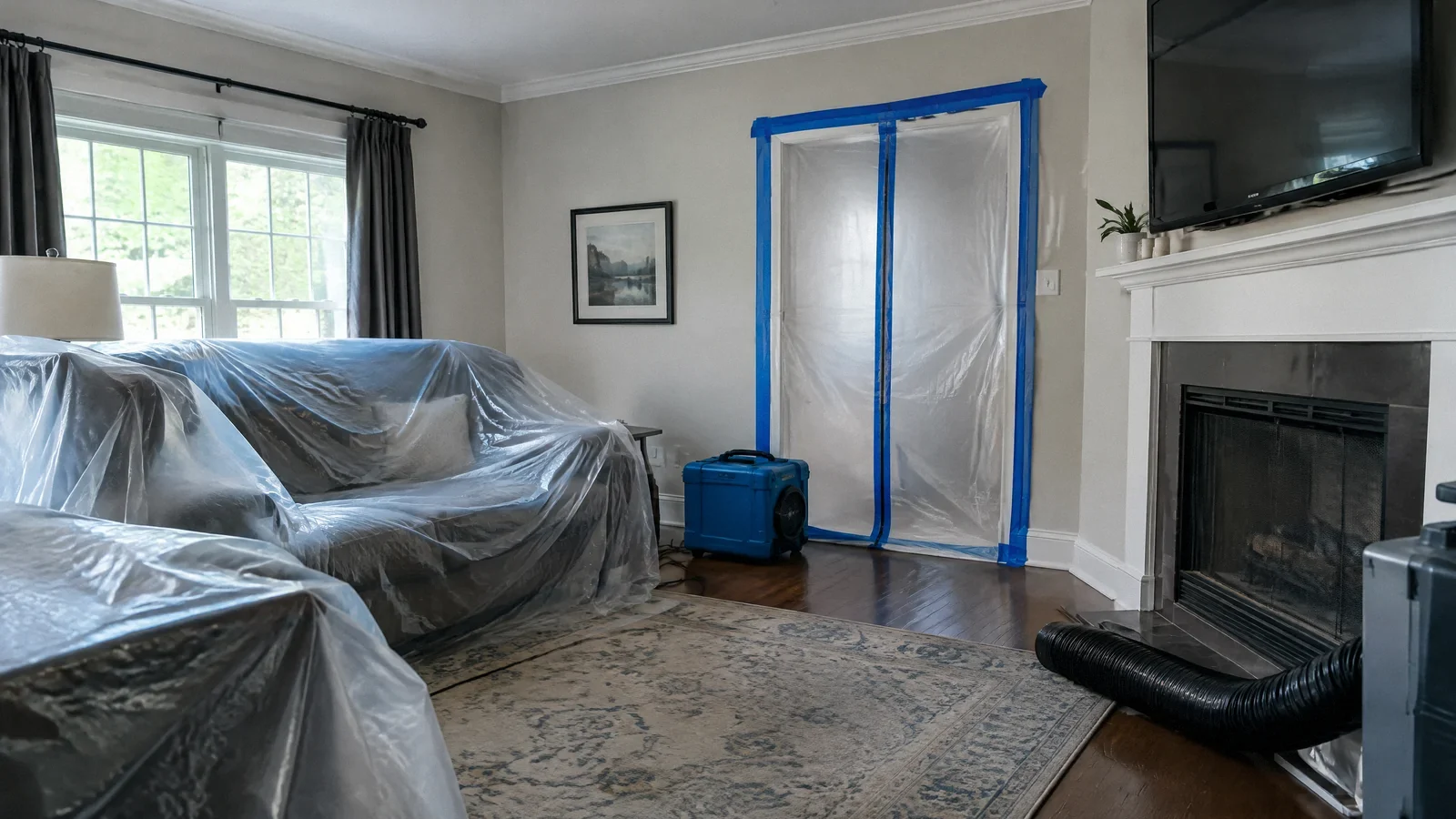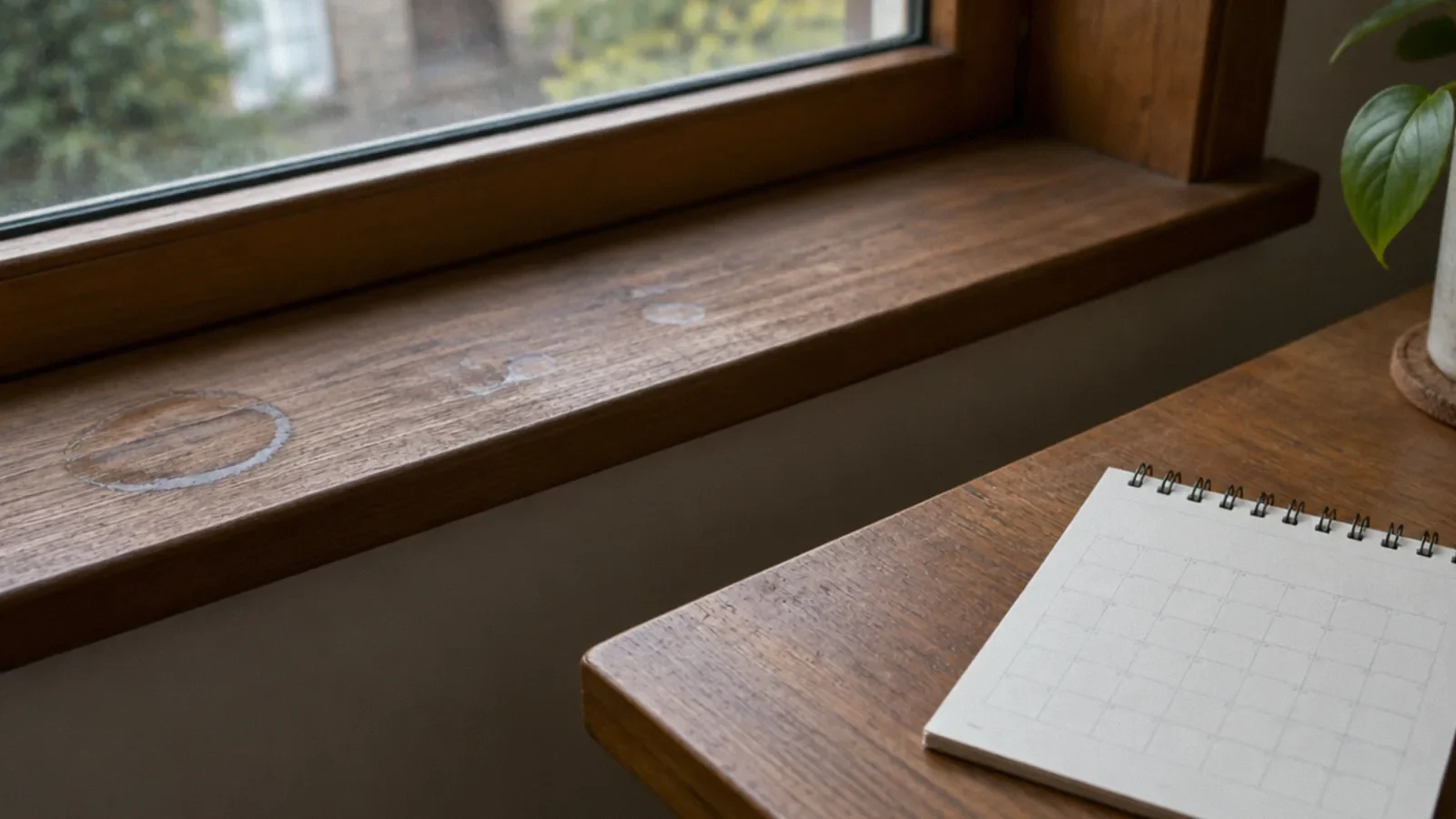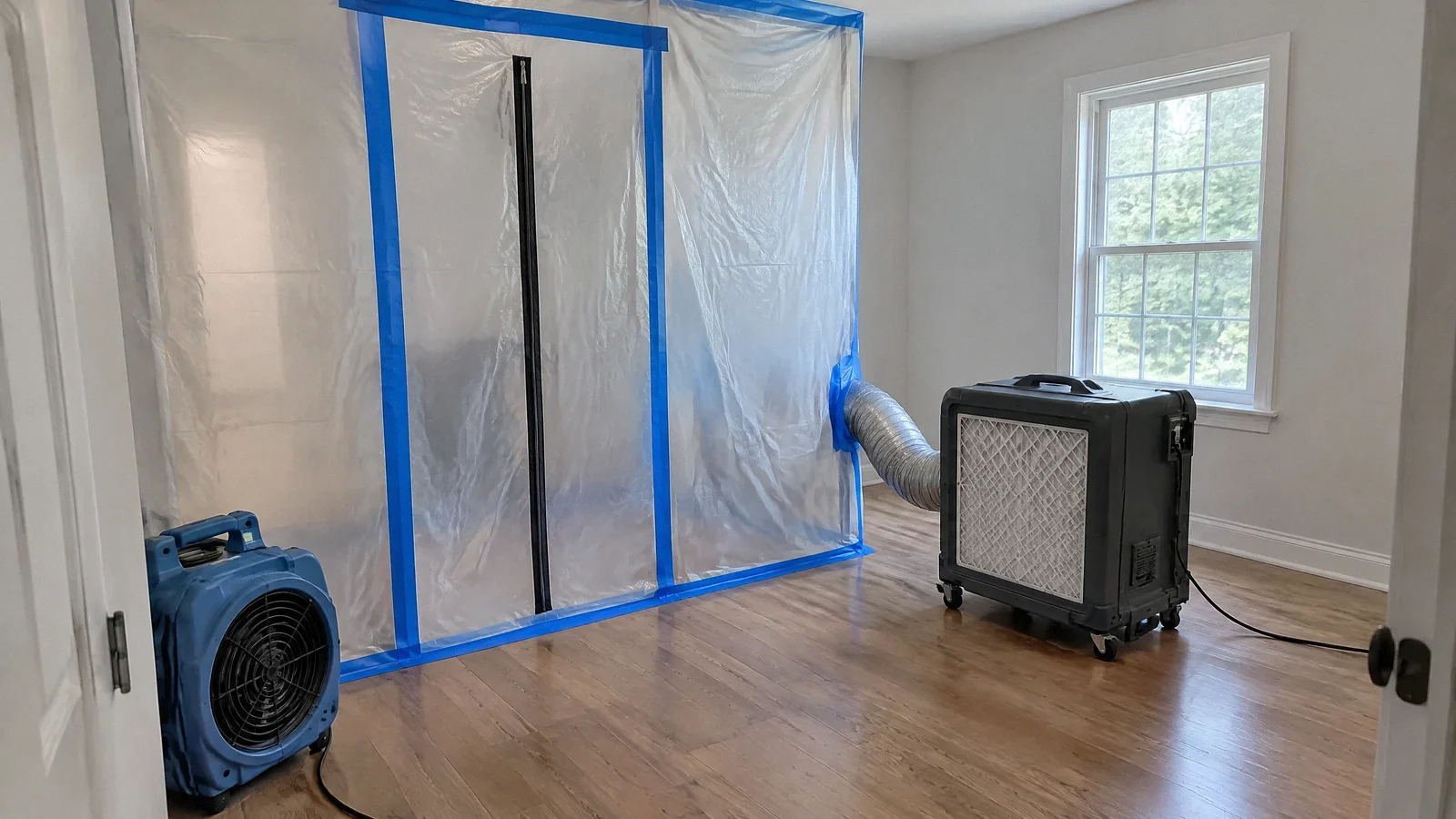
Professionals select tools for the site, often including moisture meters, containment barriers, protective equipment, HEPA-filtered equipment, detergent and removal supplies. Effective remediation removes contamination and corrects moisture; simply killing or covering mold is not enough.
Removal and moisture control come first
There is no single chemical that completes mold remediation. Professionals first identify the affected materials and the moisture problem, then select a plan to contain, remove and clean contamination and dry the area. The EPA emphasizes that mold must be removed, not merely killed: dead mold can still be allergenic. A treatment that changes the color of a stain does not establish that the underlying growth or moisture has been addressed.
The equipment and degree of containment depend on the size and location of the contamination, the materials involved, the amount of dust expected and occupants’ circumstances. A small accessible patch on a hard surface and extensive growth behind wet wallboard are different jobs. Ask the contractor for a written scope that explains the proposed methods and limitations.
Inspection and moisture measurement
A professional may use moisture meters, humidity and temperature instruments, a flashlight and visual inspection to locate wet materials and follow drying progress. A meter reading is a tool for comparison and interpretation, not a standalone diagnosis of mold. Hidden cavities, inaccessible areas and different material types can make evaluation more complex. The contractor should explain what was inspected and what could not be reached without opening the building.
The moisture source might be a plumbing leak, roof intrusion, condensation or another problem. Remediation must be coordinated with a repair of that source. Drying equipment cannot permanently solve an active leak, and a repaired leak does not automatically remove mold that has already developed.
Containment and air filtration
For work that can disturb contamination, professionals may isolate the work area with polyethylene sheeting, sealed openings and controlled access. Depending on the scope, they may use exhaust equipment with high-efficiency particulate air (HEPA) filtration and maintain a pressure difference to reduce movement of contaminated air into clean areas. The EPA worker guide describes more extensive controls for large or dust-generating work. The plan should match the job; a plastic barrier alone does not guarantee containment.
Workers may use respirators, gloves, eye protection and protective clothing selected for the exposure and work. Appropriate respiratory protection involves more than purchasing a mask: workplace requirements can include training and fit testing. Occupants should follow the contractor’s instructions about staying out of the work area and protecting belongings.
Cleaning equipment and material removal
For nonporous hard surfaces, EPA describes wiping or scrubbing with water or water and detergent, followed by prompt, thorough drying. Wet vacuums can remove accumulated water from appropriate surfaces; they are not a substitute for proper mold removal and are not suitable for every material. The cleaning method should reflect the surface and condition, not just the appearance of the stain.
Porous items such as moldy ceiling tiles, drywall or carpet can be difficult or impossible to clean completely and may need removal. Professionals may cut out unsalvageable materials and seal them in plastic before carrying them through unaffected areas. After contaminated materials have been removed and surfaces dried, a properly fitted HEPA vacuum can be used for final cleanup. A household vacuum without appropriate filtration is not equivalent.
Do professionals use bleach or mold-killing products?
Some products are marketed as disinfectants, fungicides or biocides, but a contractor should explain why a particular product is needed, where it will be applied and how the label will be followed. EPA does not recommend routine use of biocides such as chlorine bleach for mold remediation, although professional judgment may identify specific circumstances for their use. Killing mold does not remove its physical remains or fix the water source.
Do not mix bleach with ammonia, acids or other cleaners. Do not assume that spraying a chemical into a wall cavity makes contaminated porous material clean. Ask for the product name, safety information, ventilation and reentry instructions, and whether the plan includes physical removal and drying. An antimicrobial coating cannot compensate for an unresolved leak.
Drying, verification and questions to ask
Air movers and dehumidifiers can support drying when chosen and positioned for the conditions, but airflow must not spread contamination into clean areas. The contractor should explain how drying is monitored and when equipment can be removed. Restoration of finishes normally follows remediation and drying; replacing wallboard over a wet cavity risks concealing an unresolved problem.
EPA’s completion guidance includes fixing the moisture issue, removing visible mold and mold-damaged material, and checking that the area shows no continuing water damage or mold growth. Sampling is not always necessary to evaluate effectiveness. Ask who will perform any independent verification, which areas will be examined, what documentation will be provided, and what happens if moisture returns. No contractor can promise that mold spores will be eliminated from all indoor air.
Keep the written scope and completion records for future reference and any follow-up inspection.
Your next-step checklist
- Identify and repair the moisture source.
- Request a written scope for containment, cleaning and removal.
- Ask how workers and occupants will be protected.
- Request product labels and a reason for any biocide.
- Verify drying and the absence of visible mold and continuing moisture.
Related questions
Is killing mold enough?
No. EPA explains that mold needs to be removed because dead mold can still be allergenic, and the moisture source must be fixed.
Does every job require negative-pressure containment?
No single setup fits every job. The extent of contamination and the work method influence the controls needed.
Can a spray replace removing moldy drywall?
Porous moldy drywall may need removal. A surface spray does not establish that contamination inside it has been removed.
Sources & context
Public guidance supports the principles in this article. The practical questions and examples are editorial interpretation, not a site assessment or a coverage decision. State-specific rules apply only where identified.