Get a written scope, ask the company what to move, arrange a safe place for occupants and pets, and coordinate the moisture repair. Leave containment and disturbance of affected materials to the remediation team.
Get the plan in writing
Ask the remediation company for a written scope identifying the affected areas, the apparent moisture source, proposed containment, materials to be cleaned or removed, and how completion will be evaluated. Clarify who will repair the leak or other water source. Removing visible growth while leaving the moisture problem unresolved can allow it to return.
Ask what is included and what happens if workers find additional damage behind finishes. Agree how changes will be documented and approved, who will remove debris, and whether reconstruction or painting is included. A site visit may reveal conditions that cannot be determined until materials are opened, so the initial scope may need revision.
Plan where people and pets will stay
Ask which rooms will be isolated, whether heating or cooling will be interrupted, and whether the household can safely remain in the home. The answer depends on the location and scale of work, containment, equipment, access and individual circumstances. Do not assume that every job requires relocation or that every home can remain occupied.
If anyone has asthma, allergies, immune suppression or other health concerns, discuss exposure concerns with a healthcare professional and tell the remediation company what arrangements are needed. Plan a safe place for pets, including access to food and medication. Arrange childcare and accessible routes if normal rooms or entrances will be unavailable.
Handle belongings only with guidance
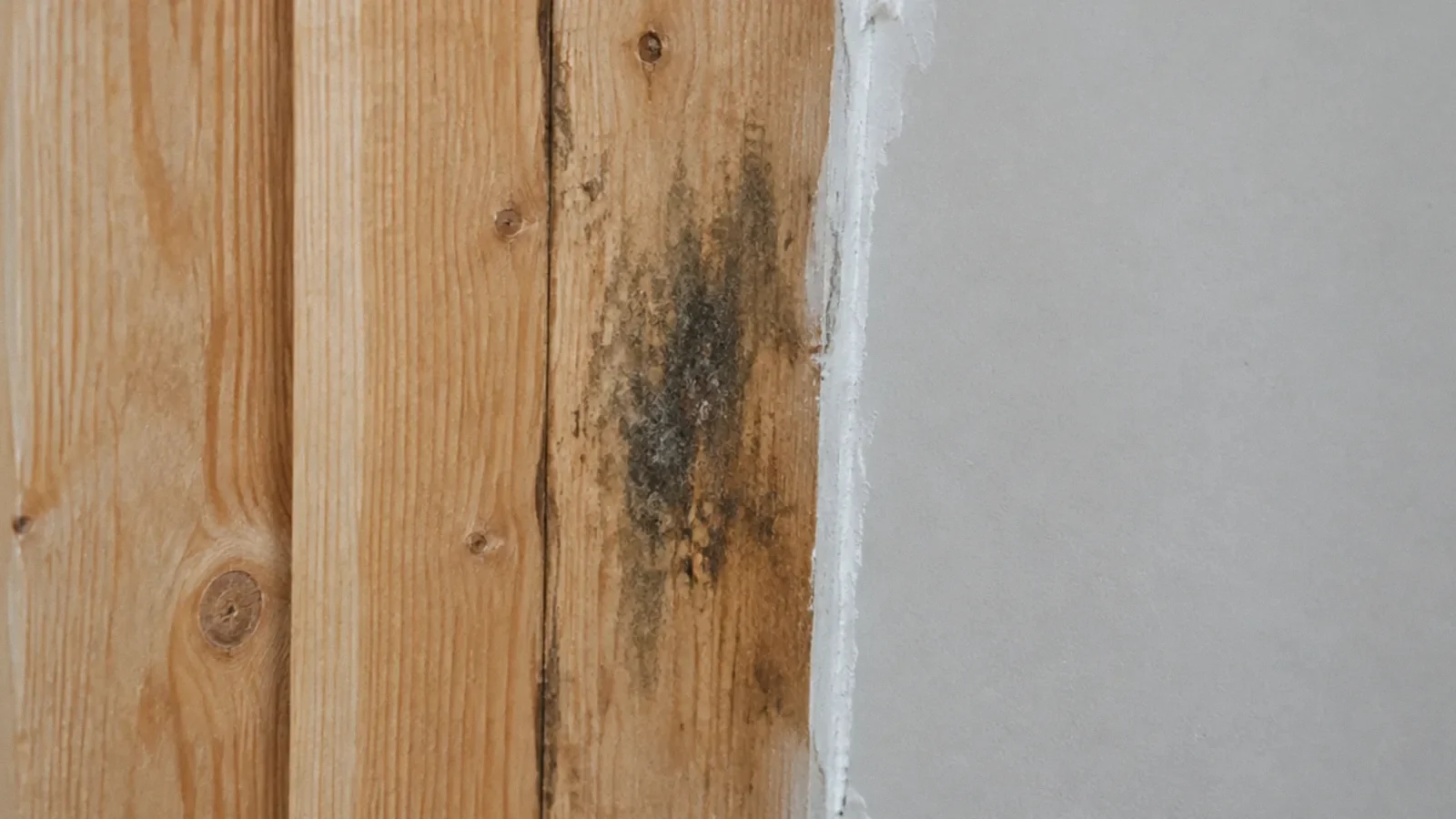
Before moving anything from the affected area, ask the remediator what you should handle and what should stay in place. Disturbing moldy materials or carrying dusty belongings through clean rooms can spread contamination. Do not open walls, pull up carpet, run fans at visible growth, or attempt demolition to save the crew time.
Collect essentials from unaffected areas before containment is installed: identification, medications, chargers, work items, clothing and items needed by children or pets. For valuables, documents, electronics, upholstered furniture and sentimental items in the work zone, request an item-by-item decision on cleaning, protection or disposal. Photograph belongings and damage if it is safe and useful for an insurance claim.
Prepare safe access and utilities
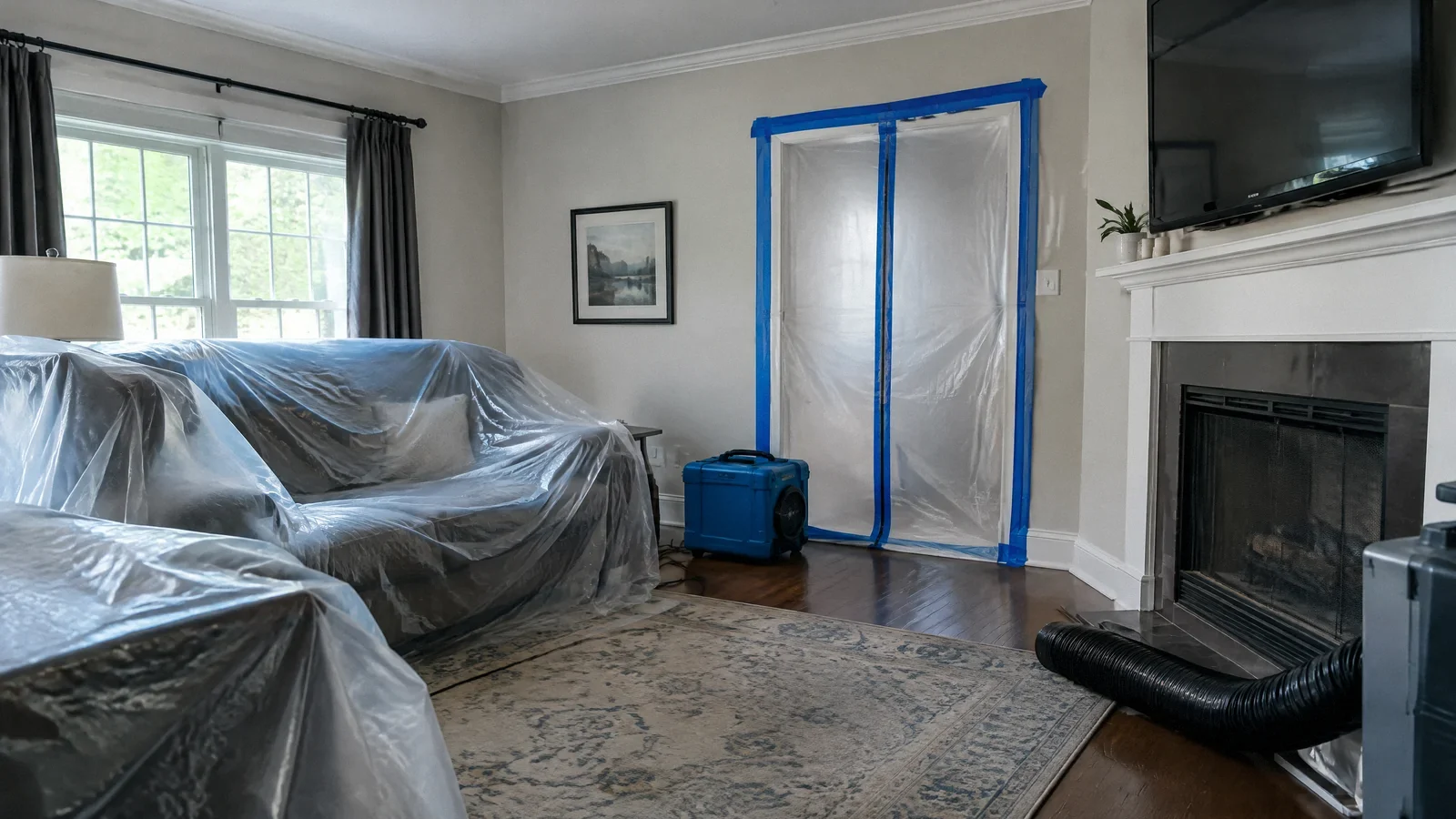
Confirm arrival time, parking, entry point, working hours and a reliable contact. Clear a route through unaffected spaces only as the company directs. Ask where equipment will be placed, whether an exterior opening is needed for exhaust, and whether power or water will be interrupted. The crew should arrange its own containment and equipment unless you have agreed otherwise.
Keep children and pets away from the work area and electrical cords. Do not enter a sealed area or move barriers, filters or hoses during the job. If you need access to an item inside, ask the crew rather than opening containment yourself. A clear path and advance communication can prevent delays without transferring technical work to the household.
Coordinate the moisture repair and insurance
Provide the remediator with information about the original leak, flood, condensation or other suspected source, including photographs and dates. If a plumber, roofer or building contractor is also needed, establish the order of work and responsibility for confirming that the source has been addressed. Drying and repair may take different amounts of time.
If you plan an insurance claim, contact the insurer promptly, review your policy and ask what documentation or authorization it requires. Coverage depends on the policy and cause of loss; a remediation estimate alone does not establish coverage. Keep receipts, correspondence and approved change orders. Do not delay an urgent safety response solely to gather paperwork.
Agree on completion and return
Ask beforehand how the company will document the completed scope, removal of damaged material and correction of the moisture problem. EPA notes that visible mold and moldy odors should not remain after a successful cleanup and that the water problem must be fixed. Any testing or independent inspection should be discussed in relation to the job rather than assumed necessary in every case.
Before furnishings return, ask when containment can be removed, when the area is ready for reconstruction and what drying or maintenance remains. Keep the report and photographs, and watch for renewed moisture or odor. If conditions recur, contact the responsible professional and investigate the water source rather than covering the area with paint.
Your next-step checklist
- Confirm the written scope and who fixes the moisture source.
- Discuss occupancy, pets and health concerns.
- Collect essentials from unaffected areas.
- Ask before moving belongings from the work zone.
- Agree on access, changes and completion documentation.
Related questions
Should I move moldy furniture before the crew arrives?
Ask the remediator first. Moving affected objects can spread contamination and the company may need to assess or protect them in place.
Must everyone leave during remediation?
Not necessarily. Occupancy depends on the work area, containment and household circumstances. Ask the contractor and consult a healthcare professional about personal health concerns.
Is mold testing always required?
Not necessarily. Discuss whether it would answer a specific question and how results would affect the plan.
Sources & context
Public guidance supports the principles in this article. The practical questions and examples are editorial interpretation, not a site assessment or a coverage decision. State-specific rules apply only where identified.