Professional remediation can be worthwhile when mold is extensive, hidden, recurring, associated with contaminated water, or beyond the occupant’s ability to clean safely. A small, accessible patch may be manageable by the occupant in appropriate circumstances. Either way, fixing the moisture source and removing contamination matter more than a treatment claim.
What are you paying to solve?
Remediation is more than covering a stain or applying a spray. A useful scope identifies and corrects the moisture problem, limits the spread of dust and debris during work, cleans or removes affected materials, and leaves the area dry. Repairing the original leak and restoring finishes may be separate work, so ask who will perform each part.
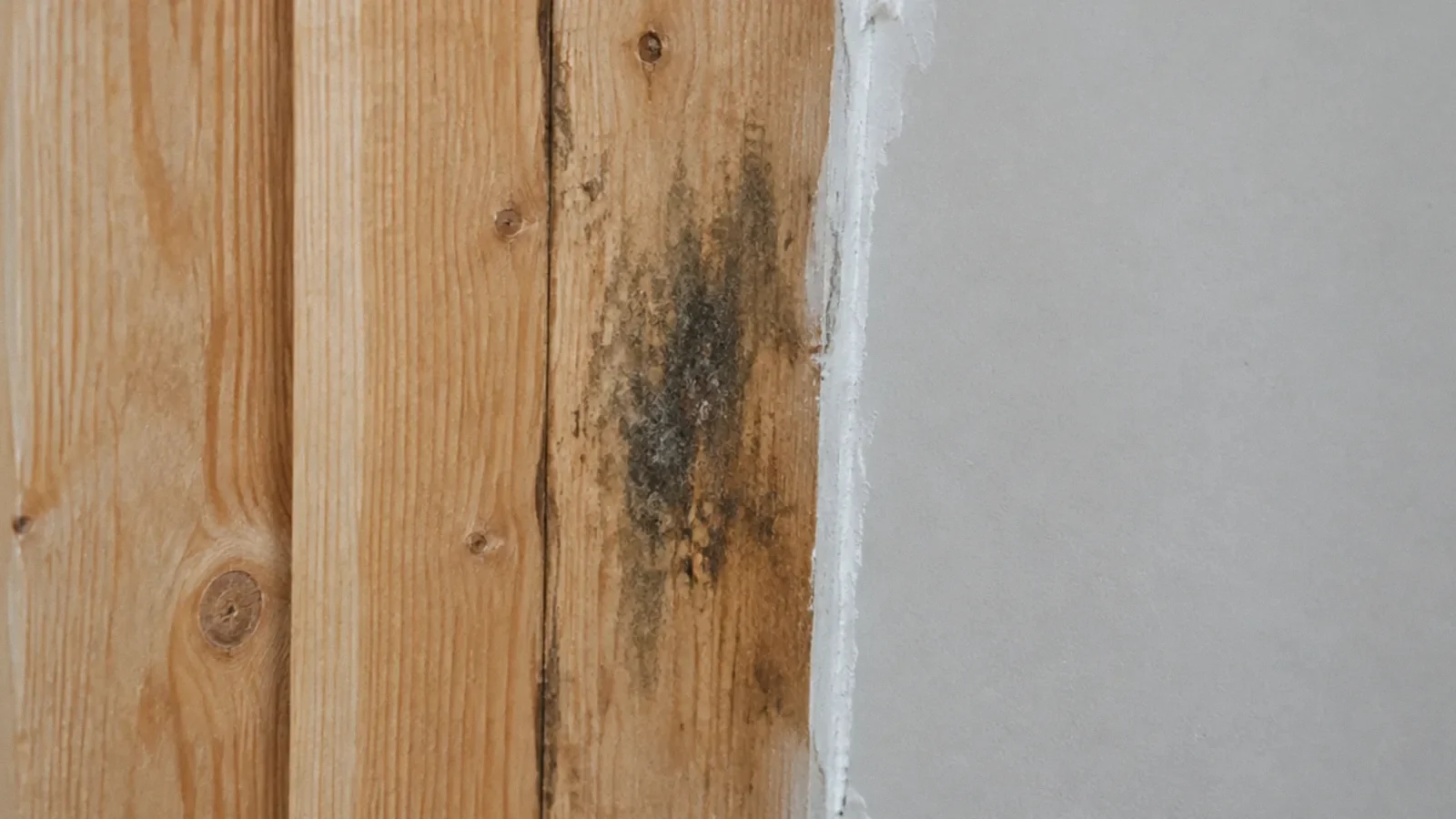
Mold can damage the material on which it grows, and a problem that remains wet can return after cleaning. The value of a professional job depends on whether it solves the actual problem and protects occupants during the work. The presence of visible mold does not automatically prove that the entire building is contaminated, nor does an expensive proposal automatically represent a better solution.
When a small cleanup may be reasonable
EPA says occupants can handle mold affecting less than about 10 square feet in many cases, provided they follow its cleanup guidance. Size is a starting point rather than a guarantee of safety. A small visible patch may be only the exposed portion of a larger wet cavity. Consider the material, the source of water, access, and the health and capabilities of the people involved.
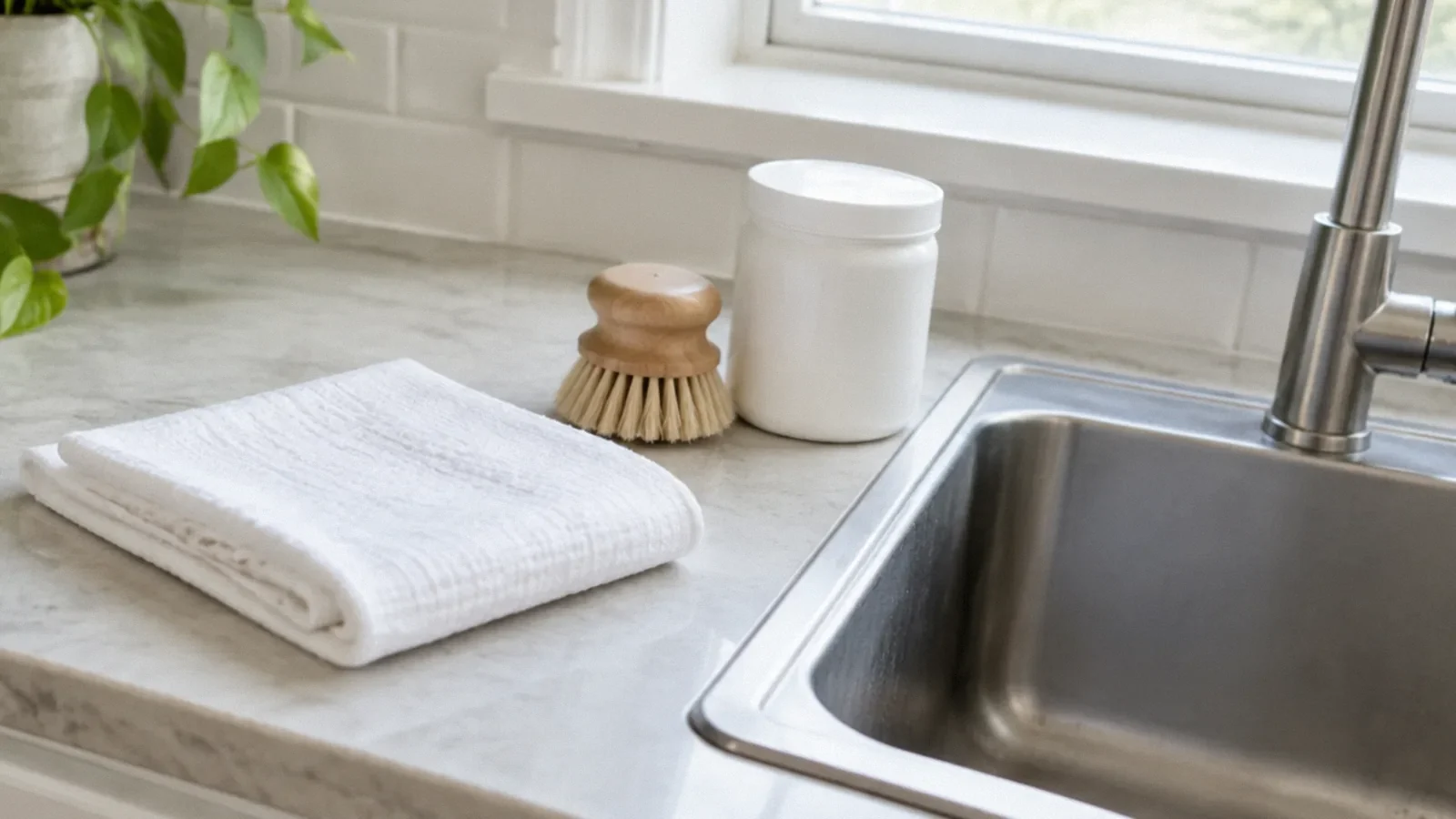
For a suitable small area on a hard surface, EPA recommends scrubbing mold with detergent and water and drying completely. Porous materials such as ceiling tile or carpet may be difficult to clean fully and may need disposal. Do not paint or caulk over mold. CDC recommends at least a NIOSH-approved N95 respirator, gloves, and eye protection for cleanup. People with asthma, mold allergies, immune suppression, or chronic lung disease should not participate; consult a health professional about individual concerns.
When professional help is more likely to pay off
Consider an experienced professional if the affected area is large, the source cannot be found, damage returns, or mold may extend behind finishes. EPA advises consulting its more detailed remediation guidance for extensive water damage or growth over approximately 10 square feet. A professional should also be considered when the heating and cooling system may be contaminated; do not run it if contamination is known or suspected because it may spread mold.
If sewage or other contaminated water caused the damage, EPA advises a professional experienced with contaminated-water cleanup. Structural damage, inaccessible cavities, and the need to protect occupied rooms can also make a planned job worthwhile. An area’s size alone does not capture the complexity of these situations. Ask how the contractor will define and revise the scope if hidden damage is discovered.
Compare the actual scopes, not just totals
Ask for a written proposal describing the moisture source, investigation limits, affected materials, containment, cleaning and disposal, drying, and verification. It should identify what is included and excluded, who will repair the leak, and whether rebuilding is included. Compare like with like: one proposal may include removal and replacement of finishes while another prices cleaning only.
Ask how changes will be documented and approved if opening a wall reveals additional damage. Discuss access, duration, occupant and pet arrangements, and how the work area will be separated from the rest of the building. Obtain references and confirm experience with similar work. Check applicable state and local requirements rather than assuming every credential has the same meaning everywhere.
Be cautious of a promise to eliminate every mold spore or guarantee perfect air. EPA notes that spores are normally present indoors and outdoors; the practical objective is to remove indoor growth and control moisture. Fogging or a chemical treatment alone is not a substitute for removing contamination and fixing the source.
Testing, insurance, and costs
EPA says sampling is unnecessary in most cases when visible mold is present. Testing may have a specific purpose, but ask what decision a result will change, who will interpret it, and whether an independent assessment is appropriate. No federal mold-spore limit makes a routine air result a simple pass-or-fail measure of safety. An assessment can be useful when the scope is unclear, but a laboratory result does not repair a leak.
Actual costs vary with access, affected materials, containment, source repairs, and reconstruction. Obtain itemized estimates for your property rather than relying on a universal price. Contact your insurer promptly and ask how the policy treats the cause of water damage and mold. Coverage, limits, and exclusions vary; an estimate or a contractor’s statement is not an insurer’s coverage determination. Keep photographs and communications.
What completion should look like
Before rebuilding, ask how the contractor will confirm that the moisture source has been corrected, materials are sufficiently dry for the next step, and visible growth and debris have been removed. EPA describes successful remediation as fixing the water problem and completing cleanup so that visible mold and moldy odors are absent. Verification should fit the scope; no single reading or test can promise that a future leak will never occur.
Keep the work plan, invoices, photographs, and any moisture records. Watch the repaired area after the relevant weather or plumbing use and report renewed dampness promptly. A good remediation investment includes a plan to prevent the same moisture condition from returning, not just a clean-looking surface on the day the crew leaves.
Your next-step checklist
- Locate and stop the moisture source.
- Assess area, material, water contamination, and occupant health.
- Obtain itemized scopes and check relevant experience.
- Confirm who repairs the leak and who restores finishes.
- Document cleanup and verify dryness before rebuilding.
Related questions
Is a mold test always necessary before cleanup?
No. EPA says sampling is unnecessary in most cases when visible mold is present. Ask what a proposed test would establish and how the result will be used.
Does bleach alone solve a mold problem?
A chemical alone does not correct the moisture source or remove all contaminated material. Follow appropriate cleanup guidance and never mix cleaning chemicals.
Will insurance always cover remediation?
No. Coverage depends on the policy, the cause, and applicable limits and exclusions. Ask your insurer for a determination.
Sources & context
Public guidance supports the principles in this article. The practical questions and examples are editorial interpretation, not a site assessment or a coverage decision. State-specific rules apply only where identified.