A lingering odor can come from remaining moisture, concealed contamination, affected contents, or a cleaning product. Smell alone cannot establish the cause or identify a mold species. Contact the remediation contractor, document the conditions, and ask for a moisture and scope review before masking the odor.
Start with the timing and character of the odor
A room may smell different immediately after work because of cleaning products, disturbed materials, or equipment. A musty smell that remains, returns after rain, or becomes stronger in a closed room deserves investigation. The character of a smell is a clue rather than a diagnosis: a person cannot identify a mold species or measure exposure by smelling it.
Write down when the odor began, where it is strongest, and whether it changes with weather or equipment operation. Keep the contractor’s scope, photographs, invoices and drying records. Share this information with the person responsible for the work rather than opening walls or disturbing suspect material yourself.
Check whether the water problem was resolved
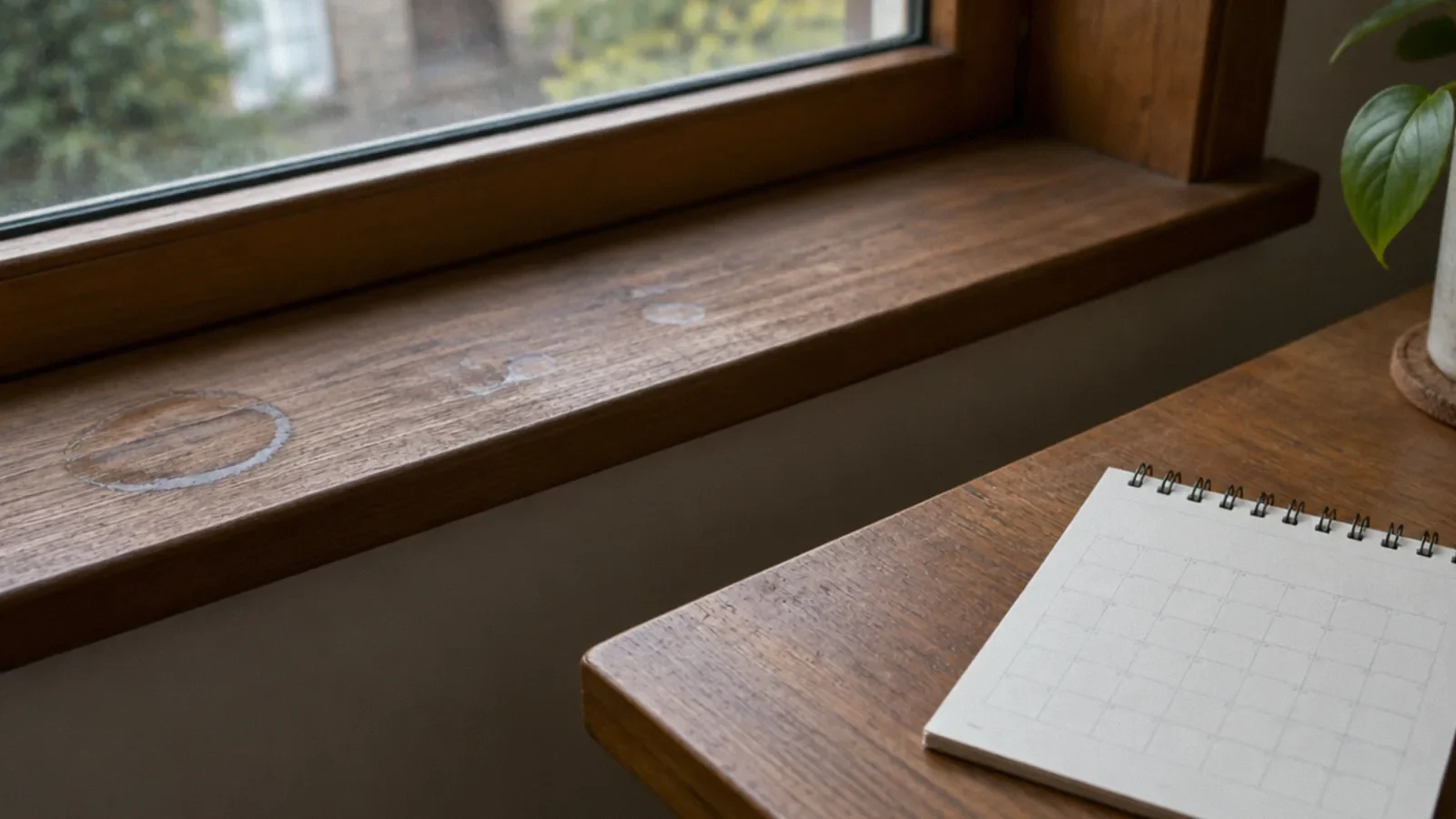
Remediation is incomplete if moisture continues to enter the building. A roof leak, plumbing connection, foundation seepage or condensation can rewet a cleaned area. Ask what source was identified, how it was repaired, and what evidence shows the affected materials were dry before finishes were replaced. An inspection may need to extend beyond the visible stain.
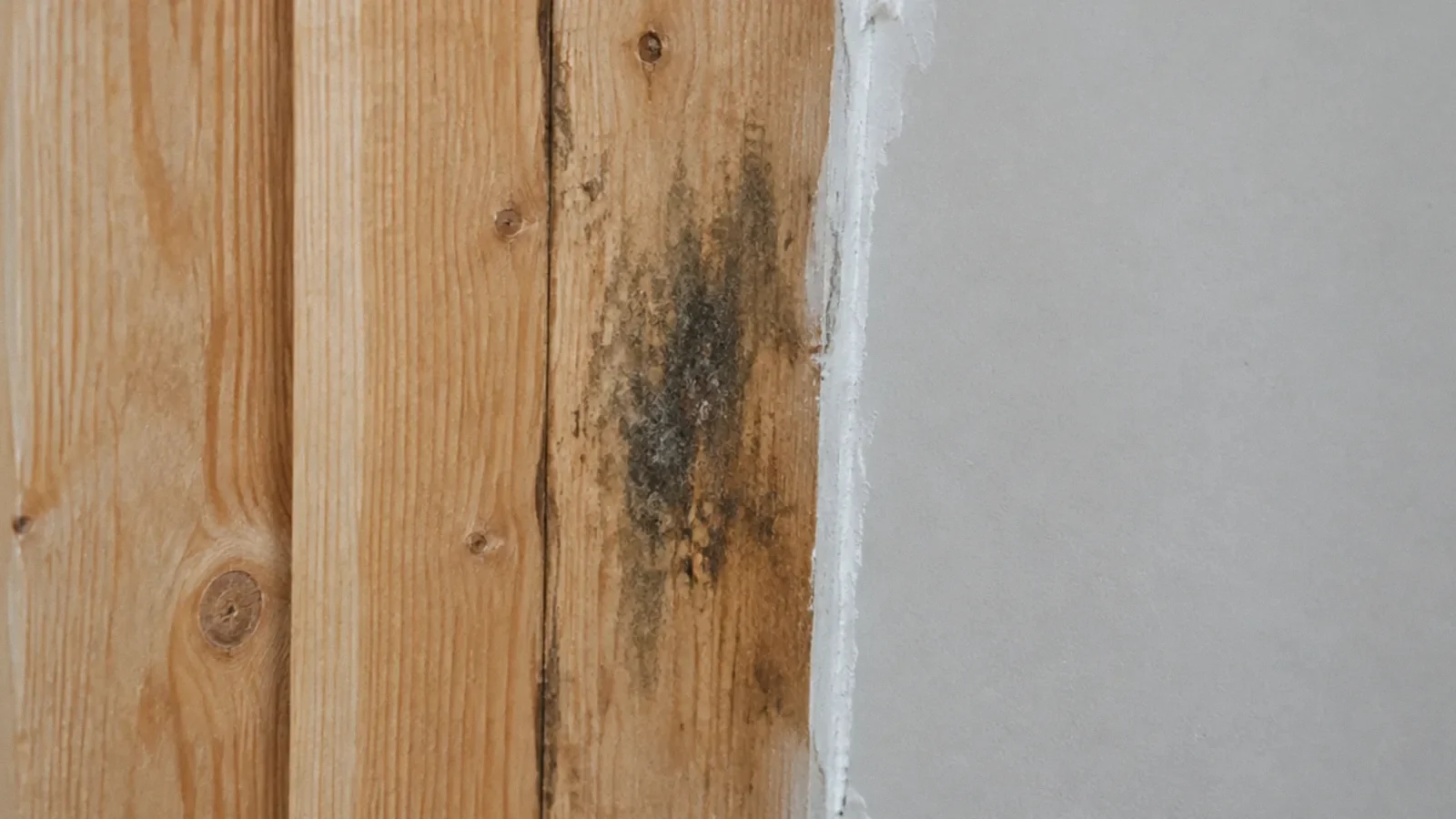
A dry wall surface does not prove that insulation, framing or flooring beneath it is dry. Conversely, odor alone does not prove concealed growth. A qualified professional can choose suitable moisture measurements and inspect the building without assuming that every odor requires demolition. If water is near electrical equipment, stay clear and seek qualified help.
Compare the work with the original scope
Request an explanation of which materials were removed, which were cleaned and retained, and where the inspection ended. Porous materials can be difficult to clean completely. An odor may also come from an item outside the original work area, such as a stored box, rug, cabinet or upholstered furnishing that was affected by the same water event.
Ask whether the contractor checked adjacent cavities, the underside of flooring and other plausible water paths when warranted by the evidence. This is not a suggestion to open every wall. The useful question is whether the observed water path and remaining conditions justify a targeted further inspection. Document any proposed change in scope and its reason.
Consider product and material odors
Cleaning agents, sealants, new flooring, adhesives and other repair materials can have odors unrelated to ongoing mold growth. Ask for the names of products used, their labels and safety information, and any ventilation or reoccupancy instructions. Do not add another chemical or mix products in an attempt to neutralize the smell.
A strong, irritating, or worsening chemical odor should be treated seriously. Leave the area if symptoms or conditions make it unsafe and contact the appropriate professional or poison control for exposure advice. If a fuel-gas odor or another immediate hazard is suspected, leave and contact the relevant emergency service or utility from a safe place.
What a completion inspection should address
EPA’s mold guidance says the water problem should be fixed, mold removal completed, and visible mold and moldy odors absent when remediation is complete. Ask the contractor to explain how these criteria were assessed and whether the affected materials were dry. If the odor remains, request a follow-up visit and a written explanation of findings and next steps.
A contractor may recommend an independent assessment when the cause or scope is disputed. Ask the assessor what question the proposed inspection or sampling will answer and how results will affect the decision. Air sampling is not automatically necessary for visible mold, and a single result cannot prove every hidden cavity is clean. Inspection and moisture history remain important.
Avoid masking the symptom
Fragrances, ozone treatments and odor sealers can cover a smell without correcting the underlying water source. EPA warns against using ozone generators in occupied spaces as air cleaners. Do not accept a deodorizing treatment as proof that moisture and contamination have been addressed. Ask for the underlying finding, the treatment plan and any safety restrictions first.
Ventilation may reduce some odors when outdoor conditions and the building system make it appropriate, but it is not a substitute for repair. If the HVAC system may have been affected by water or mold, ask a qualified professional to assess it before operating it. Avoid directing fans at visible suspect material.
When to seek additional help
Contact the contractor promptly if the smell returns, materials become damp, visible growth appears, or the cause remains unexplained. Renters should notify the property manager in writing and retain the response. An independent building or indoor environmental professional may help when there is a disagreement about the source or adequacy of the scope.
People with asthma, allergies, lung disease or weakened immune systems may need to avoid the affected area and seek medical advice. A smell cannot determine an individual’s health risk. For a medical concern, describe the exposure and symptoms to a healthcare professional rather than relying on a home odor test.
Your next-step checklist
- Record when and where the smell occurs.
- Ask for the completed scope and drying records.
- Check for renewed moisture or previously affected contents.
- Request a targeted follow-up inspection when the cause is unclear.
- Avoid fragrances or chemicals that mask an unresolved problem.
Related questions
Does a musty smell prove mold remains?
No. It warrants investigation, but smell alone cannot establish the cause, location, species or amount of mold.
Should I use an ozone generator?
Do not use ozone to mask an unresolved problem. EPA warns that ozone generators are not appropriate air cleaners in occupied spaces.
Can new materials smell after repair?
Yes. Some products and materials can produce odors; ask for product information and ventilation guidance while also checking whether moisture or contamination remains.
Sources & context
Public guidance supports the principles in this article. The practical questions and examples are editorial interpretation, not a site assessment or a coverage decision. State-specific rules apply only where identified.