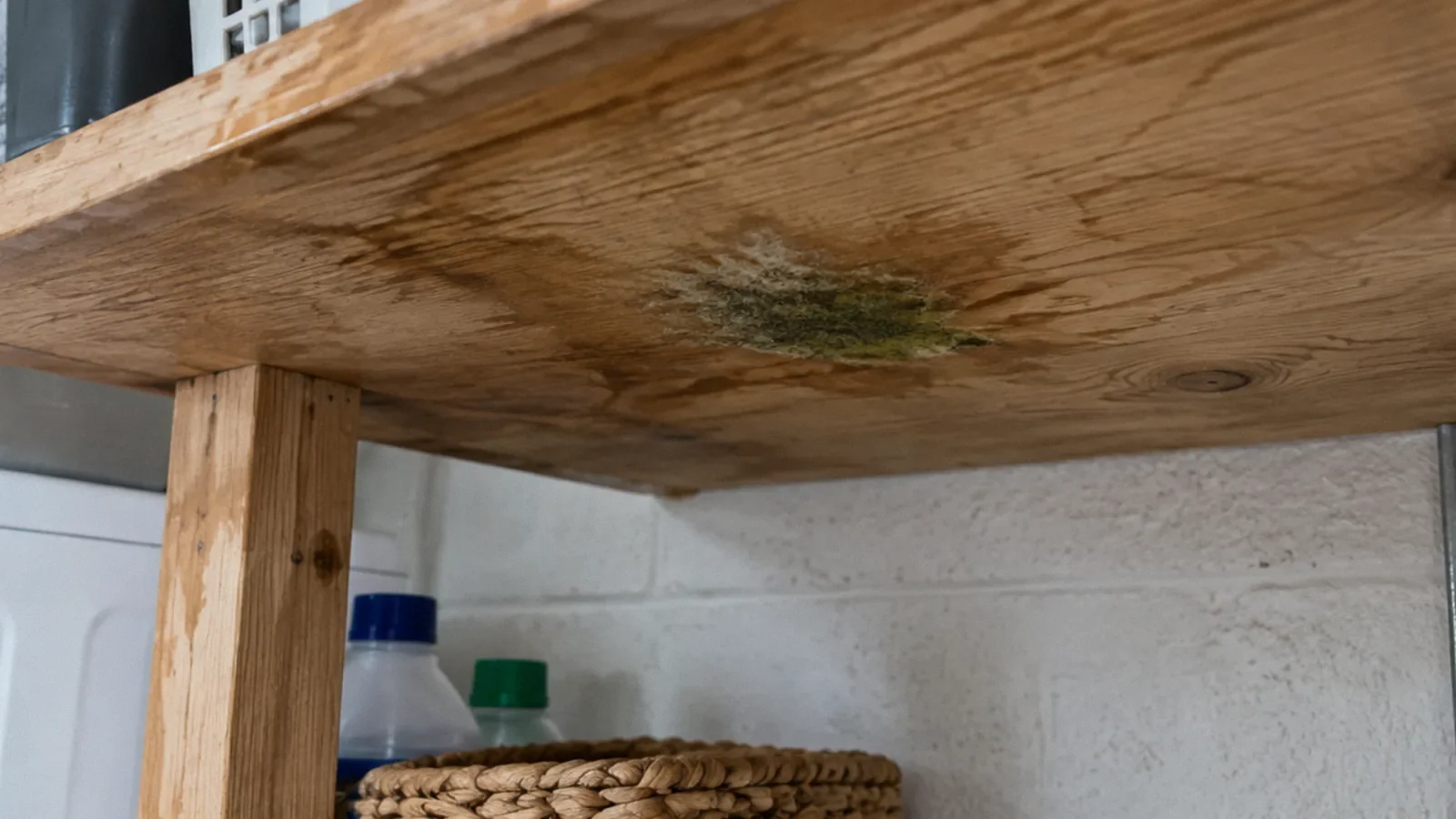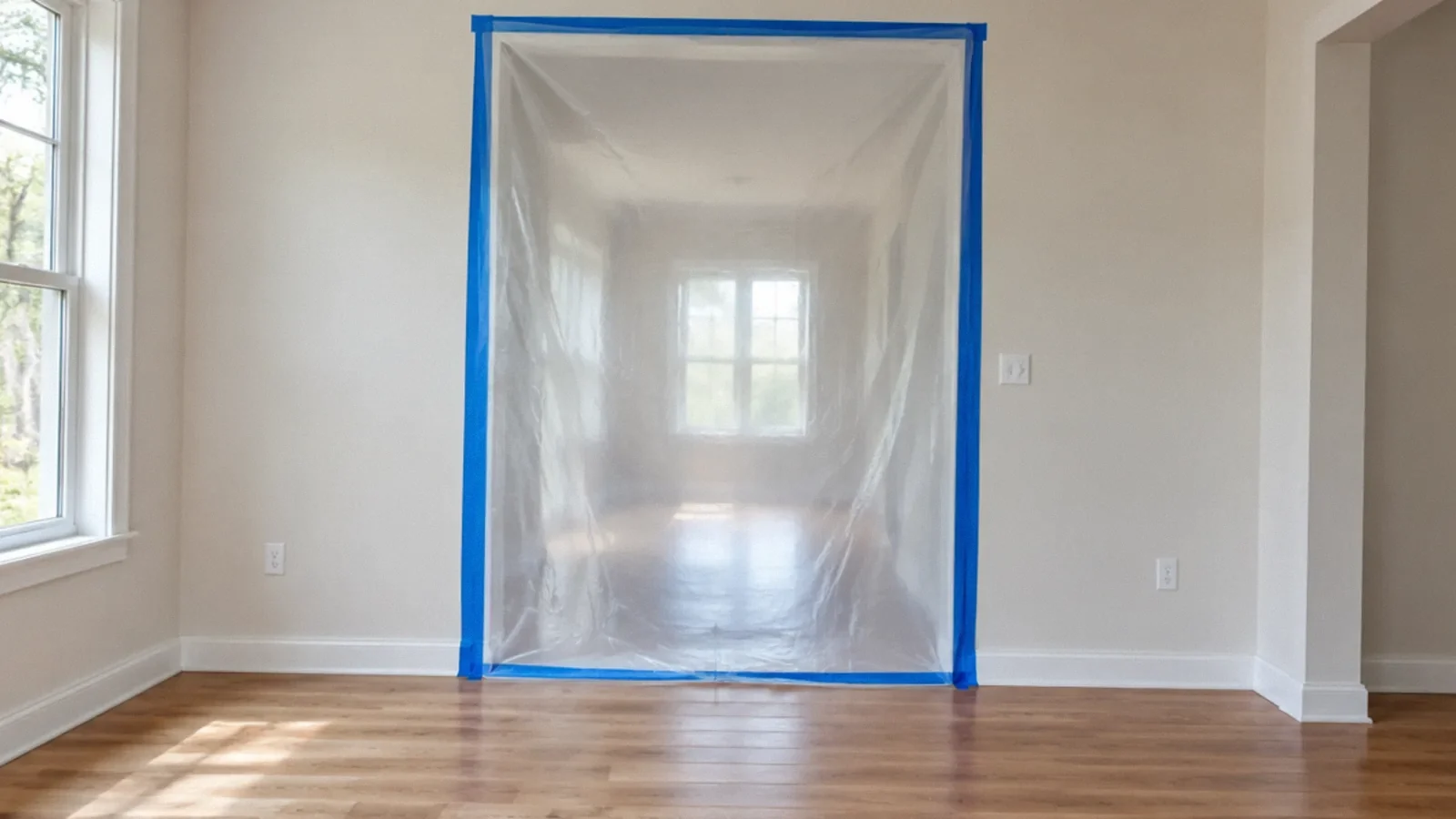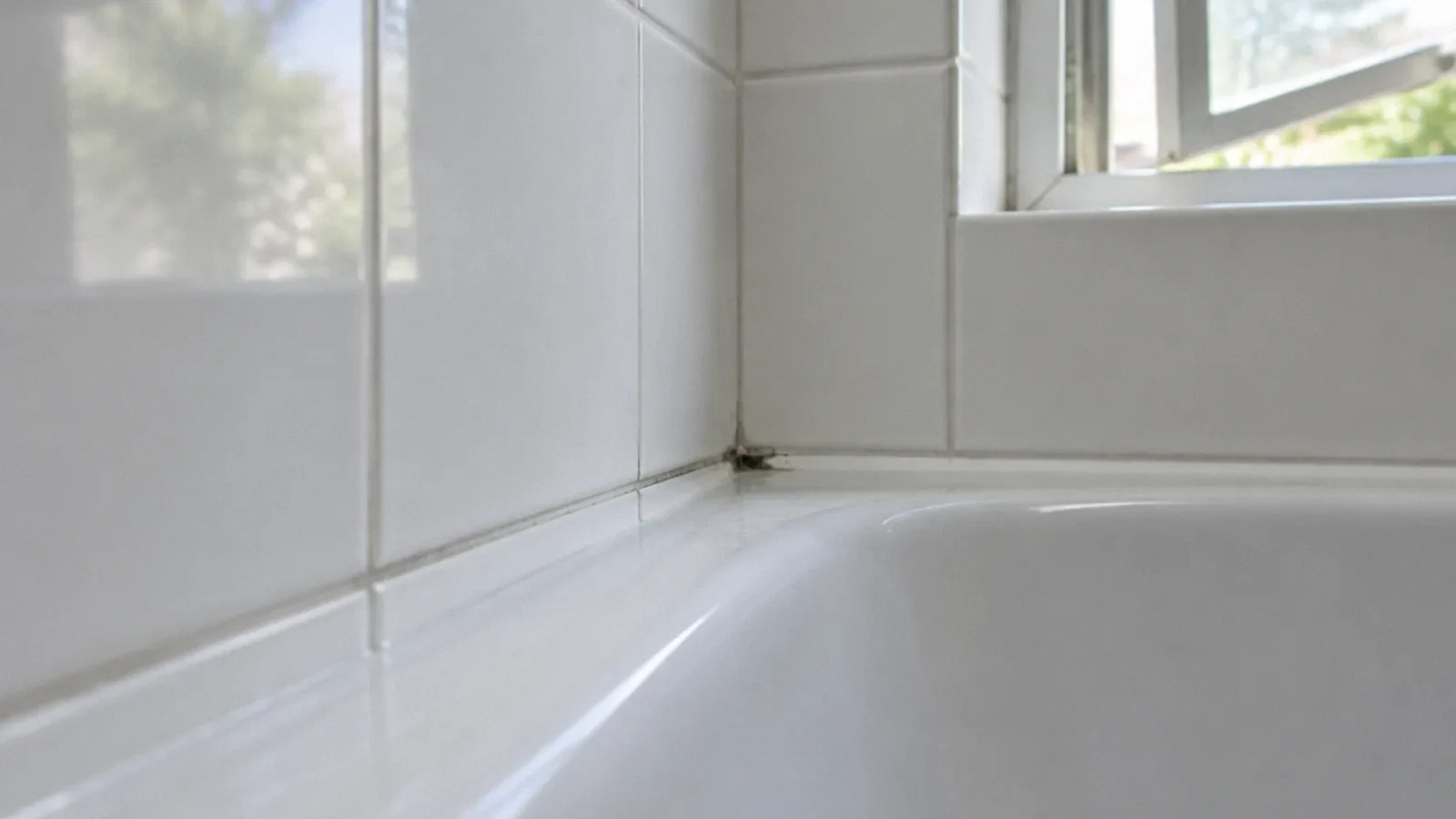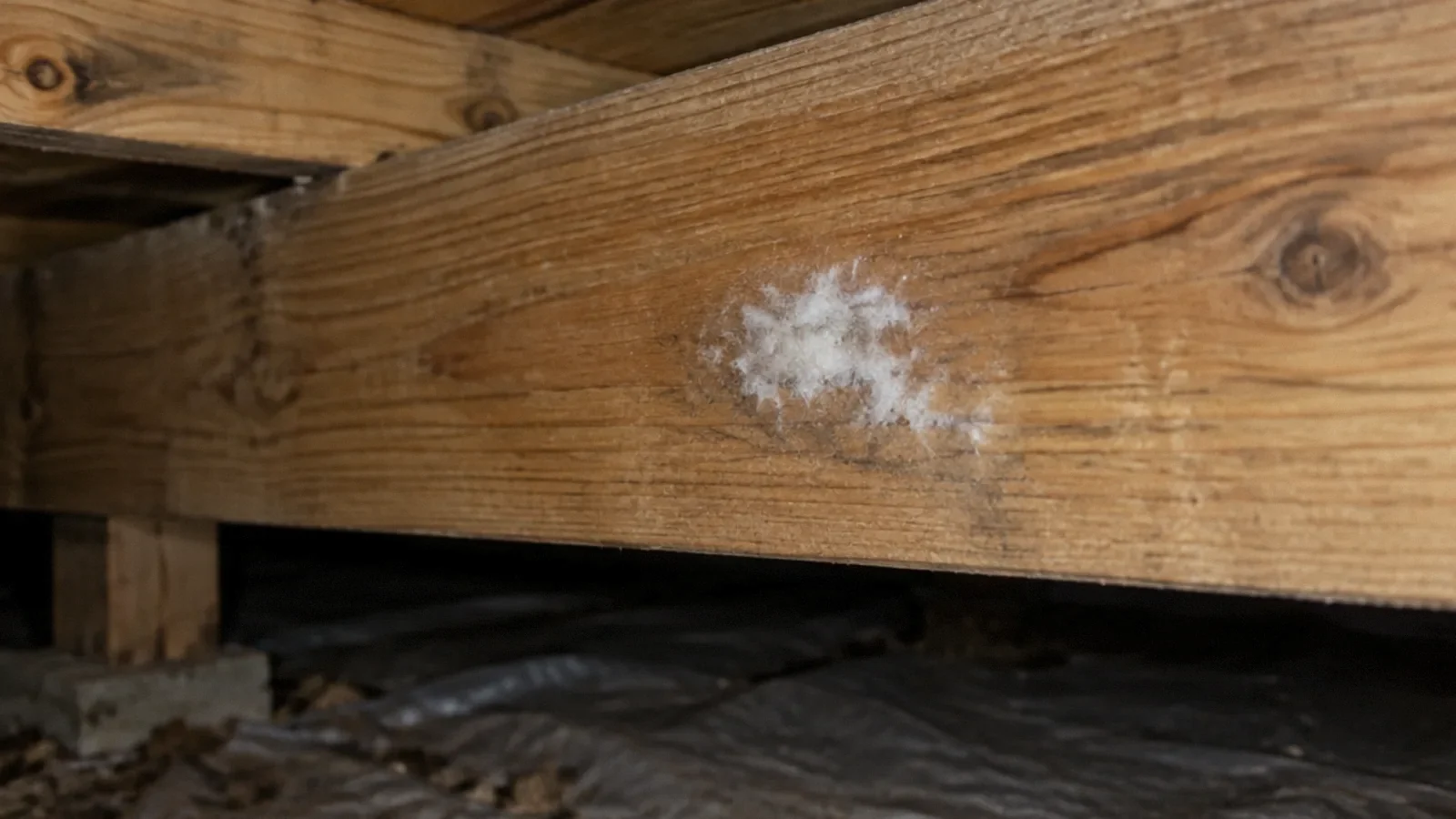
Some molds can appear white or pale, but a white patch can also be mineral residue or another material. Color, texture and a photograph do not identify the organism or establish health risk. Investigate the moisture source, avoid disturbing a large area and address visible growth using a method suitable for the material.
Can mold look white?
Yes. Mold growth can appear in different colors, including white. It may look fuzzy, powdery, stringy or patchy, but these descriptions are not a reliable identification method. Different organisms can look similar, and a single organism’s appearance can change with the material and conditions.
The phrase white mold is a description, not one specific species. A photograph or a search result cannot determine which organism is present, whether a stain is mold or what exposure occurred. The useful first questions concern moisture, the affected material and the extent of the problem.
Other causes of a white deposit
A pale deposit on masonry can be efflorescence: mineral salts left on a surface as moisture moves through it and evaporates. Dust, paint residue and other materials can also appear white. Efflorescence itself is not identified simply because a patch is white, and a mineral deposit does not rule out a separate moisture problem.
Avoid touching or disturbing an unknown deposit just to see whether it changes shape. Photograph the area from a safe position and note the material, location and history of moisture. A professional can assess uncertain or extensive conditions and decide whether a particular test would answer a useful question.
Why it may appear in a house
Mold spores are common in indoor and outdoor environments. EPA explains that growth can begin when spores land on a damp surface that supports them. A window leak, plumbing drip, condensation, wet crawlspace or damp wall can provide moisture; the color of the growth does not identify the source.
Look for signs such as water stains, repeated condensation, soft wallboard or a musty smell. These clues do not establish how much growth is concealed. Do not open a wall or crawl into a hazardous space without an appropriate plan, particularly where wiring, sewage or structural damage may be involved.
Is white mold dangerous?
A white appearance does not establish a species, toxin production or a person’s health risk. CDC notes that people respond differently to damp or moldy environments. Some experience symptoms such as nasal congestion, irritation or wheezing, while others may have no noticeable symptoms. Those symptoms also have other possible causes.
People with asthma, mold allergies, chronic lung disease or weakened immune systems may need additional precautions. Contact a clinician about personal symptoms or conditions. Seek urgent medical care for severe or rapidly worsening breathing problems. Do not rely on a color comparison to diagnose an illness.
White versus black-looking growth
Neither white nor black is a reliable safety rating. A dark patch is not automatically a specific black mold, and a pale patch is not automatically harmless. Address visible contamination and moisture without waiting to settle a species name. The cleanup plan depends on the area, material, water source and potential exposure.
If you need an inspection, ask the professional what can be determined visually, what remains uncertain and how any proposed sampling would affect the decision. CDC does not recommend routine air sampling as the first step in evaluating a building. A test cannot by itself diagnose a person’s symptoms.
What to do with a small visible area
For an appropriate small area on a suitable hard surface, EPA recommends detergent and water followed by thorough drying. Follow the surface manufacturer’s instructions and avoid mixing cleaning chemicals. CDC recommends appropriate gloves, goggles and an N95 respirator or better for mold cleanup.
CDC advises people with asthma, mold allergies, chronic lung disease or weakened immune systems not to take part in cleanup. Porous materials may be difficult or impossible to clean fully and may need removal. Fix the leak or moisture source, or visible growth can return.
When professional assessment helps
Consider experienced help when the area is extensive, materials are soft or damaged, the source is hidden, contamination recurs or the water may contain sewage. Ask for a written scope that identifies the moisture repair, protection of occupants, cleaning or removal, drying and how completed work will be checked.
A claim that a spray will permanently eliminate every indoor mold spore is not a sound substitute for this scope. EPA notes that there is no practical way to eliminate all spores indoors; the goal is to control moisture and address affected materials.
After cleaning or repair
Keep photographs, invoices and notes about the water source. Watch for a return of condensation, stains or musty odor. A recurring deposit may indicate that moisture is still moving through the assembly or that affected material remains. Avoid painting or caulking over visible mold.
If a white deposit is on valuable furniture or another item that could be damaged by cleaning, consult a suitable conservation or cleaning specialist. For a broader explanation of how mold grows and how remediation is planned, see the related guides.
Efflorescence versus white mold on concrete or in a crawl space
Efflorescence is a mineral deposit left when moisture moves through masonry and evaporates; it can look white, powdery or fluffy. Mold is fungal growth and may appear on dust, coatings or other materials on or near concrete. Both can be associated with moisture, and appearance alone is not a reliable diagnosis.
White material on wood, masonry or crawl-space soil may have several explanations. Do not disturb an unknown patch to perform a home test, and do not enter an unsafe crawl space. Ask a qualified professional to assess the material, its moisture source and nearby framing or insulation. Correct the water problem rather than only covering the deposit.
Pale deposits in bathrooms, closets or on metal
A white patch in a damp bathroom or closet can have several causes, including microbial growth, residue or mineral deposits. Look for leaks and condensation, identify the material and avoid assuming that the color establishes a species. Porous contents may be affected differently from a hard surface.
On metal, a pale deposit may also be corrosion, mineral scale or other residue. Do not identify it as mold from appearance alone. Follow the surface manufacturer’s cleaning instructions and seek assessment for a recurring moisture problem or a large suspect area.
What appearance can and cannot show
A deposit may appear fluffy, powdery, crystalline or patchy; a green center or dark dots on a white area cannot identify a species, number of organisms or safety. A musty odor can accompany mold, but its absence does not rule it out and odor does not identify color or species. Do not touch, scrape or disturb unknown material to test it.
Crystalline deposits on damp concrete, brick or masonry may be efflorescence, salts transported by moisture. White material on wood requires evaluation of other possibilities as well as any transferred salts; appearance alone is not a diagnosis. “Mildew” is often used for superficial mold and does not replace moisture assessment.
Bathrooms, closets and floors
In a bathroom, observe condensation, ventilation performance and visible leaks without opening concealed cavities. Tile is different from porous grout, drywall or caulk: persistent growth, soft materials or recurrent wetness calls for an assessment of the substrate and source before cosmetic cleaning.
In a closet, look from a safe position for condensation, damp wall surfaces or wet stored belongings and report any leak. Porous items that cannot be cleaned and dried may need removal. On carpet, wood, resilient flooring or tile, moisture may extend under the surface; do not lift suspect material yourself when hidden damage or hazardous materials are possible. Ask a qualified professional to inspect.
Health and photographic limits
Can white mold be fatal? Color cannot predict health outcomes. Rare invasive fungal infections can be life-threatening for some people with weakened immune systems; most everyday spore exposure does not cause such an infection. A clinician can assess personal risk and concerning symptoms; seek emergency care for severe breathing difficulty.
A photograph can illustrate how variable deposits look, but it cannot determine whether a particular material is mold or identify its species or health risk. Photograph visible areas from a safe location for the assessor without touching the deposit.
For reference photographs, EPA’s What Are Molds? shows white and dark growth together on outdoor firewood; the EPA Mold Image Library also contains captioned examples of growth on different materials. These examples illustrate variation, not the identity or risk of a deposit in your home.
Your next-step checklist
- Document the patch and nearby moisture without disturbing it.
- Do not identify a species or health risk from color.
- Fix the underlying water problem.
- Use appropriate protection or arrange experienced help.
- Recheck the area for recurring dampness or staining.
Related questions
Can mold be white?
Yes. Some mold can appear white, but other deposits can look similar; appearance alone cannot identify it.
Is white mold safer than black mold?
Color alone cannot establish a person’s health risk or identify a species. Address moisture and visible contamination.
Is a white patch on concrete always mold?
No. Mineral deposits and other residues can also appear white. Investigate the moisture source and seek assessment when uncertain.
Can white mold make someone sick?
Damp or moldy environments can cause symptoms in some people, but a color cannot predict an individual’s response. Discuss symptoms with a clinician.
What is fuzzy white mold?
A white fuzzy patch may be mold or another material; color and texture alone do not identify it. Investigate moisture and avoid disturbing it unnecessarily.
Is white dust always mold?
No. Dust, mineral deposits and other materials can appear white. Appearance alone cannot identify the substance; investigate moisture and ask a qualified professional when the material or health risk is uncertain.
What if white or greenish growth appears in an apartment?
Color does not identify the material. Notify the landlord or property manager, report any leak and document visible conditions safely. Avoid disturbing extensive growth and request assessment of the moisture source.
Sources & context
Public guidance supports the principles in this article. The practical questions and examples are editorial interpretation, not a site assessment or a coverage decision. State-specific rules apply only where identified.
- US EPA: What is mold?official guidance
- US EPA: Mold cleanup in your homeofficial guidance
- CDC: Mold and healthpublic health guidance
- CDC: Mold cleanup guidelinespublic health guidance
- CDC/NIOSH: Mold testing and remediationpublic health guidance
- Kansas State University Extension: Efflorescenceuniversity extension guidance
- Penn State: Mold awareness in residential constructionuniversity building guidance
- Public health and property guidanceofficial guidance
- EPA photograph: white and dark mold growing on outdoor firewoodfederal educational photograph
- EPA Mold Image Library: captioned mold and moisture examplesfederal educational image library