Basement mold cleanup begins with safety and the source of moisture. Water entry, plumbing leaks and condensation can require different repairs. Assess the affected materials and keep away from standing water near electrical equipment. Large, concealed or sewage-contaminated areas may need experienced professional cleanup.
Check immediate hazards
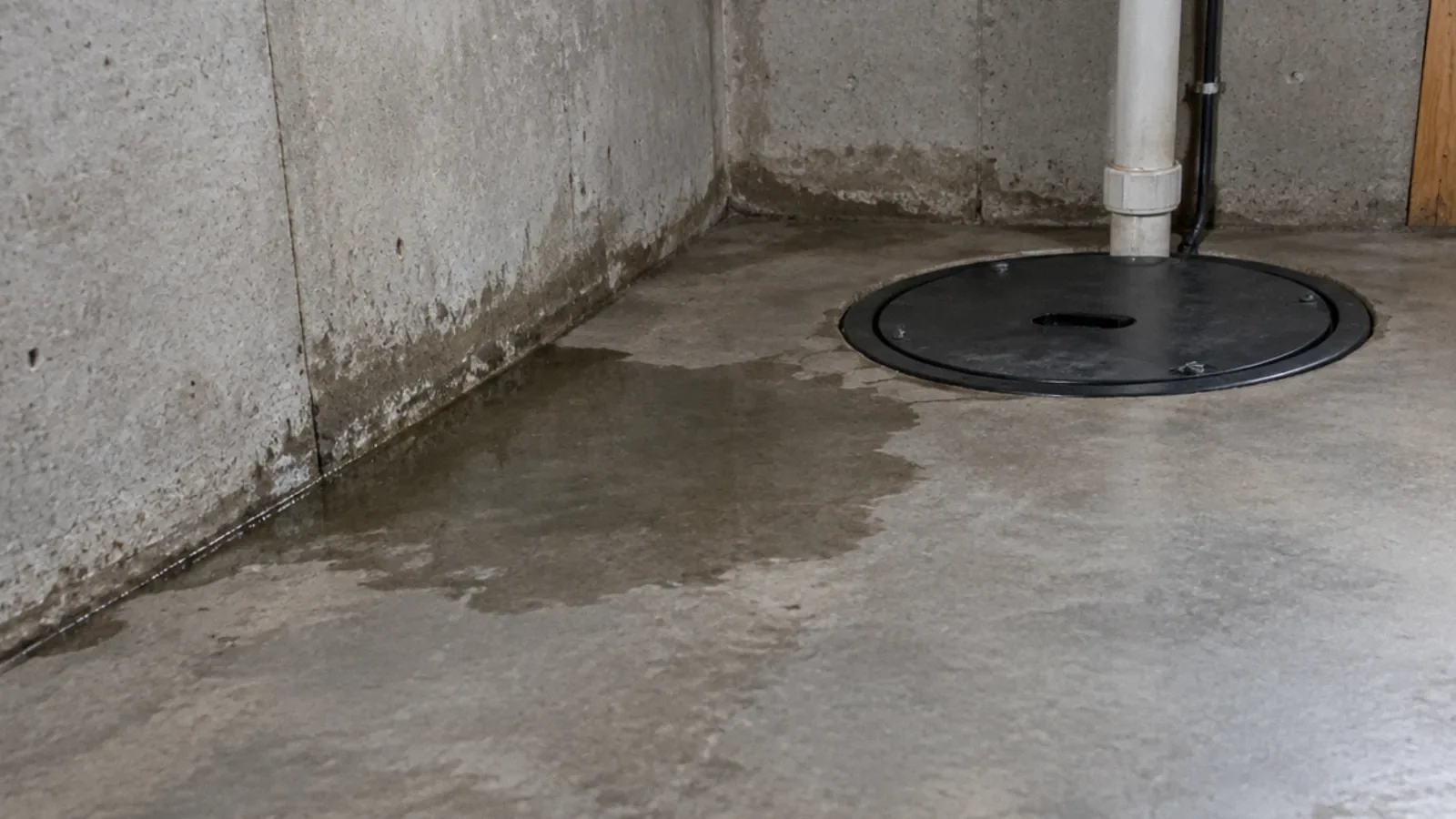
Do not enter standing water near outlets, appliances, wiring or electrical equipment. A wet basement can also contain sewage, unstable materials or other hazards. Keep children and pets away, and request qualified assistance when the source or safety of the area is uncertain.
CDC recommends that people with allergies, asthma, chronic lung disease or weakened immune systems stay out of mold cleanup work. Anyone with health concerns should contact a healthcare professional. Do not rely on a color or photograph to decide that an exposure is harmless.
Find out why the basement is damp
Water can enter through foundation openings, an overflowing drain, a plumbing leak or a failed discharge system. Humid air contacting cool surfaces can cause condensation even without an obvious puddle. Recent rain, fixture use and the location of dampness provide clues, not a complete diagnosis.
Record when the problem appears and whether it recurs. A qualified professional can inspect drainage, plumbing and the building assembly. Correcting the continuing water source is necessary before cleanup can provide a lasting result.
Assess what was affected
Concrete, painted surfaces, wood framing, insulation, drywall, carpet and stored contents respond differently to water. Growth can be concealed behind finishes or beneath floor coverings. A dry-looking surface does not guarantee that material below it is dry.
Porous materials may be difficult to clean completely when mold has grown inside them. Structural deterioration or unstable materials call for evaluation by an appropriately qualified professional. Ask what was inspected, what could not be reached and why a particular material is proposed for removal or retention.
Small hard surfaces versus extensive damage
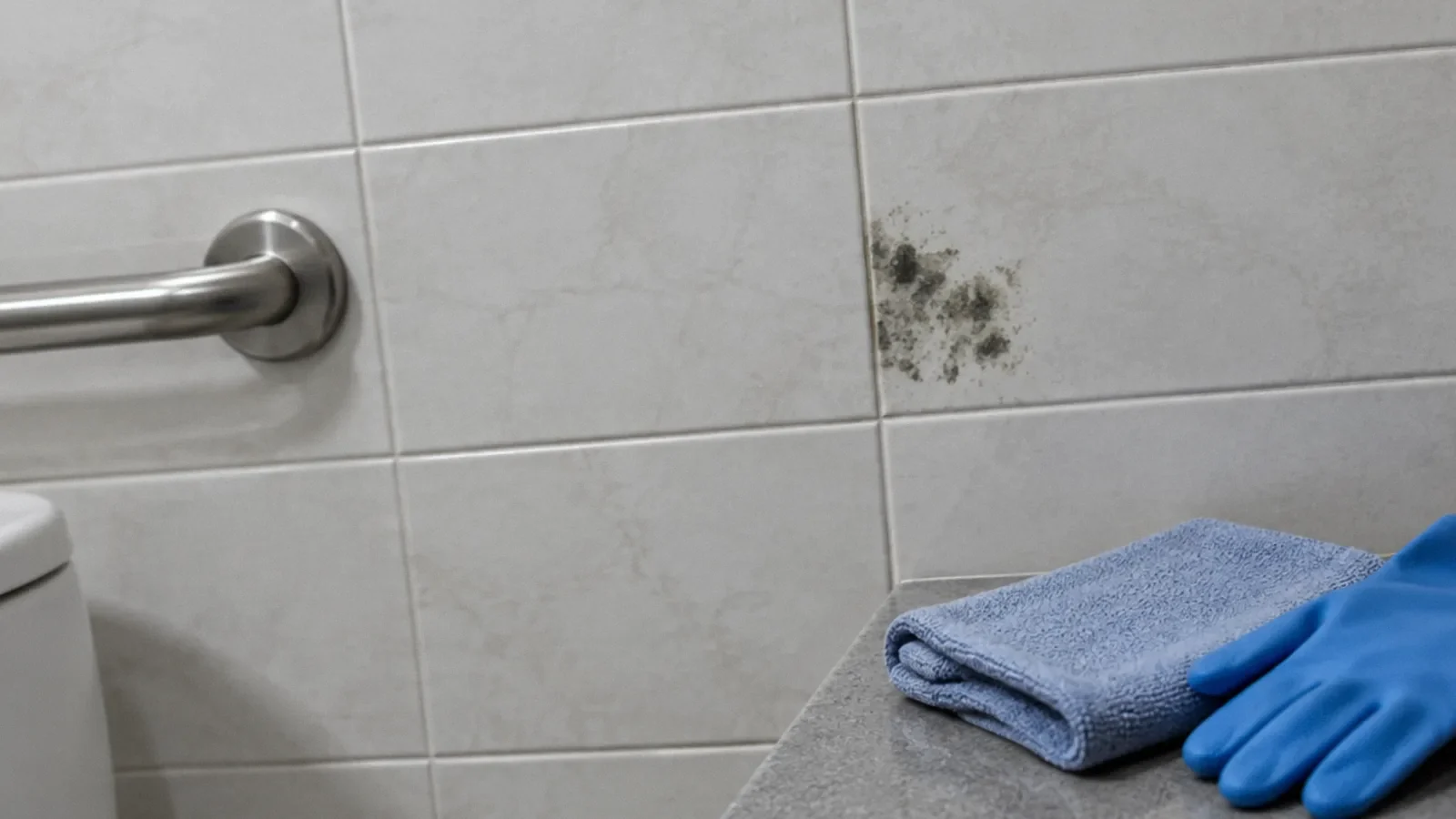
EPA guidance describes cleaning suitable hard surfaces with detergent and water followed by complete drying. The size, contamination, access and health circumstances matter when deciding who should do the work. Sewage or other contaminated water calls for experienced professional assistance.
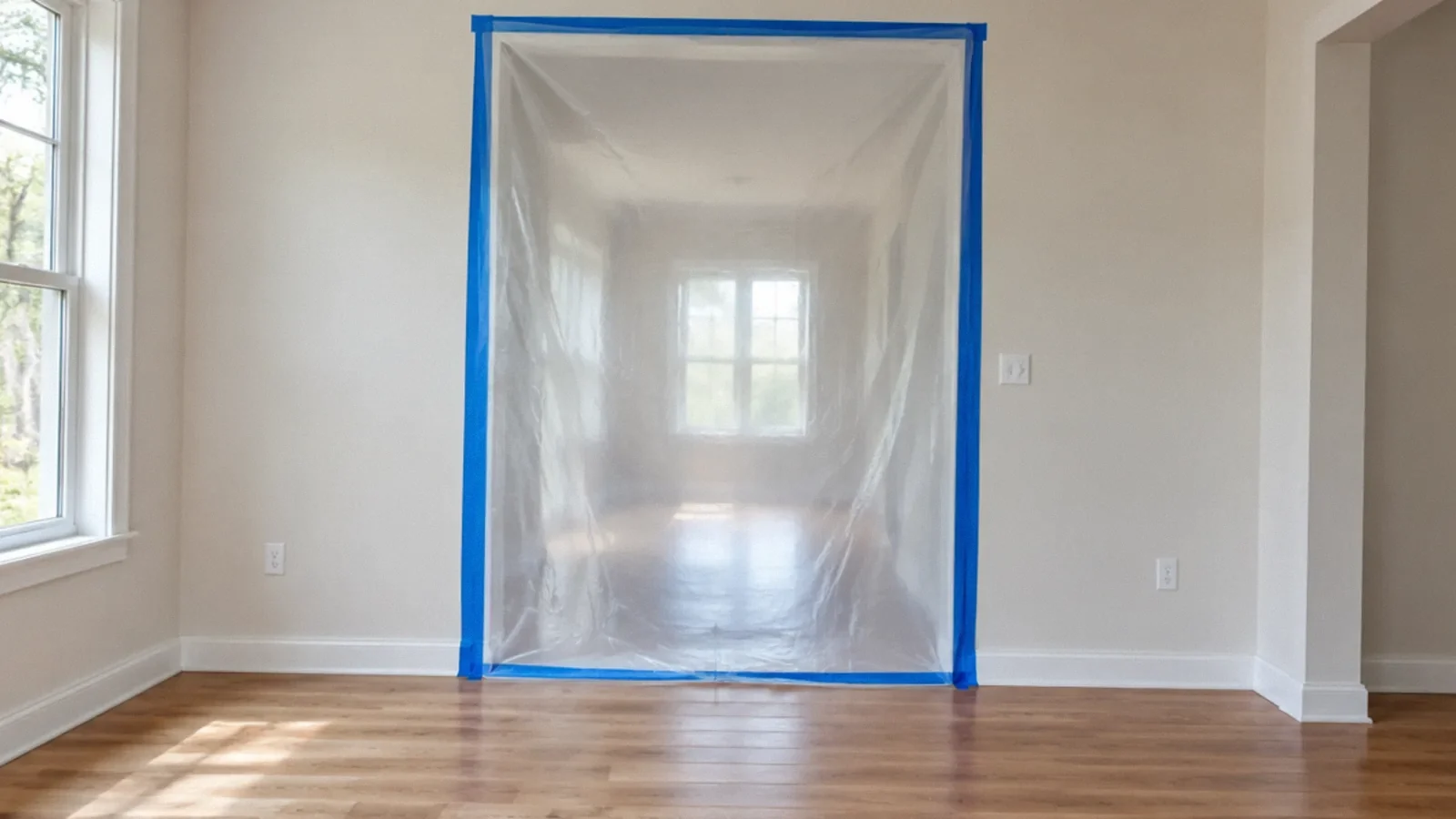
The CDC recommends gloves, appropriate goggles and at least a NIOSH-approved N95 respirator for mold cleanup. This equipment does not make electrical hazards or unstable structures safe. Do not mix bleach with other cleaners, and avoid spreading dust into occupied areas.
Why killing mold is not enough
A chemical can change whether organisms are alive without removing the material that can still cause allergic reactions. EPA advises that mold must be cleaned up and the moisture problem corrected. Painting, fogging or spraying over an unidentified problem does not replace source repair and physical cleanup.
Color does not reliably identify a species or tell you how much contamination exists. Visible mold usually does not require sampling according to EPA. If an investigator proposes a test, ask what decision it will inform and how its limitations will be explained.
Drying and rebuilding
After the water source has been addressed, the affected materials need an appropriate drying and assessment plan. Equipment placement, measurements and the length of work depend on the assembly and conditions. Keep water away from electrical devices and use professionals when the area is unsafe.
Before replacing finishes or storing belongings against a wall, ask how the concealed and visible areas were checked. A single reading or an attractive finished surface is not proof that the entire assembly is dry. Keep reports and photographs for future comparison.
Questions for a contractor
Request a written scope describing the moisture source, affected rooms and materials, protection measures, cleanup, drying and any reconstruction. Ask whether plumbing, drainage or structural work is included or requires another contractor. Clarify how additional work and price changes will be authorized.
Ask for evidence of the completed work and any limitations, including inaccessible areas. Compare proposed work against the observed conditions. A promise to eliminate every spore is not a realistic substitute for a clear explanation of how growth and moisture will be addressed.
Preventing a recurrence
Maintain gutters and downspouts, address drainage and plumbing problems, and manage indoor humidity in a way suited to the property. If a sump system is present, follow its maintenance guidance and plan for an outage. No one device can compensate for every route by which water enters.
Inspect safely after heavy rain or a known leak, and act on new odors or dampness rather than covering them. If the basement floods again, follow local safety guidance and document damage before cleanup when it is safe to do so.
White deposits and unusual growth in the basement
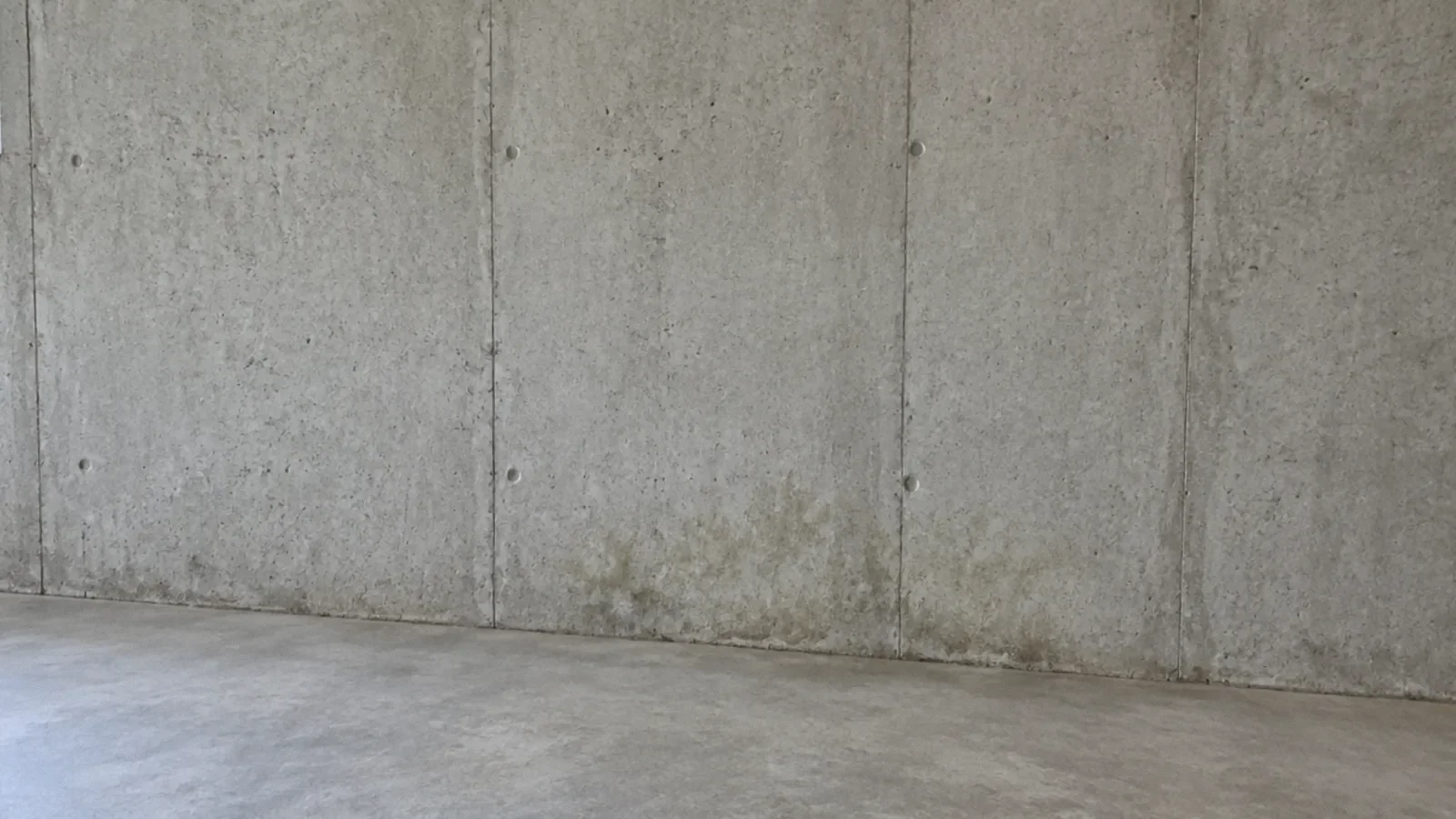
White powdery or crystalline deposits on masonry may be efflorescence, mineral salts left by water; white fuzzy growth on dirt or other material may be biological. Appearance alone is not a reliable identification. Do not brush or disturb the patch to test it. Look safely for water entry, condensation, staining and damp stored items, and arrange assessment of persistent moisture.
Inspect accessible ceiling surfaces for discoloration, sagging or recurring dampness. A small intact hard surface differs from wet porous ceiling tile, insulation or drywall that may require removal. Do not open a sagging ceiling or disturb electrical equipment. Visible mushroom-like growth suggests a persistent moisture problem: leave it undisturbed and arrange an assessment of wet wood and structural conditions.
Many fungal groups can occur indoors; the color or shape does not establish the species or health risk. When visible mold is present, routine sampling is generally unnecessary. An investigator can explain whether a specific test would answer a particular question and how the result would change the work.
Your next-step checklist
- Stay clear of standing water near electrical equipment.
- Identify the source and affected materials.
- Choose protection and cleanup appropriate to the conditions.
- Dry and assess concealed areas before rebuilding.
- Keep records and investigate recurring moisture.
Related questions
Can I remove basement mold myself?
A small area on a suitable hard surface may be manageable under EPA guidance, but health, access, contamination and hidden damage can make professional help appropriate.
Will bleach prevent basement mold from coming back?
No chemical can compensate for an ongoing moisture source. Never mix bleach with other cleaners.
Can basement mold grow without standing water?
Yes. Excess moisture or condensation can support growth without a visible puddle.
Should moldy basement carpet always be cleaned?
Porous materials can be difficult to clean completely. The water source, extent of growth and material condition affect whether removal is needed.
Is basement mold remediation the same as cleaning a surface?
Not necessarily. The moisture source, concealed materials, contamination and safe access may require a broader plan.
Is white mold in a basement harmless?
Color cannot establish what a growth is or whether it is harmless. Investigate moisture and the affected materials.
What can basement mold look like?
Growth can appear in different colors and textures, while mineral deposits or dirt may look similar. Investigate moisture and avoid identifying a species or health risk by appearance alone.
Is black-looking basement mold always toxic?
Color alone cannot identify a mold or its health effects. Investigate the moisture source, avoid disturbing the material and use an appropriate cleanup plan.
What if a basement ceiling has mold-like spots?
Investigate water from plumbing, condensation or the room above without disturbing loose material. Keep away from sagging ceilings and wet electrical fixtures, and arrange assessment of the affected layers.
Sources & context
Public guidance supports the principles in this article. The practical questions and examples are editorial interpretation, not a site assessment or a coverage decision. State-specific rules apply only where identified.
- U.S. EPA: Mold cleanup in your homefederal guidance
- U.S. EPA: Mold and moisture in the homefederal guidance
- CDC: Mold cleanup guidelinesfederal health guidance
- CDC: Mold and healthprimary guidance
- U.S. EPA: Is mold sampling necessary?primary guidance