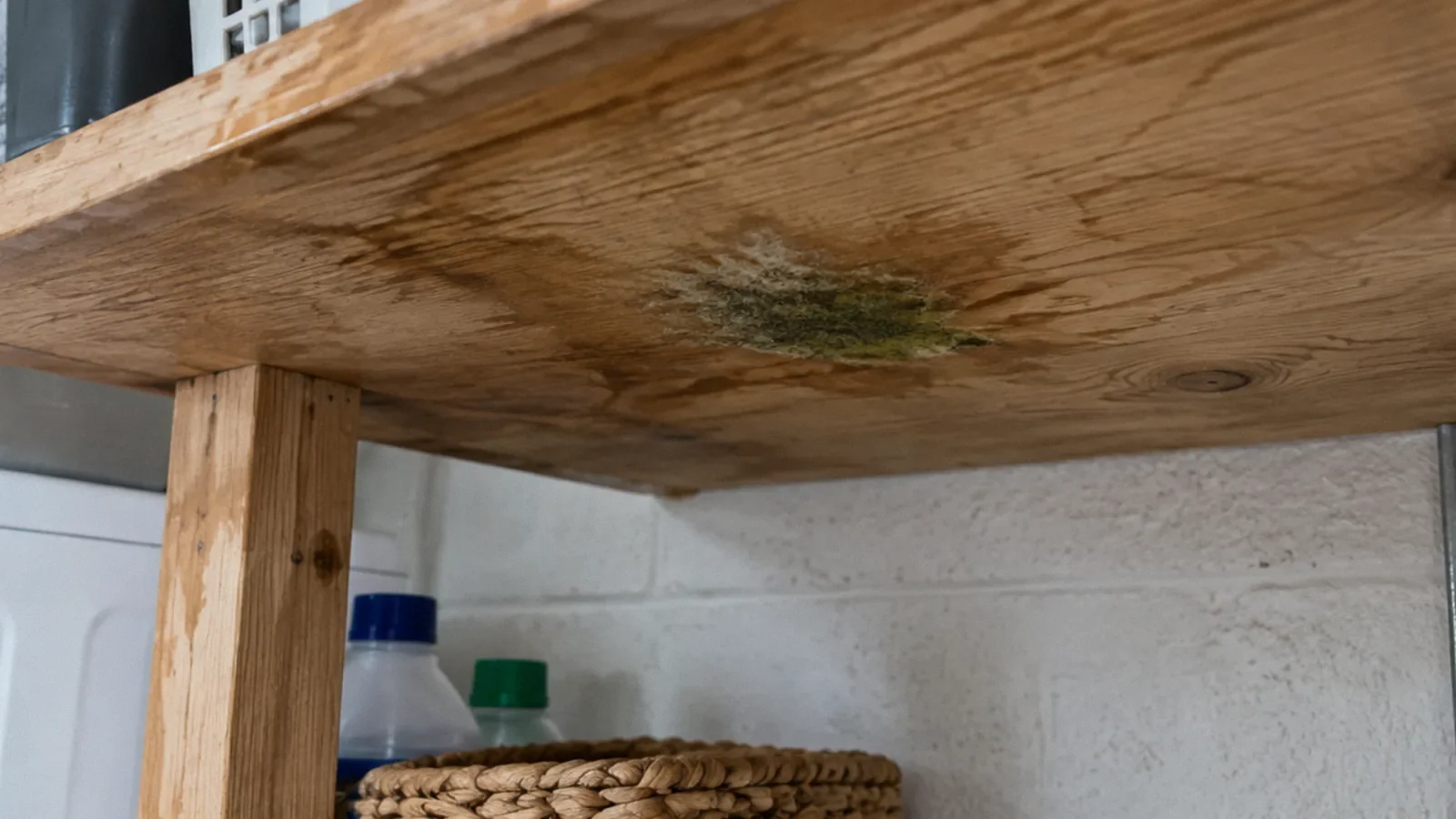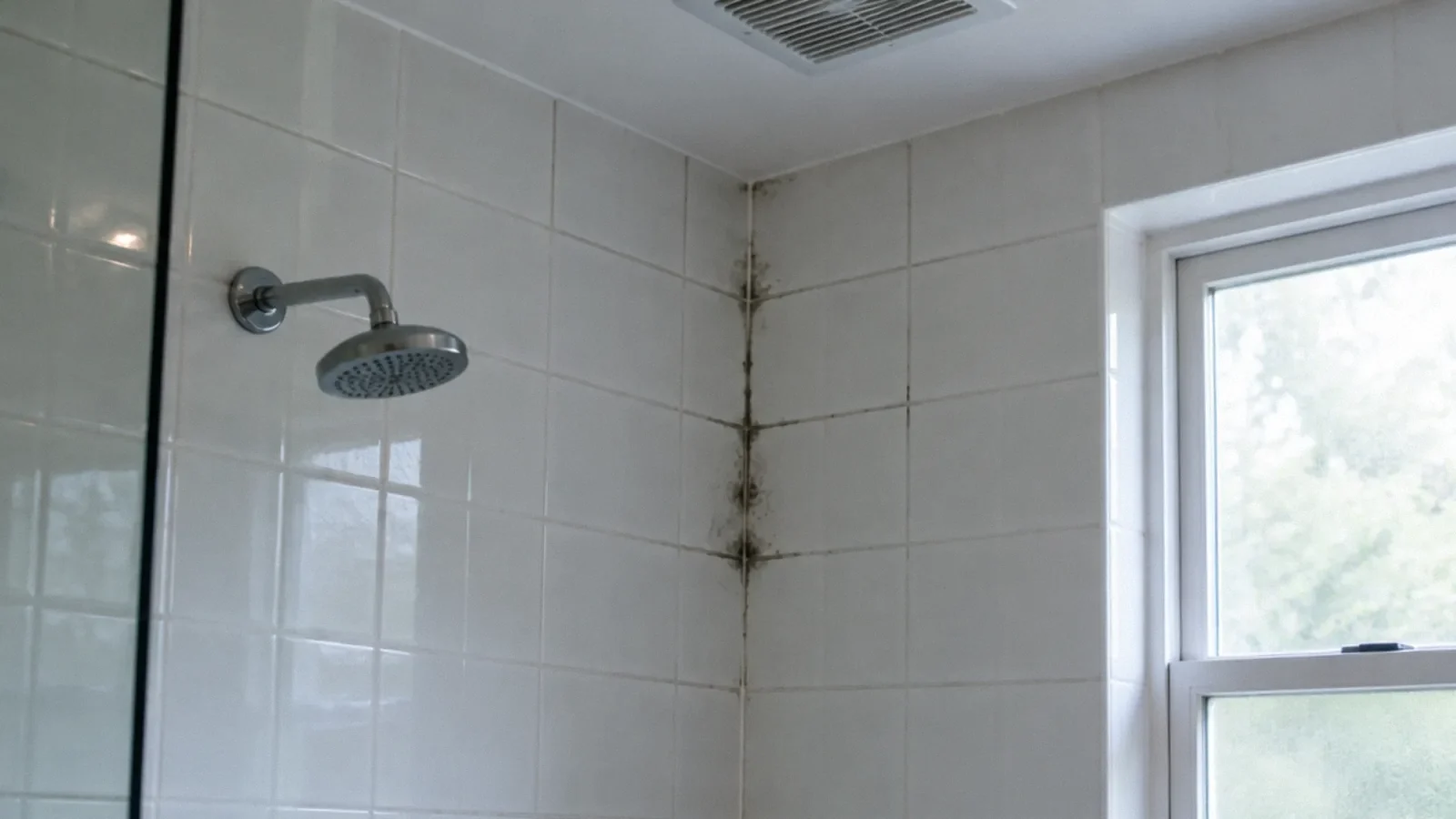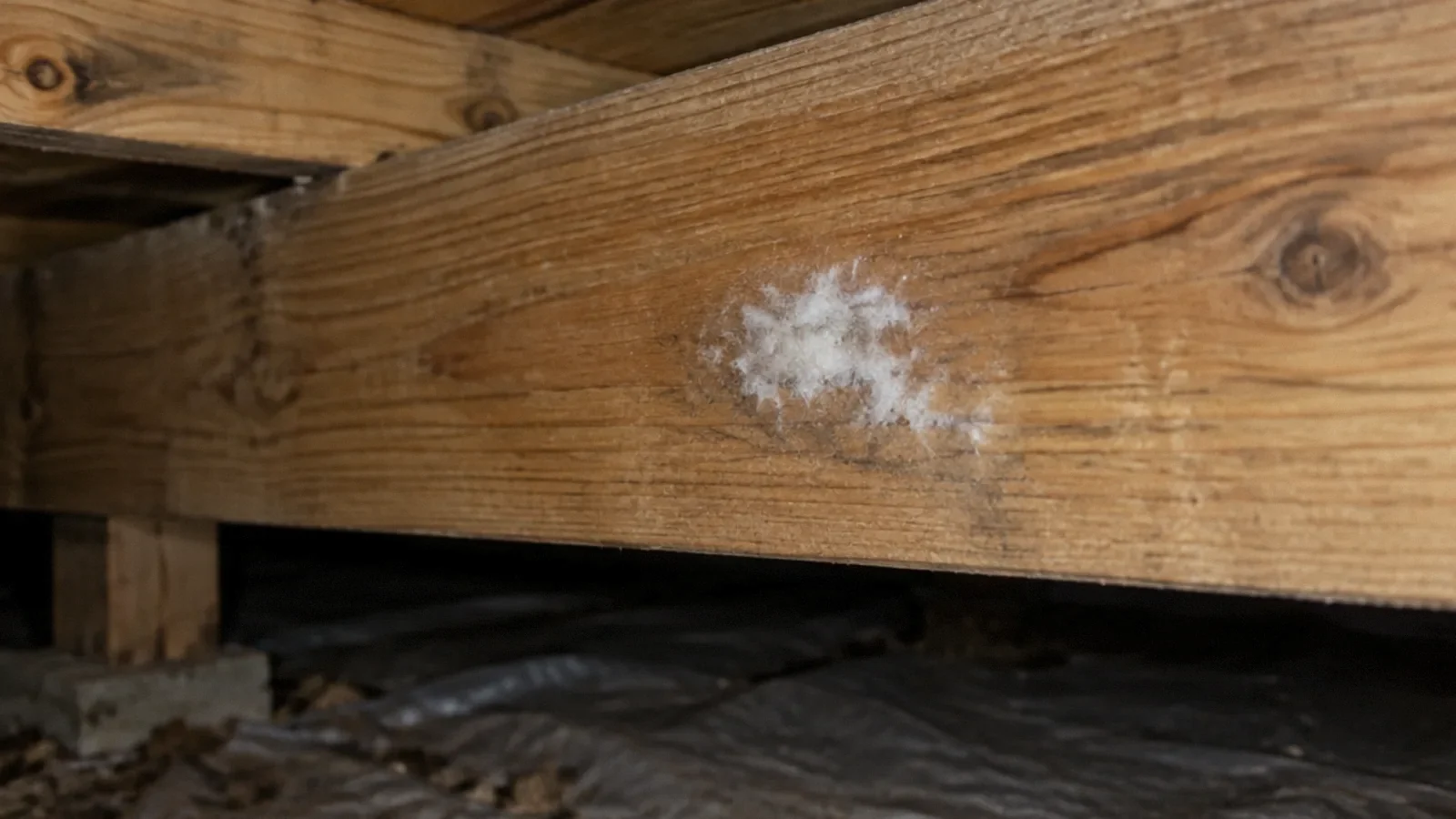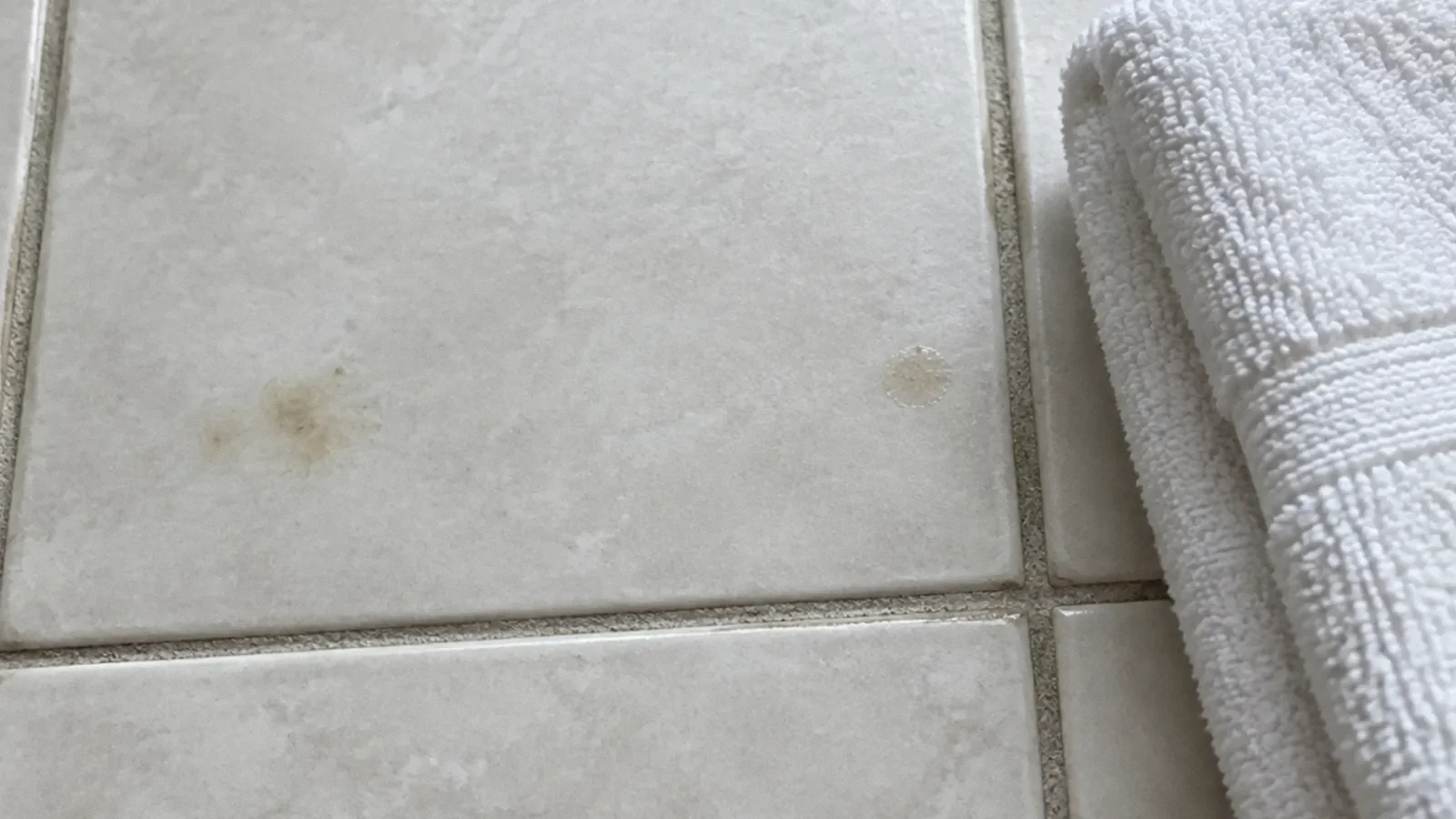
Mildew refers to certain kinds of mold or fungus, according to EPA. Everyday usage of the words is imprecise, and appearance alone cannot reliably identify a growth or determine health risk. Investigate moisture, address visible contamination and choose cleanup based on the material and extent of damage.
Can color or texture distinguish them?
A white, gray, green or black patch does not establish a species or a particular health risk. Dust, dirt, mineral residue or bacterial film can sometimes resemble fungal growth. A dark mark in a shower is not automatically a specific species, and a pale mark is not automatically harmless.
Texture can be a clue that warrants investigation, but it cannot establish whether growth is confined to the surface. Avoid scraping or sniffing a suspect area to identify it. Document it from a safe position and examine the source of moisture.
Does mildew turn into mold?
Because mildew refers to certain molds or fungi, it is misleading to imagine that every patch changes from one entirely separate substance into another at a predictable point. A small visible area can become larger if moisture persists, and additional materials can become affected. The practical response is to address the moisture and the affected surface.
If a stain returns after cleaning, there may be a continuing leak, repeated condensation, damaged material or missed contamination. Repeatedly painting over the mark does not resolve that cause. A professional assessment may be appropriate when the source or extent is uncertain.
Bathroom walls and shower grout
Bathrooms frequently become wet, so ventilation and drying matter. For an appropriate small area on a hard surface, EPA recommends detergent and water followed by thorough drying. Follow the fixture manufacturer’s instructions and never mix cleaning chemicals. The separate shower guide gives the steps and limits for that setting.
Loose tile, soft adjacent wallboard, persistent wetness or a recurring stain can indicate a problem beyond a surface joint. A dark or pink mark alone cannot show what is behind tile. Pink film can be bacterial, so its common name is not a diagnosis either.
Wood, drywall, fabric and other porous items
Porous materials can retain moisture and be difficult or impossible to clean completely once contaminated. The appropriate decision depends on the material, extent, water source and whether it can be safely dried. Avoid soaking drywall or covering visible growth with paint or new caulk.
A valuable leather or upholstered item may need specialist attention. If water may contain sewage, or a material is extensively affected, use experienced help. Do not assume a surface wipe has restored a contaminated interior merely because discoloration becomes less visible.
Health concerns depend on the person
CDC notes that damp and moldy environments can cause irritation, cough or wheezing in some people, and that individual responses differ. Symptoms have other possible causes. A label such as mildew or black mold cannot diagnose an illness or measure exposure. Discuss personal concerns with a clinician.
CDC advises people with asthma, mold allergies, chronic lung disease or weakened immune systems not to perform mold cleanup. Others should use appropriate protective equipment, including gloves, goggles and an N95 respirator or better. Seek urgent medical care for severe or rapidly worsening breathing problems.
When to consider professional help
Use experienced assistance for a large or concealed area, ongoing water intrusion, damaged porous material, sewage contamination or a problem that returns. Ask how the proposed scope will identify and repair the moisture source, protect occupants, handle affected materials and verify drying.
Routine air sampling is not the first step recommended by CDC for evaluating building mold. If a test is proposed, ask which decision it will inform and what its limits are. A color or species name does not remove the need to fix moisture.
Prevent recurring dampness
Repair leaks and reduce condensation. Use suitable ventilation where water vapor is produced, dry wet materials promptly and keep a record of recurring stains. EPA recommends drying wet areas and items within 24 to 48 hours when possible to help prevent mold growth.
The best schedule depends on the room and the cause of moisture. After a repair, watch the same area through normal use and after rain where relevant. If dampness returns, investigate the pathway instead of switching repeatedly between chemical products.
Signs, spores and powdery deposits
Moisture marks, peeling finishes, damp materials and a musty odor noticed during normal use warrant investigation; none identifies a species. Do not deliberately sniff a suspect patch. Mold releases airborne spores that can settle and grow where moisture and suitable material are available; not every stain forms in the same way.
A powdery indoor deposit may be fungal growth, dust or mineral efflorescence on masonry. Appearance or a photograph cannot settle the question. The names used for fungi depend on context; some molds can produce mycotoxins, but black color does not establish species, toxin production or health risk.
For examples, the EPA Mold Image Library listed in Sources contains captioned photographs of water stains and growth, including mold on the back of drywall. These examples illustrate variation; they cannot identify a patch in another building or establish safety.
Your next-step checklist
- Treat mildew as a term related to mold, not a safety rating.
- Investigate the moisture source and material.
- Keep vulnerable occupants out of mold cleanup.
- Clean suitable hard surfaces and dry them.
- Seek help for extensive, hidden or recurring damage.
Related questions
Is mildew a type of mold?
EPA says mildew refers to certain kinds of mold or fungus. Everyday usage is not a reliable identification method.
Does mildew turn into mold?
Mildew is already a term for certain molds or fungi. A patch can spread when moisture persists, so address the cause and affected material.
Can I tell black mold from mildew by looking?
Color and texture alone cannot reliably identify the organism or the health risk.
Do mold and mildew need different first steps?
The useful first steps are to assess moisture, the affected material, the extent and the people who may be exposed.
What is mildew?
EPA uses mildew for certain kinds of mold or fungus. The everyday term does not identify a species or establish whether a damp area is safe.
What does mildew look like?
The word is commonly used for some light or powdery surface growth, but appearance alone does not identify a species or establish safety.
Can mildew be black?
Growth described as mildew can appear dark, but color and the everyday name do not reliably identify the organism or establish its health effects.
What causes mildew?
Moisture on a suitable surface can allow fungal growth. Correct leaks, condensation or persistent humidity and clean or replace material as appropriate.
Are there different types of mildew?
Mildew is a common term used for certain fungal growth or appearance rather than one precise species. A photograph or color alone cannot reliably identify the organism; moisture control remains central.
Is algae the same as mold?
No. Algae and molds are different groups of organisms, although both may appear on damp surfaces. A color or photograph alone does not identify the growth; correct the moisture source and choose a cleaning method suitable for the material.
Can mildew look fuzzy?
A fuzzy or powdery appearance does not reliably distinguish mildew from other mold or identify a species. Investigate the moisture source and choose cleanup based on the material and extent of growth.
Sources & context
Public guidance supports the principles in this article. The practical questions and examples are editorial interpretation, not a site assessment or a coverage decision. State-specific rules apply only where identified.
- US EPA: Difference between mold and mildewofficial guidance
- US EPA: Mold cleanup in your homeofficial guidance
- CDC: Mold and healthpublic health guidance
- CDC: Mold cleanuppublic health guidance
- CDC: Mold testing and remediationofficial guidance
- EPA: Hidden mold and mineral depositsofficial guidance
- EPA Mold Image Library: captioned photographs of water stains and mold on drywallofficial guidance