Start with the history of leaks, visible moisture damage and musty odors. These clues do not prove hidden mold. Moisture meters and infrared cameras help locate suspect areas but cannot identify mold; an experienced professional can decide whether a controlled opening is needed.
Start with the moisture history
Hidden mold is a possibility when an area has been wet, a musty odor persists or staining returns after a leak. None of these observations proves that mold is behind a wall. A stain can be old, and an odor can come from another material or room. Treat them as reasons to investigate, not as a diagnosis.
Record when the area was wet, where water entered, how long materials remained damp and what repairs or drying were done. Photograph visible changes and note whether they grow after rain, plumbing use or condensation. Compare dates with any repair records. This history helps an inspector choose where to look and whether moisture is still entering.
Look without disturbing the wall
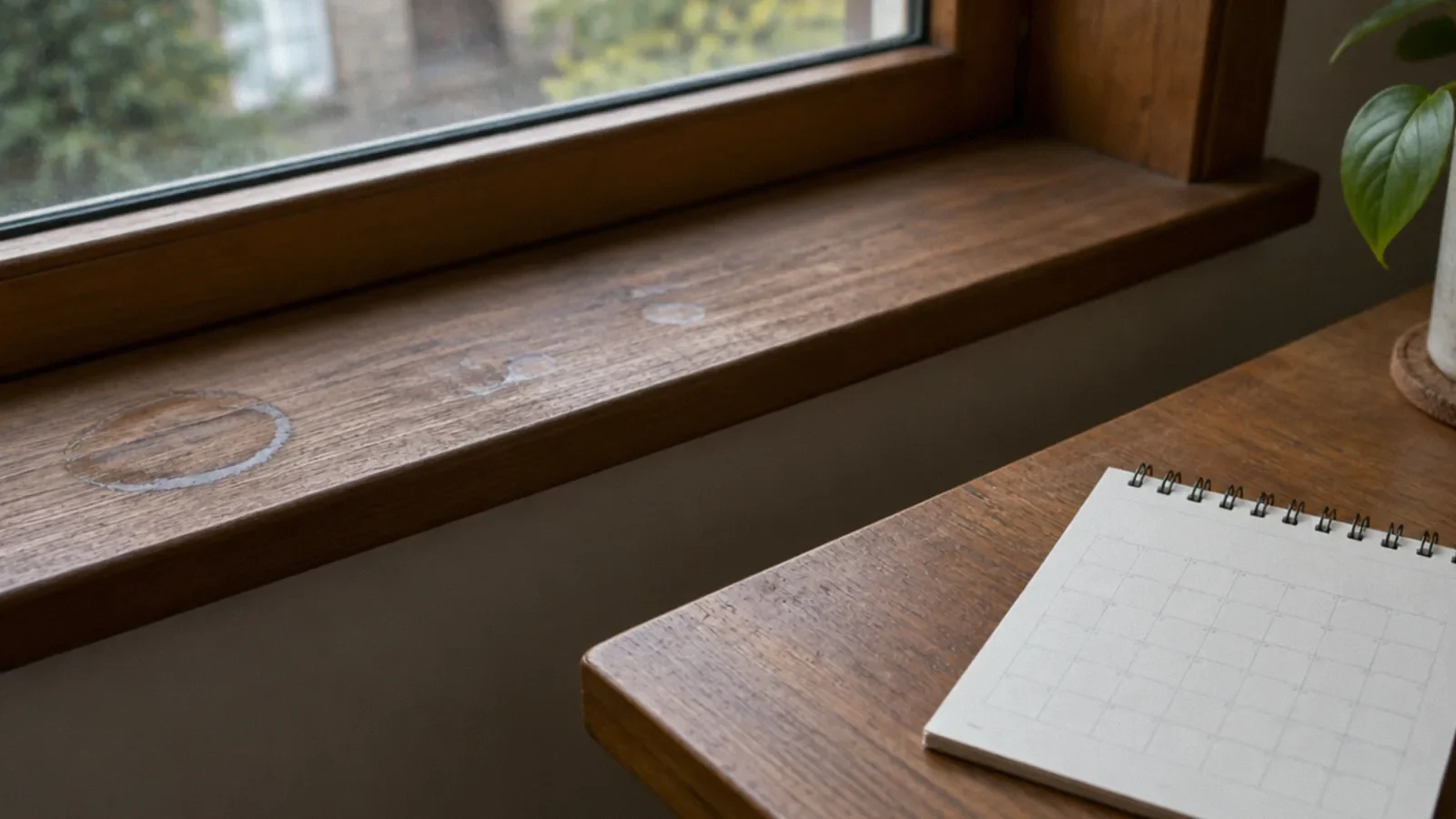
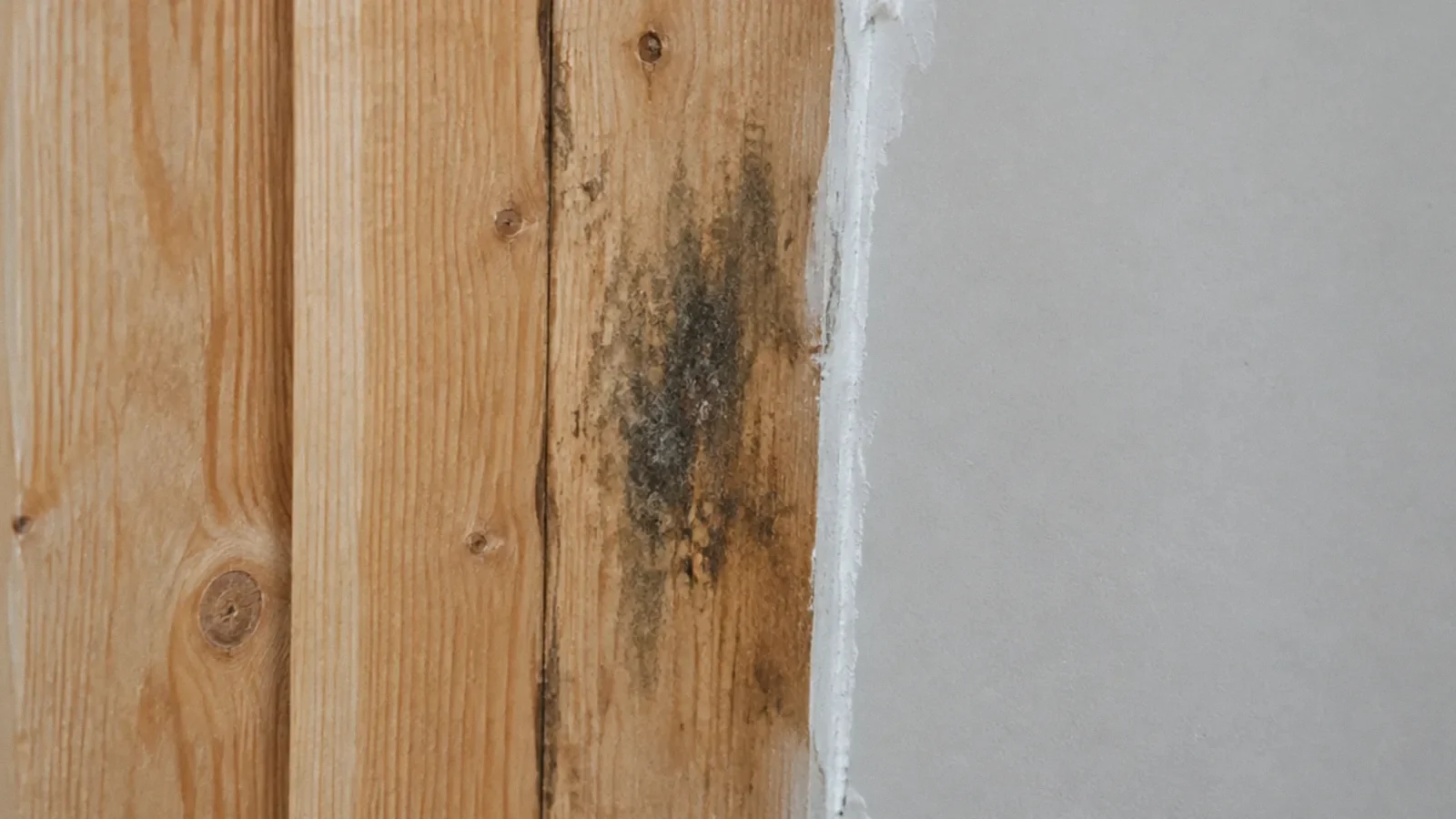
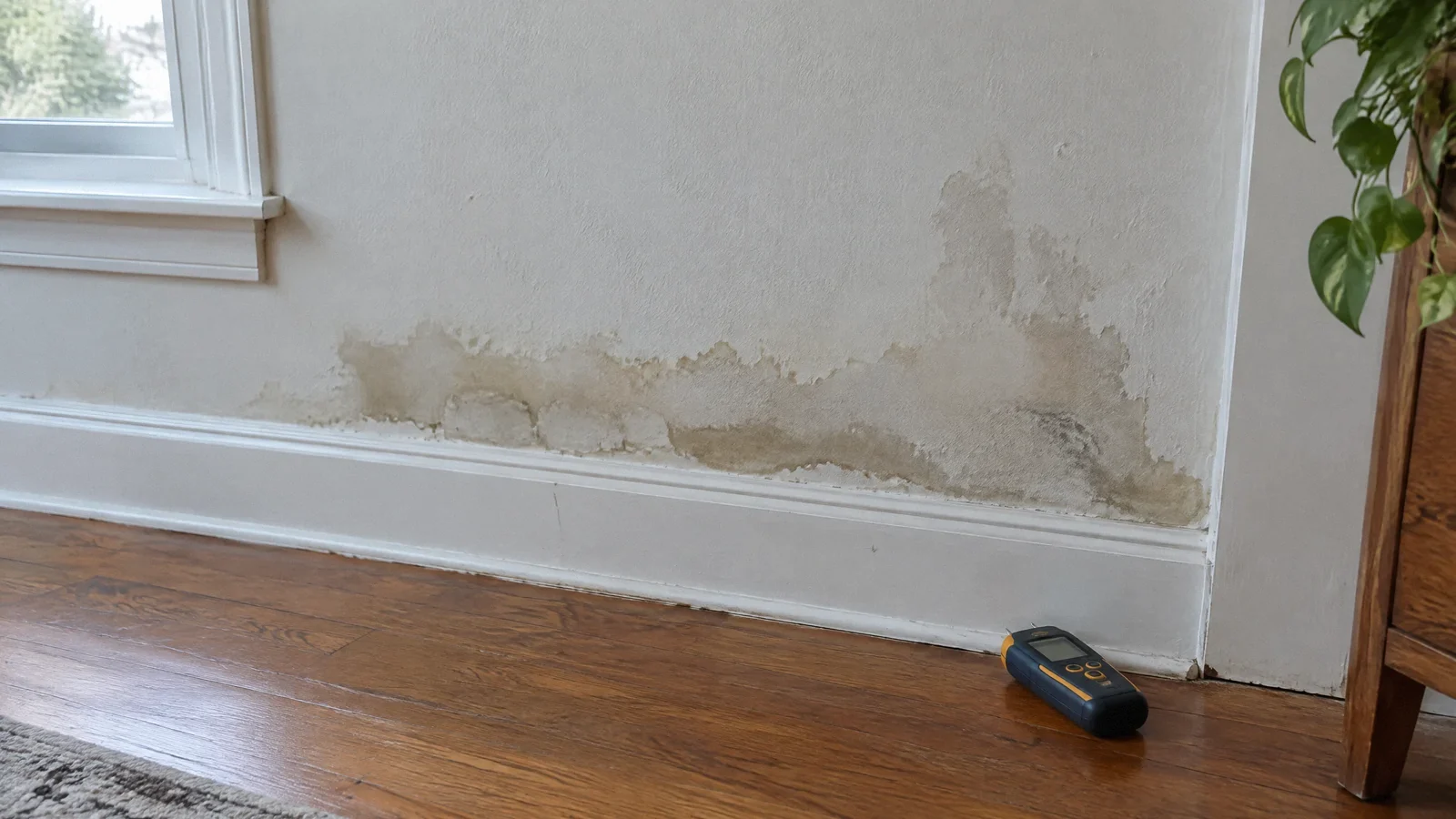
Inspect accessible surfaces in good light: look at the wall face, baseboards, nearby flooring, window edges and adjacent rooms. Peeling paint, swelling, discoloration or a recurring damp patch can indicate a moisture problem. A musty smell near a particular area adds a clue but does not locate or identify mold.
Check readily visible plumbing and the exterior for obvious leaks or drainage issues without opening electrical equipment or entering unsafe spaces. If the wall is wet near an outlet, wiring, structural damage or sewage, keep away and arrange qualified help. Do not cut, drill, peel wallpaper or disturb suspect material merely to look behind it; EPA warns disturbance can release spores.
Understand moisture meters and infrared cameras
A moisture meter can help an experienced inspector compare a suspect area with a comparable dry area. Pin and noninvasive meters work differently, and readings depend on material, depth, calibration and construction. Metal, wiring, foil and other conditions can interfere. A high reading identifies a reason to investigate moisture; it does not identify mold. A low surface reading cannot rule out a damp or moldy cavity beyond the instrument’s reach.
An infrared camera shows surface temperature patterns, not mold or moisture directly. Evaporation and temperature differences can make a wet area appear different, but insulation gaps, framing, sunlight and air leaks can create similar patterns. An inspector should interpret the image alongside the building history and appropriate moisture measurements. Neither device can certify that a concealed wall is mold-free.
When a cavity needs closer inspection
If the history, odor or readings point to concealed damage, ask an experienced inspector how the suspected cavity can be evaluated with minimal disturbance. A small inspection opening or a borescope may help view a limited portion of a cavity. An opening needs a plan for dust control, occupant protection, hidden utilities and repair. A camera sees only the surfaces and angles it reaches, so a clear image of one spot does not clear the entire wall.
A larger controlled opening may be necessary to determine the extent of damage and remove affected materials. The appropriate approach depends on the building, moisture source and occupants. Older materials may contain asbestos or lead; arrange appropriate assessment before disturbing them. Renters should notify the owner or manager in writing and request an inspection rather than making unauthorized openings.
Decide whether sampling will answer a question
EPA says visible mold usually does not need sampling to establish that cleanup and moisture correction are needed. A home test plate or a single air sample cannot by itself establish where hidden growth is, whether a cavity is clear, or whether a home meets a federal mold limit. Spores occur in outdoor as well as indoor air, and results depend on where and when samples are taken.
There are situations in which a qualified professional may recommend a sampling plan, for example to investigate an unclear source or answer a specific question. Ask what decision the proposed samples will change, where comparison samples will be collected, how results will be interpreted and what their limits are. Avoid spending the repair budget on a test that does not resolve the moisture problem.
After a finding, correct the cause and verify the repair
A wall can be rebuilt only after the water source is addressed and affected materials have been appropriately cleaned or removed and dried. The scope depends on the material, extent, water source and ability to reach contamination. Painting over stains or spraying a fragrance does not remove concealed growth. Floodwater and sewage need special assessment because contamination can extend beyond visible marks.
Ask the contractor to document the source repair, affected areas, removal and drying approach, and how completion will be evaluated before finishes are replaced. EPA describes successful remediation as correcting the water problem and leaving no visible mold or moldy odors. Follow-up observations matter: if staining, wetness or odor returns, reopen the investigation rather than assuming a new coat of paint resolved it.
Choose help and keep useful records
Seek a professional with experience in moisture investigation and hidden mold when evidence points into a wall, when the affected area is extensive or when the occupants have health concerns. Ask who will perform inspection and any remediation, how containment decisions are made and what written findings you will receive. A clear scope should distinguish confirmed observations from suspicions and list the next decision if the initial opening is inconclusive.
Keep photographs, dates, inspection notes, repair invoices and drying records together. For an insurance claim, contact the insurer and document the damage before disposal when safe to do so. Coverage depends on the policy and cause; an inspection does not guarantee payment. If anyone has symptoms or specific medical concerns, consult a healthcare professional rather than using the wall’s appearance to infer a diagnosis.
Your next-step checklist
- Record leaks, odors and visible changes with dates and photographs.
- Repair active water sources and arrange a qualified inspection if the wall cavity is suspect.
- Ask what each proposed measurement or sample can and cannot establish.
- Document cleaning, drying and source correction before the wall is closed.
Related questions
Can a moisture meter detect mold behind drywall?
No. It can indicate moisture under certain conditions, but it cannot identify mold or rule out growth beyond its effective range.
Should I cut a hole to check a musty wall?
Do not disturb suspected growth without a plan. An experienced inspector can assess utilities, exposure and the least disruptive suitable method.
Does a negative air test rule out hidden mold?
No. A sample represents particular conditions at a particular time and location; it cannot by itself clear an inaccessible cavity.
Sources & context
Public guidance supports the principles in this article. The practical questions and examples are editorial interpretation, not a site assessment or a coverage decision. State-specific rules apply only where identified.