Dry condensation promptly, reduce indoor humidity, improve ventilation and repair leaks. Clean small areas on hard surfaces using EPA precautions; persistent, extensive or hidden growth needs professional assessment.
Find why the window stays wet
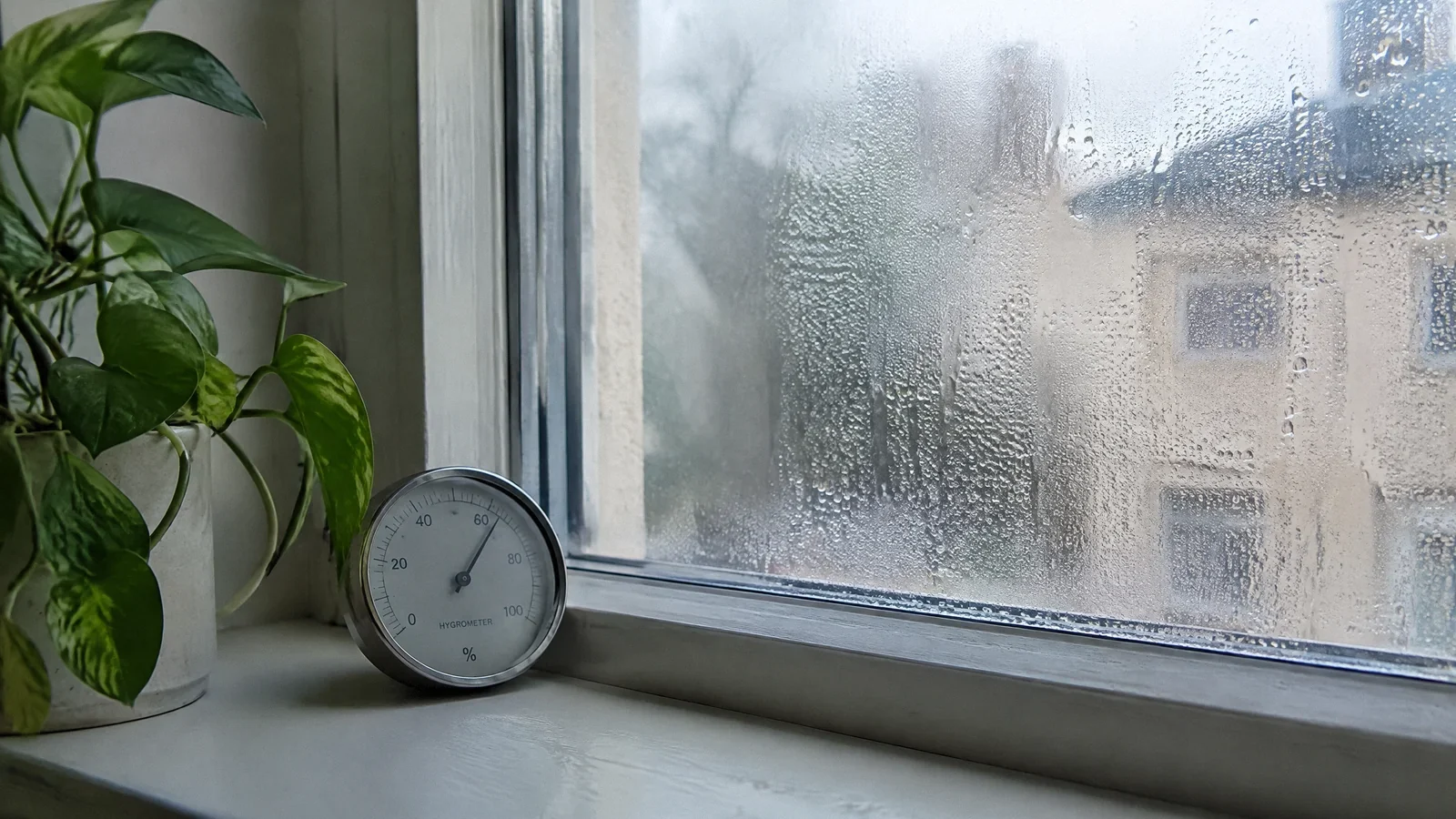
Look at when and where moisture appears. Drops on the room-facing glass after a cold night often point to condensation: humid indoor air has contacted a cold surface. Water that appears after rain, particularly around the top or sides of the frame, may indicate an exterior leak instead. Both can occur together, so a pattern is a clue rather than a diagnosis.
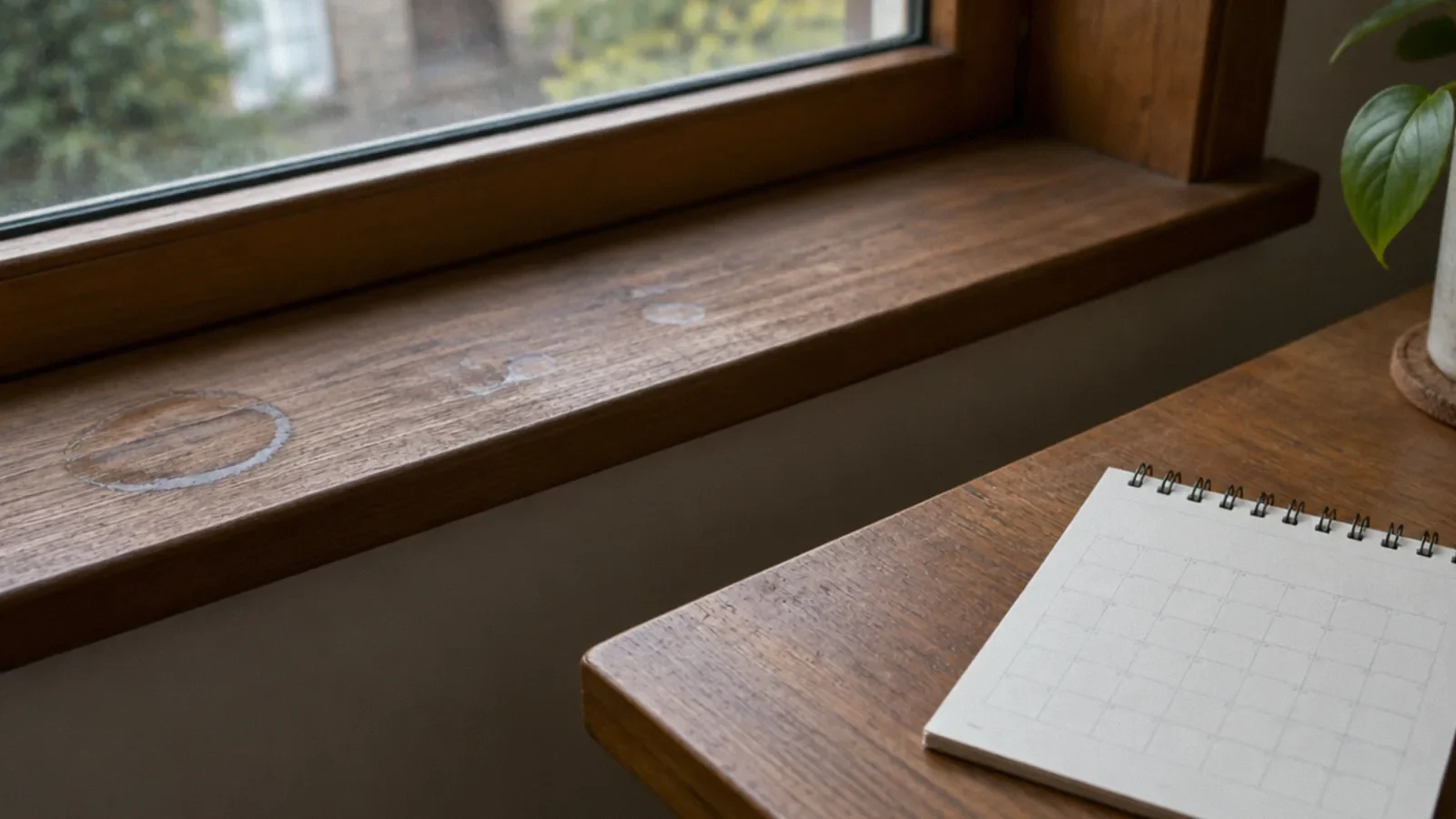
Check the glass, sash, sill, corners and nearby wall. Wipe off condensation promptly and dry the sill. Look for peeling paint, soft wood, swollen trim or recurring staining. Do not assume that a dry pane means the wall cavity is dry. Photograph recurring wetness and note weather and indoor activities so a landlord or building professional can investigate.
Control indoor humidity
Use a small hygrometer to check relative humidity in the room. EPA recommends keeping indoor humidity below 60%, ideally between 30% and 50% when possible. Cold outdoor conditions can make even lower humidity necessary to limit condensation on a particular window. A single reading is a starting point, not proof that every cold corner is dry.
Run bathroom and kitchen exhaust fans to the outdoors while showering or cooking, and use them afterward as needed. Check that they actually exhaust outside rather than into an attic. A dehumidifier or air conditioner may help when conditions call for it; maintain and empty the equipment according to its instructions. Reduce or turn off a humidifier if condensation appears. Drying laundry indoors and long showers can add moisture.
Opening a window can help when outdoor conditions permit and the incoming air is sufficiently dry. It is not always effective in humid weather and should not compromise safety or security. Heating and cooling equipment should be operated and maintained as intended; seek professional advice if the home remains persistently damp.
Keep cold surfaces and window areas drier
Keep curtains, blinds, furniture and stored items from blocking airflow against a window. Open coverings periodically so the sill and lower glass can dry, especially overnight in cold weather. Do not place a heater against a curtain or window treatment. Where practical, maintain even indoor temperatures rather than letting a room become very cold and damp.
Cold glass and thermal bridges at frames encourage condensation. A building professional can evaluate weatherstripping, air leaks, insulation, glazing and storm windows for the climate and construction. More sealing is not a complete answer if it traps moisture without adequate ventilation. Compare options with the cause you observed before replacing windows.
Repair leaks without trapping moisture
If moisture follows rain, arrange an inspection of the exterior flashing, siding, roof drainage, sealant and window installation. Water visible at a sill may have entered elsewhere. A repair should stop the actual path of water and allow wet materials to dry; smearing caulk over an unexplained leak can conceal the symptom without fixing the source.
For renters, report the location and recurring conditions to the landlord or property manager in writing. If you own the property, ask a qualified window or building professional to trace the leak. If a sill or wall is soft, swollen, or repeatedly wet, concealed damage may require a broader assessment before finishes are restored.
Address existing growth safely
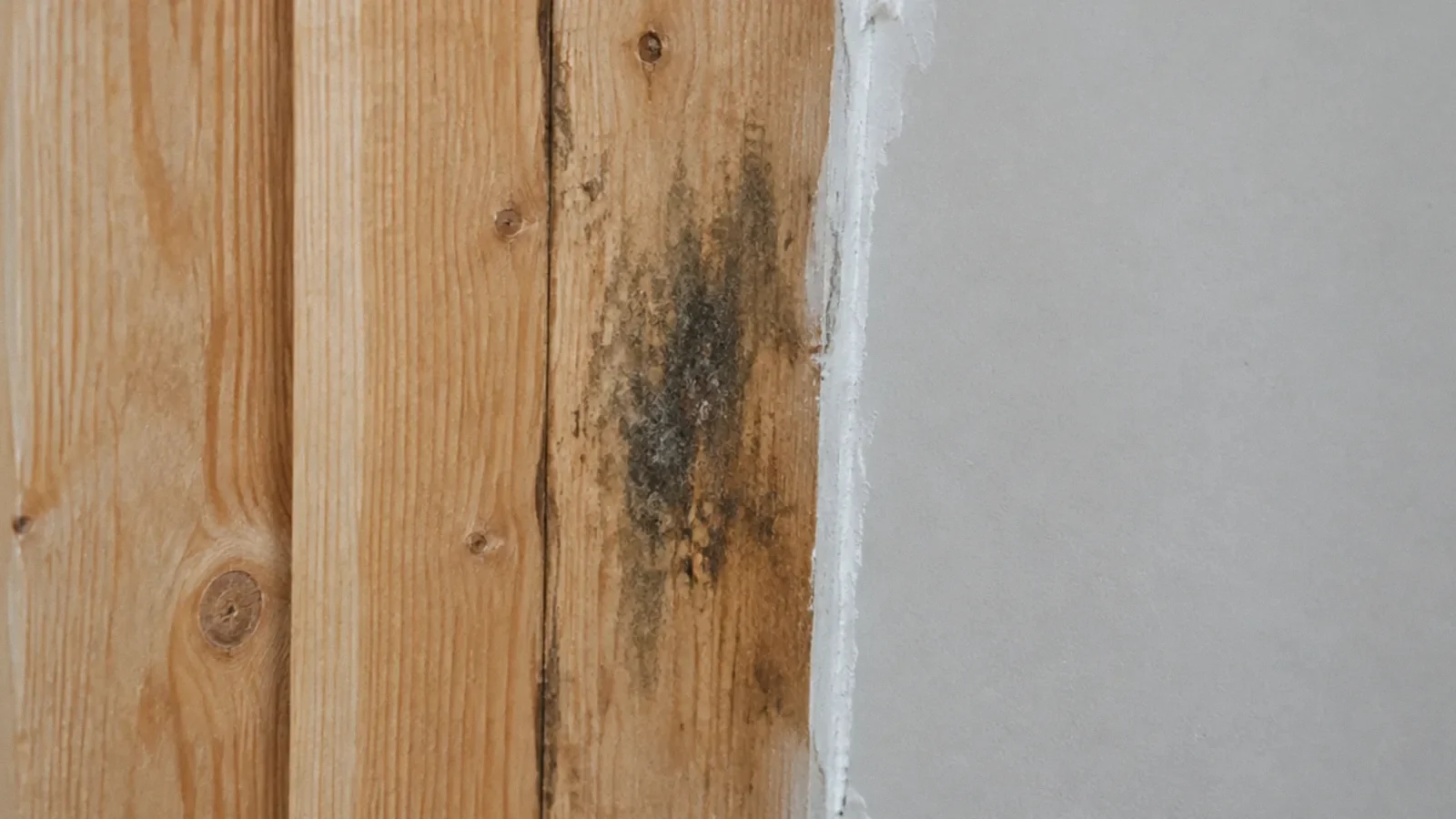
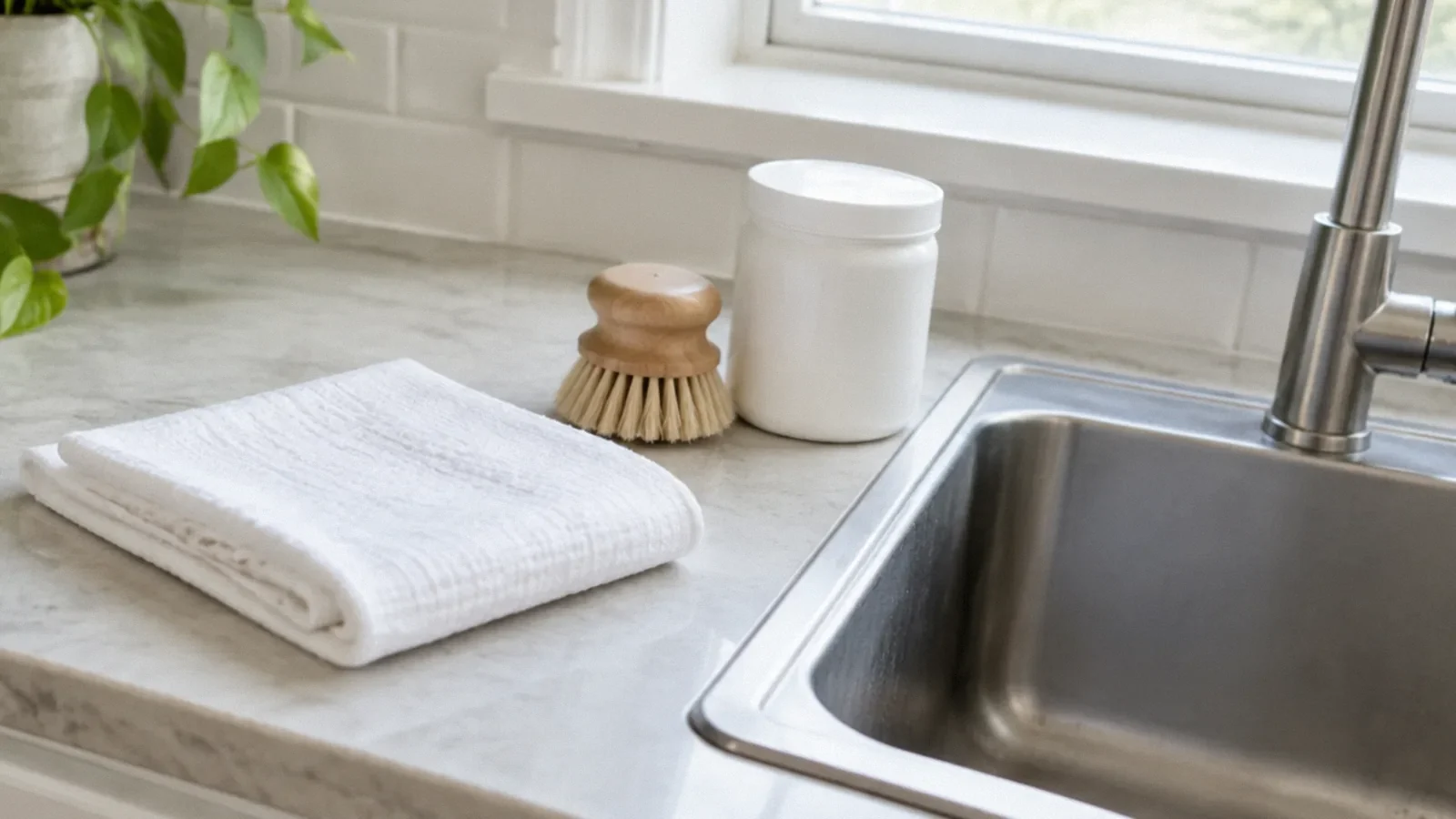
If a small area of mold is on a hard, nonporous surface, EPA advises cleaning it with detergent and water and drying completely. Follow EPA precautions for gloves, eye protection and respiratory protection. People with health concerns should consult a health professional before cleanup. Do not mix cleaning chemicals, and do not paint or caulk over mold.
Porous or absorbent materials such as damaged drywall or some wood products may not be fully cleanable and may need professional evaluation or replacement. If growth is extensive, hidden, repeatedly returns, involves contaminated water, or you are uncertain about the scope, consult a qualified remediation professional. A dark spot alone does not identify a mold species or establish a health diagnosis.
Check whether the fix worked
After cleaning and correcting the source, inspect the window during the same conditions that produced moisture. Record indoor humidity and whether the glass or sill becomes wet in the morning or after rain. If condensation persists, adjust moisture control or seek a building assessment; if water returns during storms, continue investigating the leak.
Keep the sill clear enough to see new moisture, dry any condensation promptly and maintain exhaust equipment. Prevention depends on the combined effect of moisture, surface temperature, airflow and leak repair. No coating or cleaning product guarantees that a damp window will remain mold-free.
Your next-step checklist
- Dry wet glass and sills promptly.
- Measure humidity and use suitable ventilation.
- Investigate water that appears after rain.
- Avoid painting over mold.
- Inspect again during the conditions that caused the problem.
Related questions
Is condensation always caused by a leaking window?
No. Indoor moisture can condense on cold glass. Rain-related wetness around the frame can indicate a leak, and both problems can coexist.
Can I identify mold by its color?
No. Color does not reliably establish the species or health risk. Correct the moisture source and seek help if the area is extensive or uncertain.
Will bleach prevent it from returning?
No product substitutes for fixing moisture. EPA does not recommend bleach as a routine mold cleanup method.
Sources & context
Public guidance supports the principles in this article. The practical questions and examples are editorial interpretation, not a site assessment or a coverage decision. State-specific rules apply only where identified.