Remove the moisture source, separate affected contents, and clean only suitable hard surfaces. Seek conservation advice for valuable papers and professional help for extensive contamination.
Why a closed safe can become damp
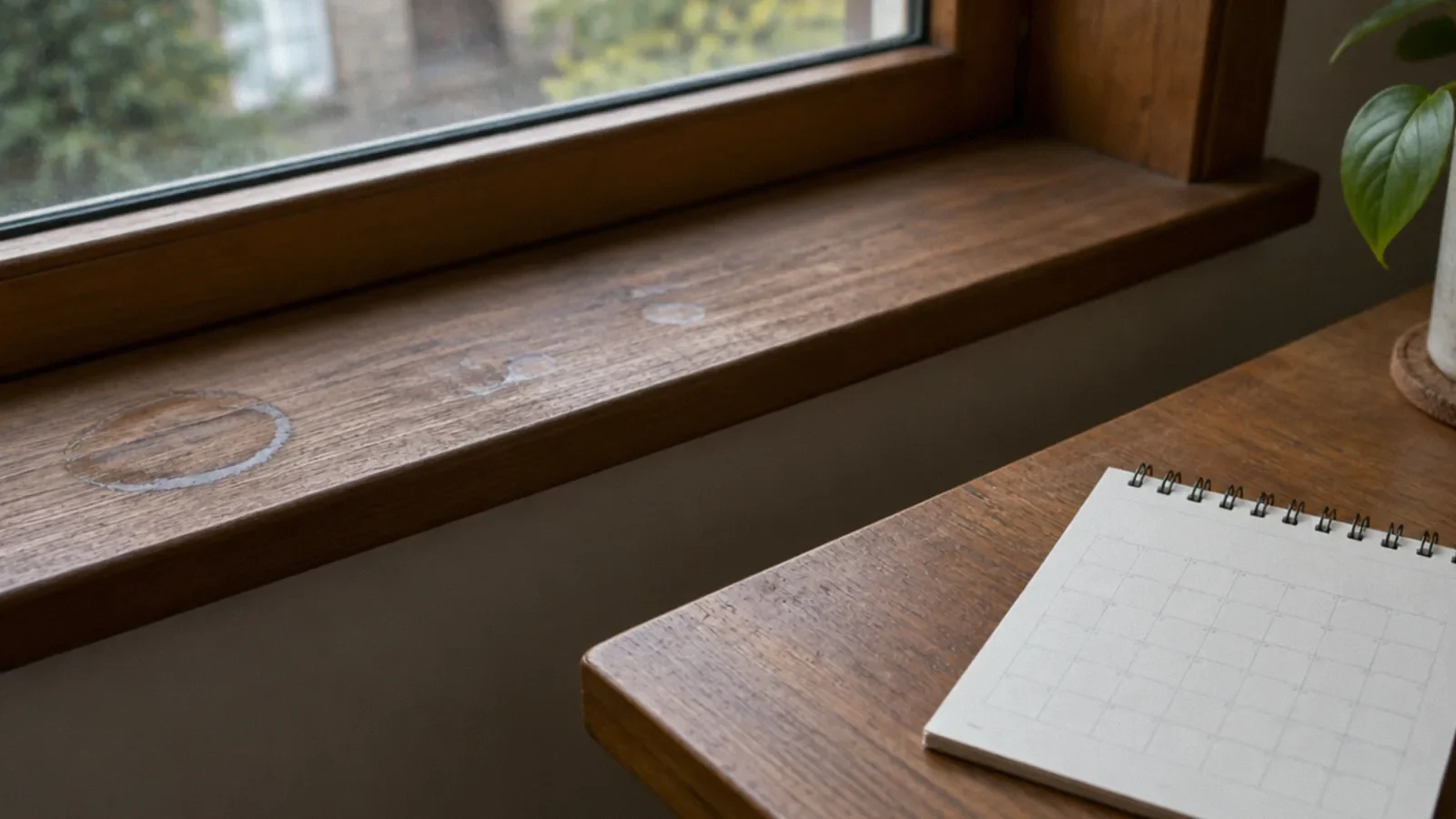
A safe can protect valuables from theft or fire and still trap moisture. Paper, fabric lining, leather and other contents can carry humidity into the enclosure. A safe stored against a cold exterior wall, in a basement or on a damp floor may experience condensation as temperatures change. Floodwater or a plumbing leak creates a different, more serious problem because water and contaminants may reach both the container and its contents.
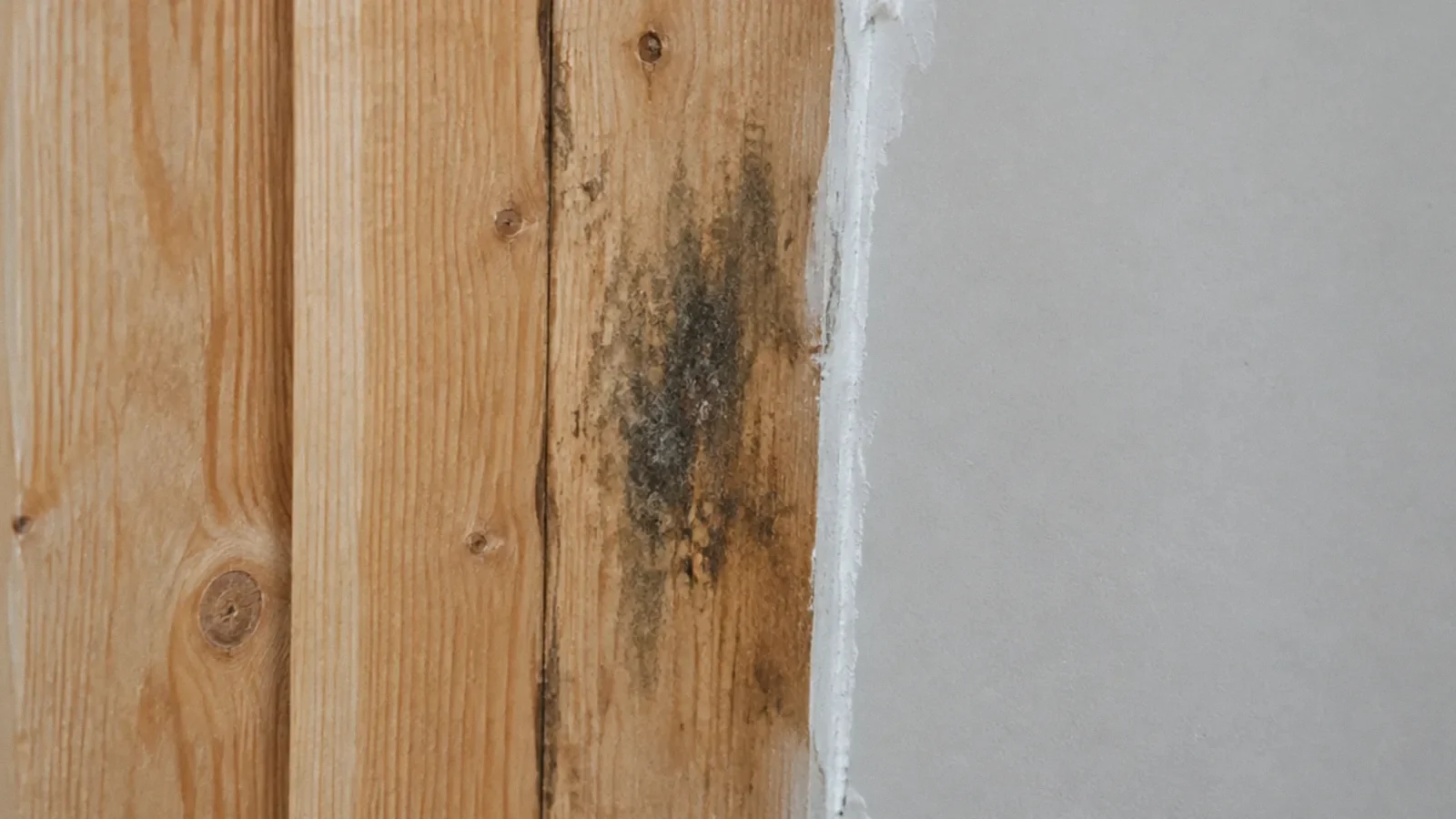
A musty smell, visible fuzzy deposits or damp papers calls for investigation, but a photograph or color alone cannot identify a mold species. Dust, corrosion and mineral deposits can look similar. Do not rely on the safe being locked or on a fire rating as proof that its contents stay dry. Check the manufacturer’s storage and humidity instructions for the particular model.
Protect yourself and separate the contents
Move other people and pets away from the area. People with mold allergies, asthma, chronic lung disease or weakened immune systems should not undertake cleanup; ask a qualified person to help. For a small cleanup, CDC recommends at least a NIOSH-approved N95 respirator, protective gloves and goggles without open ventilation holes. Avoid disturbing deposits unnecessarily or blowing them into the room.
Open the safe in a suitable ventilated location if it can be moved safely and the manufacturer permits it. Do not drag a heavy safe or attempt to move a bolted unit alone. If it contains firearms, follow applicable safe handling and storage requirements and consult the manufacturer before using liquids near mechanisms. If floodwater or sewage entered, or electrical components were wetted, stop and obtain appropriate professional help rather than handling it as ordinary surface dust.
Separate visibly affected papers, photographs, textiles and other porous contents from clean items. Place affected objects in a way that avoids transferring debris; consult a conservator promptly for irreplaceable documents, photographs or valuable objects. Do not brush, vacuum with an ordinary household vacuum, soak, laminate or bleach important papers. National Archives recommends removing the moisture source and provides preservation guidance for mold-affected records.
Clean suitable surfaces and protect delicate contents
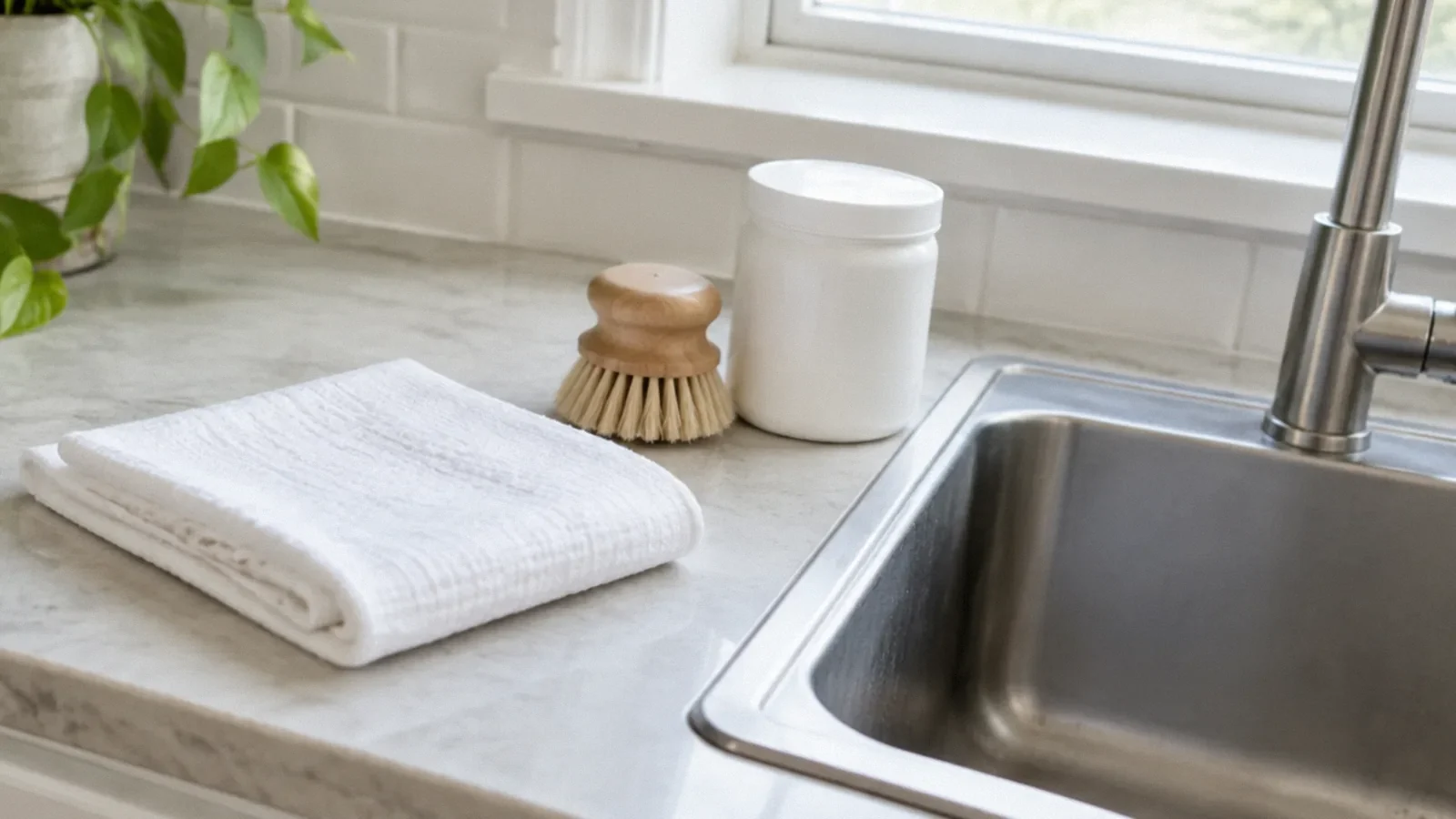
A small affected area on an accessible hard, nonporous surface may be cleaned with detergent and water, then dried completely, provided the safe maker permits that treatment. Apply cleaning solution to a cloth rather than flooding the interior, hinges or lock. Follow the product label and the manufacturer’s instructions. Do not mix bleach with ammonia or other cleaners; a disinfectant does not replace physical removal and drying.
Porous linings and contents require a different decision. Mold can penetrate fabric, foam and paper, so wiping the visible face may leave contamination inside. Ask the manufacturer about replacement lining and a conservator about valuable objects. A restoration professional can assess extensive or recurring growth. For an inexpensive item that cannot be thoroughly cleaned and dried, disposal may be more practical than returning it to the enclosure.
Take photographs and record the affected contents before disposal if insurance or a warranty claim may be relevant. Contact the insurer and safe manufacturer about their documentation requirements. Coverage depends on the policy and cause; photographs alone do not establish coverage.
Fix the moisture source before closing it again
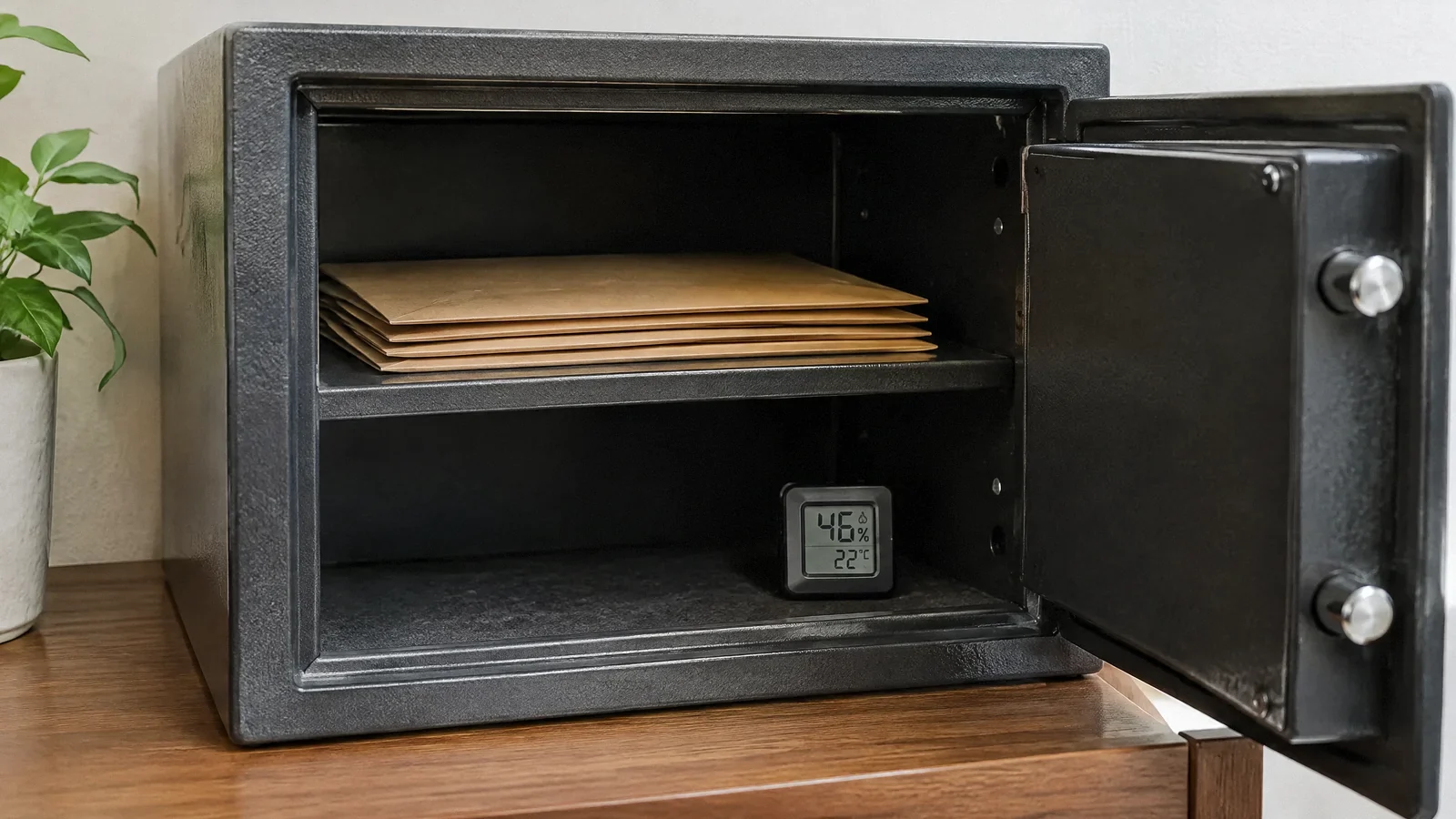
Find out whether the moisture came from a leak, flood, damp contents, high room humidity or condensation. Repair the source and dry the room as well as the safe. A portable hygrometer near the safe can help reveal persistent humidity, but a single reading inside an open safe is not a diagnosis. EPA recommends keeping indoor relative humidity below 60%, ideally between 30% and 50% where practical.
Return only clean, completely dry items. Follow the safe manufacturer’s directions for ventilation, desiccants or dehumidifying accessories: an incompatible heater or an altered seal can damage the safe or affect its rating. Desiccant has limited capacity and needs inspection or replacement according to its instructions. Store the unit away from known water intrusion and inspect contents periodically for renewed odor, moisture or spotting.
If growth returns after cleaning, reassess the room, the safe lining and the contents rather than repeatedly masking the smell. A professional can inspect hidden contamination and determine whether removal or replacement is appropriate. If the safe or contents were damaged by a major flood, a restoration specialist and a conservator may both be needed.
When the problem needs a specialist
A small spot on a removable metal shelf is not the same as a moldy fire-resistant lining or a collection of damp legal papers. If the lining is soft, crumbling or inaccessible, stop before pulling it apart. The manufacturer can explain which components can be replaced without compromising the safe. An independent conservator can prioritize documents by condition and value; a remediation professional can assess broader damage in the surrounding room.
Avoid treating a fragrance, a negative home test or a visibly cleaner surface as proof that the contents and enclosure are dry. Recheck after the room has returned to normal conditions and keep a record of humidity readings, repairs and any renewed smell. If an item is irreplaceable, preserve evidence of its condition and ask the conservator for handling instructions before attempting treatment.
Your next-step checklist
- Keep vulnerable people away from cleanup.
- Separate valuable papers and seek conservation advice.
- Clean suitable hard surfaces and dry the safe fully.
- Correct the moisture source before returning contents.
Related questions
Does a fireproof safe prevent mold?
A fire rating does not guarantee a dry interior. Follow the manufacturer’s humidity and storage instructions.
Can I bleach moldy documents?
Do not bleach valuable papers. Consult a conservator about safe handling and treatment.
Sources & context
Public guidance supports the principles in this article. The practical questions and examples are editorial interpretation, not a site assessment or a coverage decision. State-specific rules apply only where identified.