A musty odor, visible film or neglected standing water can signal that a humidifier needs cleaning, but appearance alone cannot identify mold. Unplug the unit and follow its manufacturer’s cleaning instructions. CDC recommends emptying portable humidifiers daily, cleaning them regularly and letting them air dry.
Signs to investigate
Look for visible film, discoloration, deposits or a musty smell in the tank and other accessible water-contact surfaces. Scale and mineral deposits can look like biological growth; a photograph or color alone does not determine what is present.
If the unit is visibly dirty or smells musty, stop using it until it can be cleaned and inspected according to the manufacturer’s instructions. People with respiratory symptoms or specific health concerns should ask a clinician for individual guidance.
Why humidifiers need maintenance
Standing water and deposits can support microorganisms. CDC notes that germs in a humidifier can spread in its mist. The type of device, water, frequency of use and cleaning practices influence the conditions inside it.
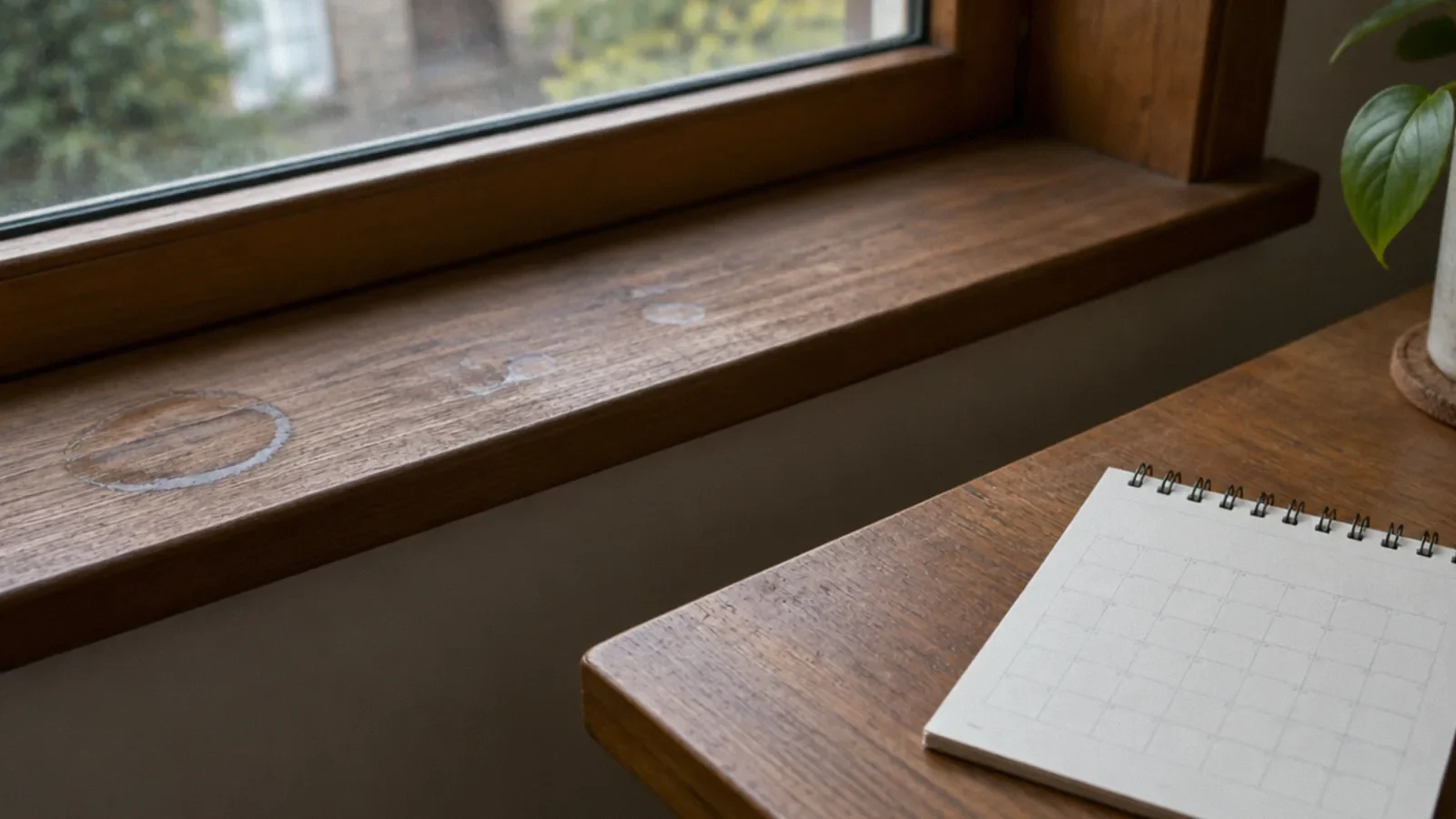
A humidifier adds moisture to indoor air; too much indoor moisture can contribute to condensation and mold on building materials. Use it only when needed, monitor indoor humidity and correct dampness on windows or other surfaces.
Unplug before cleaning
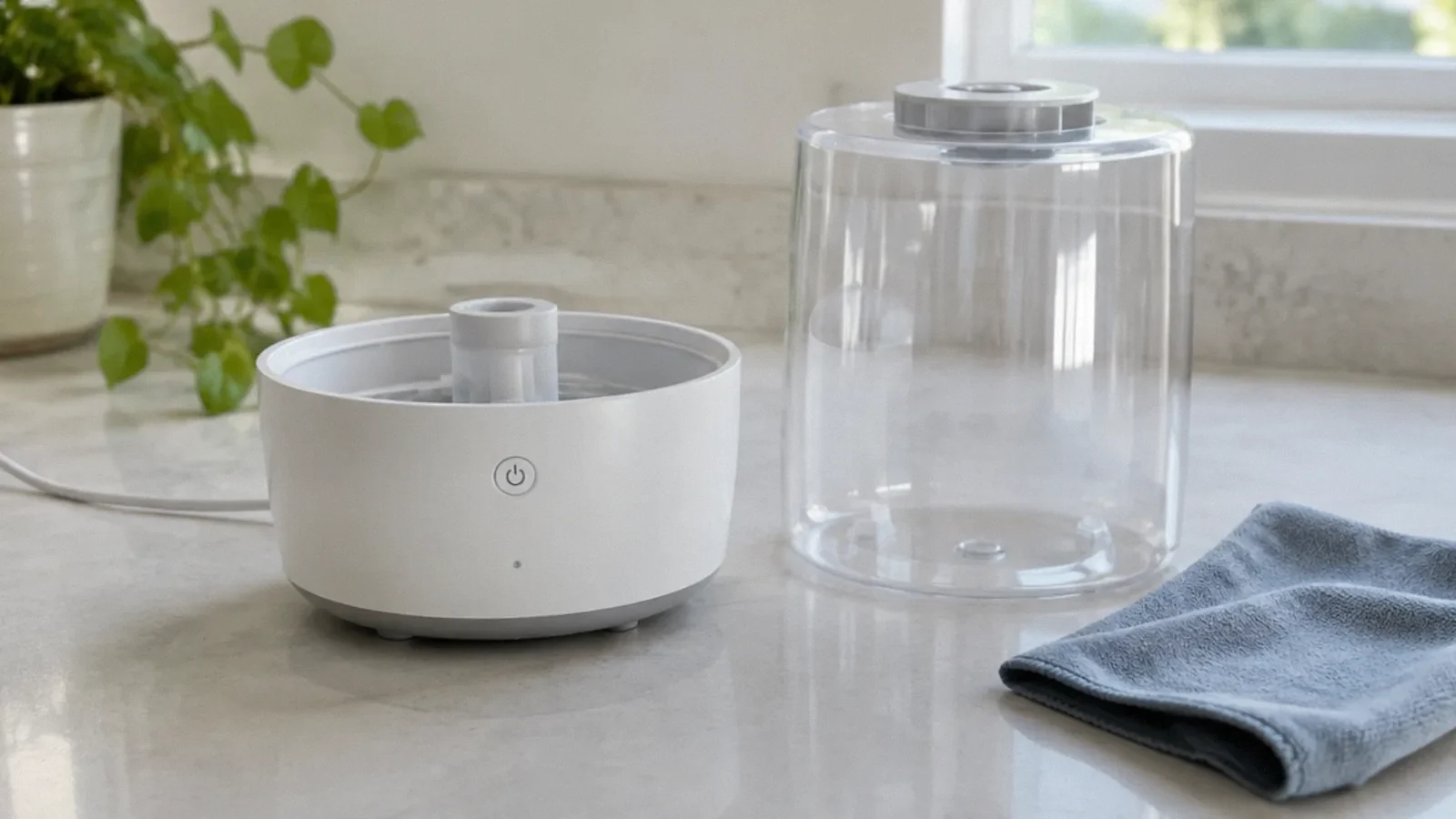
Unplug the device before emptying or cleaning it. Follow the maker’s directions for disassembly and keep electrical components dry. Do not submerge the base unless the manufacturer expressly permits it.
Remove standing water and clean accessible surfaces as directed. Do not mix cleaning products. If a cleaner or disinfectant is used, follow the label and manufacturer instructions, including any required rinsing, so chemicals are not dispersed into the air.
Daily water and regular cleaning
CDC advises emptying all water from portable humidifiers daily, cleaning regularly according to the manufacturer and allowing the device to air dry after cleaning. EPA advises daily emptying, wiping and refilling and recommends cleaning portable units every third day. Follow the instructions for your particular model.
Do not simply top off old water. For storage, empty, clean and dry the device as directed. Replace filters or other components when the manufacturer specifies; a damaged or inaccessible component may need professional advice or replacement.
What water should you use?
CDC suggests distilled or boiled and cooled water to further reduce germ growth. EPA notes that distilled water generally has lower mineral content than most tap water and can reduce mineral buildup, particularly in ultrasonic or impeller units. Follow your device’s instructions.
Boiling water does not remove dissolved minerals in the same way as distillation. Do not handle hot water around children or pour boiling water into equipment unless its instructions allow it. A medical device such as a CPAP has separate manufacturer and healthcare guidance.
When cleaning is not enough
A heavily contaminated, damaged or difficult-to-clean tank or filter may need replacement. Ask the manufacturer how to clean the specific component and whether replacement parts are available. Do not operate a device with damaged wiring or a compromised electrical base.
If a musty odor returns quickly, check for retained water, missed surfaces and the room’s overall moisture. A humidifier is not a treatment for an existing mold problem in walls, ceilings or furniture; the building moisture source needs separate attention.
Prevent condensation and repeat problems
Place the humidifier on a suitable stable surface and use it according to the instructions. If nearby materials or windows become damp, reduce output or stop use and investigate the room’s humidity. Avoid exposing children to hot steam vaporizers.
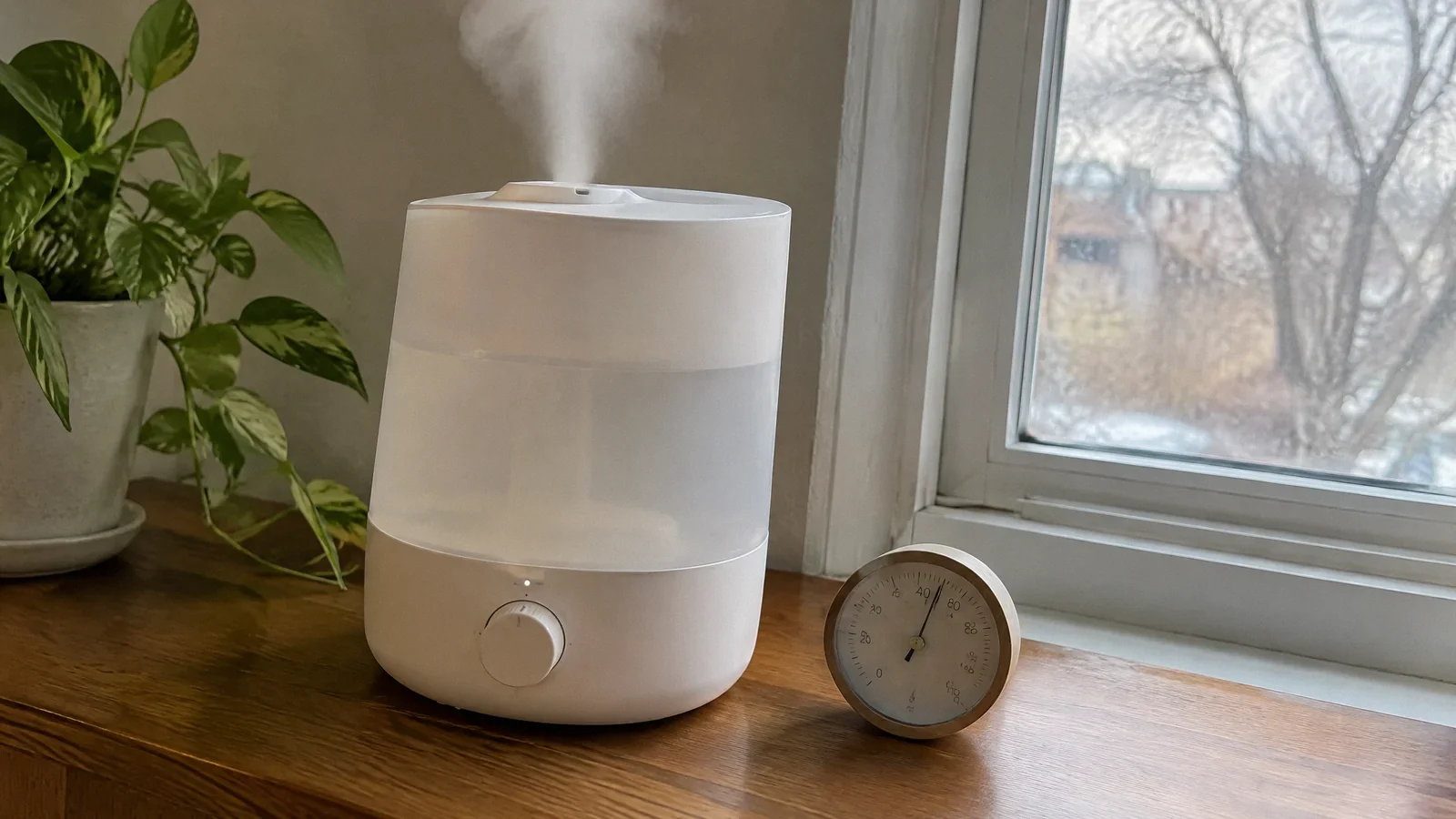
Use a hygrometer to check conditions and adjust ventilation or humidity controls as appropriate. A single reading does not identify hidden moisture, so investigate leaks or recurring stains separately.
If you use a central or furnace-mounted humidifier, consult its specific maintenance instructions rather than applying portable-device steps to the whole system. Arrange qualified HVAC service when access to electrical or mechanical components is required.
Your next-step checklist
- Unplug the unit before cleaning.
- Empty the tank daily and clean as directed.
- Let cleaned parts air dry.
- Use the water type recommended by the manufacturer.
- Stop use if moisture or odor returns and investigate.
Related questions
How do I know if a humidifier has mold?
Visible film or a musty odor warrants cleaning and inspection, but appearance alone cannot identify mold.
Should I keep using a dirty humidifier?
Stop use until it is cleaned and inspected according to the manufacturer’s instructions.
Does distilled water eliminate the need to clean?
No. Empty and clean the humidifier regularly even when using distilled water.
Can a humidifier cause dampness in a room?
Yes. Excess moisture can lead to condensation; use the device only when needed and monitor conditions.
Can a humidifier make a room damp?
Yes. Excess output can increase indoor moisture and cause condensation on nearby surfaces. Reduce or stop use if materials become damp, monitor conditions and follow the device instructions.
Sources & context
Public guidance supports the principles in this article. The practical questions and examples are editorial interpretation, not a site assessment or a coverage decision. State-specific rules apply only where identified.
- CDC: Preventing waterborne germs at homefederal health guidance
- U.S. EPA: Use and care of home humidifiersfederal safety guidance
- U.S. EPA: Mold course, humidifiersfederal technical guidance