Yes. Excess humidifier output can wet surfaces or raise humidity enough to encourage mold. A humidifier adds moisture and does not remove mold; correct the moisture source and clean or remove affected material.
How added moisture can support mold
A humidifier raises the amount of water vapor in a room. When it runs more than the space needs, moisture can condense on cold windows, exterior walls or other surfaces. A wet surface or damp absorbent material provides conditions that can support mold. It is the persistent moisture, not the mere presence of a device, that makes the difference.
The risk depends on output, room size, ventilation, surface temperature and how long surfaces stay wet. A home can have a leak and a humidifier at the same time. Turning down the appliance will not repair a leaking pipe or prevent water entering through a foundation.
Will a humidifier help with existing mold?
No. A humidifier adds moisture; it does not remove mold or correct its source. Running one to treat a musty room can make a moisture problem worse. A dehumidifier is a different appliance: it removes moisture from room air and can help control humidity when selected and operated appropriately.
Neither appliance cleans existing mold or fixes a leak. Follow applicable cleanup guidance, remove or clean affected materials as appropriate, and dry the area after the water source is corrected. If the problem is extensive, hidden or associated with contaminated water, seek qualified help.
What room humidity can tell you
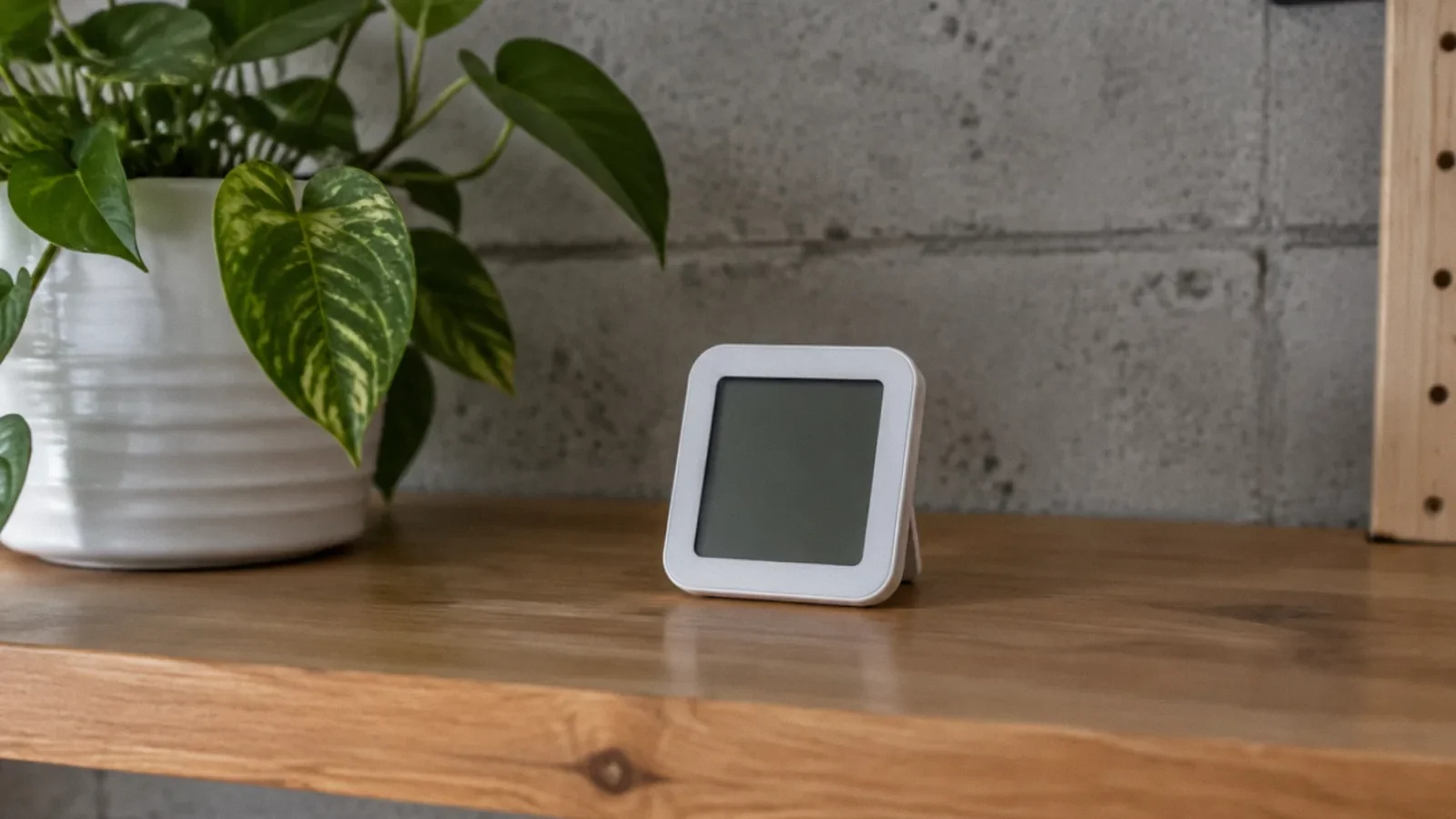
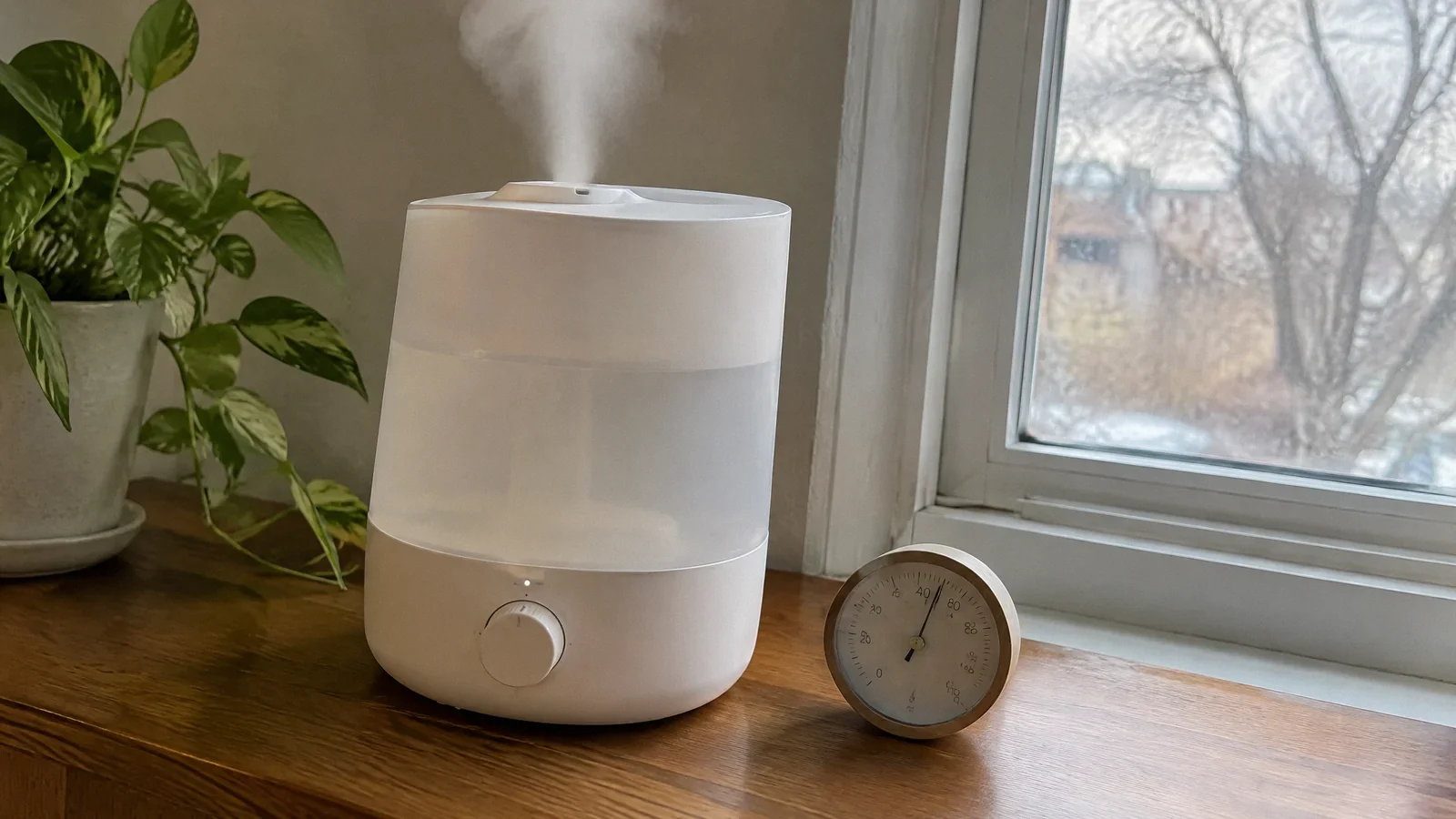
EPA recommends keeping indoor relative humidity below 60% if possible, ideally between 30% and 50%. For humidifier use specifically, EPA advises not exceeding 50%. Use a hygrometer and record readings at representative locations and times, away from the direct mist. Check the meter instructions and consider comparing readings if the result seems inconsistent.
These are general guidelines, not a guarantee that every wall is dry. Relative humidity changes with temperature, and a cold surface can become wet even when the room reading appears acceptable. Look for condensation and investigate recurring stains or dampness instead of relying on a single display.
Can a humidifier cause mold in carpet?
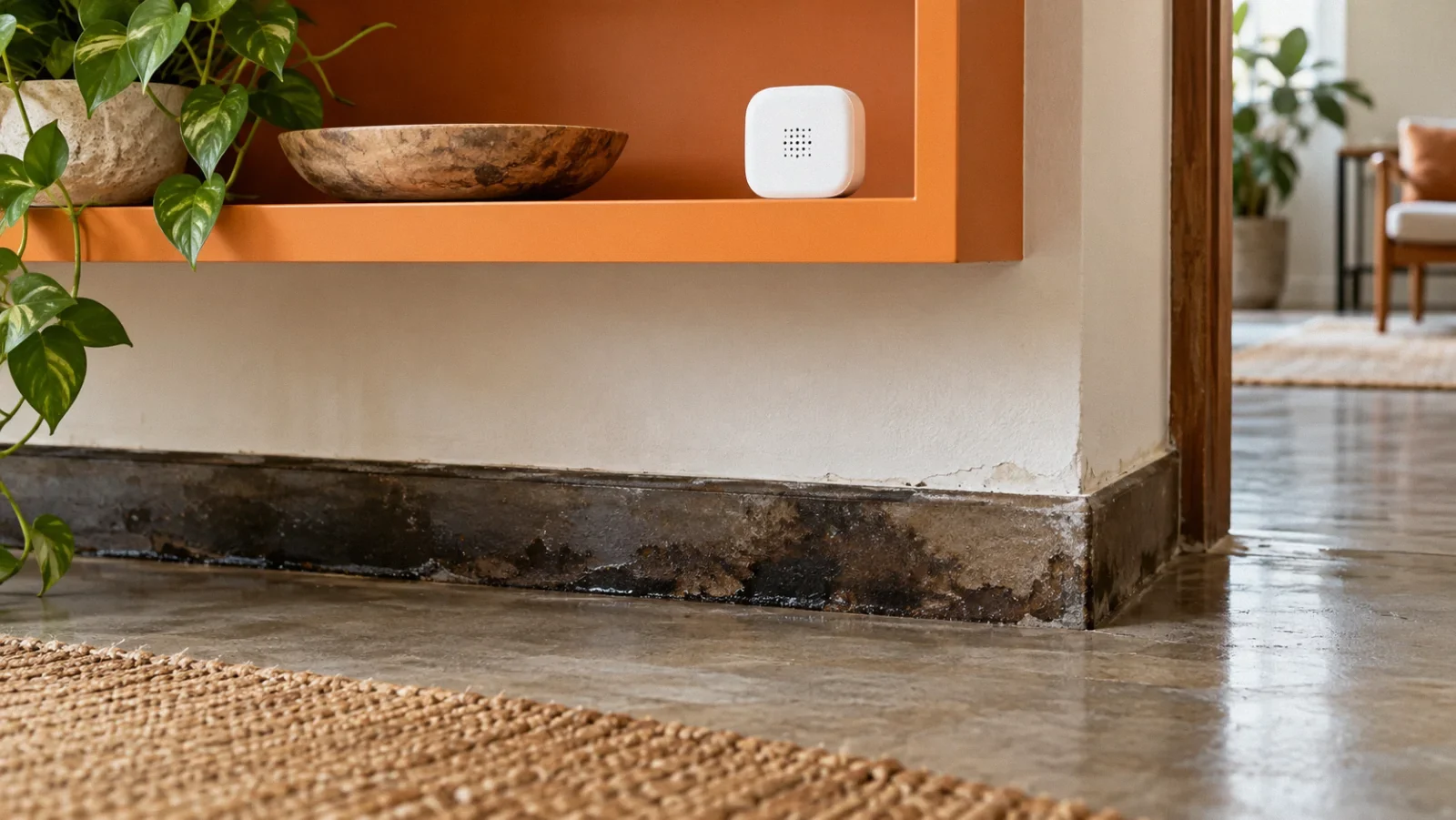
Yes, if mist or a leak repeatedly leaves carpet, padding or the floor beneath it wet. EPA specifically advises against allowing carpeting and other absorbent materials near a humidifier to become damp. Water may collect beneath a rug or cabinet where it is harder to notice.
Stop or reduce output, move the unit to an appropriate stable location and dry the affected area. Inspect both carpet and underlying layers when practical and safe. Persistent dampness, a recurring odor or inaccessible wet padding calls for a more thorough assessment; a dry-looking surface alone does not establish that the layers below are dry.
Signs that output is too high
Condensation on windows, damp curtains, wet furniture or a damp ring around the unit are reasons to lower the setting or stop using it. A musty odor may indicate a moisture problem but does not identify mold or its location. Record where and when moisture appears, including after operation, overnight and after cold weather.
Check the tank and base for a leak as well as mist settling on surfaces. Keep the unit and its cord away from wet electrical connections. If water has reached an outlet or electrical equipment, avoid the area and arrange qualified assistance.
Use and maintain the unit
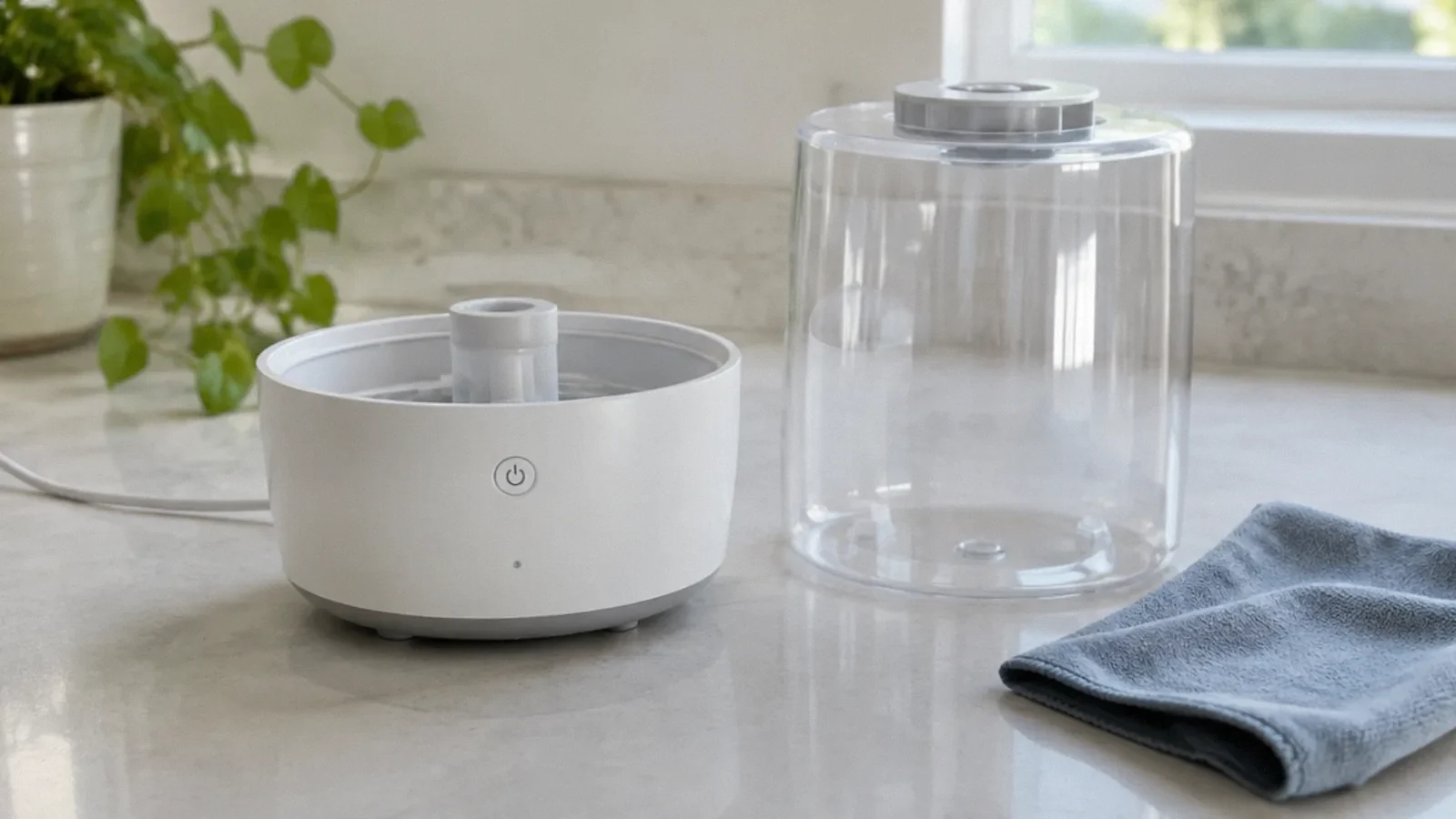
Follow the manufacturer’s placement and maintenance directions. EPA advises emptying, wiping dry and refilling a portable humidifier daily, and cleaning portable units every third day. Unplug it first; clean the accessible surfaces and rinse cleaning products thoroughly as directed. Do not mix chemicals.
Standing water and deposits in the appliance can harbor microorganisms, and some types of humidifier can disperse material from the tank. This is a separate issue from humidity damaging the room. Distilled water can reduce mineral dispersal, but it does not eliminate the need for cleaning. Keep hot steam devices away from children.
Investigate moisture beyond the appliance
If condensation continues after the humidifier is off, check for other sources such as cooking, bathing, wet materials and leaks. Use exhaust ventilation where appropriate and assess whether outdoor conditions will actually help dry the space. A professional can assess persistent condensation, hidden wet materials or problems with central HVAC equipment.
After repairs, watch the same locations over time. Keep a simple record of room readings, condensation and equipment settings. A return of dampness means the source or drying strategy needs another look; painting over a wet patch is not a moisture repair.
When to ask for help
For visible growth, EPA provides guidance for assessing the size and material involved. Larger areas, inaccessible cavities, significant water damage or sewage contamination warrant professional assessment. People with asthma, mold allergy, chronic lung disease or weakened immunity should avoid cleanup and seek individual medical advice.
If respiratory symptoms seem associated with humidifier use, EPA advises stopping use and contacting a physician. A room condition or photograph does not establish the cause of a person’s symptoms. Share the relevant exposure history and observations with the clinician.
Your next-step checklist
- Measure room humidity away from the mist.
- Reduce output or stop if surfaces become damp.
- Check carpet and padding for retained water.
- Clean and maintain the appliance as directed.
- Correct leaks and assess persistent mold.
Related questions
Will a humidifier help with mold?
No. It adds moisture rather than removing mold. Address the water source and the affected materials.
Can a humidifier make carpet moldy?
Repeated wetting can support mold in carpet or padding. Stop the wetting, dry the layers and investigate persistent dampness.
Does a dehumidifier kill mold?
It lowers airborne humidity but does not reliably remove existing growth or repair a leak.
Is 50% humidity a guarantee against mold?
No. Cold surfaces and hidden wet materials may remain damp even when a room reading is within the recommended range.
Sources & context
Public guidance supports the principles in this article. The practical questions and examples are editorial interpretation, not a site assessment or a coverage decision. State-specific rules apply only where identified.
- EPA: Use and care of home humidifiersfederal guidance
- EPA: Care for your indoor airfederal guidance
- EPA: Mold course, humidifiersfederal technical guidance