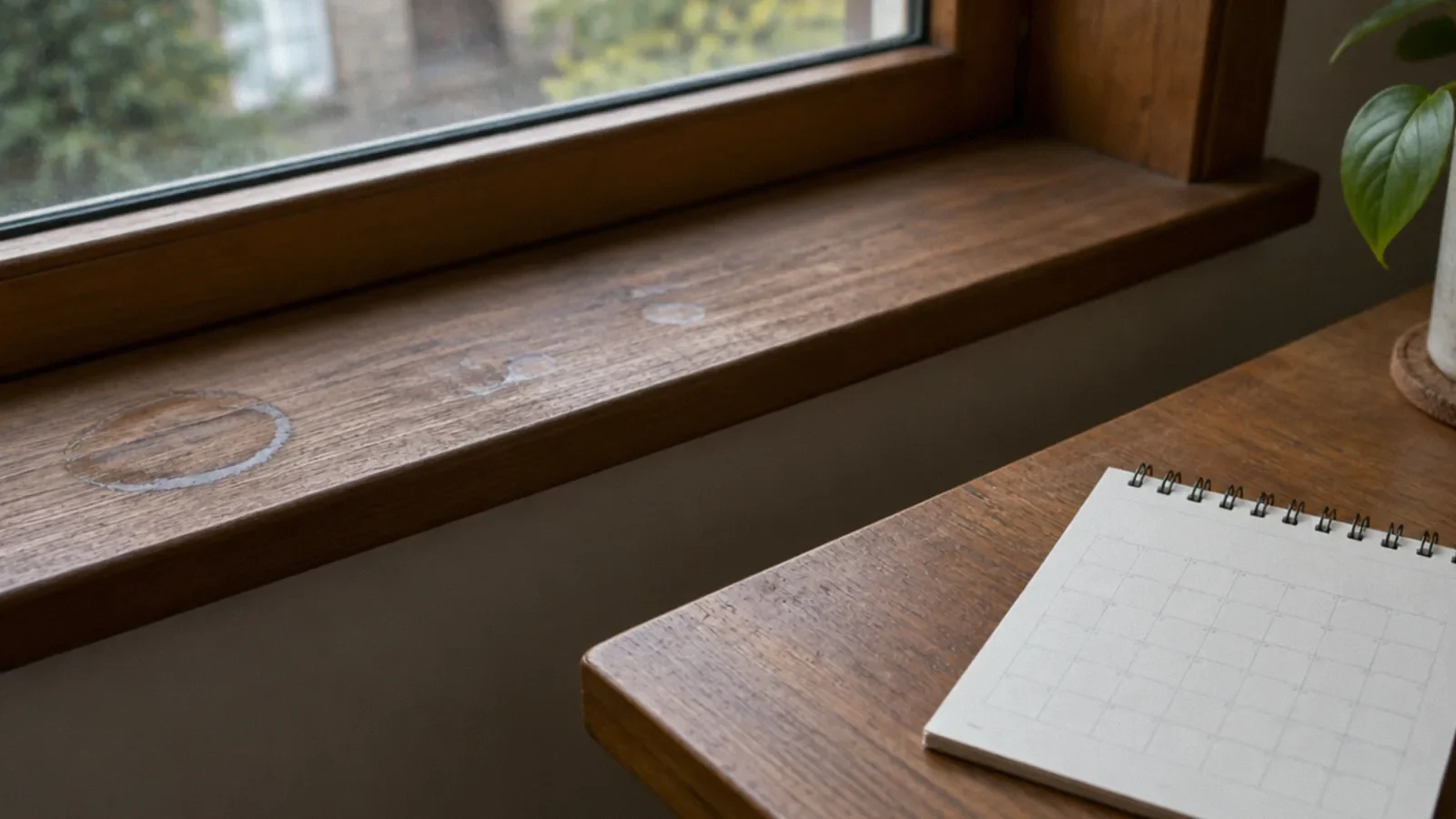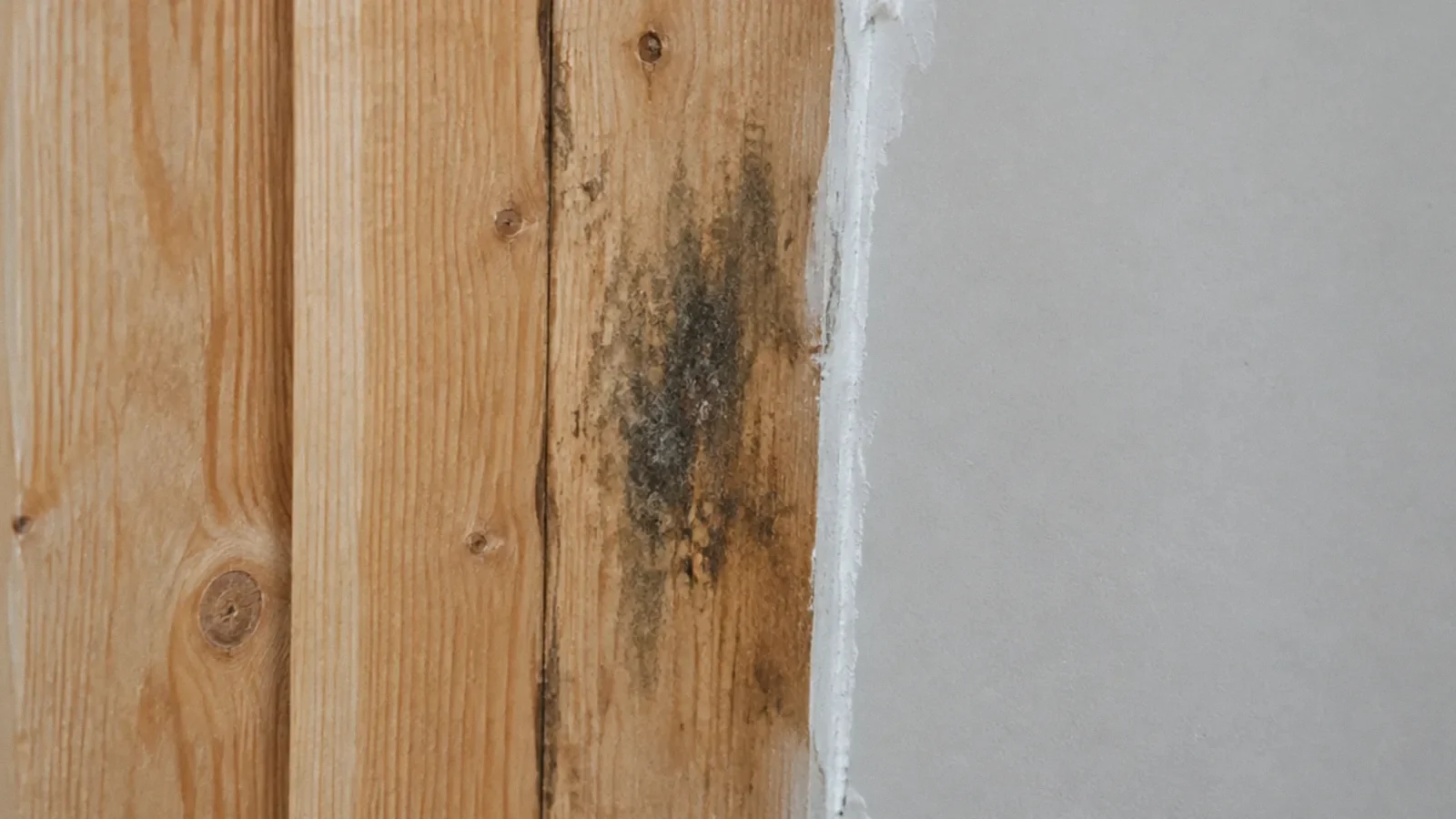
Fix the moisture source first. Moldy porous drywall often must be removed, and extensive growth, sewage contamination, uncertain materials, or health concerns call for a qualified professional.
Decide whether the work is suitable for a homeowner
Mold on drywall can extend beyond the visible spot or onto the back of the sheet and insulation. EPA advises that a small area, roughly less than ten square feet, can often be handled by the homeowner, but that size is a screening guide rather than a guarantee of safety. Ask a qualified remediation contractor to assess extensive or hidden growth, damage involving sewage or floodwater, heating and cooling equipment, or a recurring problem. People with asthma, immune suppression or other health concerns should discuss exposure with a health professional and avoid disturbing mold. Older coatings or joint compounds may contain hazardous materials; determine whether testing or specialist handling is required before cutting. Do not assume a dark color identifies a species or its risk.
Control dust and remove affected material
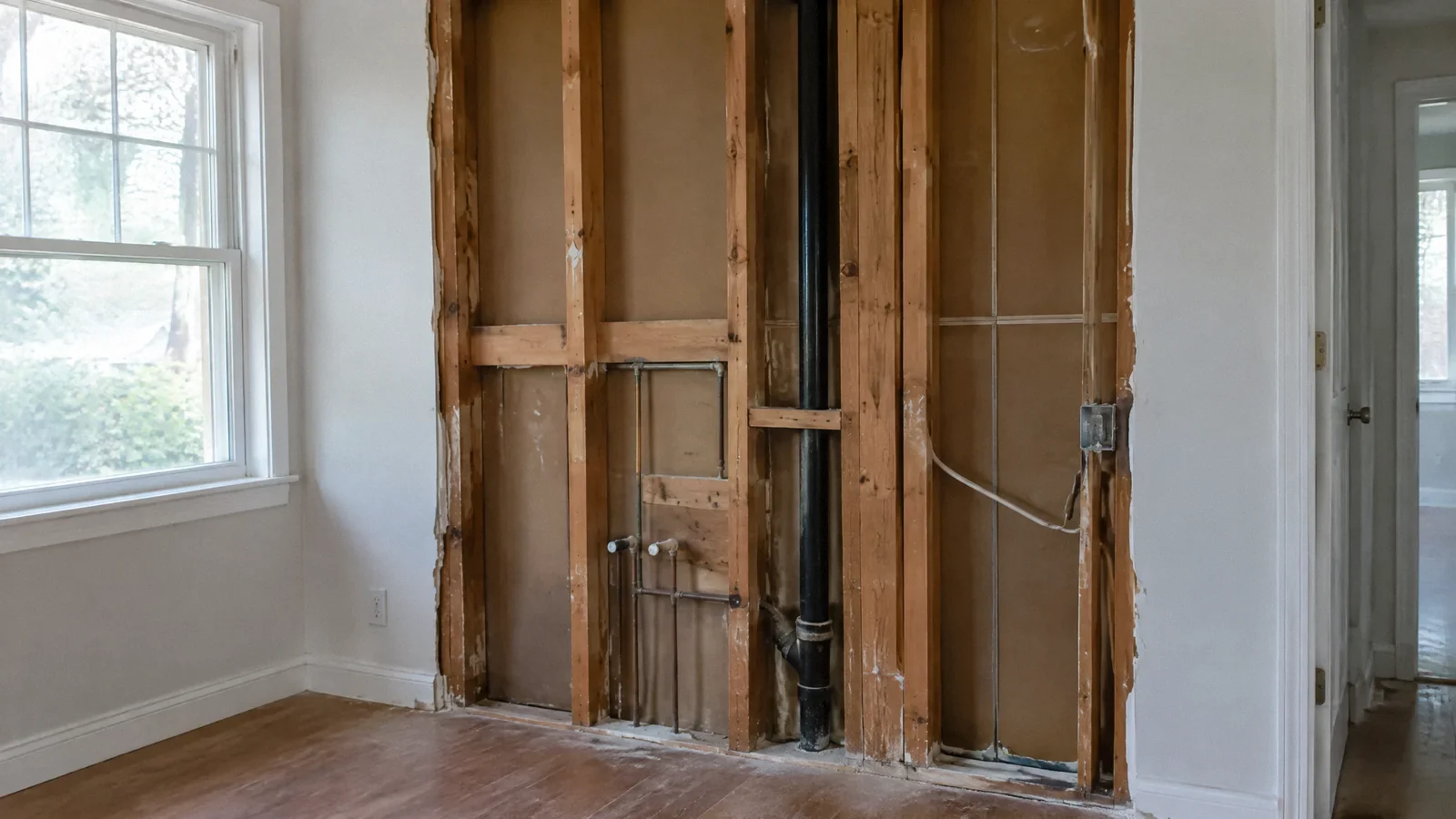
For a suitable small area, keep other occupants and pets away and use eye protection without ventilation holes, gloves and a properly fitted N95 respirator at minimum. Fix the leak first. Protect nearby belongings and limit dust migration with containment appropriate to the work; do not use a fan to blow contaminated dust through the home. Before cutting, identify electrical wiring, plumbing and other concealed hazards. If their location is uncertain, stop and hire a professional. Remove affected porous drywall in manageable sections without pulverizing it, and inspect behind it for additional damage. A contractor determines the cut boundary based on actual conditions and can extend removal if the back of the board or insulation is affected. Bag debris before carrying it through occupied areas and follow local disposal rules. Never mix cleaning chemicals.
Clean, dry and rebuild
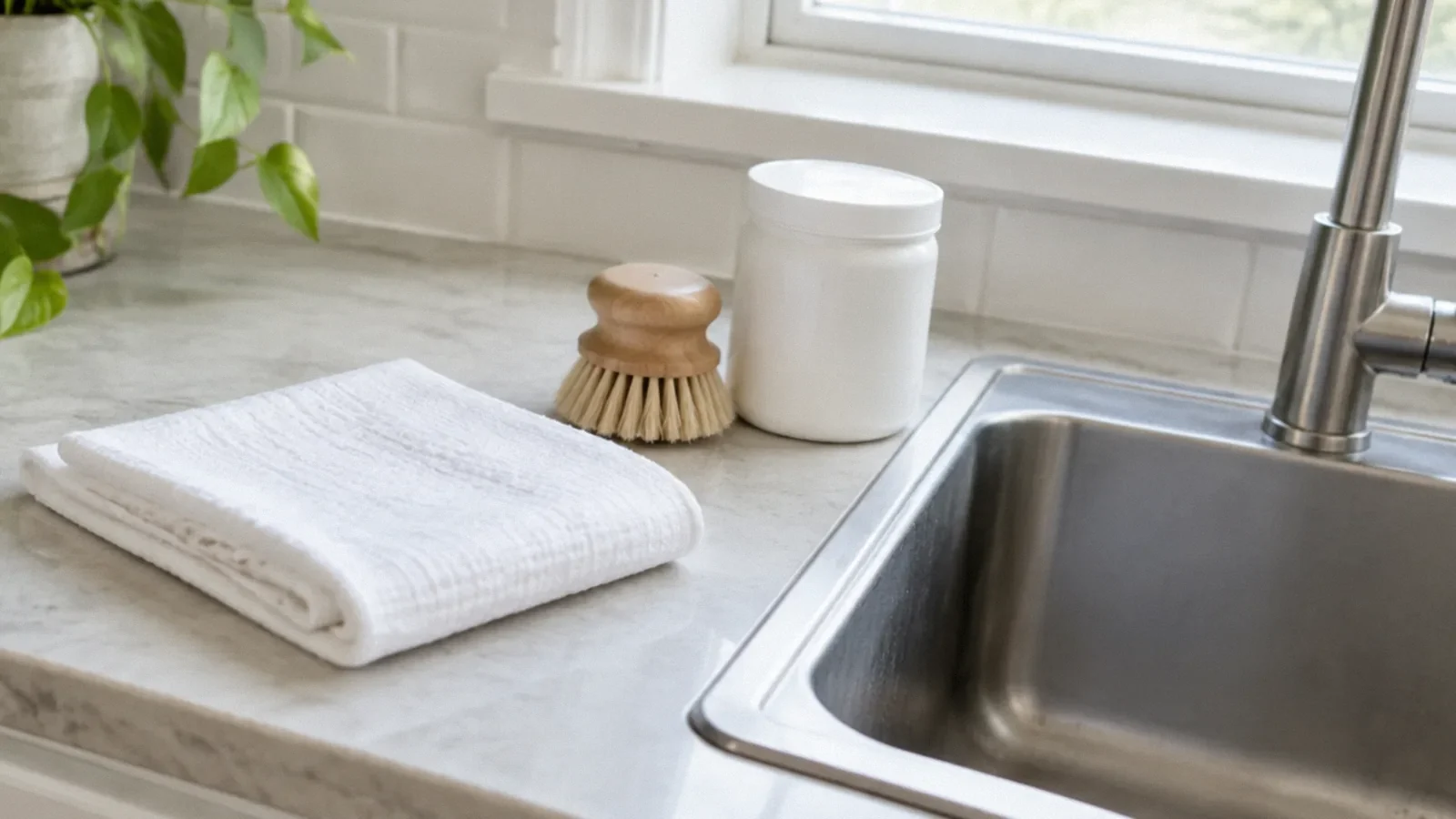
Remove and discard wet or moldy insulation that cannot be adequately cleaned. Sound hard surfaces can generally be cleaned with detergent and water and dried thoroughly; replacing drywall without cleaning remaining framing leaves contamination behind. EPA does not recommend routine use of bleach for mold cleanup. Confirm that the moisture source has been corrected and the framing and cavity are dry before installing new material. An experienced contractor can use appropriate moisture measurements and compare them with unaffected material. Reinstall insulation and drywall only after inspection, then finish joints and paint once the assembly is ready. A successful repair has no visible mold or persistent musty odor and no continuing water problem. Return to the area after rain or normal plumbing use and check for recurrent staining. If growth or odor returns, investigate the moisture source rather than painting over it.
Plan the boundary and the finish: A visible spot is not a reliable cutting template. A professional may need to inspect adjacent insulation and the back of the board to determine the full extent. Where the material is part of a fire-rated wall or a shared building assembly, replacement must restore the required assembly; ask building management or the appropriate authority about applicable requirements before demolition. Cutting near an outlet or pipe adds hazards that cannot be resolved by guessing where the service runs. If the repair exposes a larger or wetter cavity than anticipated, stop, contain the opening and reassess the scope.
Plan the boundary and the finish: Keep a simple record of the leak repair, affected materials removed, cleaning and drying observations. New board should be supported and finished according to the product instructions and applicable building requirements. Check adjacent baseboards, flooring and the opposite face of the wall for signs of continued moisture. A moisture meter reading is only one part of the assessment: the leak must also be corrected and visible growth removed. If the space remains musty after cleanup, investigate concealed material rather than covering the odor with paint or fragrance.
Your next-step checklist
- Keep people away from immediate hazards and avoid disturbing damaged or contaminated materials.
- Record when the problem began, where it appeared, and any change after rain or water use.
- Arrange an assessment by a qualified professional when the cause or extent is uncertain.
- Keep photographs, inspection findings, repair details and receipts together.
- Confirm the cause has been corrected and follow up if the same signs return.
Related questions
Can the visible signs identify the exact cause?
No. The location and timing are useful clues, but similar symptoms can arise from different causes. An inspection and, when appropriate, testing are needed before selecting a repair.
When should I call a professional?
Call promptly when there is sewage, an electrical hazard, significant water intrusion, recurring symptoms, a damaged structure, or work that requires access to a roof, septic tank, excavation or electrical equipment.
What information should I keep after the repair?
Retain the written scope, observations, photographs, test or moisture findings where applicable, dates, invoices and any inspection or permit records. These details help identify a recurrence and support a claim if you decide to make one.
Sources & context
Public guidance supports the principles in this article. The practical questions and examples are editorial interpretation, not a site assessment or a coverage decision. State-specific rules apply only where identified.