Angi’s October 2026 national guide reports a typical mold-inspection range of $303–$1,075 and an average of $689. These are national figures, not Bay Area quotes. An inspection, laboratory sampling and mold remediation are different services; ask what the quote includes and why any proposed sample would affect a decision.
Use national numbers as a reference
Angi’s guide, updated October 5, 2026, reports a national average of $689 and a typical range of $303 to $1,075 based on its verified project data. A specific home can fall outside that range. Home size, access, the question being investigated and the provider’s scope affect the price.
These figures are not a survey of San Francisco Bay Area inspections or a guaranteed quote. Request a current written local estimate. Prices and data can change, and different companies may include different work in the word inspection.
Inspection versus a laboratory test
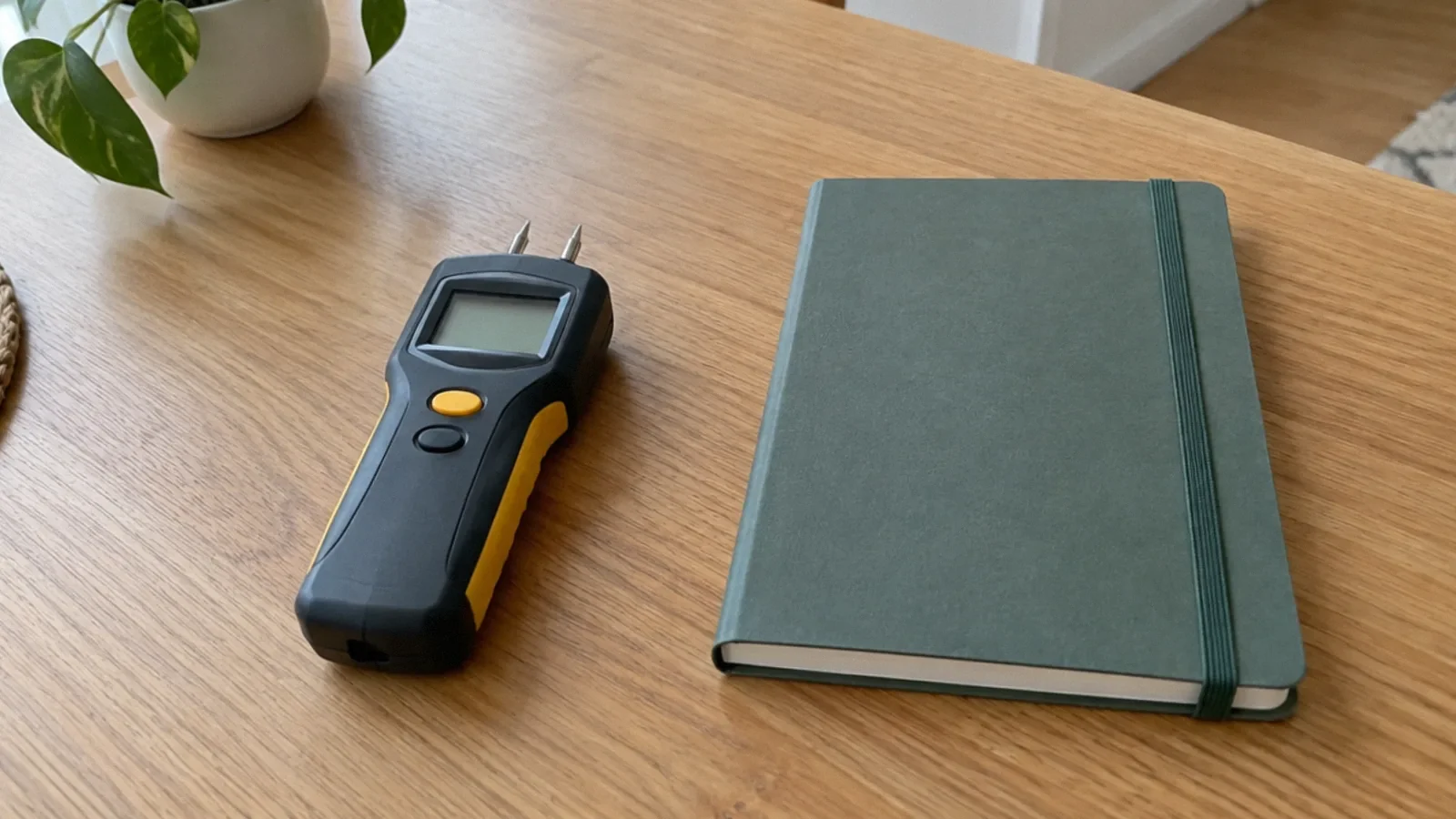
An inspection can involve a visual assessment of accessible areas, a history of moisture and use of suitable instruments. A sample may be collected and sent to a laboratory when it will answer a specific question. A sample is not the same as a complete building inspection.
EPA says visible mold generally does not require sampling before it is addressed. Ask what uncertainty a proposed test will resolve and how the result would change the cleanup plan. The absence of a sample does not mean a moisture source can be ignored.
What can increase the quote
A larger home, multiple suspected areas, difficult access, a detailed written report or additional samples may increase the scope. Ask whether the price includes travel, instrument use, sample collection, laboratory analysis, interpretation and a follow-up visit.
Inaccessible cavities, attics and crawl spaces may require separate permission or qualified access. The inspector should describe limitations and should not open suspect material without an agreed safety plan. A low base price may exclude laboratory or reporting charges.
Understand the proposed samples
Sampling choices depend on the question, location, timing and interpretation. An air sample is a snapshot under particular conditions; a positive or negative result alone does not describe every concealed area. EPA recommends using professionals experienced in designing and interpreting a sampling plan when sampling is appropriate.
There are no EPA federal limits for mold or mold spores that a routine sample can use to establish compliance with a federal mold standard. Ask what the report can and cannot conclude. A species name or numerical count is not a medical diagnosis.
Do not confuse inspection with remediation
Inspection assesses the problem; remediation addresses affected materials and moisture under an appropriate scope. Repairing a leak, removing damaged material and reconstruction are often separate from the inspection fee. Ask whether the provider also sells remediation and how the scope will remain transparent.
A remediation quote should identify containment, removal, cleaning, drying, disposal and the source repair where applicable. Comparing an inspection price with a cleanup price is misleading because the work is different. Request separate written proposals when needed.
Choosing a qualified professional
EPA does not certify mold inspectors or maintain a list of approved firms. Ask about relevant training, experience, references, insurance and the methods used to investigate moisture. Check any local or state requirements that apply to the particular work.
Ask for a written scope identifying accessible areas, instruments, reporting and limitations. A professional should be willing to explain why a test is proposed and what happens if access is not possible. Avoid a guarantee that a single test proves a building has no mold anywhere.
When the issue is visible or urgent
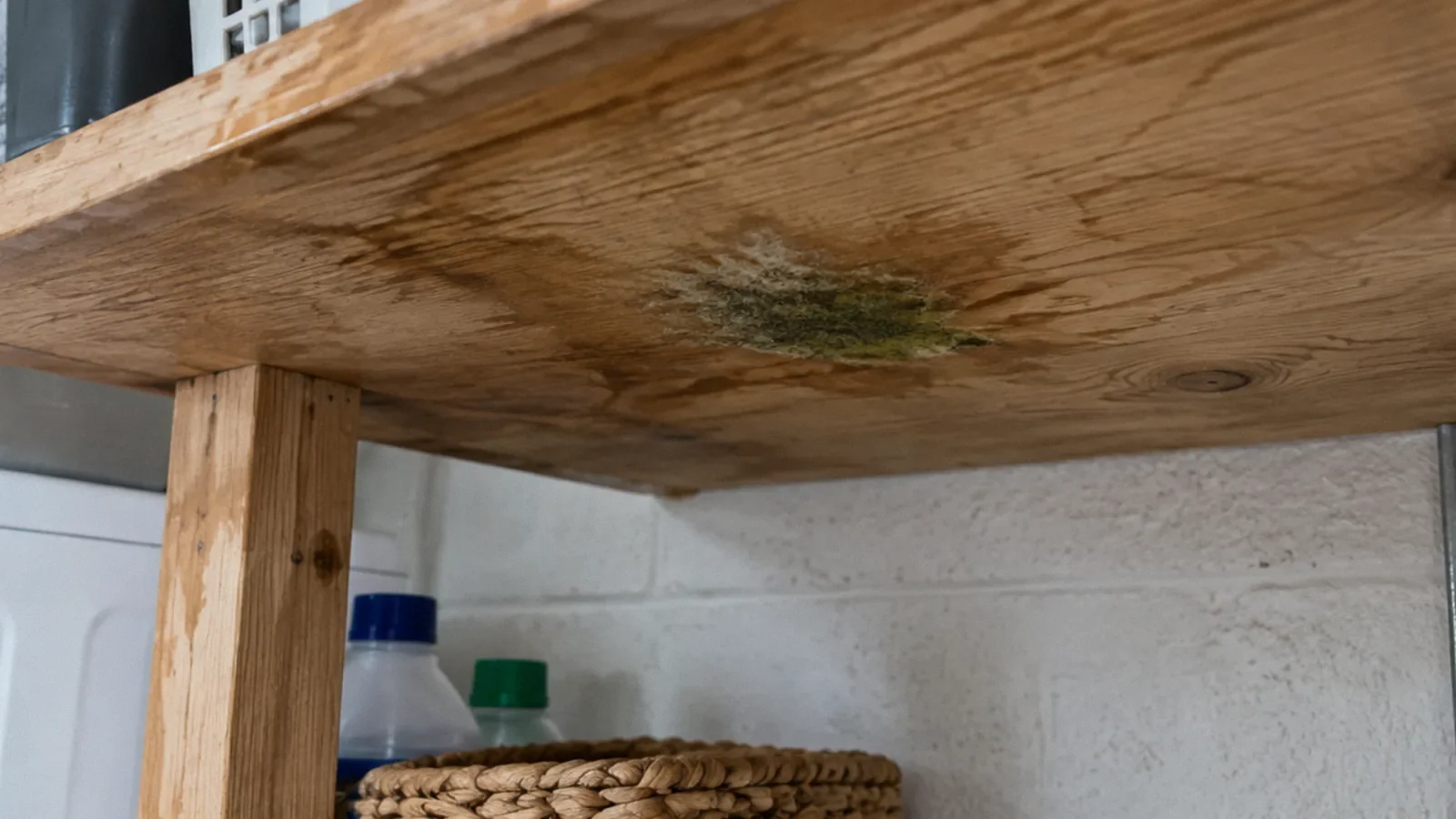
If visible mold or a leak is present, address the water source and plan appropriate cleanup without waiting for an unnecessary laboratory result. Extensive contamination, sewage, concealed growth or vulnerable occupants can require experienced help and additional precautions.
Do not disturb suspect materials merely to take a sample. Electrical or structural danger takes priority; keep away and contact the appropriate professional or emergency service. Health symptoms should be discussed with a healthcare professional, not diagnosed from a building report.
Compare quotes and keep records
Describe the same property, known leak history and inspection question to each provider. Compare the total, included samples, laboratory fees, reporting time, access limitations and any separate follow-up. Keep photographs, moisture records and the source-repair documentation.
A higher quote may include work that a lower quote excludes, while more samples are not automatically more useful. Ask which decisions the work will support. After cleanup, retain the scope and completion evidence rather than relying solely on a single number.
Separate sampling and analysis from inspection
Ask for the inspector’s visit fee, the number and type of samples, laboratory analysis per sample, shipping, interpretation and the written report as separate line items. An inspector assesses conditions; a remediation contractor performs cleanup, which is a different scope and price. Neither role should imply that an inspection fee includes removal.
EPA says sampling is often unnecessary when mold is visible and federal airborne mold limits do not establish a pass or fail. A dark color does not identify species or justify a universal special black-mold price. Ask what decision each sample would change, whether an outdoor comparison is needed and what extra samples cost before authorizing them. Laboratory and collection fees vary; request a current written quote rather than treating a national estimate as a guaranteed price.
As one dated point of comparison, Air Allergen listed a $69 laboratory fee per mold air spore-trap sample when checked October 31, 2026; it lists the trip, inspection, collection and basic report separately as a base charge. This is one provider’s published price, not a national average or a Bay Area quote. Multiple samples and extra services change the total, and pricing can change. Ask for the sample count, collection, shipping and report in writing.
Your next-step checklist
- Define the moisture or mold question before requesting a quote.
- Separate inspection, laboratory testing and remediation costs.
- Ask which samples are included and why they are needed.
- Check qualifications and written access limitations.
- Correct the moisture source regardless of the testing decision.
Related questions
How much does a mold inspection cost?
Angi’s October 2026 national guide reports $303–$1,075, averaging $689. Obtain a current local quote for the actual scope.
Is sampling always necessary when mold is visible?
No. EPA says sampling is unnecessary in most cases when visible mold is present.
Does the inspection price include mold removal?
Not necessarily. Inspection, sampling and remediation are separate services unless the written quote says otherwise.
Does EPA certify mold inspectors?
EPA says it does not certify mold inspectors or maintain a list of approved firms.
How much does mold testing cost?
Testing can be quoted separately from an inspection. Ask about collection, each sample and laboratory fees; the need for sampling depends on the question being investigated.
How much does a mold specialist cost?
Ask whether a quote covers inspection, sampling, laboratory work, a report and follow-up. The price depends on scope and location; distinguish an independent inspection from a remediation quote.
Sources & context
Public guidance supports the principles in this article. The practical questions and examples are editorial interpretation, not a site assessment or a coverage decision. State-specific rules apply only where identified.
- Angi: Mold inspection cost, updated October 5, 2026national cost data
- U.S. EPA: Is mold sampling necessary?federal guidance
- U.S. EPA: Choosing mold helpfederal guidance
- Reference: www.cdc.govreference
- Air Allergen: indoor air quality sample pricing, accessed October 31, 2026source guidance