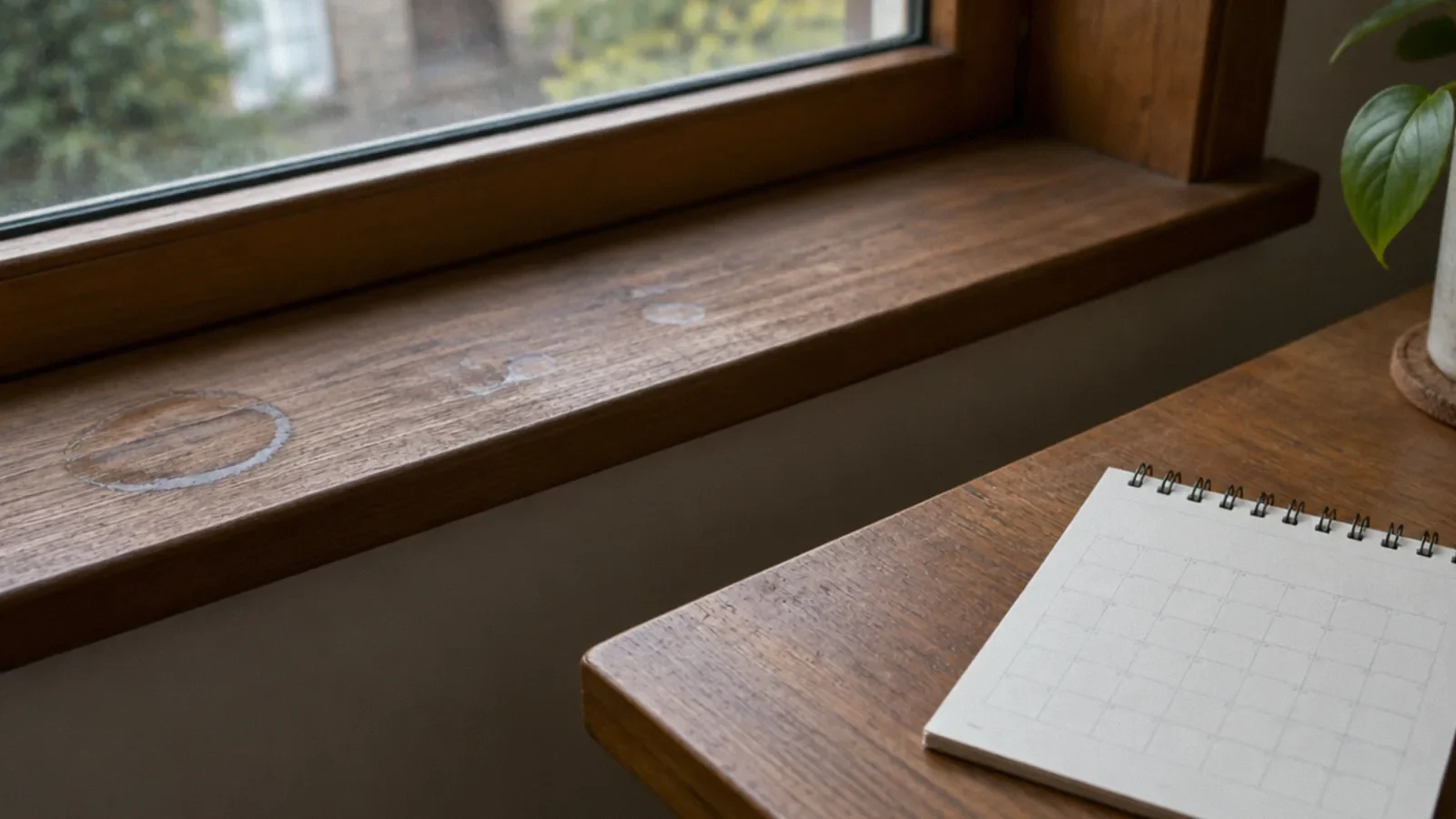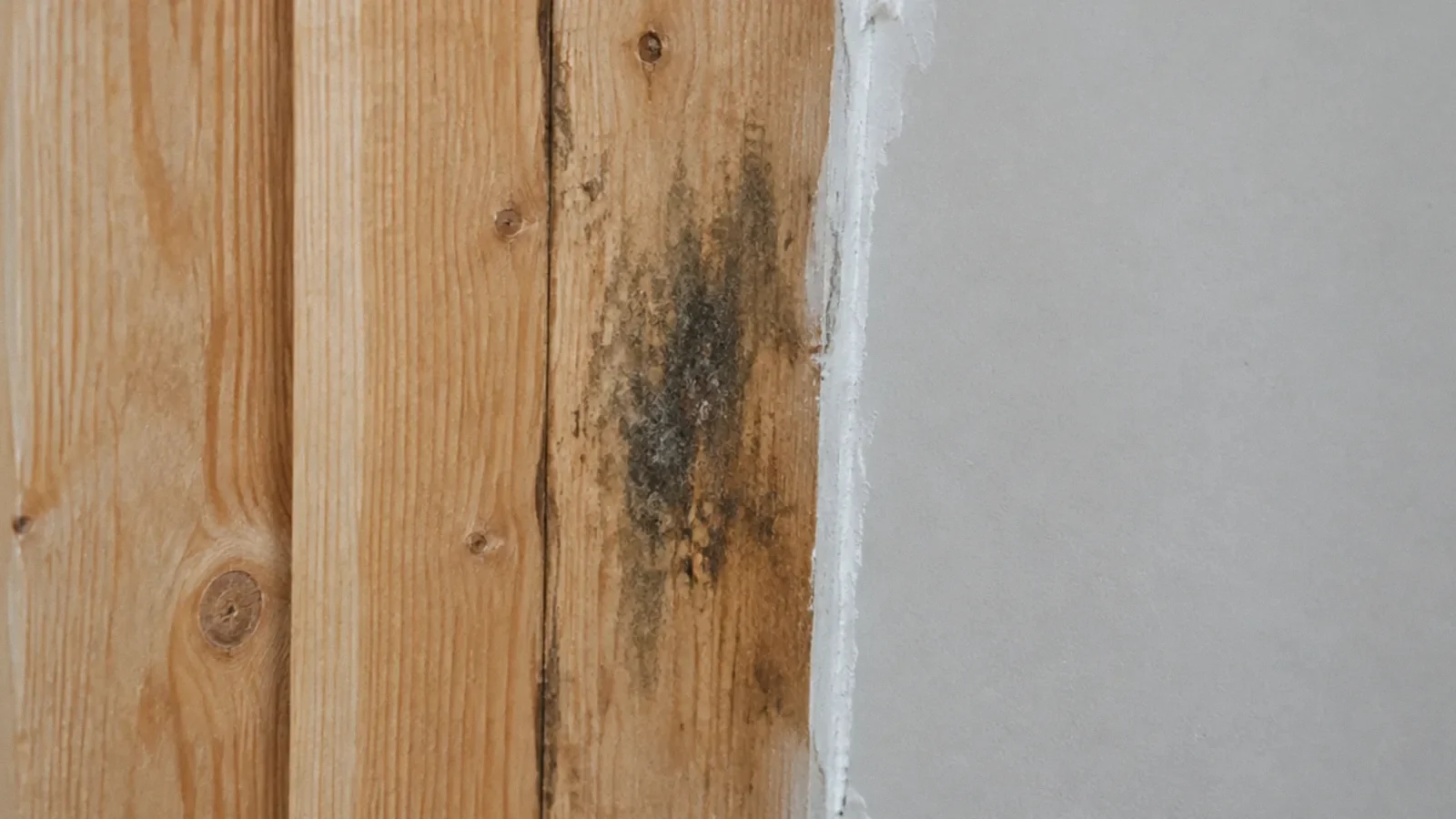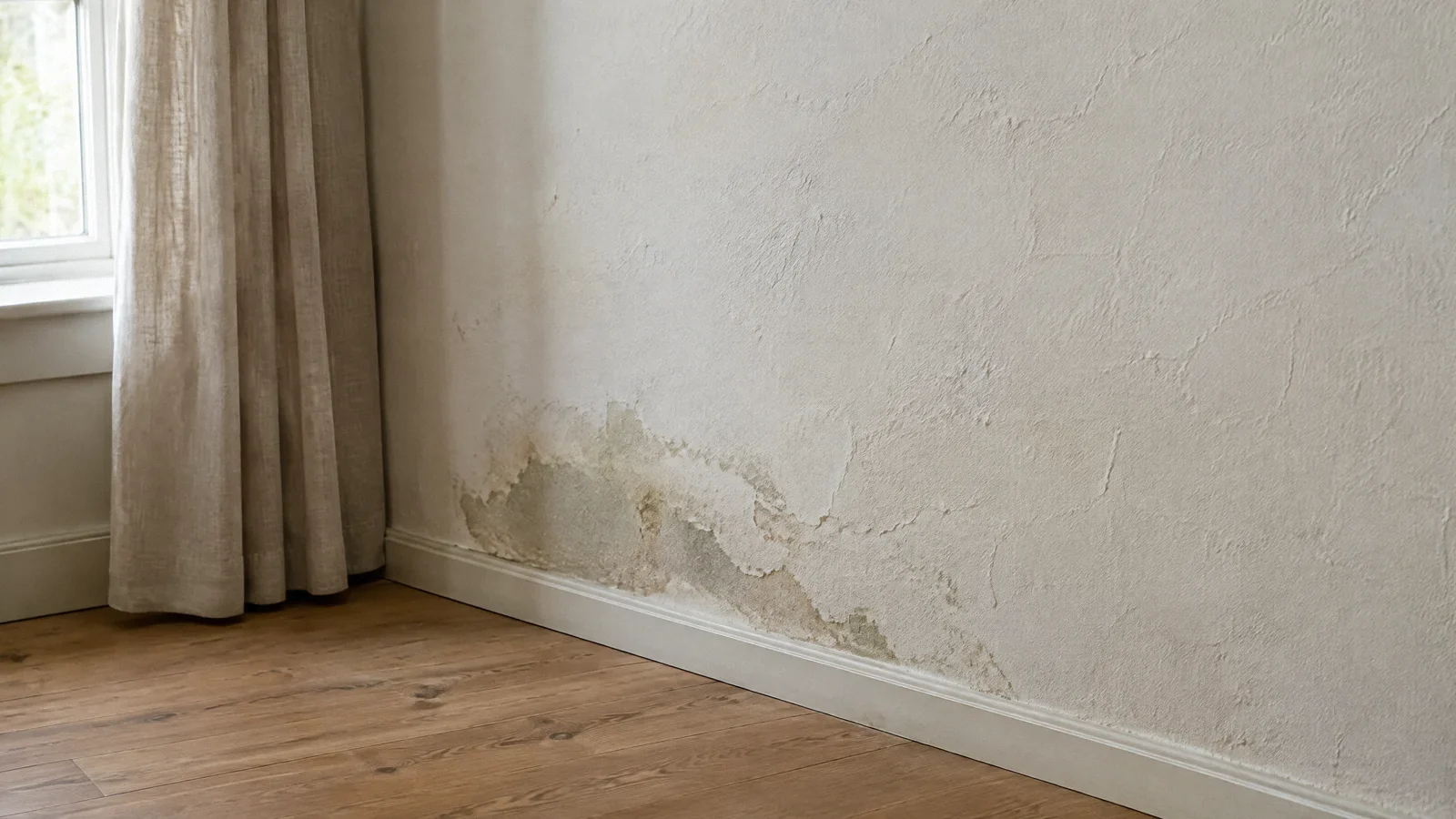
Plaster is mineral-based, but dust, paint, wallpaper, wood lath and other materials at or behind the surface can support growth when damp. A stain, flaking paint or dark patch can have several causes. Color cannot identify a species. Inspect the accessible area and trace the water source rather than assuming that plaster is immune or that a dark mark identifies a particular mold.
Can plaster support mold growth?
Plaster is mineral-based, but dust, paint, wallpaper, wood lath and other materials at or behind the surface can support growth when damp. A stain, flaking paint or dark patch can have several causes. Color cannot identify a species. Inspect the accessible area and trace the water source rather than assuming that plaster is immune or that a dark mark identifies a particular mold.
A roof or plumbing leak, condensation on a cold wall, or water entering masonry can repeatedly wet the assembly. Note when the spot changes, nearby plumbing and any recent repairs. A moisture meter can help a professional compare conditions, but one reading does not reveal every wet layer behind a wall.
Inspect without disturbing the wall
Look for loose plaster, bulging, crumbling, a musty odor and signs of dampness around trim. Do not press on a sagging ceiling or remove unstable plaster. Keep people away and arrange building assessment if the surface could fall. Historic finishes may need specialist conservation, and older buildings can contain lead paint or asbestos-containing materials; have suspect materials assessed before sanding, cutting or demolition.
A patch on the surface does not by itself prove growth behind plaster. Equally, a freshly painted surface does not prove the cavity is dry. Where a leak or recurrent odor suggests hidden damage, a qualified professional can plan a limited inspection and explain how to control dust and protect occupants.
Clean a suitable small exposed area
EPA says areas smaller than about 10 square feet can often be handled by occupants, but the material, contamination source and occupants matter. A small accessible hard surface may be cleaned with detergent and water and dried if the finish permits it. Avoid saturating plaster or rubbing fragile historic finishes. Do not paint over visible mold or damp material.
CDC recommends an N95 respirator, gloves and goggles without open vent holes for cleanup. People with asthma, allergies, chronic lung disease or weakened immunity should not do mold cleanup. Never mix bleach with ammonia or any other cleaner. Sewage contamination, widespread growth or hidden damage calls for professional assessment.
When plaster or lath may need repair
Plaster that remains sound and can be cleaned and dried may be retainable; soft, loose, severely damaged or contaminated material may need removal. A contractor should identify the affected layers, including wallpaper, lath and adjacent insulation, before deciding. Do not assume that spraying the exposed face treats inaccessible material behind it.
For historic plaster, consult a conservation professional about compatible repair and preservation. Discuss containment, dust control, disposal and how the moisture source will be corrected. If the work uncovers more contamination than expected, the scope and protection plan should be reassessed before continuing.
Prevent recurrence and check completion
Fix the leak or condensation mechanism, dry the assembly and confirm that the wall is stable before refinishing. EPA recommends indoor relative humidity below 60%, ideally 30% to 50% where practical. Humidity control supports the repair but does not replace a roof, plumbing or building-envelope repair.
A completed job should have no visible mold or moldy odor and no continuing water problem. Monitor the repaired area after rainfall, normal bathroom use or another relevant condition. If staining or odor returns, document it and have the underlying assembly reassessed rather than adding another coat of paint.
Questions to ask before opening a historic wall
Ask the contractor how they will determine whether the plaster is stable, whether the finish needs conservation, and whether older coatings or building materials need hazardous-material assessment. A visual inspection alone cannot establish the absence of asbestos or lead. The plan should describe how the work area will be isolated and how debris will be handled.
If an opening is necessary, ask how its location and size will be selected, what will happen if wet lath or insulation is found, and who will approve a change in scope. A specialist can distinguish a repairable surface from an assembly that needs more extensive work. Do not rely on a quote that promises a permanent result without identifying and correcting the moisture path.
Keep photographs of the original condition and any exposed layers. Once repairs are complete, monitor during the conditions that previously caused wetting. If damage reappears, the history and photographs can help the next professional identify where the first repair did not resolve the problem.
Distinguish a stain from a continuing leak
Photograph the area and note whether it changes after rain or plumbing use. Dry staining can remain after an old repair, but fresh dampness or an expanding mark suggests the source needs further attention. Do not use appearance as the sole measure of dryness. A professional can compare moisture readings and investigate the specific assembly before recommending an opening.
Your next-step checklist
- Identify the moisture source and correct it.
- Assess the affected materials and occupants.
- Document repairs and check for recurrence.
Related questions
Can color identify the mold species?
No. Color alone cannot identify a species or establish individual health risk.
Does cleaning replace fixing the moisture source?
No. Correcting moisture is necessary to reduce recurrence.
Sources & context
Public guidance supports the principles in this article. The practical questions and examples are editorial interpretation, not a site assessment or a coverage decision. State-specific rules apply only where identified.