The pink or reddish film often called pink mold may be a bacterial biofilm, although color alone cannot identify it. Clean an accessible, small area using a product suitable for the surface, rinse as directed and dry it. Reduce standing water and soap buildup; investigate leaks or damaged materials if the residue keeps returning.
What is the pink or red film?
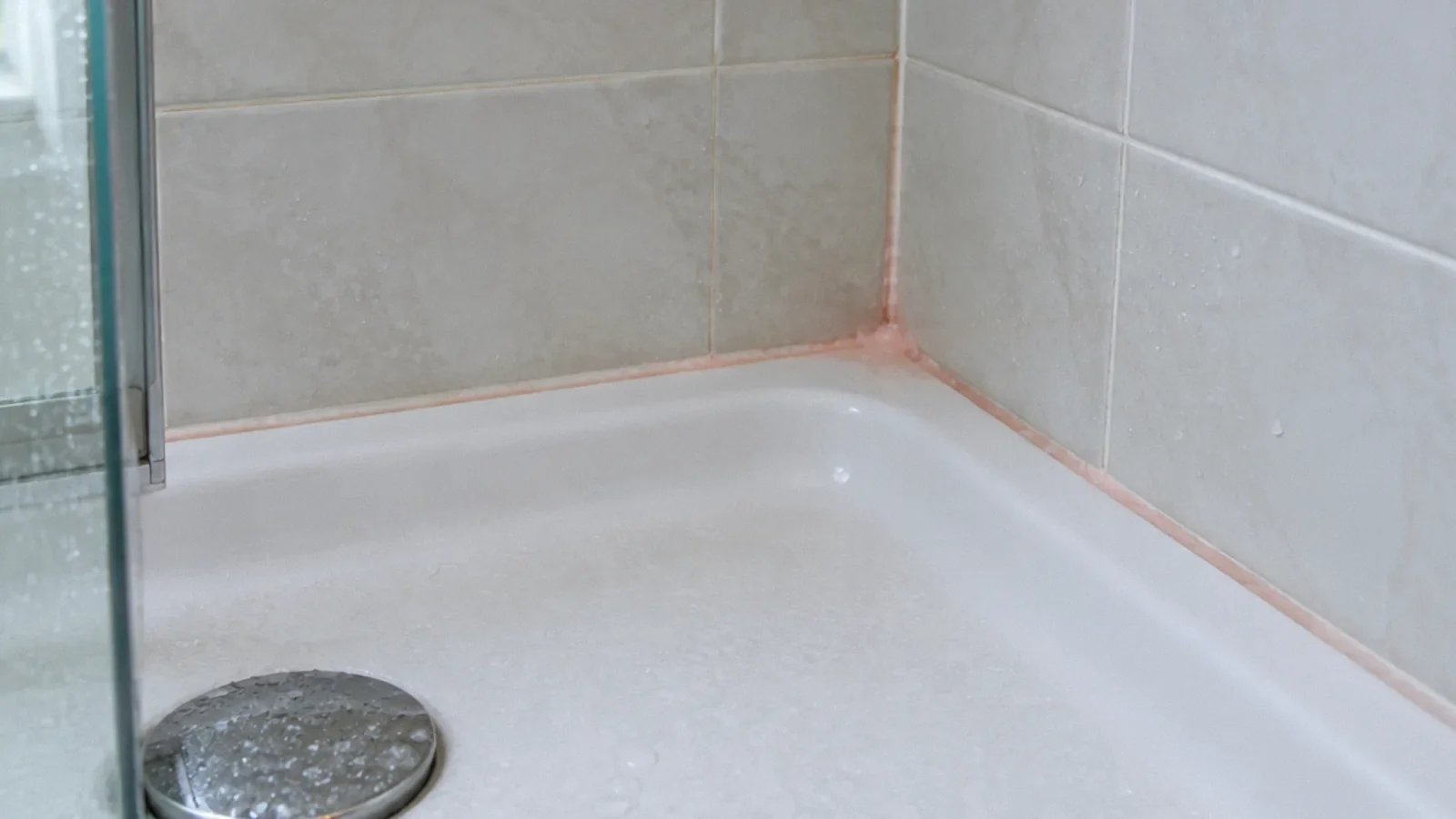
A slippery pink, orange or reddish film may appear where water and soap residue collect: around a shower drain, on grout, at a tub seam or along a shower curtain. People often call it pink mold. Municipal water utilities explain that some of these films are bacterial biofilms, communities of microorganisms attached to a surface.
One bacterium associated with pink bathroom discoloration is Serratia marcescens. Other organisms and different kinds of staining can have a similar appearance, so a color or photograph cannot identify the substance. Mold can also occur in damp bathrooms. Treat the observation as a reason to clean and check moisture, not as a laboratory diagnosis.
Why the residue appears in bathrooms
A shower is repeatedly wet, and water can remain around joints, curtains and fixtures after use. The City of Lincoln notes that bacteria associated with pink biofilm can use residues including soaps and shampoos. A film can return if those materials and moisture accumulate again.
Its presence on a fixture does not, by itself, show that the municipal water supply is contaminated. If you notice a sudden change in water color throughout the home or have a water-quality concern, contact your water utility and describe where and when it occurs. A surface stain and discolored water are different observations.
Clean a small, accessible area
Start by checking the cleaning and care instructions for the specific surface. Put on appropriate gloves and ventilate the room. Physically remove the film with a cloth or soft brush and a cleaner suitable for the tile, grout, tub or other material. Rinse and dry the surface according to the product and fixture instructions.
If you choose a disinfectant, use one labeled for the intended surface and follow its directions, including the required wet contact time and rinsing instructions. Never mix bleach with ammonia, acids or other cleaning products. Mixing can release hazardous gases. Rinse away one product before using another as directed, and store supplies out of children’s reach.
Handle grout, caulk and shower curtains carefully
A soft brush can help reach accessible grout lines without unnecessary abrasion. Some surfaces, including natural stone and certain finishes, can be damaged by acidic or abrasive cleaners. Test in an inconspicuous area if the manufacturer recommends it, and do not assume that a stronger chemical is safer or more effective.
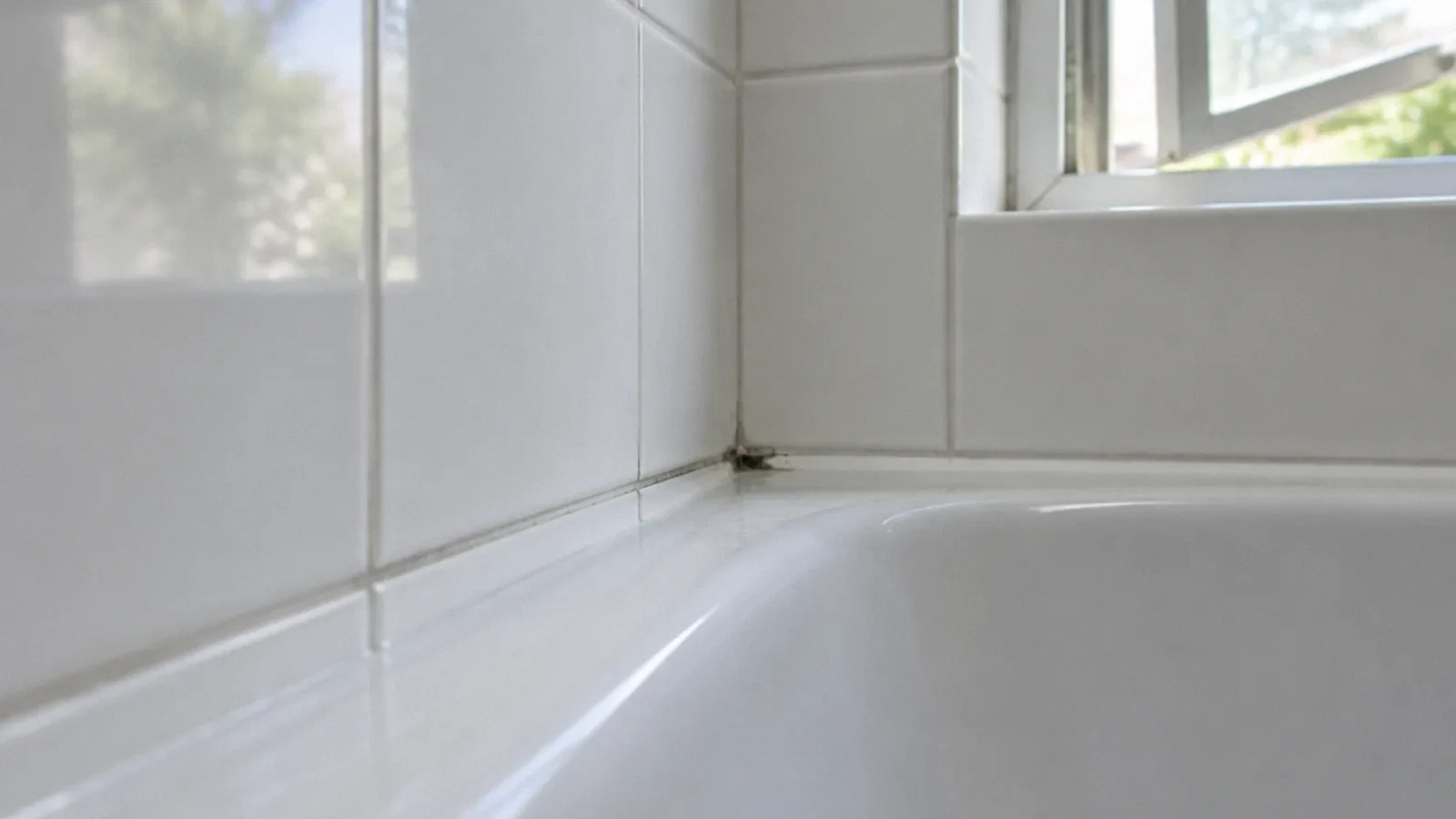
For a shower curtain or liner, follow its washing instructions or replace it if it cannot be cleaned. A discolored or deteriorated caulk joint may need assessment and replacement; simply applying a new layer over dirty or damp caulk can conceal the condition. If tile is loose or the wall is soft, look beyond surface cleaning.
How to reduce pink film from returning
Rinse soap residue from the shower and remove standing water with a squeegee or cloth after use. Use the bathroom exhaust fan during and after showering, if available, and maintain it according to the manufacturer’s instructions. Repair dripping fixtures and allow the curtain or door area to dry.
Clean routinely instead of waiting for a thick film to form. No single schedule fits every bathroom: frequency depends on use, ventilation and how quickly surfaces dry. Persistent wetness at the same seam, staining outside the shower or damaged wall material warrants investigation for a leak.
Health questions and who should take precautions
Serratia marcescens can cause infections, particularly in healthcare settings and in people with certain vulnerabilities, but a pink mark cannot establish the organism or predict an individual’s health risk. Avoid calling every pink patch harmless or dangerous. People who are immunocompromised or have a specific medical concern should ask their clinician for advice.
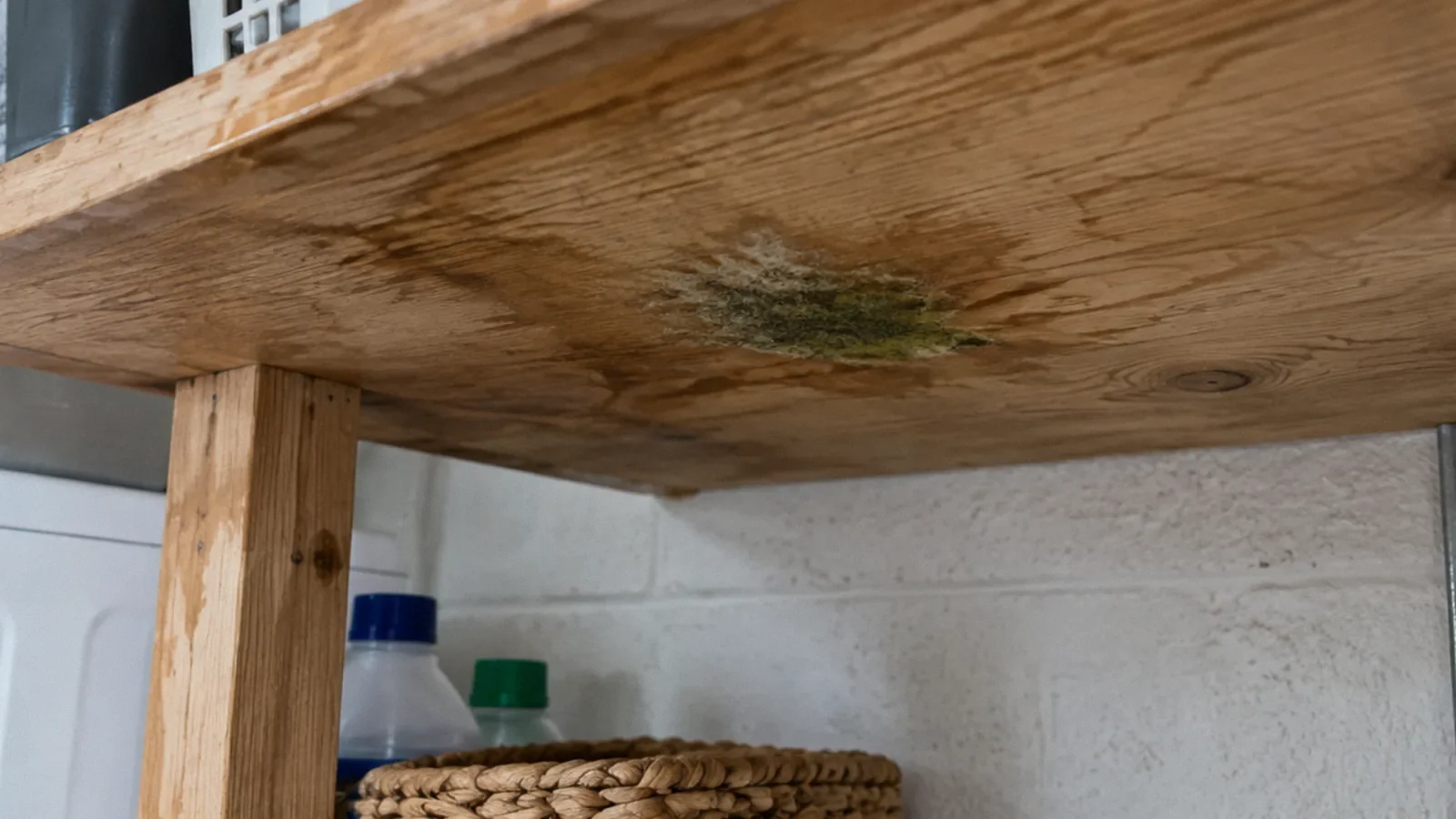
If the area also has suspected mold, follow mold-specific cleanup guidance. CDC advises people with asthma, mold allergies, chronic lung disease or weakened immune systems not to take part in mold cleanup. Seek urgent medical care for severe or rapidly worsening breathing problems.
When a surface-cleaning approach is not enough
Ask an experienced professional to inspect extensive contamination, repeatedly wet or soft building materials, suspected concealed growth or a leak you cannot locate. Explain what you observed and whether previous cleaning has provided only a short-lived result. The appropriate repair depends on the material and the moisture source.
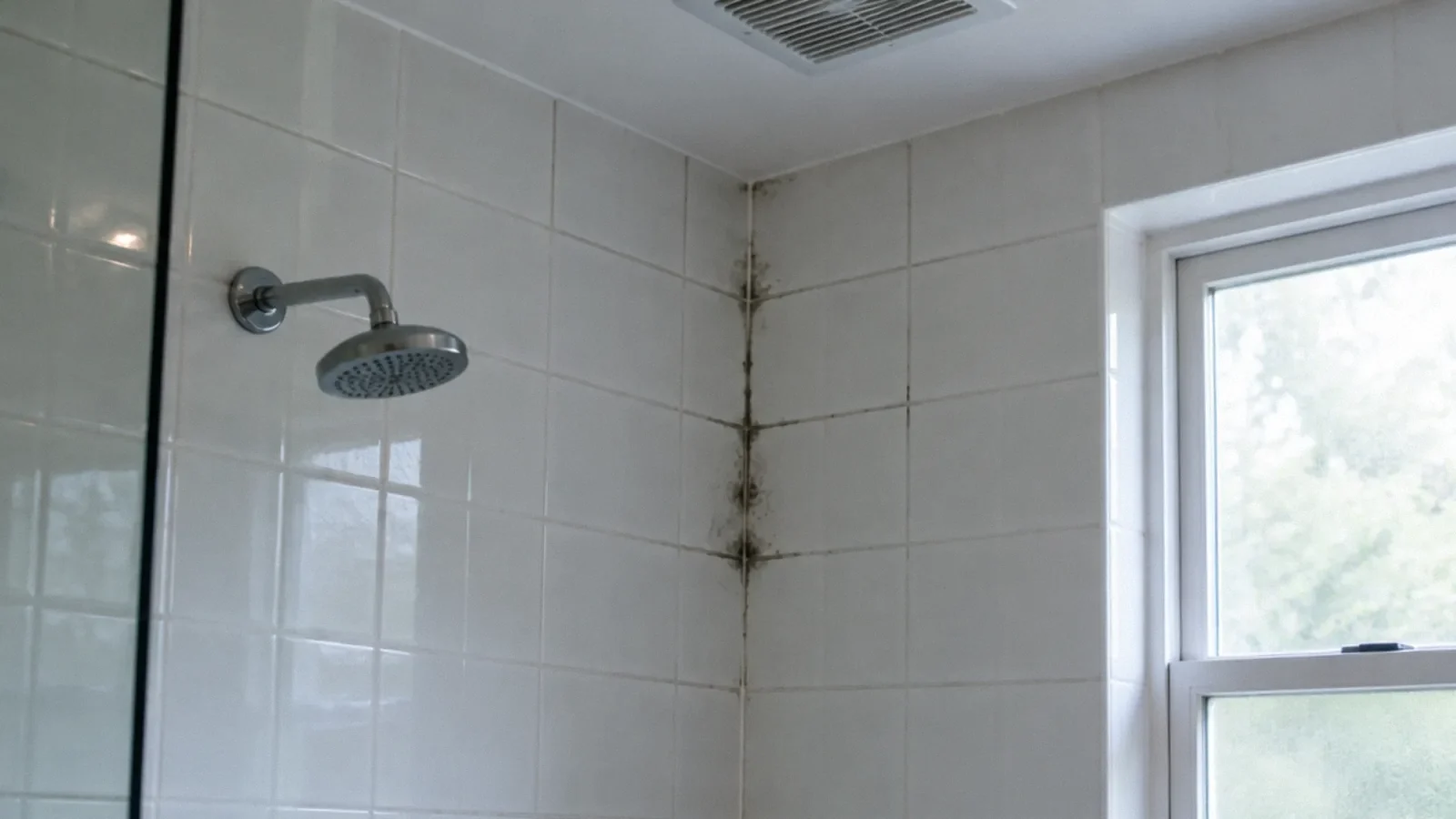
For visible dark growth in grout, consult the separate shower mold cleanup guide. For concerns about black-looking growth and symptoms, see the separate guide on shower mold and health. The color of either a pink or dark patch is not a substitute for assessment.
Choose a product for the surface
Start with the surface manufacturer’s care instructions: a mild cleaner suitable for glazed tile may be unsuitable for natural stone, damaged grout, fabric or another finish. Test a hidden area and use a soft tool the surface permits. Replace deteriorated caulk when cleaning cannot reach residue beneath it, after resolving the moisture source.
Cleaning physically removes soil and many germs; disinfection is a separate step for situations where it is needed. If disinfecting, choose an EPA-registered product labeled for the surface and intended use, clean first, follow its wet contact time and ventilation directions, and never mix chemicals. CDC notes ordinary cleaning is sufficient in many situations. Color alone does not identify an organism.
Your next-step checklist
- Check the surface manufacturer’s cleaning instructions.
- Ventilate and use gloves; never mix cleaning chemicals.
- Remove the accessible film, rinse as directed and dry the surface.
- Reduce soap buildup and persistent moisture.
- Investigate soft materials, leaks or recurring contamination.
Related questions
Is pink mold in a shower actually mold?
Not necessarily. Pink bathroom film may be a bacterial biofilm; other organisms or stains can look similar. Color alone cannot identify the cause.
Can pink residue come back after cleaning?
Yes. If moisture and residues remain, a film can reappear. Regular cleaning, drying and addressing leaks can reduce the conditions that support it.
Should I mix bleach and vinegar for pink shower residue?
No. Never mix bleach with vinegar, ammonia or other cleaning products. Follow the directions for one suitable product and rinse as directed.
Does pink film mean my drinking water is unsafe?
A film on a bathroom surface does not by itself establish a problem with the water supply. Ask your water utility about changes in the water itself or a specific water-quality concern.
How do I clean suspected Serratia marcescens in a shower?
A pink film can have multiple causes, and color does not confirm a species. For a small accessible surface, use a compatible cleaning product as directed, wear appropriate gloves and rinse and dry the area. Seek help for extensive contamination or health concerns.
Sources & context
Public guidance supports the principles in this article. The practical questions and examples are editorial interpretation, not a site assessment or a coverage decision. State-specific rules apply only where identified.
- City of Lincoln: Water quality troubleshooting and pink biofilmmunicipal guidance
- City of Frederick: Pink residue information sheetmunicipal guidance
- CDC Emerging Infectious Diseases: Serratia marcescenspublic health research
- CDC: Preventing waterborne germs at homepublic health guidance
- CDC: Mold cleanup guidelinespublic health guidance
- US EPA: Mold cleanup in your homeofficial guidance
- CDC: Cleaning and disinfectingprimary guidance