A damp pillow or pillowcase can develop mold under suitable conditions, but a dark mark alone does not identify mold. Stop using a suspect pillow, avoid shaking it and address the moisture source. Porous filling can be difficult to clean and dry fully; a heavily contaminated pillow may need replacement.
Why pillows can become damp
Moisture may come from a spill, a leak, condensation, washing that did not dry fully or storage in a damp place. Pillow covers and fillings differ: cotton, down, synthetic fiber and memory foam do not all tolerate the same cleaning method.
A wet pillow near a wall or window can also point to a building moisture problem. Check the surrounding area without disturbing suspect material, and correct a leak or condensation source. Replacing a pillow without addressing continuing moisture may not solve the problem.
What a mark can and cannot tell you
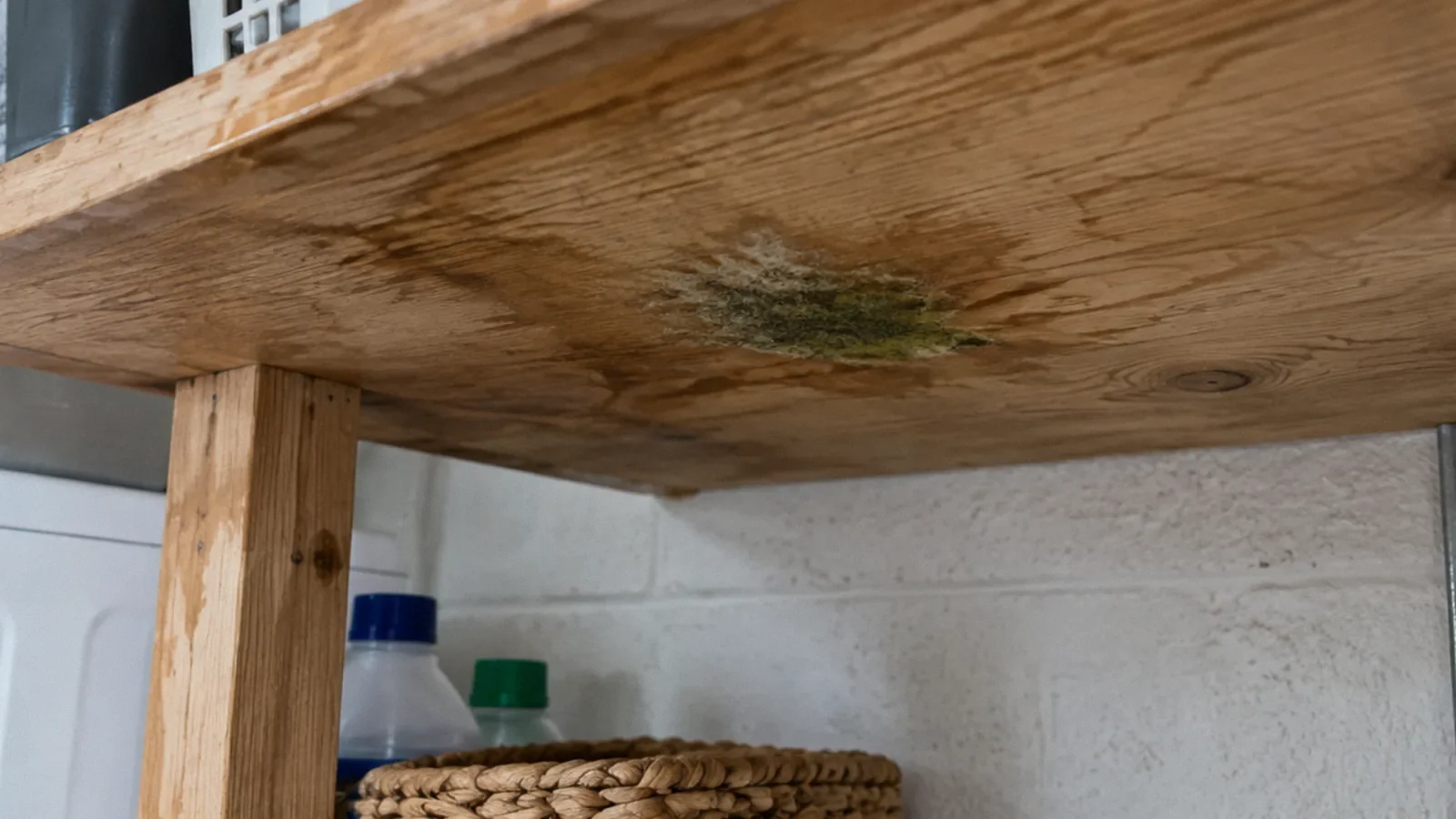
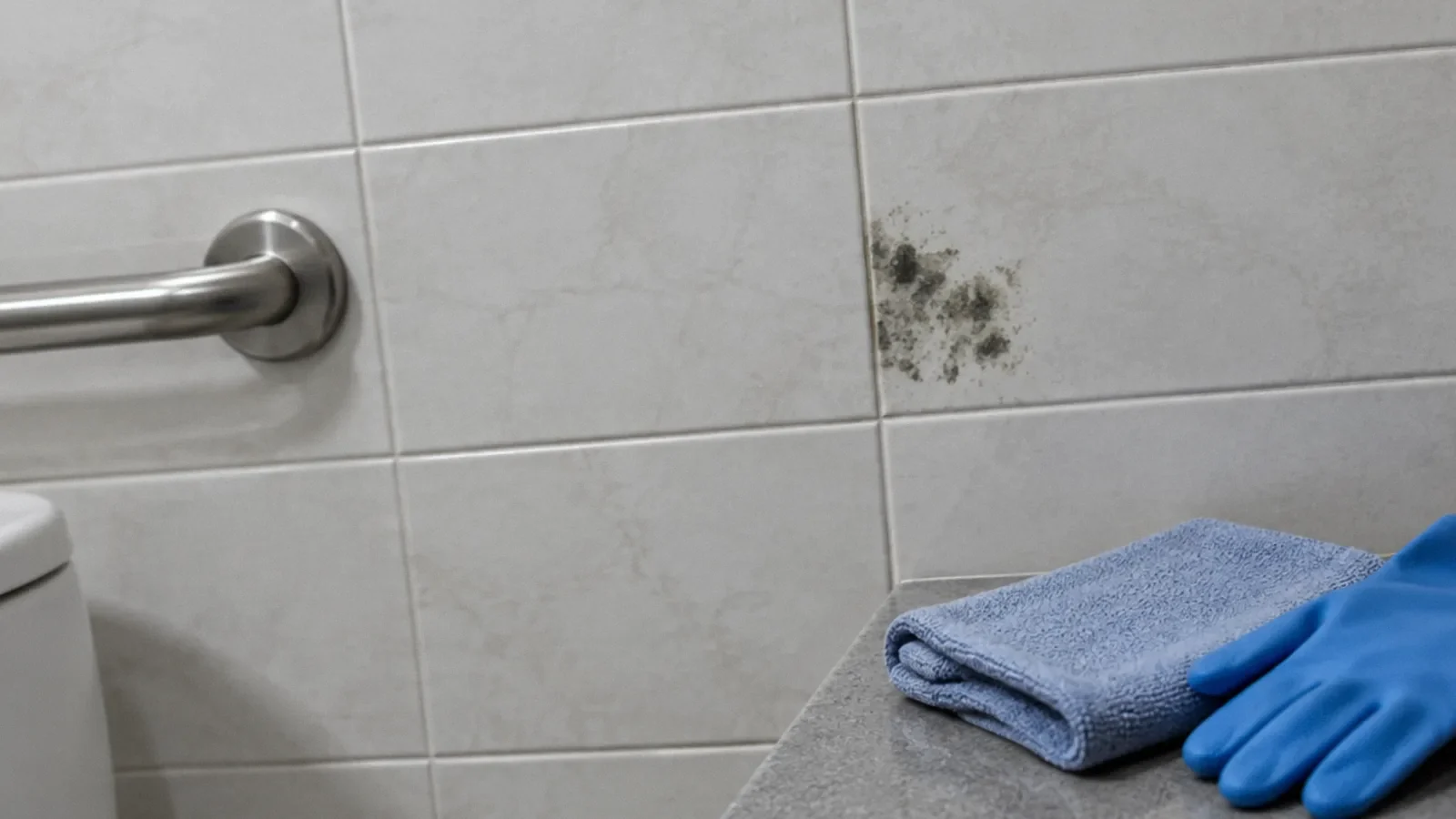
Dark, green or other discoloration can have several causes, including stains, dirt or growth. A photograph, color or odor alone cannot identify a mold species or establish a health risk. Do not sniff the item closely or shake it to inspect the filling.
If visible growth or a persistent musty odor is present, keep the item away from the sleeping area and avoid unnecessary handling. People with asthma, chronic lung disease, weakened immune systems or mold sensitivity should avoid exposure and seek appropriate assistance.
Pillowcase, cover and filling
A removable pillowcase may have different laundering instructions from the pillow and its inner filling. Read each care label. A clean-looking cover does not establish that the interior is clean or dry, especially when a pillow has remained wet.
Do not unzip or tear apart a suspect pillow to release material into the room. If you are unsure whether a washable cover can be safely handled or the item is extensively contaminated, seek appropriate professional or public-health guidance.
When replacement may be appropriate
EPA notes that porous or absorbent materials can be difficult to clean completely when moldy and may need to be discarded. A heavily contaminated pillow, an item exposed to sewage or floodwater, or filling that cannot be dried fully may be unsuitable to keep.
Place a disposable item in a suitable bag without shaking it, according to local disposal and cleanup guidance. Do not assume that fragrance, sunlight or one wash cycle has removed growth from an inaccessible interior. If the item has unusual value, ask a qualified restoration specialist.
Memory foam and washing
Memory foam can retain moisture and may be damaged by soaking, heat or an unapproved cleaner. Follow the exact manufacturer’s instructions. Do not place a foam pillow in a washing machine or dryer unless its maker expressly permits that method.
A fabric cover can be washable while the foam core is not. If liquid penetrated the core, drying and cleaning can be difficult to verify. Ask the manufacturer or a qualified professional whether the item can be safely treated or should be replaced.
Do not rely on bleach or sprays
Bleach, fragrances and disinfectant sprays are not universal solutions for porous filling. They can leave residue, damage materials or fail to reach the interior. Never mix bleach with vinegar, ammonia or another cleaner. Follow product and material instructions rather than applying an improvised mixture.
Cleaning a visible spot is not proof that the entire pillow is disinfected. For health-related exposure questions, talk to a healthcare professional. A building or cleaning article cannot diagnose symptoms or guarantee a medical outcome.
Inspect the surrounding room safely
Look for visible leaks, window condensation, wet bedding or a musty odor around the bed without opening walls or disturbing suspect material. Keep furniture from concealing a recurring wet area and report a leak to the property manager or a qualified professional.
EPA recommends controlling moisture and keeping indoor relative humidity below 60% where possible, ideally 30% to 50%. A room humidity reading does not prove that a cold wall or the interior of a pillow is dry. Correct the source before placing new bedding in the area.
Prevent a repeat problem
Follow care instructions for laundering and drying bedding, and make sure washable items are completely dry before use or storage. Use a suitable protective cover and respond promptly to spills. Avoid storing bedding against a damp exterior wall or in an unventilated wet space.
If a pillow repeatedly becomes damp, investigate the cause rather than repeatedly washing it. Document recurring leaks or condensation and arrange repair. Replace damaged protectors and choose materials appropriate to the manufacturer’s care requirements.
Your next-step checklist
- Stop using a suspect pillow and avoid shaking it.
- Check the pillowcase and filling care instructions separately.
- Do not soak memory foam unless its maker permits it.
- Consider replacement when porous filling is heavily contaminated or cannot dry.
- Find and correct the source of moisture.
Related questions
Can mold grow on a pillow?
Yes. A damp pillow can support growth, but a dark mark alone does not identify mold.
Can a moldy pillow be washed?
It depends on the material, extent and care instructions. Porous filling can be difficult to clean fully and a heavily contaminated pillow may need replacement.
Can I wash a memory-foam pillow in a machine?
Only if the manufacturer expressly allows it. The cover and foam core can have different care instructions.
Does black discoloration prove toxic black mold?
No. Color alone cannot identify an organism or determine its health effects.
Sources & context
Public guidance supports the principles in this article. The practical questions and examples are editorial interpretation, not a site assessment or a coverage decision. State-specific rules apply only where identified.
- U.S. EPA: Mold, moisture and the homefederal guidance
- CDC: Mold cleanuppublic health guidance
- U.S. EPA: Flooded home cleanupfederal guidance