Mold on a wall should be addressed together with the moisture that allowed it to grow. A visible mark may not show what is behind the finish, and color does not identify the organism or establish the health risk. Stay away from wet electrical equipment or unstable materials, and seek experienced help for extensive, concealed or contaminated damage.
What wall mold can look like
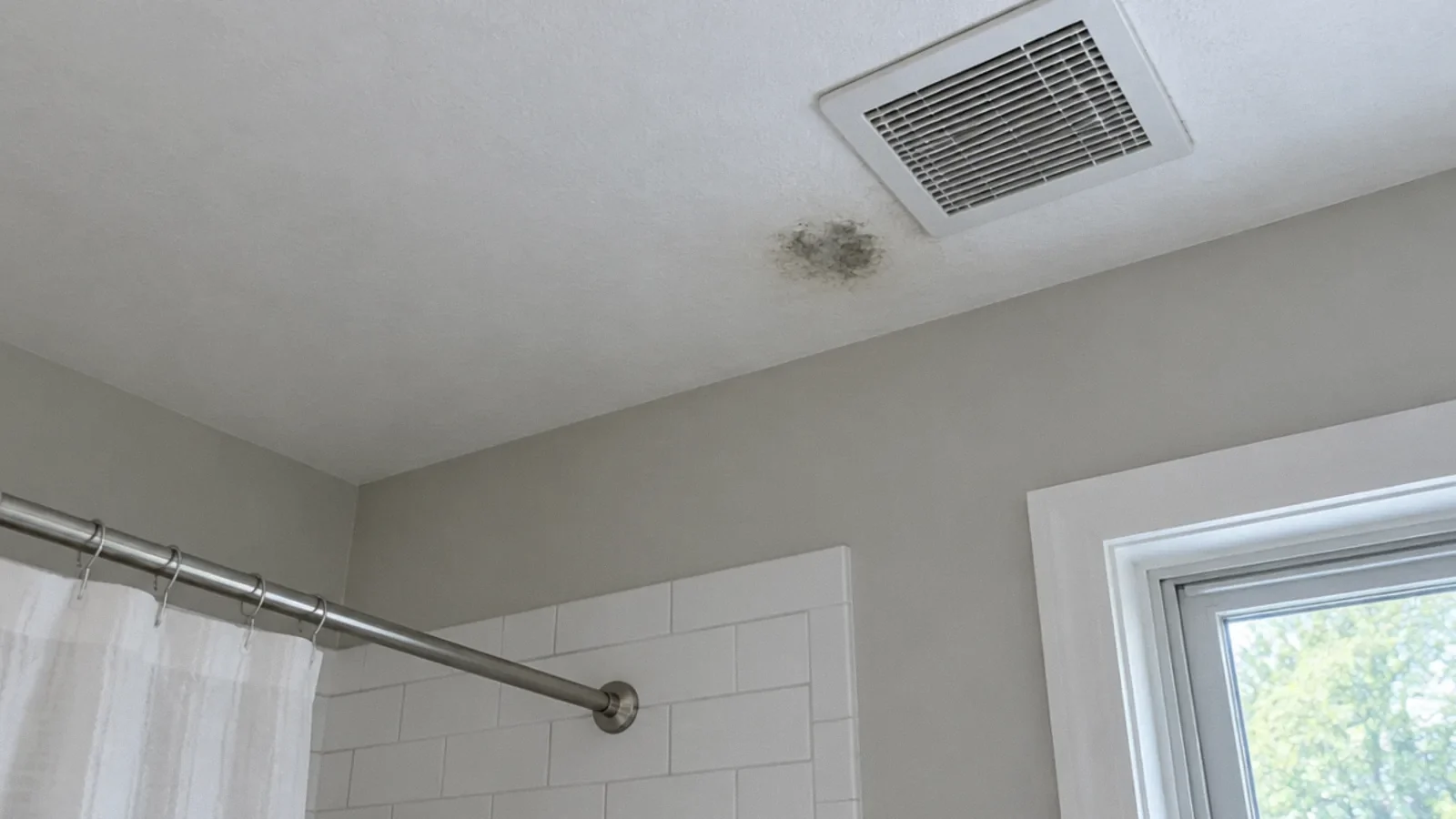
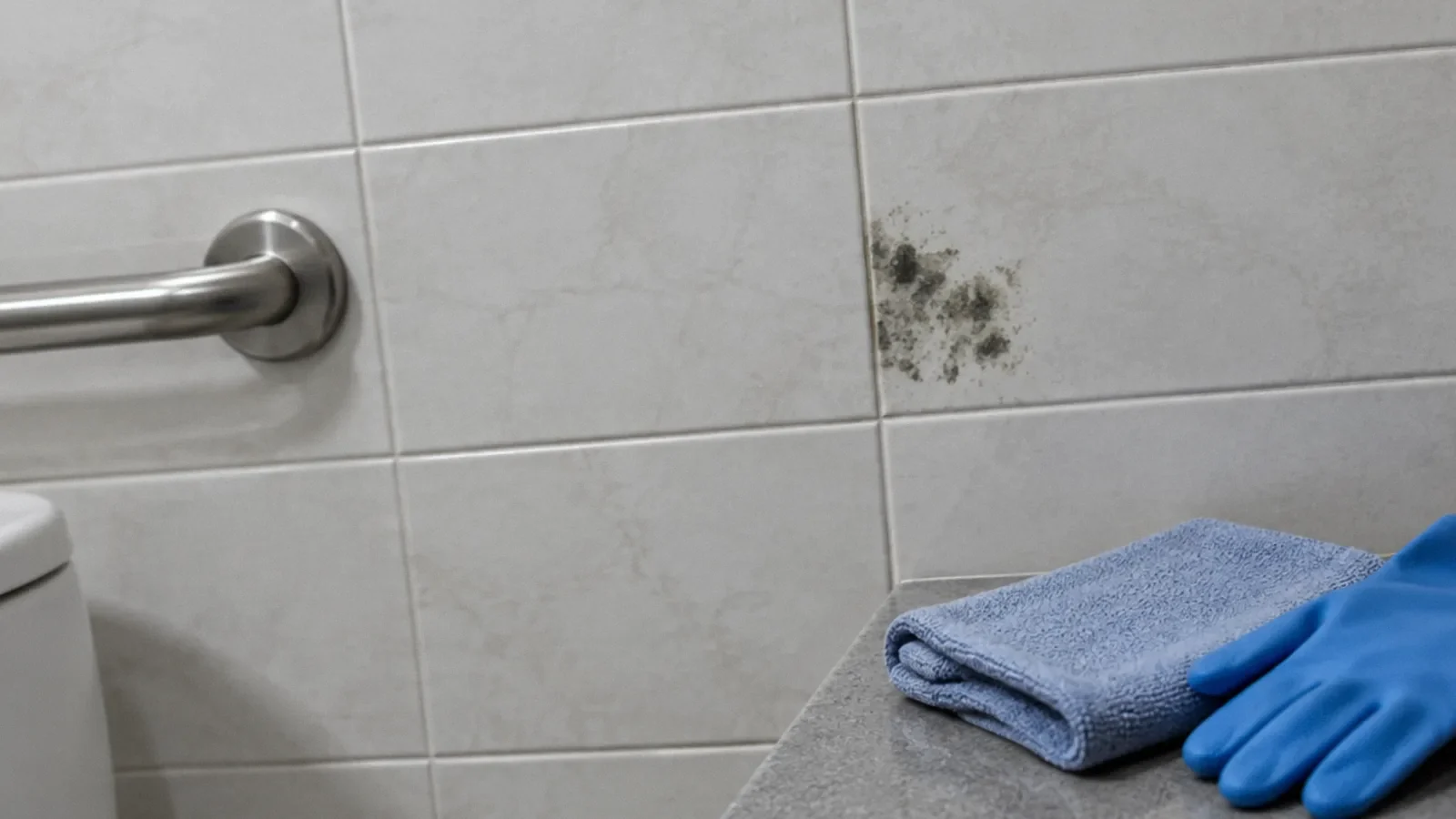
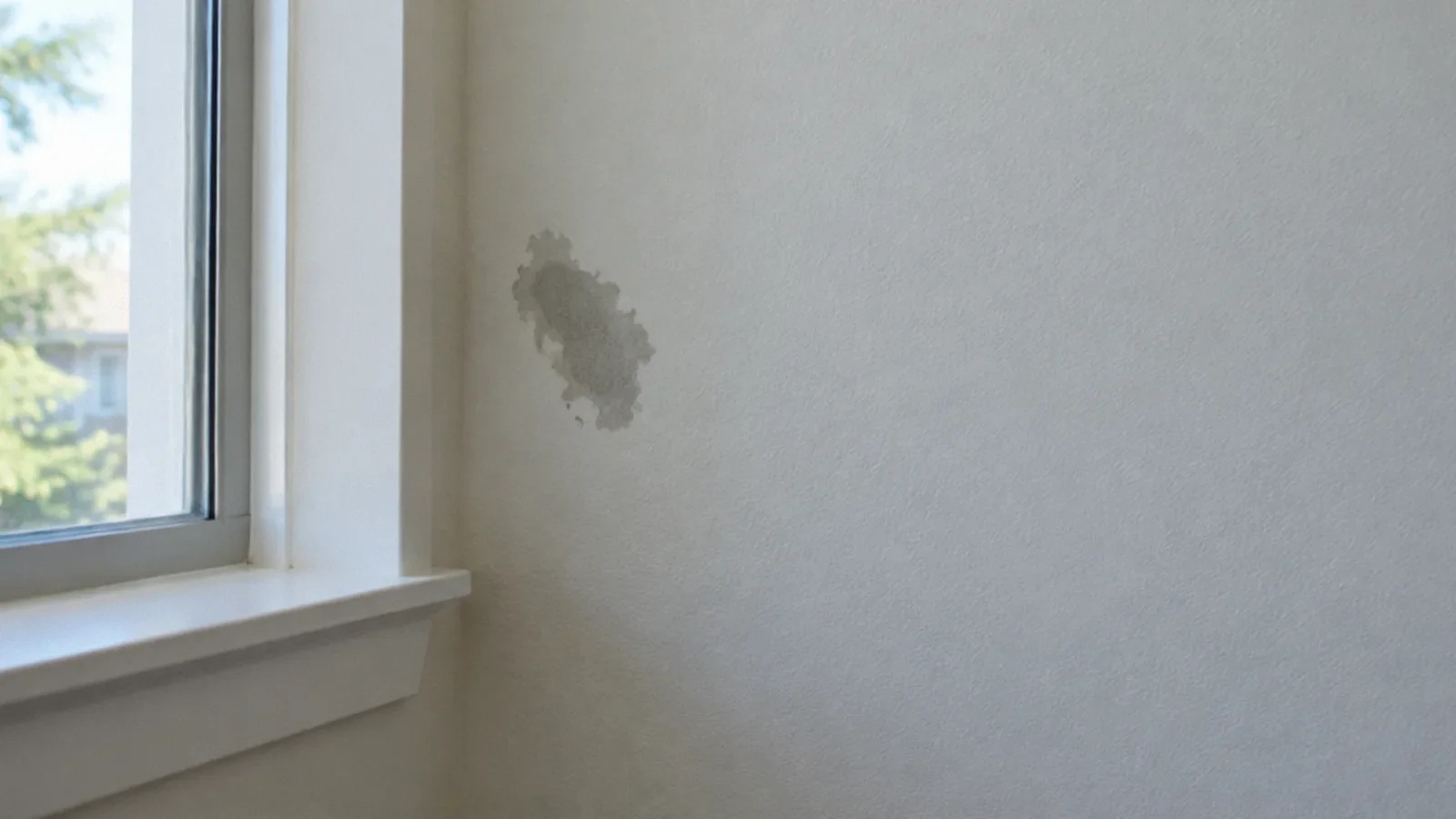
A wall may have spots, fuzzy-looking material, discoloration, peeling paint or a musty odor. Black, white, green and gray marks can have several explanations; a photograph or color alone does not establish the species. Growth may be visible on a finish or concealed behind wall coverings and inside a cavity.
The more useful questions are whether there is a moisture source, which materials are affected and whether access is safe. Do not scrape an uncertain patch or open a wall simply to see what lies behind it. Disturbance can release dust and expose wiring or plumbing.
Find the source of moisture
A plumbing leak, roof leak, rain entering around a window or condensation on a cool wall can all leave signs of moisture. Water can travel along framing before a mark appears, so the visible patch may not be directly below the source. Note when it changes and whether it follows rain or fixture use.
Repair the source before covering the area. A bathroom wall may be affected by a shower enclosure, piping or humidity; each calls for a different response. An experienced professional can inspect the assembly and explain which areas remain inaccessible.
Immediate safety and health
Keep clear of water near outlets, switches or damaged wiring and do not touch wet electrical devices. A bulging or unstable wall or ceiling should not be punctured. If sewage or floodwater is involved, avoid contact and arrange experienced professional cleanup.
People with allergies, asthma, chronic lung disease or a weakened immune system should not clean up mold, according to the CDC. Children should not take part in disaster cleanup. People with health concerns should consult a healthcare professional; a color name cannot diagnose illness.
Can you clean the surface?
EPA guidance says mold on suitable hard surfaces can be scrubbed with detergent and water and dried completely. The material, extent, access and health circumstances affect who should do the work. A small visible patch does not prove that the material behind it is unaffected.
CDC recommends at least a NIOSH-approved N95 respirator, gloves and appropriate goggles for mold cleanup. Protective equipment does not remove electrical, structural or contaminated-water hazards. Never mix bleach with other cleaning products, and do not spread debris into other rooms.
Drywall and other porous materials
Mold can grow within porous materials such as drywall, wallpaper or insulation, making complete cleaning difficult. Depending on the material and extent, removal may be necessary. A qualified contractor can determine the scope and explain how affected material will be contained and disposed of.
Do not paint or caulk over moldy material. EPA advises cleaning and drying the surface before painting. A new finish can hide continuing moisture and make later investigation harder. Older assemblies may contain hazardous materials that need specialist evaluation before disturbance.
When to hire a professional
Experienced help is appropriate for extensive or recurring growth, concealed damage, contaminated water, uncertain access or an occupant’s health concern. Ask for a written scope that separates source repair, protection, material removal, cleanup, drying and reconstruction.
Ask who will repair the leak and how completed work will be checked. Photographs can document visible conditions, but they do not alone prove that a wall cavity is dry. Retain the report, scope, photographs and any measurements with their locations.
Preventing the problem from returning
Maintain plumbing, roof details and drainage, and address condensation or ventilation issues suited to the room and climate. In a bathroom, a properly operating exhaust fan that discharges outdoors can help remove moist air. Do not assume ventilation alone fixes an active leak.
Check for new staining or odor after repairs when it is safe. If the problem returns, ask for further investigation rather than repeatedly applying a coating or spray. A lasting remedy addresses water, affected material and the way the wall dries.
Why mold can appear in a closet
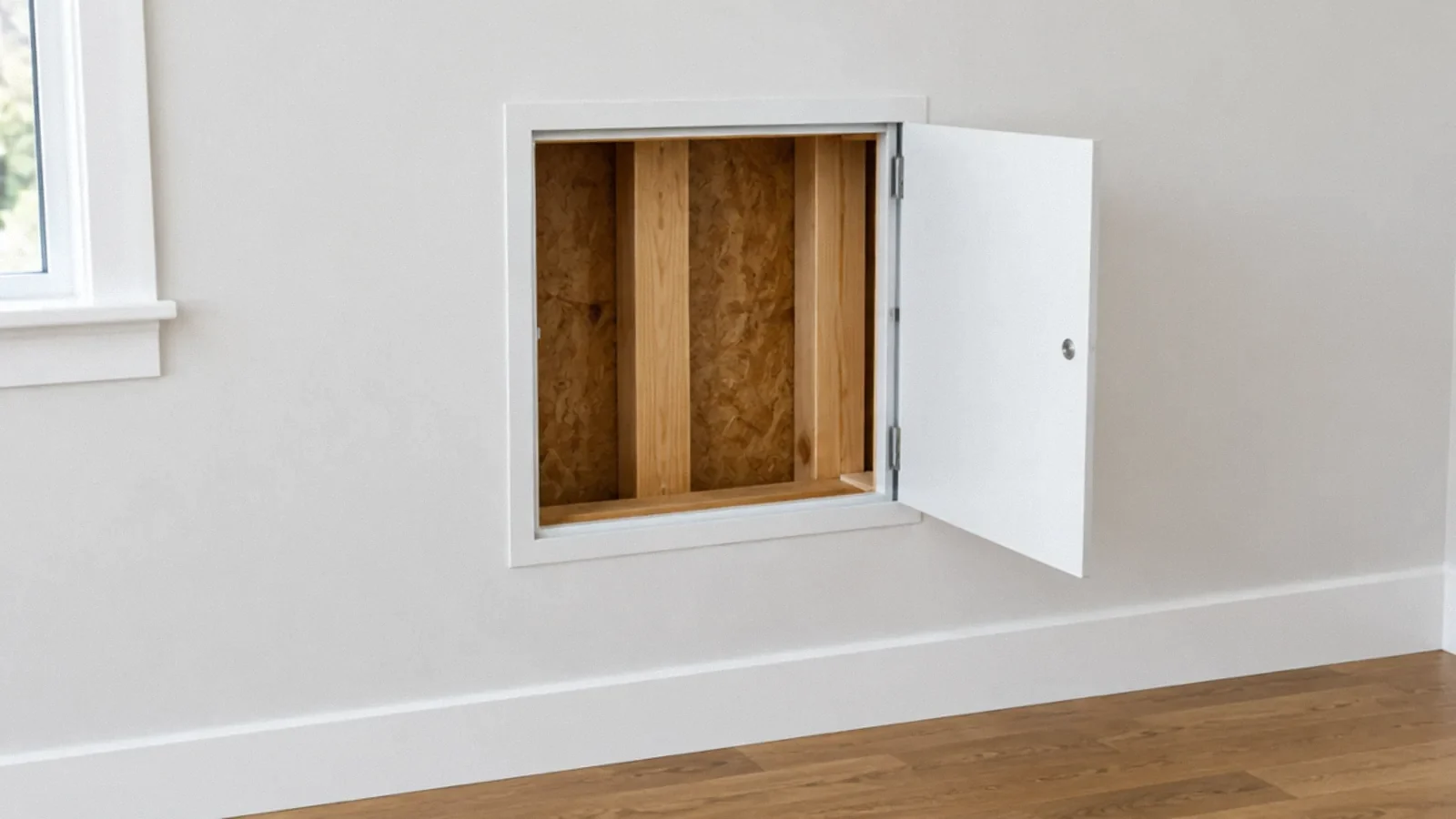
A closet against a cool exterior wall can have restricted airflow or condensation, while a roof, window or plumbing leak may also introduce moisture. Inspect accessible surfaces and stored items without disturbing a large suspect area; a dark patch alone does not identify the source.
Reduce the moisture source and assess affected wall materials and contents. Do not pack belongings against a damp wall or cover visible growth. A recurring problem or hidden cavity may need professional assessment.
Mold on or behind drywall: cleaning and removal
Drywall is porous, so mold can extend beyond a visible surface mark. White, green, yellow or dark discoloration cannot identify the organism or reveal how far it extends. A spray that changes the appearance does not prove the growth has been removed; EPA notes that moldy porous materials may be difficult or impossible to clean completely.
A removal plan should address the leak, affected area and materials, protection of occupants, dust control, disposal and drying before replacement. Before cutting a wall, identify electrical wiring, plumbing and possible asbestos or lead-containing materials. Do not disturb suspect asbestos. Extensive or concealed damage, contaminated floodwater and uncertain hazards warrant qualified professional assessment.
CDC advises that people with asthma, mold allergy, chronic lung disease or weakened immune systems avoid mold cleanup. For any permitted cleanup, follow current CDC guidance and use appropriate protective equipment; never mix cleaning chemicals. A new wall should not be closed over an unresolved moisture source.
Wall clues, moisture and inspection tools
A recurring mark, bubbling paint or soft, distorted drywall suggests a moisture investigation, but does not prove mold. Paper facing may show fuzzy or irregular spots; color or a photograph cannot establish what they are. Mildew is a common informal term for some surface growth; either way, identify and correct moisture.
Around showers or windows, condensation often follows cold surfaces or humid use, while a leak may track from a joint, pipe or exterior opening. These patterns are clues, not a diagnosis. Check wet belongings and condensation against a cold closet wall. Moisture meters compare accessible readings but do not identify mold; thermal cameras show temperature differences rather than moisture itself. A qualified investigator may recommend limited cavity inspection when justified. Lab samples answer only a defined question and are not routinely necessary for visible growth.
When painted drywall is still intact
A small affected area on a sound, nonporous painted surface may be suitable for careful surface cleaning under EPA guidance after moisture is corrected. Soft, swollen, delaminated or mold-affected porous drywall may not be cleanable throughout and needs an appropriate removal plan, particularly if extensive or concealed. Do not open suspect cavities near electrical equipment or disturb large areas yourself.
Locate and stop the source, assess and remove affected materials using suitable containment, dry and verify accessible materials, then repair and finish. Dampness without visible mold still requires prompt source investigation and drying. Exposure can cause congestion, wheezing or eye and skin irritation; people with asthma or weakened immunity may be more vulnerable. Seek medical advice for symptoms rather than diagnosing exposure from a stain.
Your next-step checklist
- Keep away from wet electrical devices and unstable materials.
- Investigate the moisture source and hidden areas.
- Choose cleanup appropriate to the material and extent.
- Do not paint over active mold or dampness.
- Keep records and watch for recurrence.
Related questions
Is black mold on a wall always toxic?
Color alone cannot identify a species or establish a health effect. Address visible growth and its moisture source, and consult a healthcare professional about symptoms.
Can mold grow inside a wall without being visible?
Yes. Moisture and growth can be concealed behind finishes or within a cavity. An experienced inspection may be needed.
Should I test every patch of mold?
EPA says sampling is unnecessary in most cases when mold is visible. A proposed test should answer a specific decision question.
Can I paint over moldy drywall?
No. EPA advises cleaning and drying surfaces before painting; porous damaged material may need removal.
What kinds of mold can grow on bathroom walls?
Several kinds can grow where moisture persists. Color or a photograph cannot reliably identify them; address the source and affected materials.
Can moldy drywall be cleaned?
Porous drywall can be difficult to clean fully and may need removal depending on the extent and water source. A qualified professional can assess it.
What if black-looking growth appears on drywall?
Do not assume species from color. Correct the moisture source and assess porous drywall; affected material may require removal.
Can mold grow in drywall?
Yes. Moisture can affect the paper facing and concealed side; damaged porous drywall may be difficult to clean completely and may need removal.
How can I prevent mold around windows?
Investigate recurring condensation or leaks, dry accessible moisture and address the source. Ventilation, humidity control and window repair may be relevant depending on the cause; extensive or concealed growth needs qualified assessment.
Sources & context
Public guidance supports the principles in this article. The practical questions and examples are editorial interpretation, not a site assessment or a coverage decision. State-specific rules apply only where identified.
- U.S. EPA: Mold cleanup in your homefederal guidance
- U.S. EPA: Is mold sampling necessary?federal guidance
- CDC: Mold cleanup guidelinesfederal health guidance
- U.S. EPA: Mold cleanup in your homefederal guidance
- U.S. EPA: A brief guide to mold, moisture and your homeprimary guidance
- CDC: Mold and healthprimary guidance