Blot fresh oil, identify the material and follow its care instructions. Treat washable fabric, carpet and porous concrete differently; older stains may not disappear completely.
Identify the oil and the surface
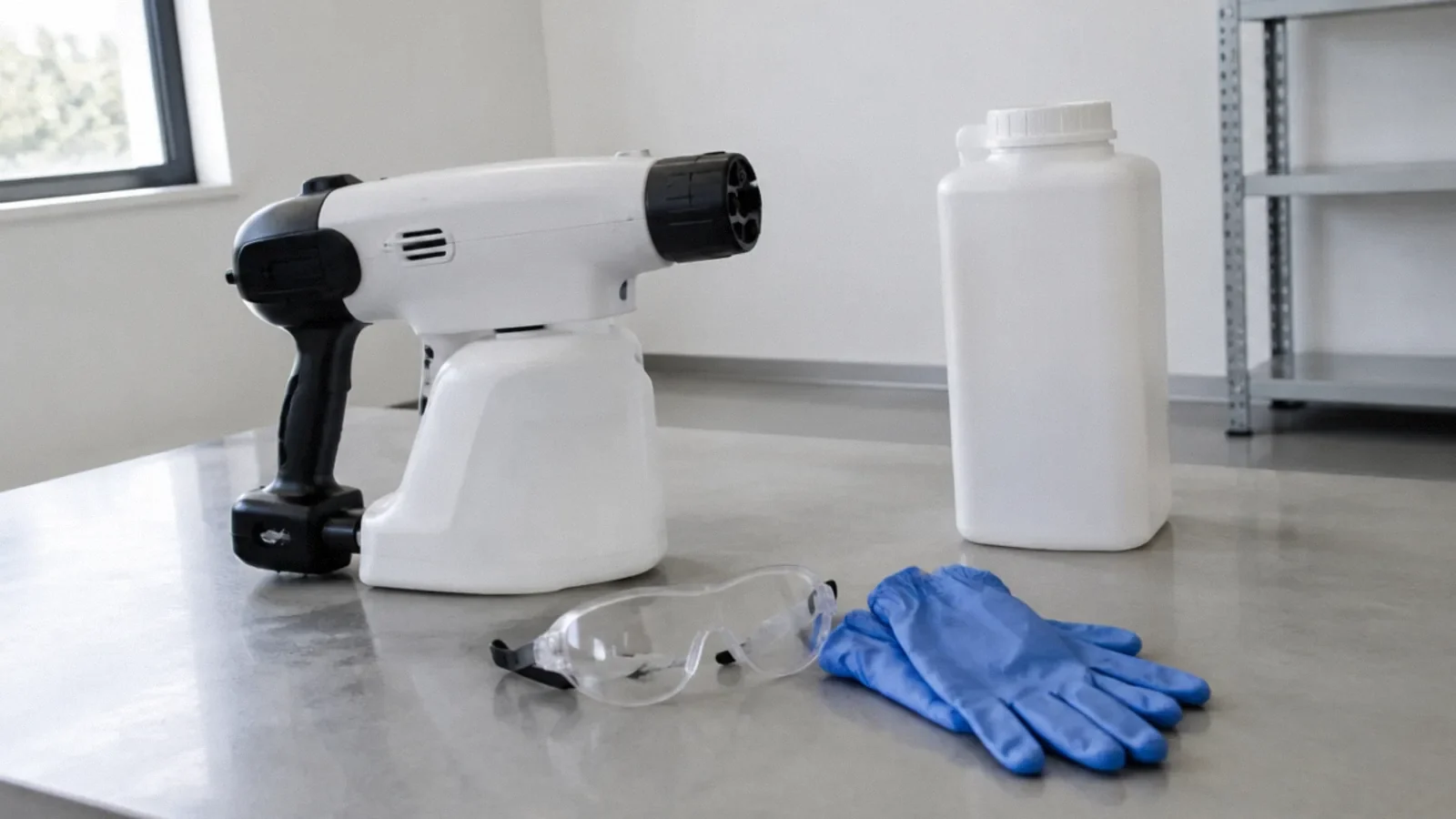
A cooking-oil mark on a shirt and motor oil absorbed into concrete require different handling. First stop the source and keep the spill from spreading. Blot fresh liquid with absorbent material instead of rubbing it into the surface. Wear gloves as appropriate and follow local disposal rules for contaminated absorbents. Fuel or a large hazardous spill needs specialist advice rather than a household stain treatment.
Check the care label or the manufacturer's instructions before applying any product. Test a small inconspicuous area, allow it to dry and check for discoloration or finish damage. Avoid combining cleaners. Do not use gasoline or an open flame as a cleaning method. If the object is valuable, antique, delicate or has an unknown finish, consult a specialist before treating it.
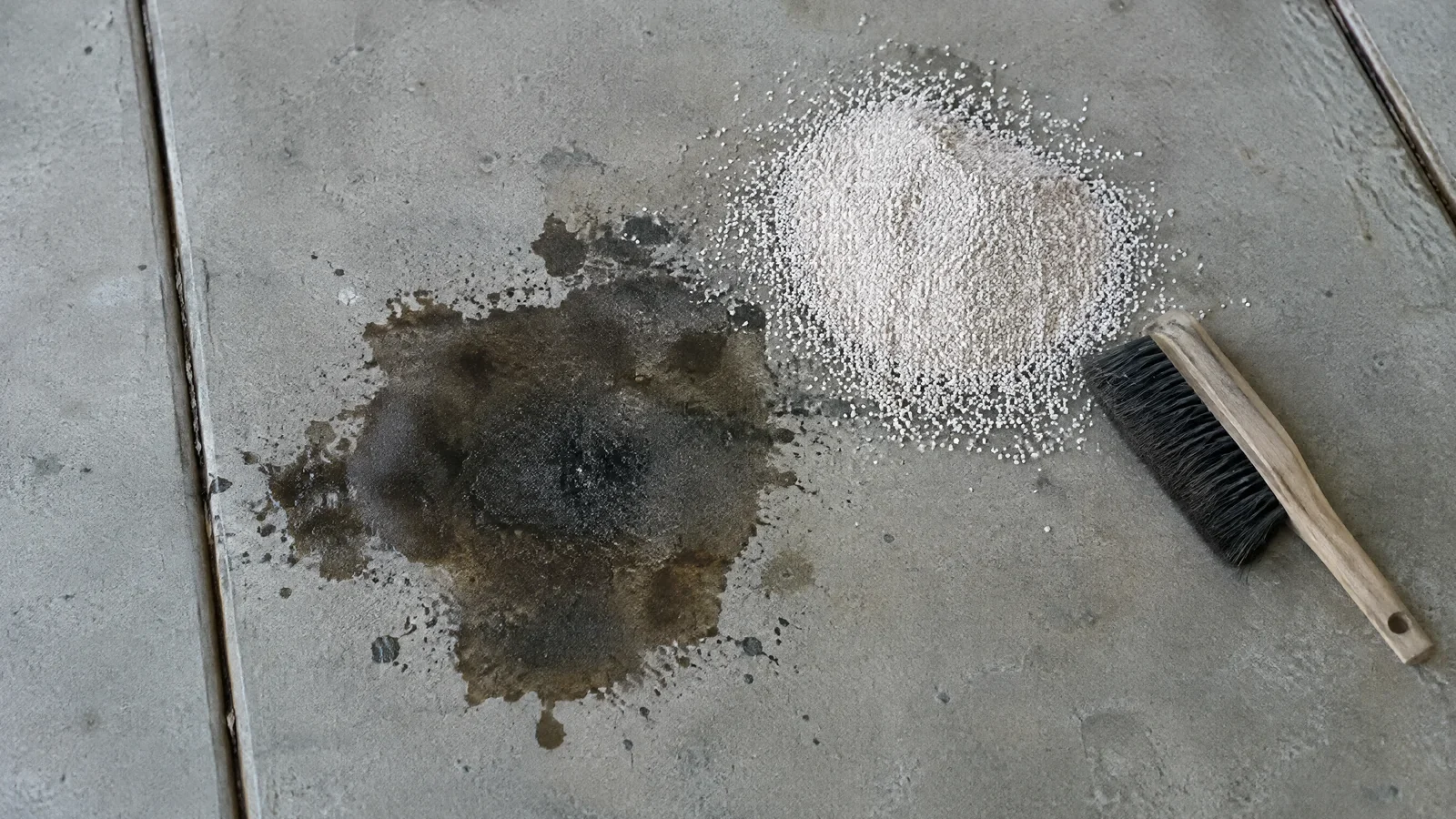
The age of the mark matters. Absorbent can collect oil that remains on or near the surface, but it may not draw all oil from a deeply porous material. A lighter stain after treatment is not a guarantee that every residue is gone. Repeat only when the material and product instructions allow it.
Washable fabric and carpet
For washable clothing, Kansas State University recommends pretreating light grease or oil stains with an appropriate prewash product or liquid laundry detergent and then laundering according to the care label. Check the garment after washing and before putting it in a dryer; heat can make a remaining stain harder to remove. Repeat a compatible treatment if needed, or seek a professional cleaner for difficult or delicate items.
A carpet or upholstered surface cannot simply be rinsed as a garment. Blot from the outer edge toward the center with a clean white cloth, avoid grinding the spot into fibers, and use a product approved for that specific material. Follow its directions and avoid over-wetting the backing or cushion. Blot away residue and allow the area to dry; keep traffic away while it dries.
For wool, silk, leather, delicate dyes or an unknown fabric, ask a specialist. A stain may contain more than oil: food can also contain color, protein or sugar, and a motor-oil mark may contain dirt. Tell the cleaner the suspected source and any products already used. Multiple incompatible treatments can make an assessment and later cleaning harder.
Concrete, stone and finished floors
Concrete can absorb oil. University of Georgia extension guidance recommends an absorbent for a fresh spill and cautions against wiping, which can spread oil and drive it into the surface. For a suitable concrete surface, a labeled detergent or concrete cleaner and gentle scrubbing may help; follow the product instructions and test first. Collect residue rather than washing oily water into a storm drain. Local disposal requirements can differ.
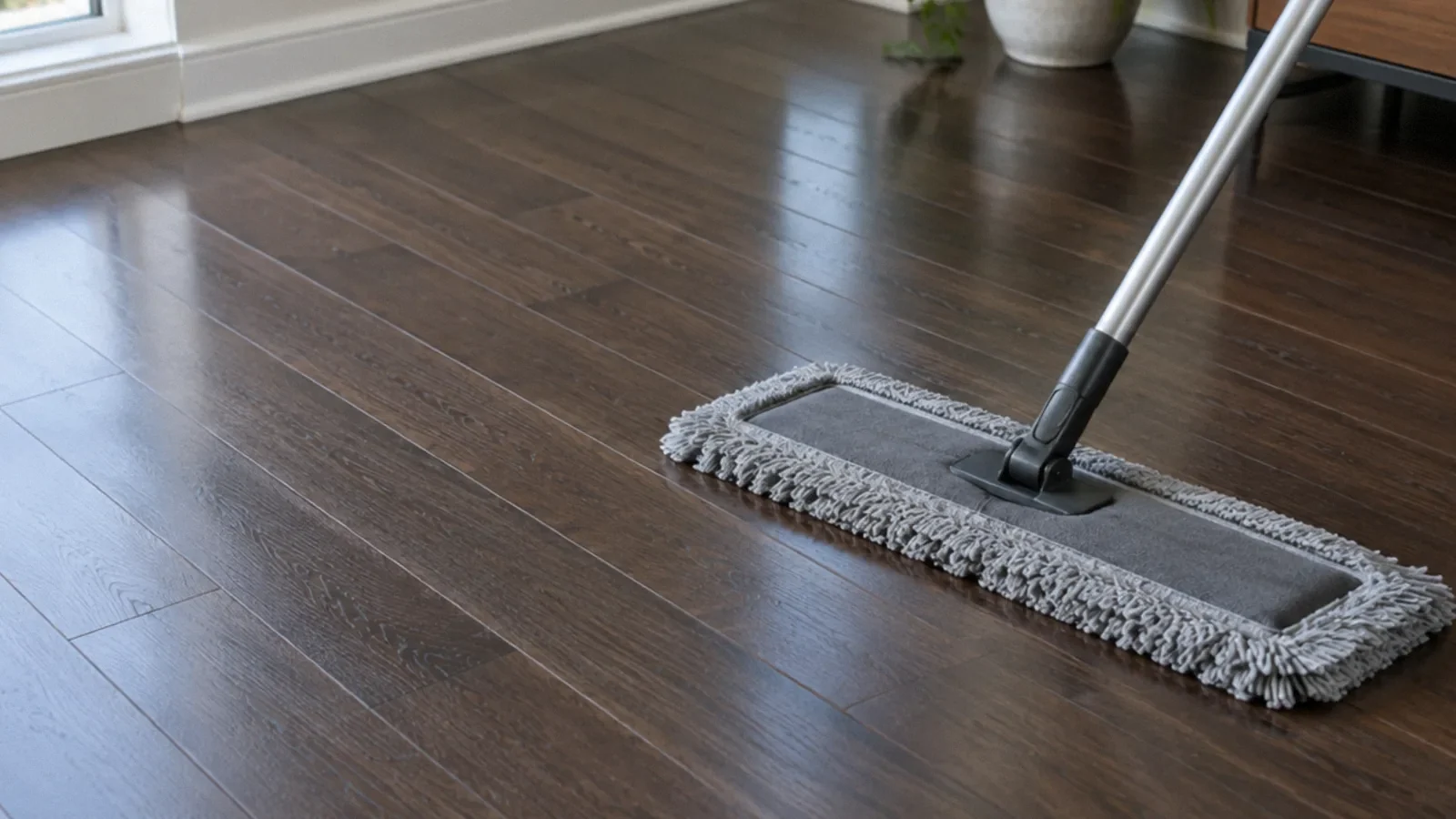
Natural stone, sealed concrete, wood, vinyl and laminate have different finishes. A harsh degreaser, abrasive brush or excessive water can damage the finish or enter seams. Use the exact surface manufacturer's instructions, and consult a stone specialist for a deep or persistent stain. Do not apply the concrete method to a porous stone countertop without checking compatibility.
Once the area is dry, inspect in normal light. Some old oil stains remain visible even after cleaning, and a wet surface can temporarily hide a mark. Do not seal over a residue without confirming that the surface is clean and dry under the sealant manufacturer's requirements. Prevent recurrence by repairing the leak or using a suitable protective mat.
On a countertop, first determine whether the surface is sealed natural stone, engineered material, laminate or another finish. The same-looking surface can have different care limits. Oil may darken porous stone even after the visible spill is gone; a stone professional can advise whether a compatible poultice is appropriate. Avoid acidic household products on acid-sensitive stone. Check the surrounding seam and cabinet for any liquid that migrated beyond the visible mark, then dry them without forcing water deeper into the joint.
A repeated dark spot below a vehicle is also a maintenance clue. Have the underlying leak repaired rather than repeatedly cleaning the concrete. For any remaining product or absorbent, check the local household hazardous-waste program before disposal; requirements depend on what was spilled and where you live. Keep children and pets away from both the spill and cleaning products, and let the treated area dry before allowing access.
Your next-step checklist
- Blot excess oil without spreading the stain.
- Check the material care label and test the approved cleaner.
- Dry the surface and dispose of oily residue appropriately.
Related questions
Can an old oil stain be removed completely?
Sometimes it can be reduced, but the result depends on the oil, material, age and previous treatments.
Should oily wash water enter a storm drain?
No. Collect residue and follow local disposal rules; storm drains can discharge to waterways.
Sources & context
Public guidance supports the principles in this article. The practical questions and examples are editorial interpretation, not a site assessment or a coverage decision. State-specific rules apply only where identified.