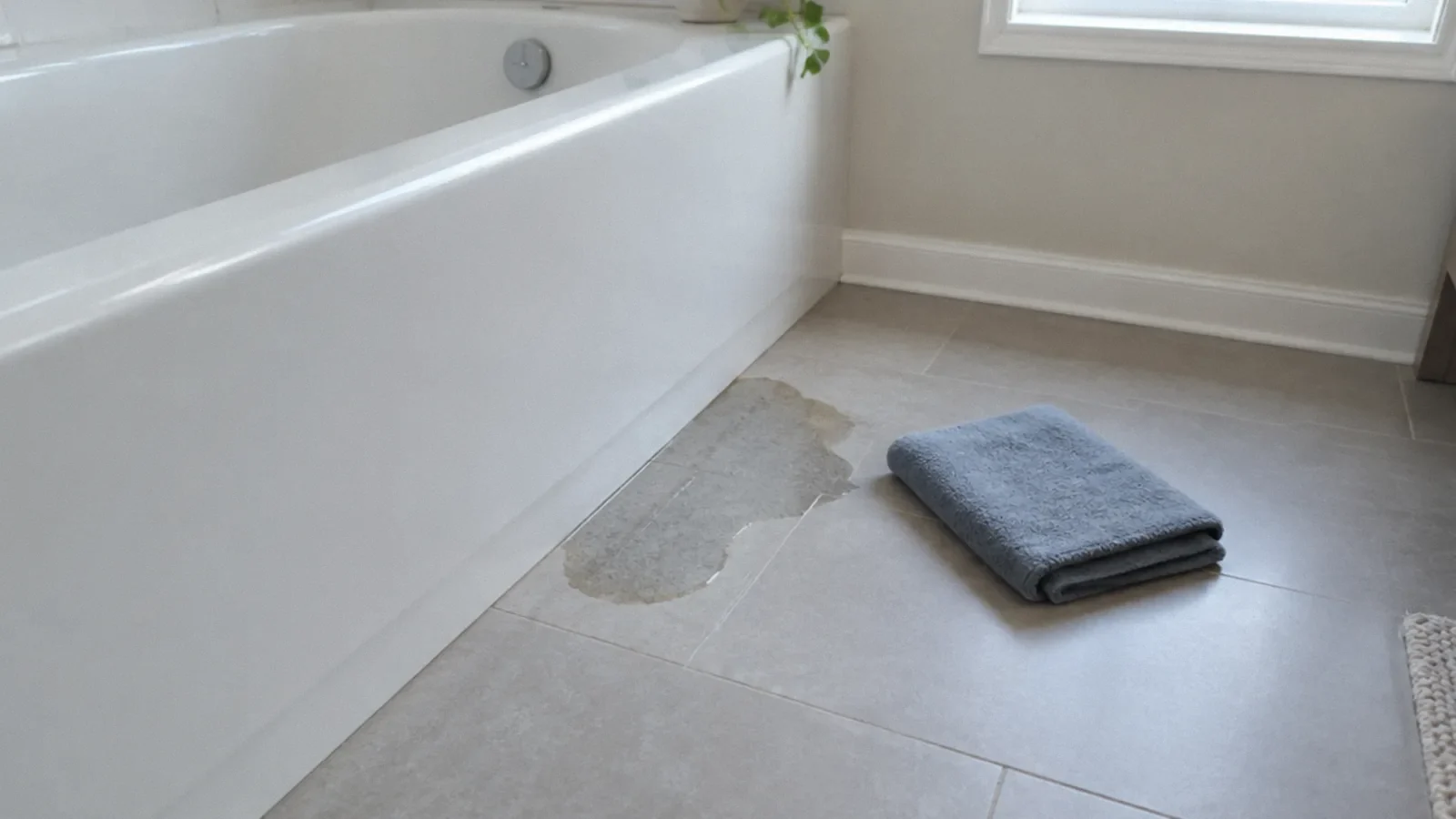
Stop using the tub if water is escaping, protect people from any electrical hazard and document where and when water appears. A leaking drain, overflow, faucet connection, cracked seal or splash beyond the tub can produce similar symptoms. A qualified plumber can isolate the cause without unnecessary demolition.
Make the area safe first
If water is near an outlet, electrical equipment or a ceiling light below the bathroom, stay clear and contact a qualified electrician or utility for safe isolation. Do not touch wet switches or enter standing water to reach a panel. If the ceiling is bulging or sagging, keep people out of the area beneath it.
Stop using the affected tub or shower while the source is uncertain. If water continues to flow and an identified water shutoff is safely accessible, closing it may limit damage; do not force a stuck valve. An active supply leak may continue even when nobody is bathing.
Observe when the water appears
A leak that occurs only during a shower may follow a different path from one that occurs when the tub is filled or drained. Note whether the wet area appears at the tub edge, beneath the fixture, behind a wall or on a lower ceiling. A stain may show the exit point rather than the point where water first escaped.
Record the time and conditions without deliberately producing more water. A recent plumbing repair, loose overflow cover, missing grout or a shower curtain outside the tub can be useful clues, but none proves the cause. Tell the property manager promptly if the bathroom is in a rental or shared building.
Drain and overflow connections
A tub drain carries used water away; the overflow opening provides an additional pathway near the upper part of the tub. A worn gasket, loose connection or damaged waste-and-overflow assembly can allow water to escape when water reaches the affected part. These parts may be hidden behind an access panel or ceiling.
A drain leak can be mistaken for a failed caulk joint, and applying sealant to the visible opening may hide the symptom without repairing the connection. A plumber can determine which connection needs repair and whether access is needed. Do not remove a ceiling or cut into a wall without checking for concealed utilities and hazardous materials.
Faucet and supply leaks
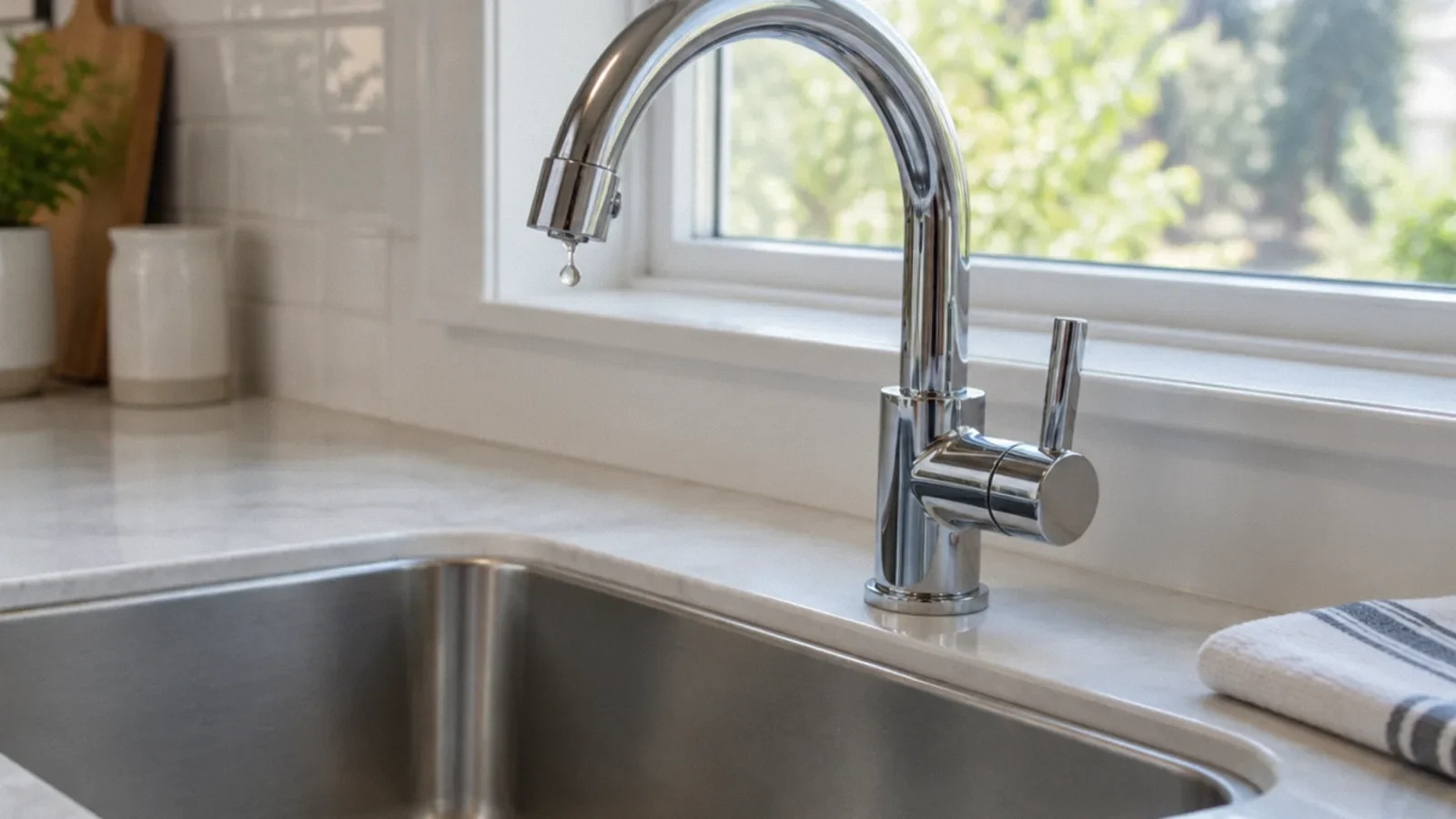
A dripping spout may waste water into the tub, while a leak behind the faucet, valve or supply line can wet an inaccessible cavity. Water that appears even when the tub is unused deserves particular attention. Look for a damp cabinet or wall from a safe location, but do not dismantle a valve without the right skills.
Ask a licensed plumber to inspect the supply and valve assembly if leakage persists. The repair may require a cartridge, connection, pipe or other component; the exact cause depends on the fixture. A temporary towel will not stop a pressurized leak behind a wall.
Splash water and surface gaps
Water can escape over the rim if a shower curtain is outside the tub or a door seal directs spray outward. Deteriorated caulk, cracked tile grout or an unprotected joint may also allow water behind a finish. These are clues to investigate, not a guarantee that a surface seal is the only problem.
Dry the area and examine accessible joints. Replacing an appropriate seal may be part of a repair, but do not trap wet material behind new caulk. If water has entered a wall or floor, the affected materials may need to be opened, dried or replaced after the actual water source is corrected.
Protect the floor and ceiling
Absorb a small accessible puddle only after electrical and slip hazards are controlled. Move loose belongings away from the wet area and improve ventilation where safe. Do not operate a household vacuum in water unless the device is specifically designed and safely connected for wet use.
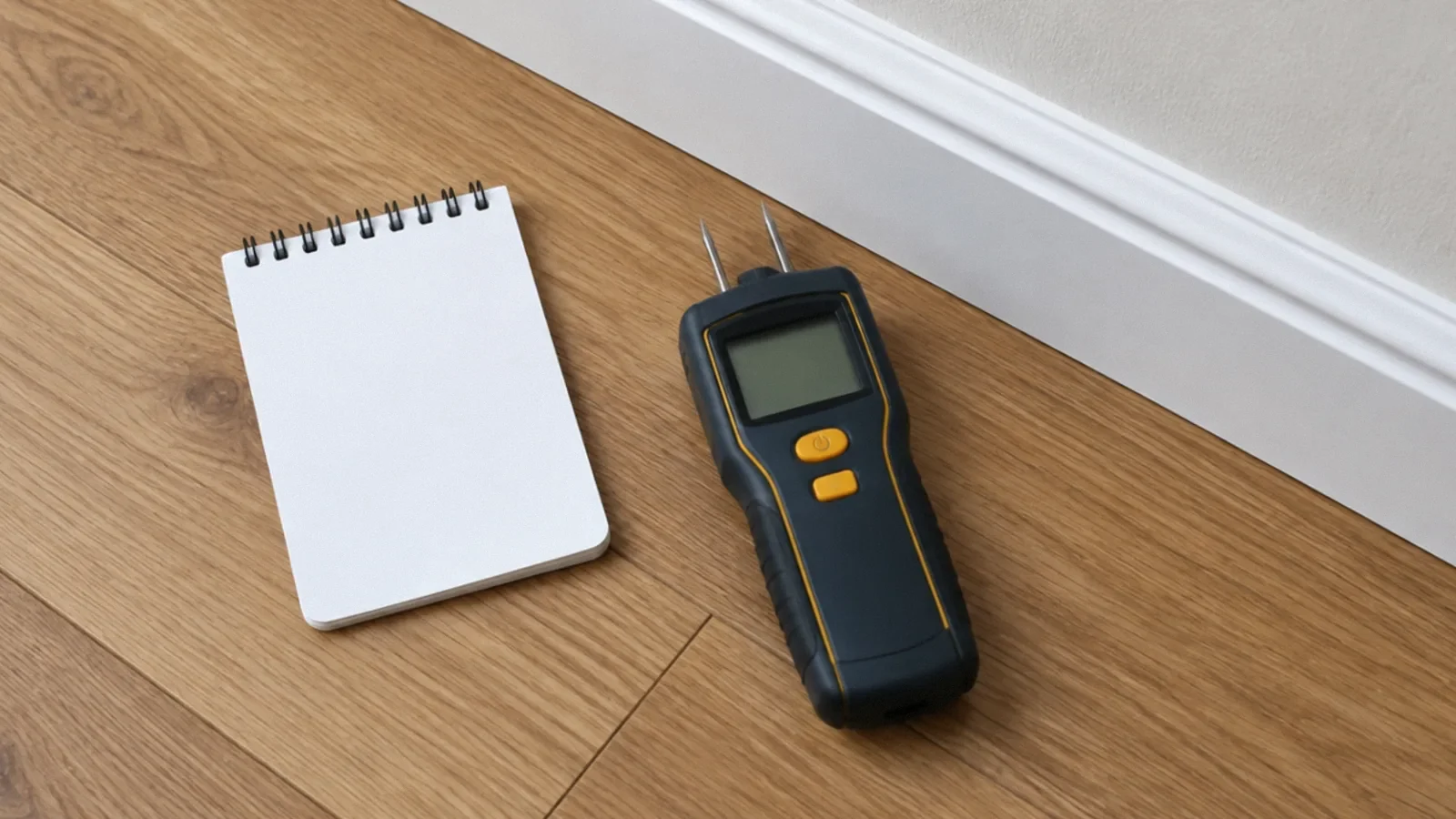
Hidden water can spread under flooring or into a ceiling cavity. Bulging drywall, persistent dampness, a musty smell or repeated staining calls for assessment. EPA advises prompt attention to clean-water damage and moisture; its 24–48 hour prevention guidance is not a guarantee that all materials will be dry or mold-free.
Repair, document and verify
Photograph visible damage from a safe location, save the date and notify the insurer or property manager as appropriate. Ask for a written repair scope that identifies the suspected source, access method, plumbing repair and any separate drying or reconstruction. Coverage depends on the policy and facts.
Before walls or ceilings are closed, ask how the repair will be checked under the relevant conditions and how affected material dryness will be assessed. Follow the plumber’s directions for restoring use. A single dry-looking surface is not proof that a concealed cavity is dry.
When to call a professional
Call a plumber for a continuing leak, concealed water, an uncertain source or a repair requiring access to supply, drain or overflow connections. Call an electrician or utility when electrical equipment may have been wetted. Large contamination, sewage or significant building damage can require additional specialist help.
If the property is older, disturbing paint or building materials may create lead or asbestos concerns. Use qualified professionals and applicable local procedures before demolition. The right response is a diagnosis tied to the actual assembly, not replacing every fixture on the basis of a stain alone.
Use timing to guide a plumber’s diagnosis
Water appearing while filling could involve supply or faucet connections, splash, or the tub itself. Water appearing during drainage suggests the waste connection or trap, but water may travel along framing before it appears below. A leak only when the water reaches the overflow level makes its gasket or connection a possibility, not a diagnosis.
Do not refill the tub or raise water to the overflow just to reproduce a leak, especially if water has reached a floor or ceiling. Describe the last observed stage and photographs to the plumber. The professional can choose a controlled test, inspect accessible connections and determine whether a concealed assembly needs access. Do not dismantle hidden drain fittings or rely on fresh caulk to repair them.
Understanding the plumbing
For a guide to tub components, installation and a simplified diagram, see Bathtub Plumbing Installation and Components. The actual arrangement varies; this article focuses on identifying and responding to an existing leak.
Your next-step checklist
- Stop using the tub and avoid electrical hazards.
- Note when and where water appears.
- Use a known shutoff only if safely accessible.
- Arrange diagnosis of drain, overflow and supply connections.
- Dry affected materials before closing concealed spaces.
Related questions
Why does my bathtub leak only when draining?
A drain or connection is one possibility, but water can travel from another source. A plumber can isolate the cause without assuming from the stain alone.
Can a bathtub overflow leak behind the wall?
Yes. A damaged or loose overflow connection or gasket can allow water to escape when the water reaches it. Inspection is needed to identify the actual fault.
Will new caulk fix every tub leak?
No. Caulk may address an appropriate surface joint but cannot repair a leaking supply pipe, drain or overflow connection.
Should I use the bathroom if water is near a light or outlet?
Stay clear of the electrical hazard and arrange qualified assessment and safe isolation before entering or handling wet electrical equipment.
Sources & context
Public guidance supports the principles in this article. The practical questions and examples are editorial interpretation, not a site assessment or a coverage decision. State-specific rules apply only where identified.
- EPA: Water damage cleanup and mold preventionfederal guidance
- EPA: Moisture control guidancefederal technical guidance
- Electrical Safety Foundation: Kitchen and appliance safetyelectrical safety guidance