Roots can enter vulnerable septic pipes, joints or tank openings, but slow drains do not prove roots are the cause. Reduce water use, avoid sewage and keep the tank closed; have a qualified septic professional locate the defect and recommend repair.
How roots affect a septic system
A typical septic system includes a tank and a drainfield connected by pipes. Roots can grow toward moisture and exploit an opening or damaged joint, obstruct a line, or damage components. EPA notes that trees and shrubs can damage drainfield pipes. Roots at a tank or line are not automatically evidence that the entire drainfield has failed; the location and extent must be determined before selecting a remedy.
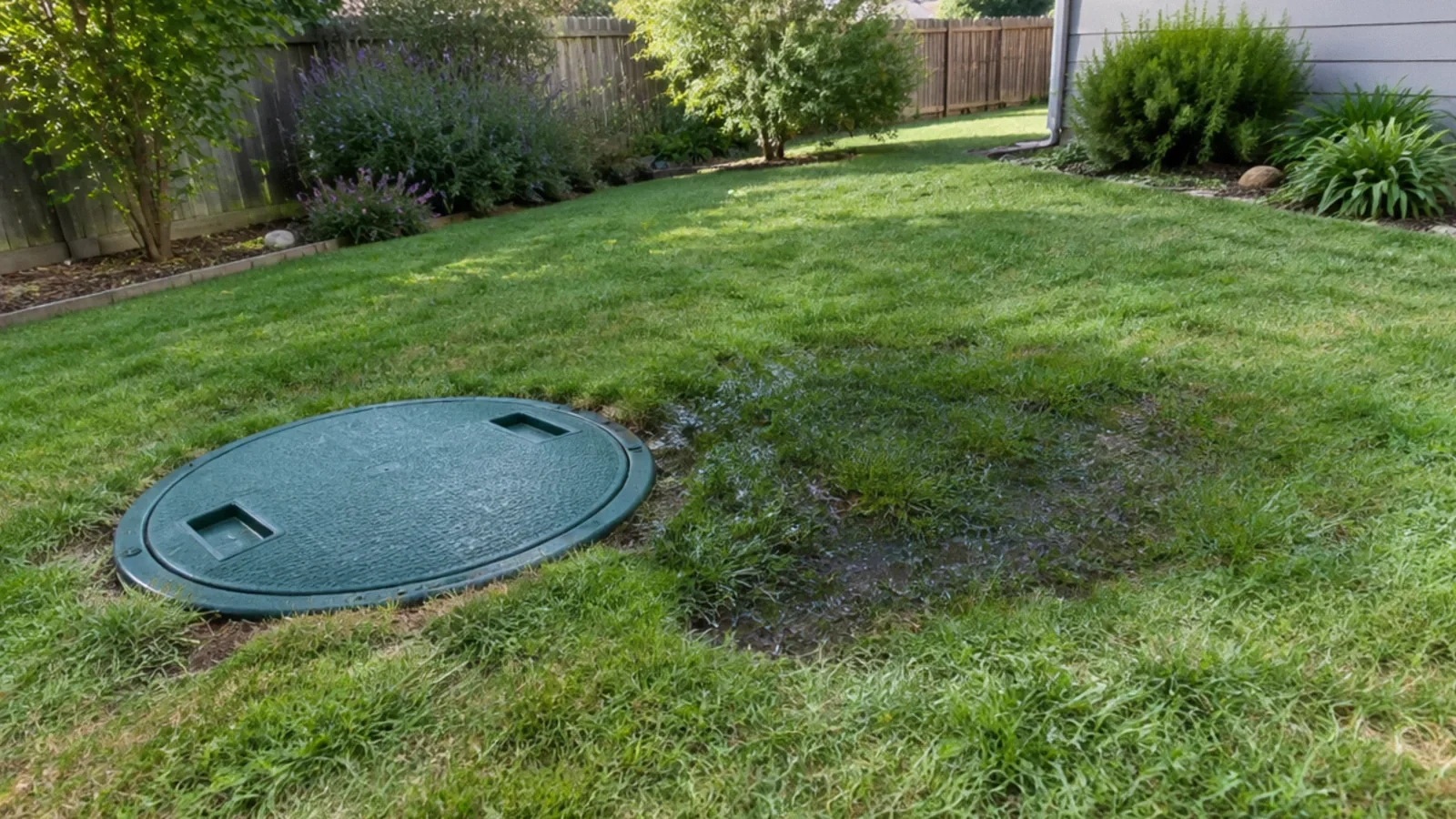
Slow drains, gurgling, a sewage odor, wet ground, or a backup can indicate several problems, including a full tank, a blockage, damaged piping, excessive water use, or a saturated drainfield. The same symptom can have more than one cause. Record where and when symptoms occur and share any available system map and maintenance history with a septic service professional.
Protect people and the system
Stop or reduce water use if wastewater is backing up and keep people and pets away from sewage and wet areas. Contact the local health or environmental authority if sewage is surfacing or a spill threatens a well or waterway. Do not open or enter a septic tank: hazardous gases, lack of oxygen, unstable covers, and falls can be deadly. Confined-space entry requires specialized procedures and trained personnel.
Do not dig around the tank or field until the components and buried utilities have been located and the work is authorized. A lid, pipe, or tank may be damaged or structurally unsafe. Keep vehicles and heavy equipment off the drainfield, because compaction can damage the system. Temporary pumping may be necessary in some circumstances, but it does not repair a broken pipe or prove that a root problem has been solved.
Find the actual obstruction
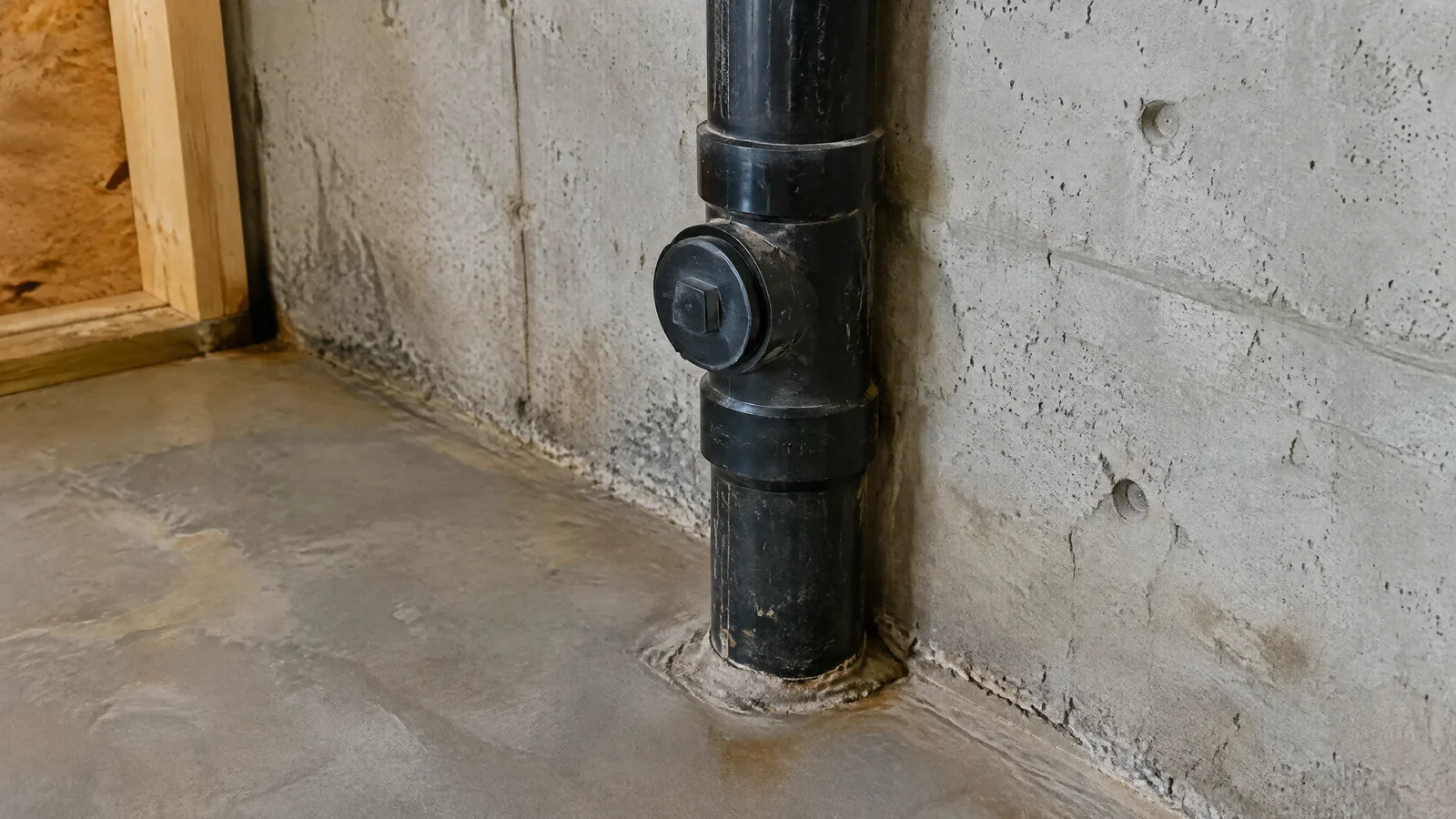
A septic professional can review records, locate components, inspect accessible parts, and decide whether a camera or other diagnostic method is suitable for a particular line. Ask the contractor to identify whether roots are in a building sewer, the tank inlet or outlet, a distribution component, or drainfield piping. These are different locations with different repair options and consequences.
Ask to see the documented defect, including its location and any limitations of the inspection. A camera may not pass through a complete blockage, and a view of one section does not establish the condition of the entire system. A tank inspection or pumping should be performed by a qualified service provider under local requirements. The appropriate scope depends on system design and access.
Removal, repair and chemicals
Mechanical clearing may temporarily restore flow in an accessible line, but roots can return through an unrepaired opening. Damaged pipe or a failed joint may require repair or replacement; work at the tank or drainfield may require a different specialist and a permit. Ask whether the proposal treats the entry point as well as the blockage, and whether the contractor will verify flow and document the repair afterward.
Do not add a root-killing chemical or large quantity of drain cleaner based solely on a product advertisement. Chemicals can be inappropriate for the system, hazardous to handle, or restricted locally. Ask the septic professional and local authority about any proposed treatment, its label, and its effect on the system. Never mix cleaning products or use a chemical as a substitute for locating a damaged component.
Prevent damage and monitor performance
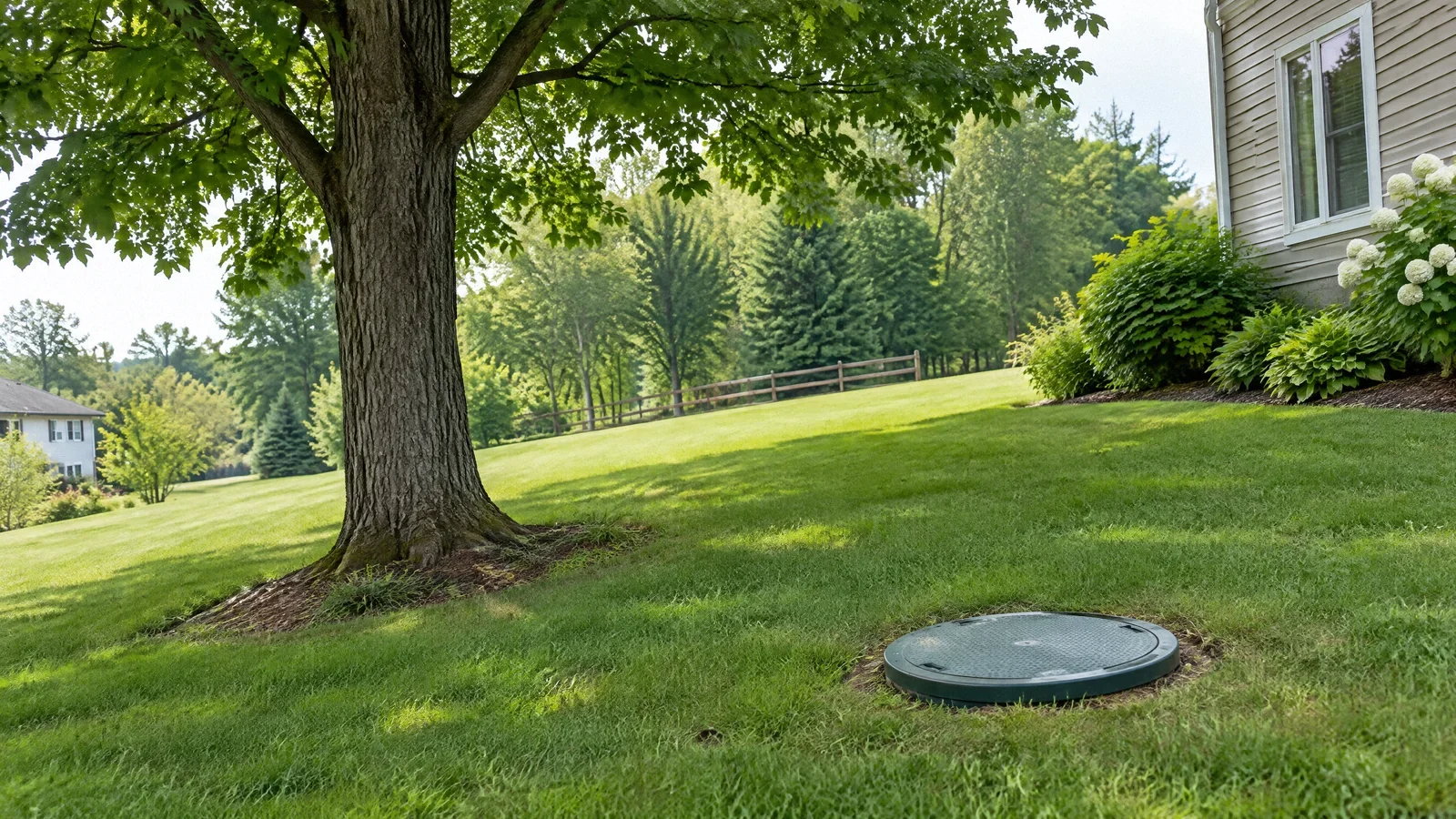
Locate the tank, pipes, and drainfield before planning landscaping. EPA advises keeping trees an appropriate distance from the field; the distance depends on species, site conditions, and system layout, so consult a septic professional and local rules instead of relying on a universal number. Native grasses and suitable ground cover are generally preferable over the field. Avoid parking, paving, or building over system components without approval.
Follow a maintenance schedule based on the system and professional inspection. Keep records of pumping, repairs, permits, and the location of components. Divert roof and surface drainage away from the drainfield as appropriate, and avoid overloading the system with unnecessary water. If odors, backups, or wet ground return after work, contact the service provider promptly rather than repeating treatments without a new diagnosis.
Your next-step checklist
- Reduce water use during a backup.
- Keep the tank closed and avoid sewage.
- Ask a professional to locate and repair the defect.
Related questions
Will cutting roots permanently fix the problem?
Not necessarily. Roots can return through an unrepaired opening, so a professional should locate the defect.
Can I enter the tank to inspect it?
No. Septic tanks present potentially fatal confined-space hazards and require specialized professional procedures.
Sources & context
Public guidance supports the principles in this article. The practical questions and examples are editorial interpretation, not a site assessment or a coverage decision. State-specific rules apply only where identified.