Follow local evacuation orders, prepare supplies before the storm, shelter away from windows during it, and return only when officials say it is safe. Avoid floodwater, downed wires and generators indoors.
Before the storm: plan and prepare
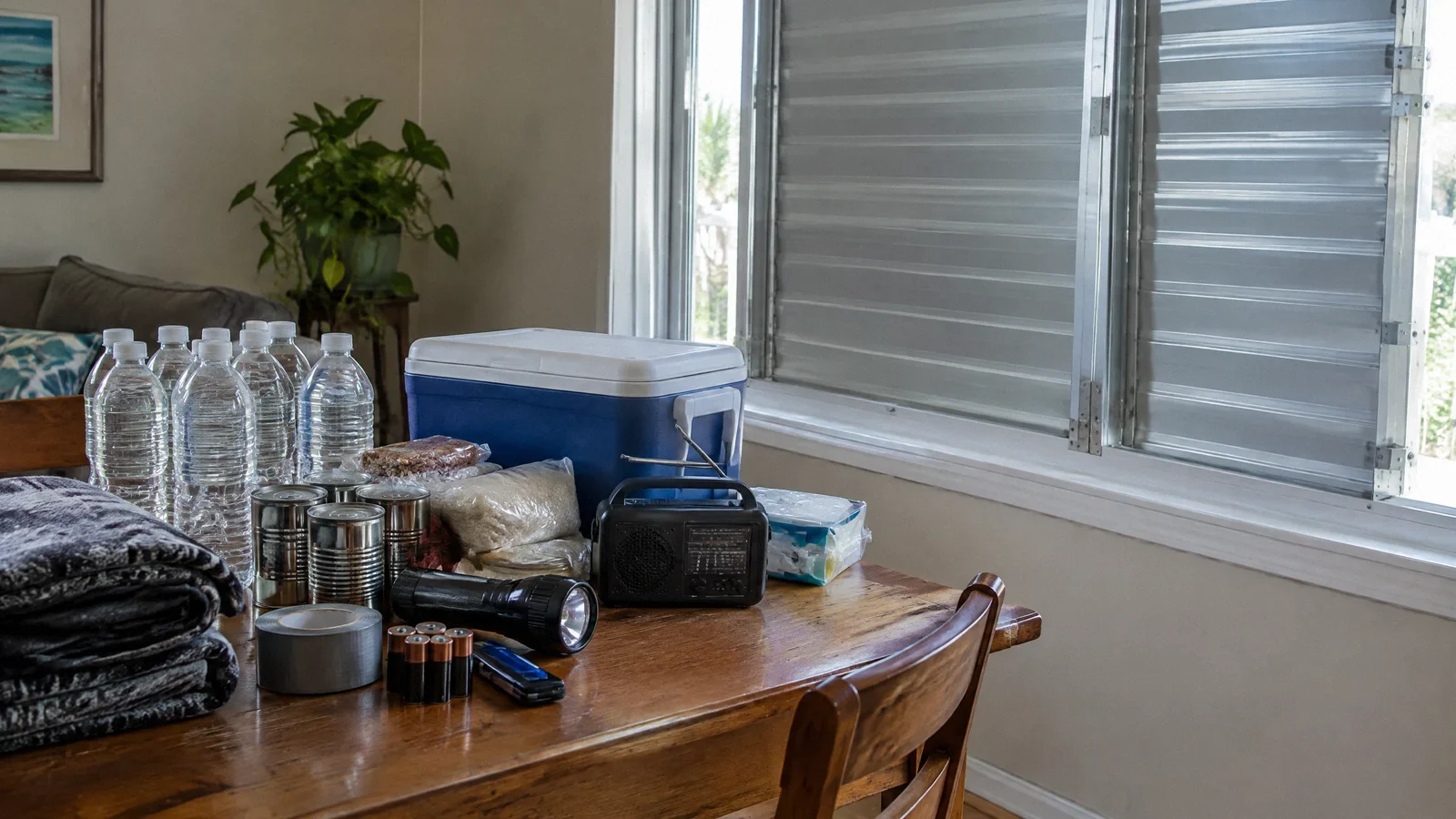
Know whether your address is in an evacuation area and identify more than one route to a safe destination. Local officials’ instructions override a generic checklist because surge, rainfall and road conditions vary. Plan transportation early, including help for anyone who needs assistance, and include pets and medications. Charge phones and backup batteries, gather drinking water, shelf-stable food, a flashlight, radio, necessary medical supplies and copies of important documents in a waterproof container. Secure outdoor objects while conditions are safe and protect openings using appropriate shutters or other approved protection. Photograph property and keep insurance contact information accessible. Check the forecast regularly, but do not wait for the storm’s center to approach before acting on an evacuation order.
During the hurricane: shelter and monitor
If officials tell you to evacuate, leave using the recommended route. If you are instructed to shelter, stay in a sturdy building in a small interior room away from windows and exterior doors. Keep a charged phone and emergency supplies nearby and listen to official updates. A lull can be the storm’s eye rather than the end of danger; remain sheltered until authorities say conditions have improved. Do not drive through floodwater or go outside to inspect damage during high winds. A basement may be inappropriate when flooding or storm surge is possible, so follow local guidance on the safest location. If water rises inside, move to a higher level but avoid becoming trapped in a closed attic; call emergency services when immediate rescue is needed.
Afterward: return and recover cautiously
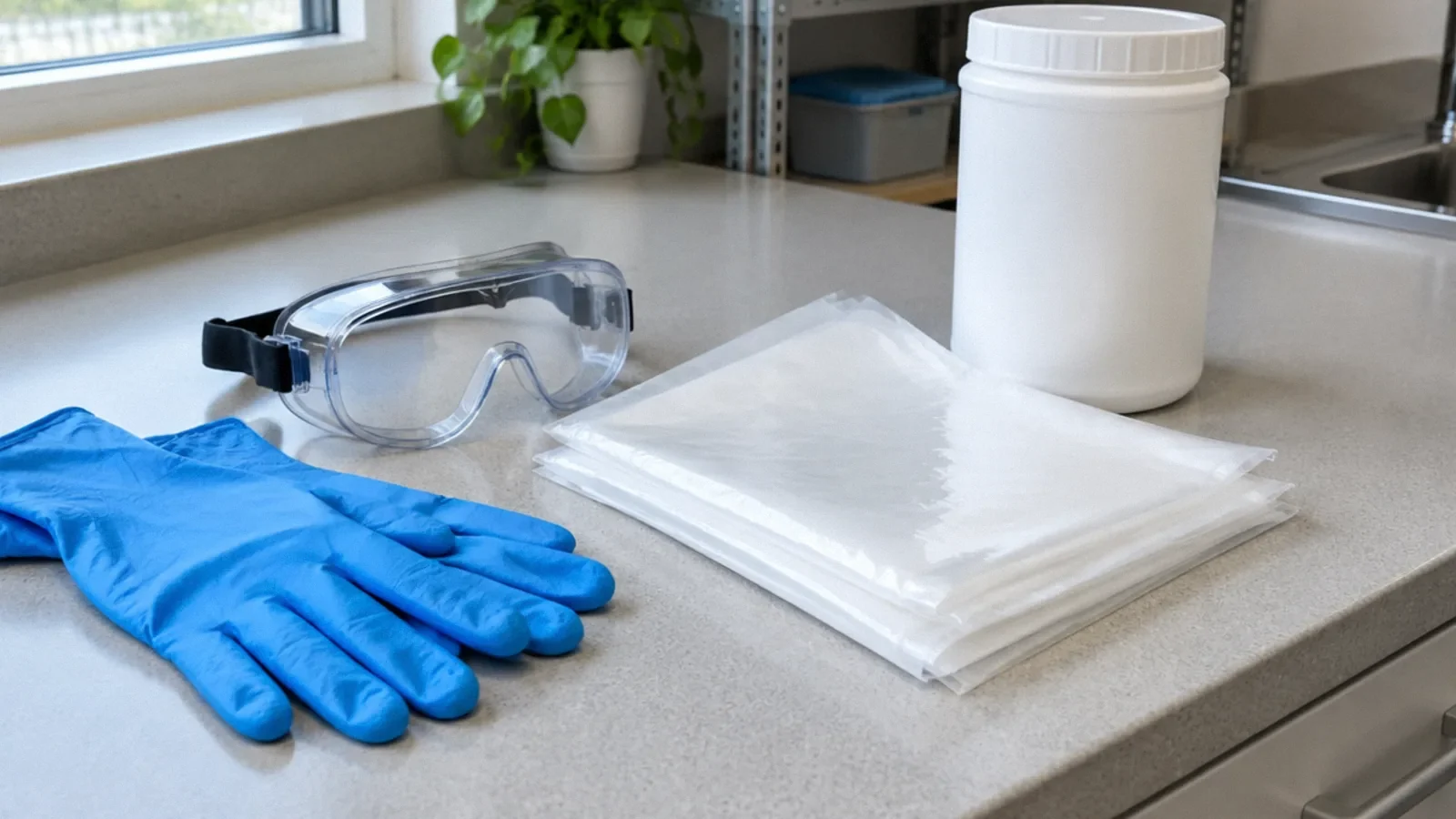
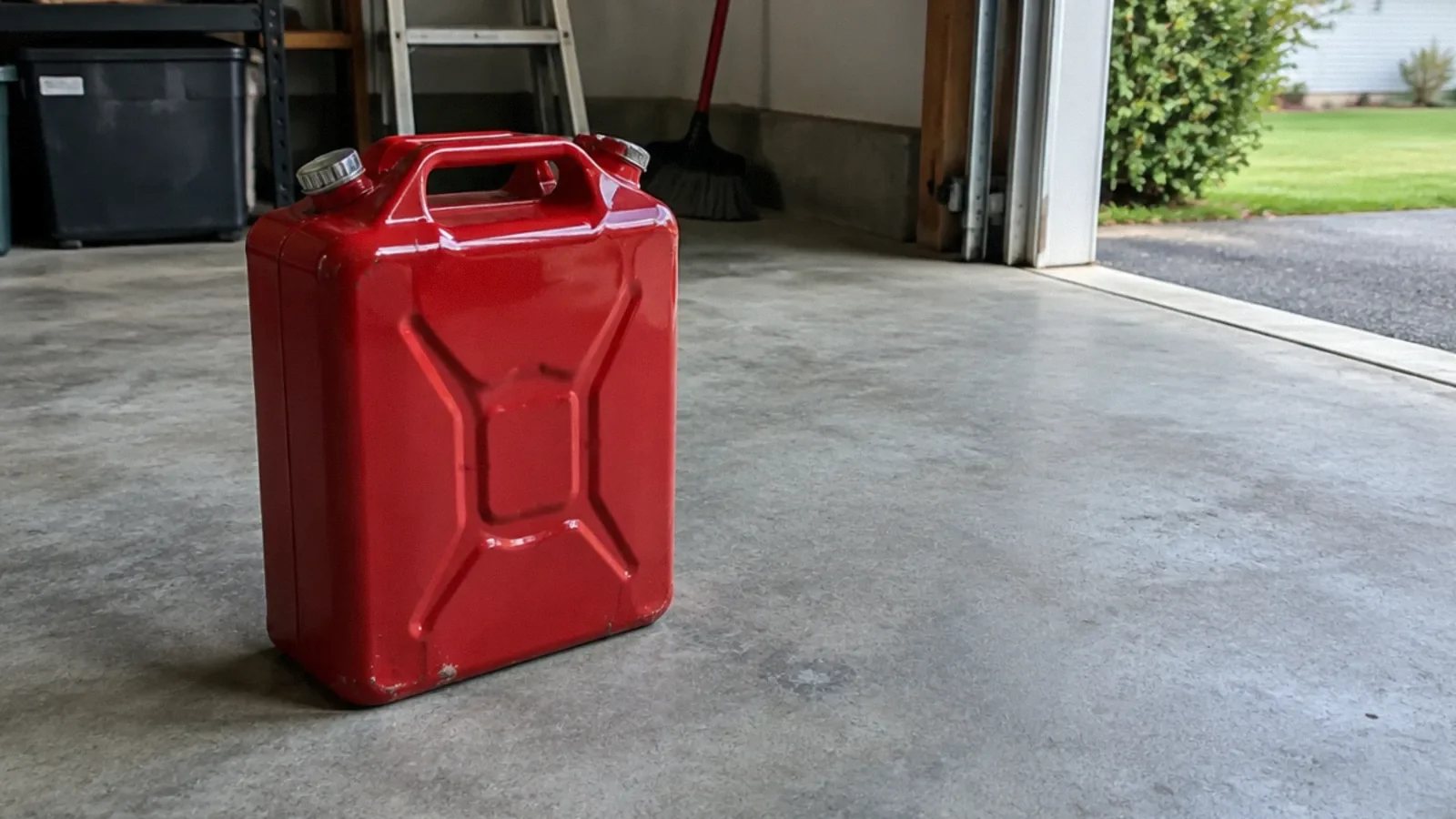
Wait for local clearance before returning. Roads, bridges and utilities may remain dangerous even when the wind has eased. Stay away from downed power lines and assume they are energized. Floodwater may hide debris, electrical hazards and sewage; keep children and pets away. Do not enter a structurally damaged building until it has been assessed. Use generators outside, away from doors, windows and vents, and never in a garage or enclosed space because carbon monoxide can accumulate. Follow local drinking water advisories and discard food made unsafe by flooding or a prolonged power outage. Photograph damage when safe and contact your insurer. For cleanup, use appropriate protective equipment and seek professional help with electrical damage, sewage, unstable structures or extensive mold.
Make a household communication plan: Choose an out-of-area contact and agree on a way to report your location if family members become separated. Write down important numbers in case a phone loses power. Include medical equipment that depends on electricity, accessible transportation, and a destination that can accommodate service animals or pets. If someone relies on powered medical equipment, speak with their provider in advance about an outage plan. Follow local shelter guidance; not every shelter accepts animals or has the same services. Store documents and medications where they can be picked up quickly.
Make a household communication plan: After the storm, use battery-powered lighting when possible and report gas odors to the utility or emergency services from a safe distance. Avoid using matches or switches where a gas leak is suspected. Let a qualified professional inspect flooded electrical and gas equipment before it is used. Check on neighbors when conditions permit, especially people who may need assistance, but do not enter hazardous structures to do so. Take photographs and make a list of losses for the insurer without delaying necessary protective action. Official alerts remain the best source for changing road, shelter and water conditions.
Your next-step checklist
- Keep people away from immediate hazards and avoid disturbing damaged or contaminated materials.
- Record when the problem began, where it appeared, and any change after rain or water use.
- Arrange an assessment by a qualified professional when the cause or extent is uncertain.
- Keep photographs, inspection findings, repair details and receipts together.
- Confirm the cause has been corrected and follow up if the same signs return.
Related questions
Can the visible signs identify the exact cause?
No. The location and timing are useful clues, but similar symptoms can arise from different causes. An inspection and, when appropriate, testing are needed before selecting a repair.
When should I call a professional?
Call promptly when there is sewage, an electrical hazard, significant water intrusion, recurring symptoms, a damaged structure, or work that requires access to a roof, septic tank, excavation or electrical equipment.
What information should I keep after the repair?
Retain the written scope, observations, photographs, test or moisture findings where applicable, dates, invoices and any inspection or permit records. These details help identify a recurrence and support a claim if you decide to make one.
Sources & context
Public guidance supports the principles in this article. The practical questions and examples are editorial interpretation, not a site assessment or a coverage decision. State-specific rules apply only where identified.