Vacuum regularly with a well-maintained HEPA-filtered vacuum, control indoor humidity, and clean up water damage promptly. Carpet is only one place where allergens collect; bedding and upholstered furniture matter too.
Why carpet can hold allergens
Dust mites are microscopic relatives of spiders. People usually react to proteins in their waste and body fragments, not to a visible insect bite. Carpet fibers can hold settled dust and allergens, particularly where indoor humidity is high. The presence of dust does not prove that symptoms are caused by mites; pollen, pets, mold and other particles can also collect in the same room.
The practical goal is to reduce exposure and conditions that support mites. A single cleaning cannot promise a mite-free carpet or cure an allergy. If symptoms continue, a clinician can help assess whether allergy testing and a broader treatment plan are appropriate.
Vacuum without spreading more dust
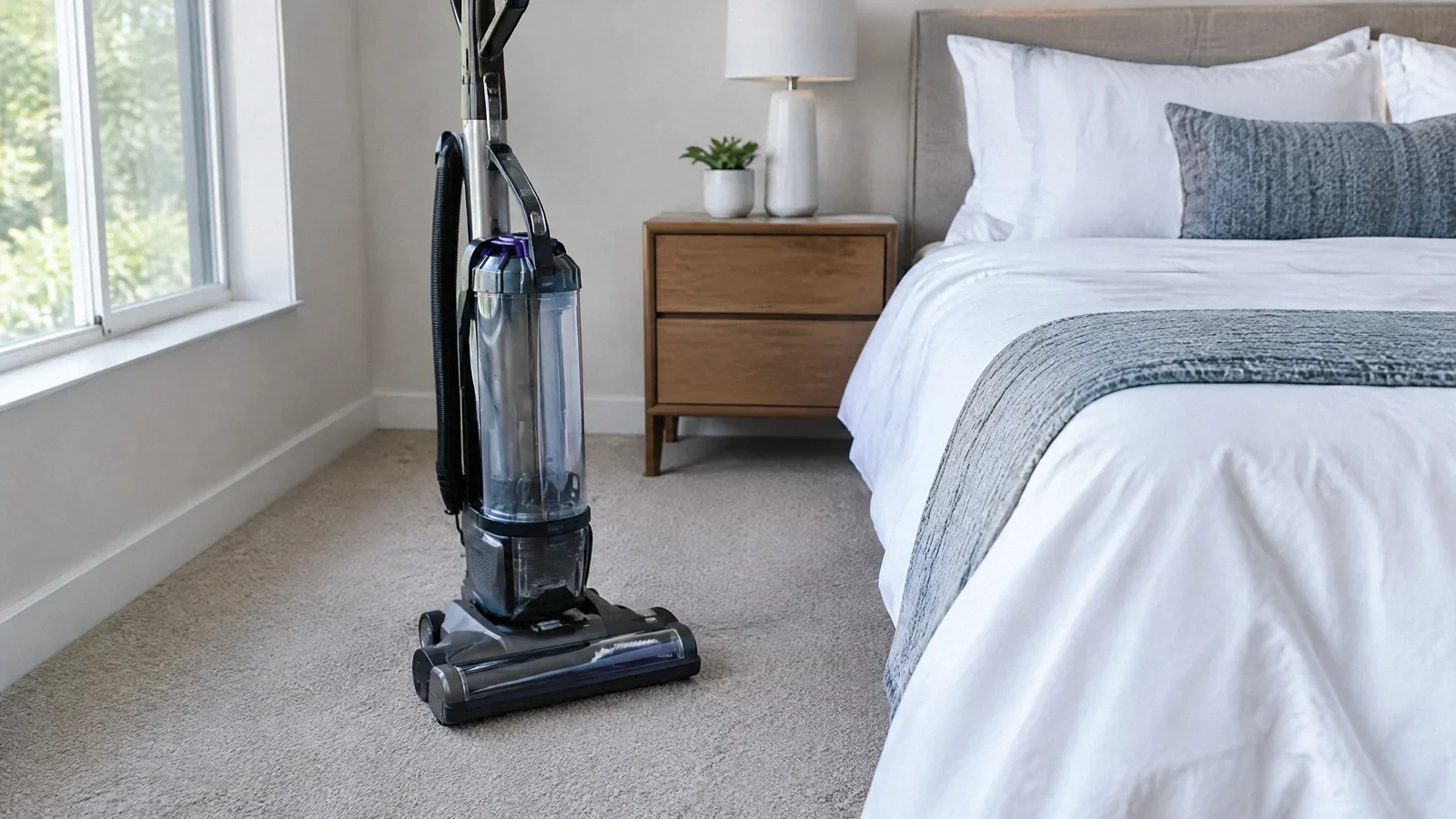
Vacuum carpet and rugs at least weekly, and more often if dust accumulates quickly. EPA recommends considering a vacuum with a HEPA filter, which can reduce the dust escaping from the machine. Follow the vacuum maker’s directions for changing the bag and filter, and use the floor setting appropriate for the carpet. A full bag or poorly fitted filter reduces the benefit of cleaning.
Vacuuming can stir particles into the air during and immediately after the work. If someone has asthma or allergies, have another person vacuum while the sensitive person is out of the room. Empty the machine carefully, ideally outdoors, according to its instructions. Pay attention to edges and the areas under accessible furniture, rather than repeatedly vacuuming only the center of the room.
Manage moisture, not just dust
Use a small hygrometer to check relative humidity in the rooms where moisture tends to collect. EPA recommends keeping indoor humidity below 60%, ideally 30%–50%. Air conditioning, a maintained dehumidifier, and bathroom and kitchen exhaust fans vented outdoors may help when appropriate. Investigate a leak or persistent condensation rather than relying solely on a dehumidifier.
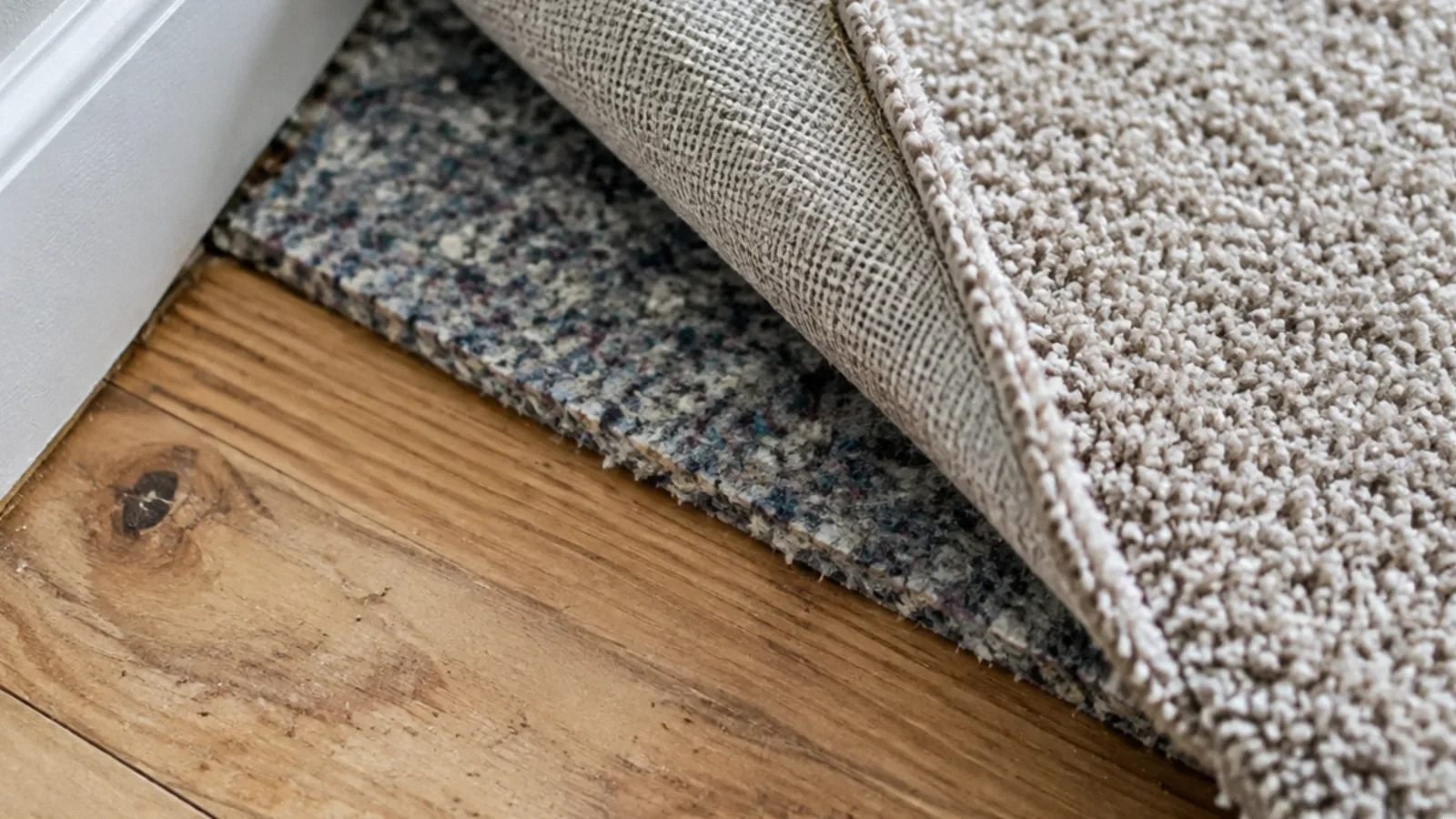
If the carpet becomes wet, stop the source and arrange prompt drying. Water trapped in padding or beneath a floor may not be visible from above. Carpet exposed to floodwater or sewage is a different contamination problem and needs professional assessment; do not attempt to solve it with ordinary vacuuming. Moldy absorbent material may need replacement.
Choose deep cleaning carefully
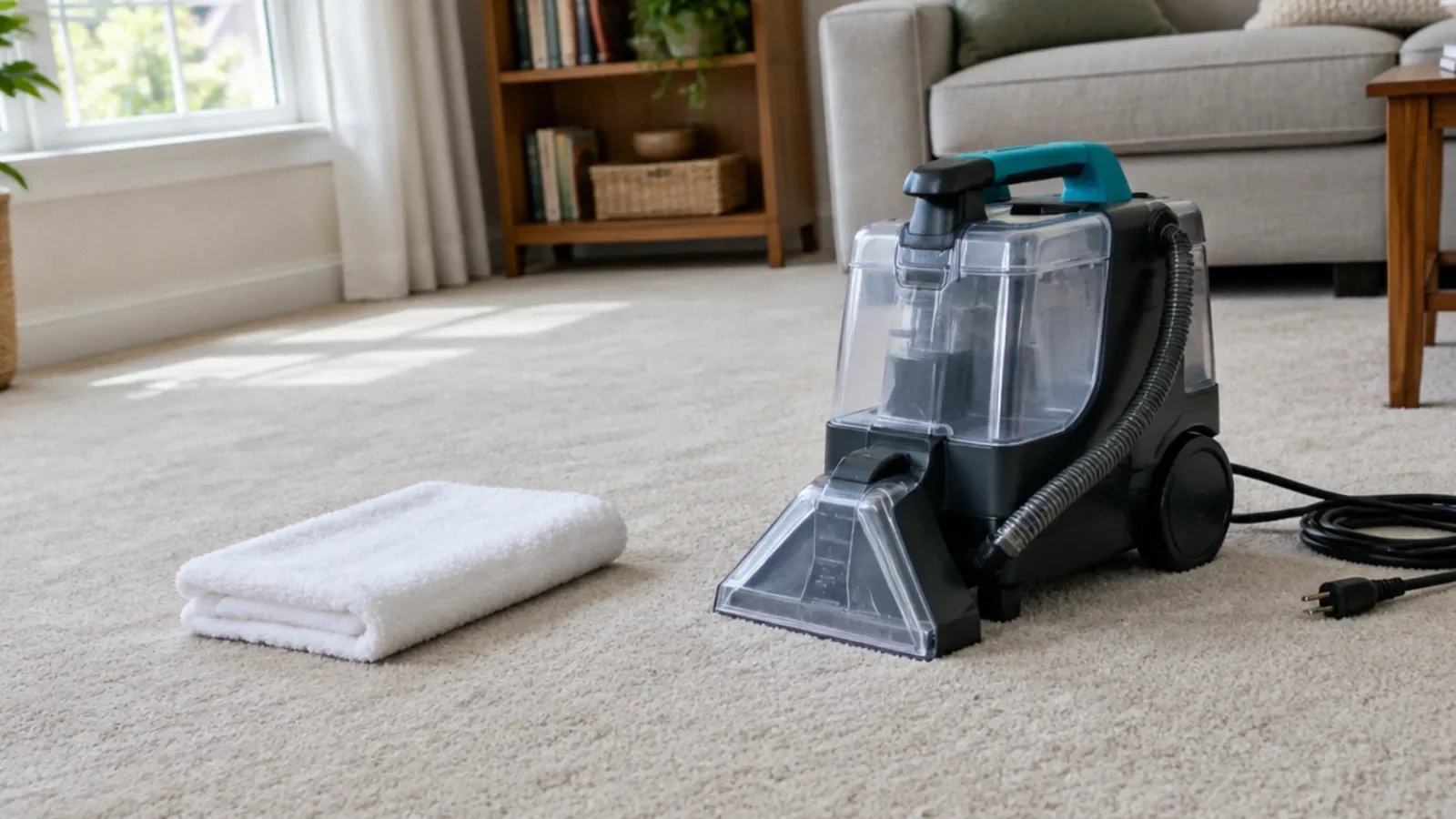
Hot-water extraction or another professional cleaning method may remove soil, but a wet carpet needs thorough drying. Ask the cleaner how much moisture the method uses, how the carpet and pad will dry, and whether it is suitable for the particular fiber and backing. Avoid saturating a carpet to treat mites: prolonged dampness can create another indoor moisture problem.
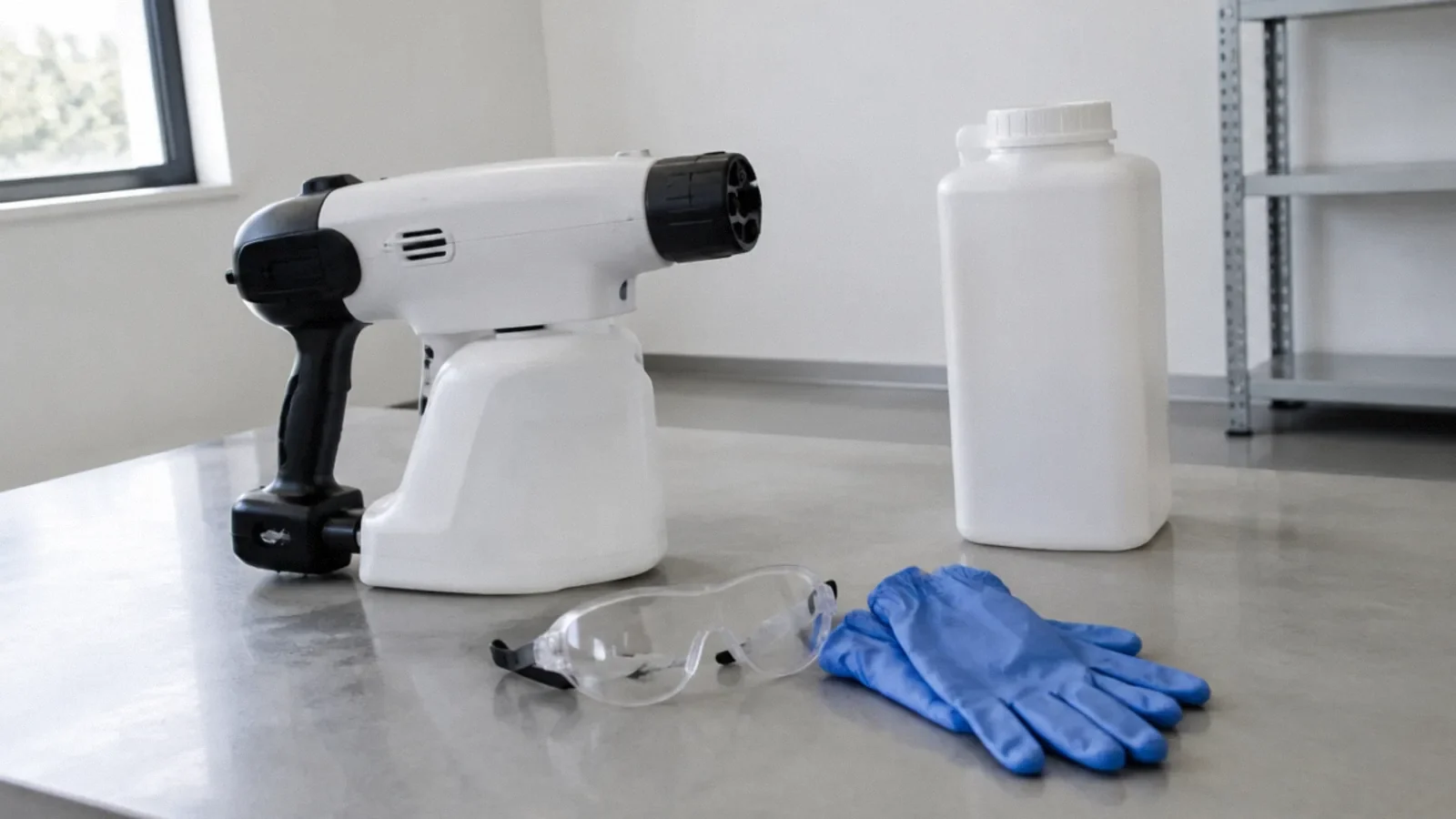
Chemical mite treatments are not a substitute for moisture control and regular cleaning. Check whether a product is actually labeled for the intended carpet and use, and follow all directions. Do not mix products or apply a pesticide simply because someone has symptoms. If a person is sensitive to cleaning chemicals, discuss alternatives with the cleaner and the person’s healthcare professional.
Look beyond the carpet
A bedroom can still contain significant mite allergens after the floor is cleaned. EPA recommends washing bedding weekly in hot water and drying it completely, using allergen-proof mattress and pillow covers, and cleaning upholstered furniture. Check garment and bedding care labels before laundering. Reducing clutter around the bed can make routine cleaning more practical.
If allergy symptoms remain difficult to control despite consistent steps, discuss the entire room and medical treatment with a clinician. Replacing wall-to-wall carpet with a cleanable hard floor may be worth considering for some households, but it is a larger decision involving budget, installation and other materials. Replacing flooring alone does not address the mattress, humidity or an unresolved leak.
When to call for help
A cleaner can assess an intact, dry carpet that needs deep cleaning. A water-damage professional is a better starting point when the pad remains wet, staining returns, a leak is hidden or floodwater is involved. Ask for a written scope explaining what will be cleaned, what might need removal and how dryness will be verified.
If the carpet is in a rental, document the moisture and notify the property manager promptly. Keep photographs and a record of communications. Do not infer a particular allergen from the appearance of a carpet, and do not delay medical care because a cleaning product promises relief.
For routine care, follow the carpet manufacturer’s instructions for cleaning products and equipment. Test any permitted cleaner on an inconspicuous area first, and avoid over-wetting seams, carpet backing and the pad. Ask the cleaner about ventilation and the expected drying conditions, particularly in a humid room. A surface that feels dry is not proof that the material below it is dry. If dampness persists or an odor returns, investigate the water source and underlying materials rather than applying fragrance to mask the smell.
Your next-step checklist
- Vacuum carpet and accessible edges regularly with a maintained HEPA-filtered machine.
- Keep sensitive occupants out of the room during vacuuming.
- Check humidity and repair leaks or condensation.
- Wash bedding and address upholstered furniture too.
- Get help for wet padding, floodwater or recurring moisture.
Related questions
Can you see dust mites in carpet?
Dust mites are microscopic. Visible specks alone cannot establish that mites are present or identify the cause of symptoms.
Will steam cleaning eliminate mites permanently?
No method guarantees permanent elimination. If a carpet is cleaned with moisture, it must dry thoroughly, and the room still needs ongoing humidity control and cleaning.
Does vacuuming replace washing bedding?
No. Bedding and upholstery can also collect allergens, so address the whole room.
Sources & context
Public guidance supports the principles in this article. The practical questions and examples are editorial interpretation, not a site assessment or a coverage decision. State-specific rules apply only where identified.
- EPA: Sources of Indoor Particulate Matterfederal guidance
- EPA: Mold and Moisture Controlfederal guidance