Keep clear of a sagging ceiling, wet electrical equipment and unsafe attic access. Water may enter through the roof, come from plumbing or equipment, or form as condensation. A qualified professional can trace the source, assess insulation and framing, and plan drying and repairs before the ceiling is closed.
Make the area safe
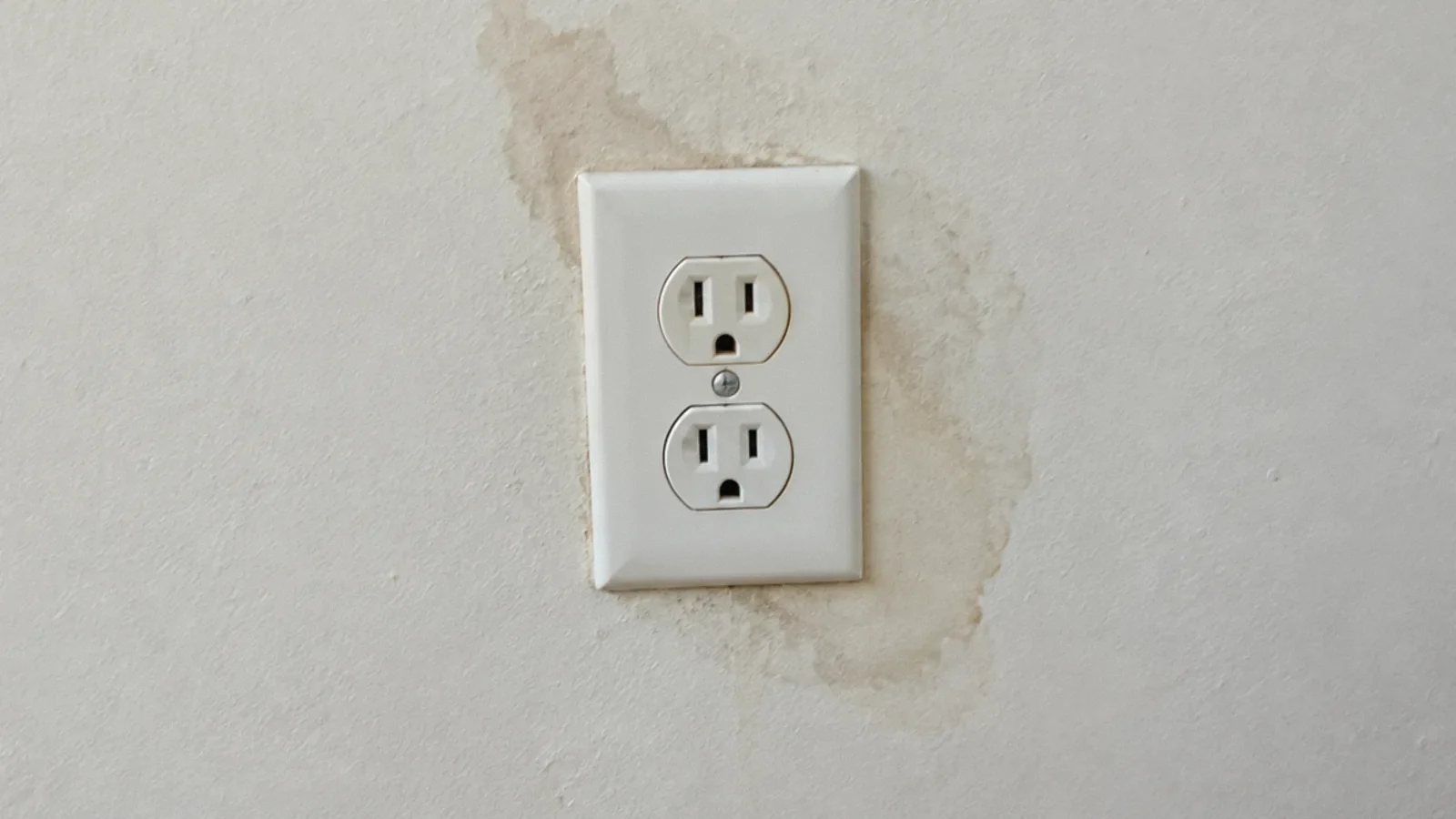
If a ceiling is bulging, dripping near a light fixture or showing signs of collapse, keep people and belongings out of the area below. Do not touch a wet light, switch or electrical panel. Ask a qualified electrician or utility to isolate the hazard when power cannot be controlled from a dry and safe location.
Do not climb into an attic with standing water, exposed wiring, unstable framing, poor access or suspected contamination. An attic floor may consist only of ceiling material between joists and may not support a person. Stay off a wet roof and use a qualified professional for difficult access.
Note when the water appears
Water after rain may suggest a roof, flashing or exterior opening, while water near plumbing or equipment can occur without rain. Condensation can form when warm humid air meets a cold surface. The timing is useful evidence, but a stain may be far from the point where water entered.
Record whether the leak coincides with rain, appliance operation, hot weather or cold conditions. Photograph visible damage from a safe location. Tell the property manager or insurer promptly and do not create additional water exposure to reproduce a leak.
Roof and flashing pathways
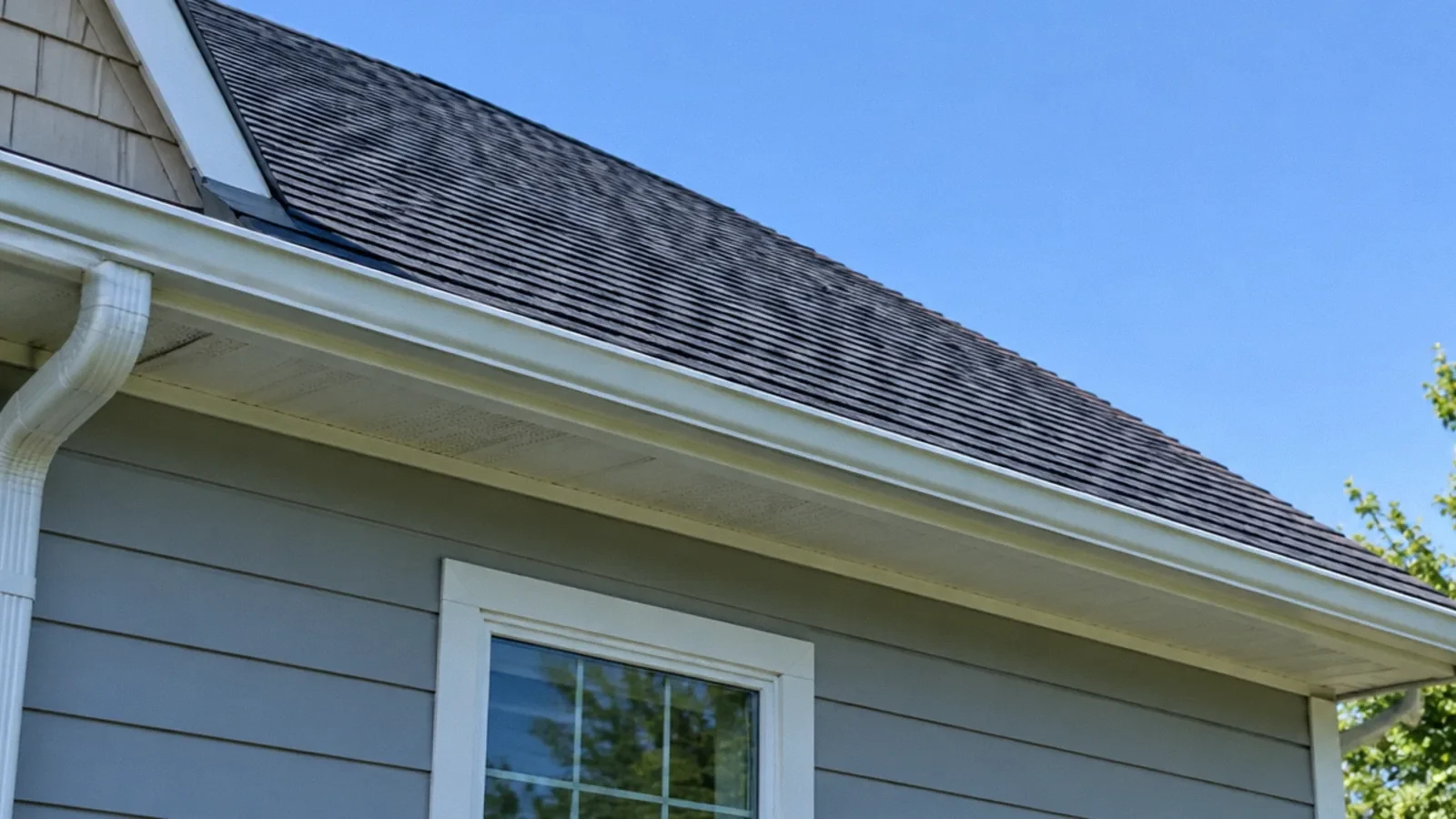
Roof coverings, flashing around penetrations, valleys and roof-to-wall joints can allow water in when damaged or poorly detailed. Wind-driven rain may follow an unexpected path across the sheathing or framing. A roofer should inspect from a safe position and explain the observed entry point and repair.
A tarp can sometimes reduce further entry, but installing one on a wet or steep roof is hazardous. Use qualified help rather than climbing up during a storm. Repairing an interior stain without correcting the roof pathway will not solve a continuing leak.
Condensation and airflow
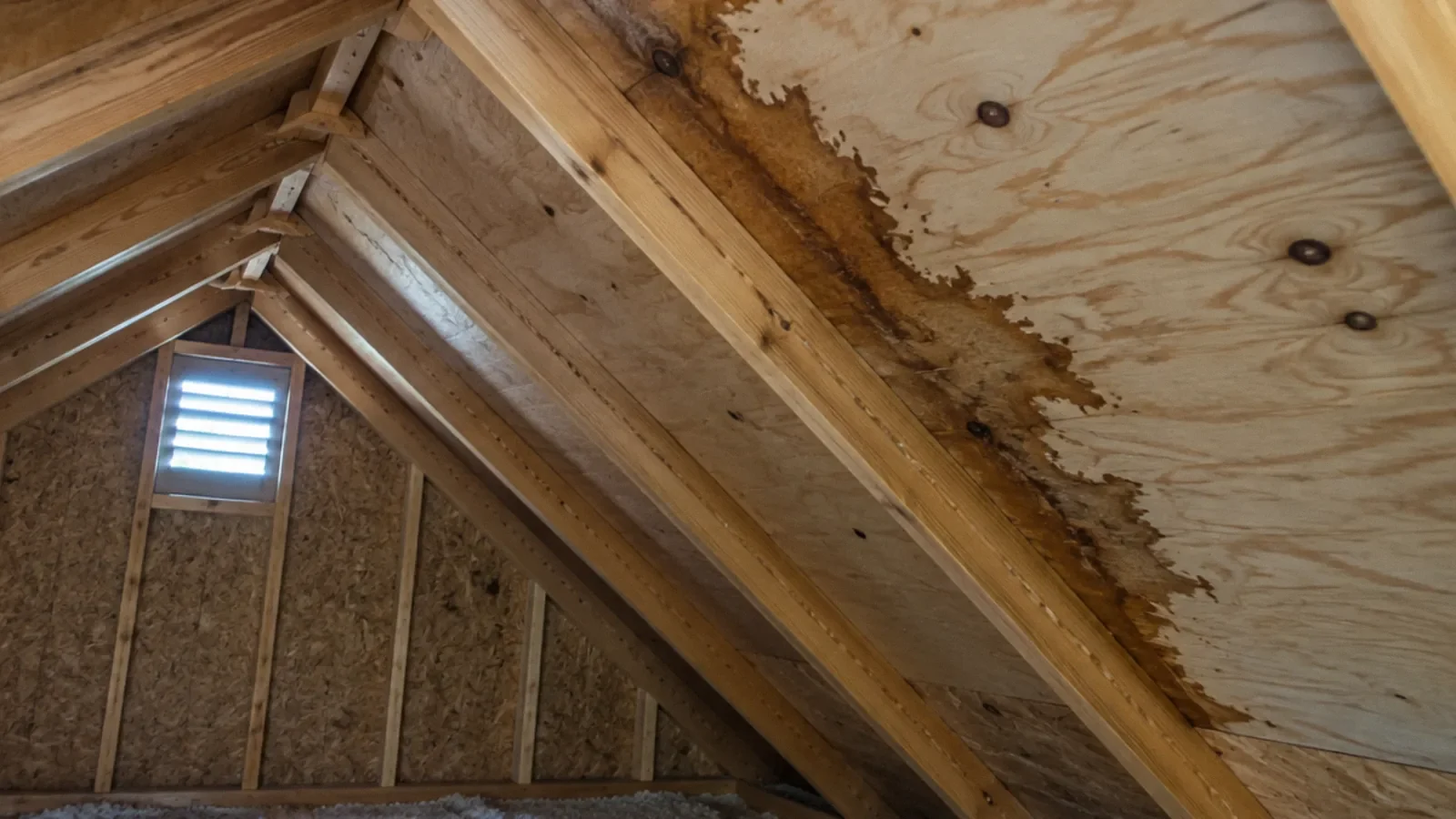
EPA explains that warm, moist indoor air entering a cold attic can condense and contribute to moisture damage. Bathroom or kitchen exhaust, insulation gaps and air leakage can be relevant depending on the building. Do not assume that adding a vent alone will correct the problem.
A qualified building or HVAC professional can inspect the airflow, insulation and exhaust configuration. The plan may involve addressing a moisture source, air leaks or equipment rather than applying a coating to stained wood. Avoid disturbing insulation that may contain hazardous materials.
Pipes, tanks and HVAC equipment
Some attics contain water lines, a water heater or HVAC components with a condensate drain. A leaking connection, blocked drain or failed pan may affect ceilings below. Do not touch wet equipment or move through water to reach a control.
If a clearly identified water shutoff can be reached safely from a dry location, closing it may limit an active supply leak. Ask a plumber or HVAC technician to inspect the relevant equipment. A roof repair will not fix a leaking pipe, and a pipe repair will not address a roof opening.
Drying and repair decisions
After the source and hazards are addressed, the team can establish what to retain, clean, dry or replace. Ask how the attic, insulation and ceiling cavity will be checked and what moisture evidence will support closing any opening. A fixed number of days is not a universal drying target.
Coordinate roofing, plumbing, electrical, insulation and finish work as needed. Ask for written scopes that separate the source repair from drying and reconstruction. If structural integrity is in doubt, consult an appropriately qualified professional before loading or rebuilding the area.
Prevent recurrence
Maintain accessible roof drainage and exhaust systems, address leaks promptly and review recurring condensation with a qualified professional. Keep inspection and repair records and monitor the area after the conditions that triggered the leak, such as heavy rain.
Document damage for the property manager or insurer when safe. Coverage depends on the cause, policy and facts. An inspection after repair should address the original pathway and affected materials, rather than relying only on a fresh coat of ceiling paint.
Dry the attic assembly after the source is controlled
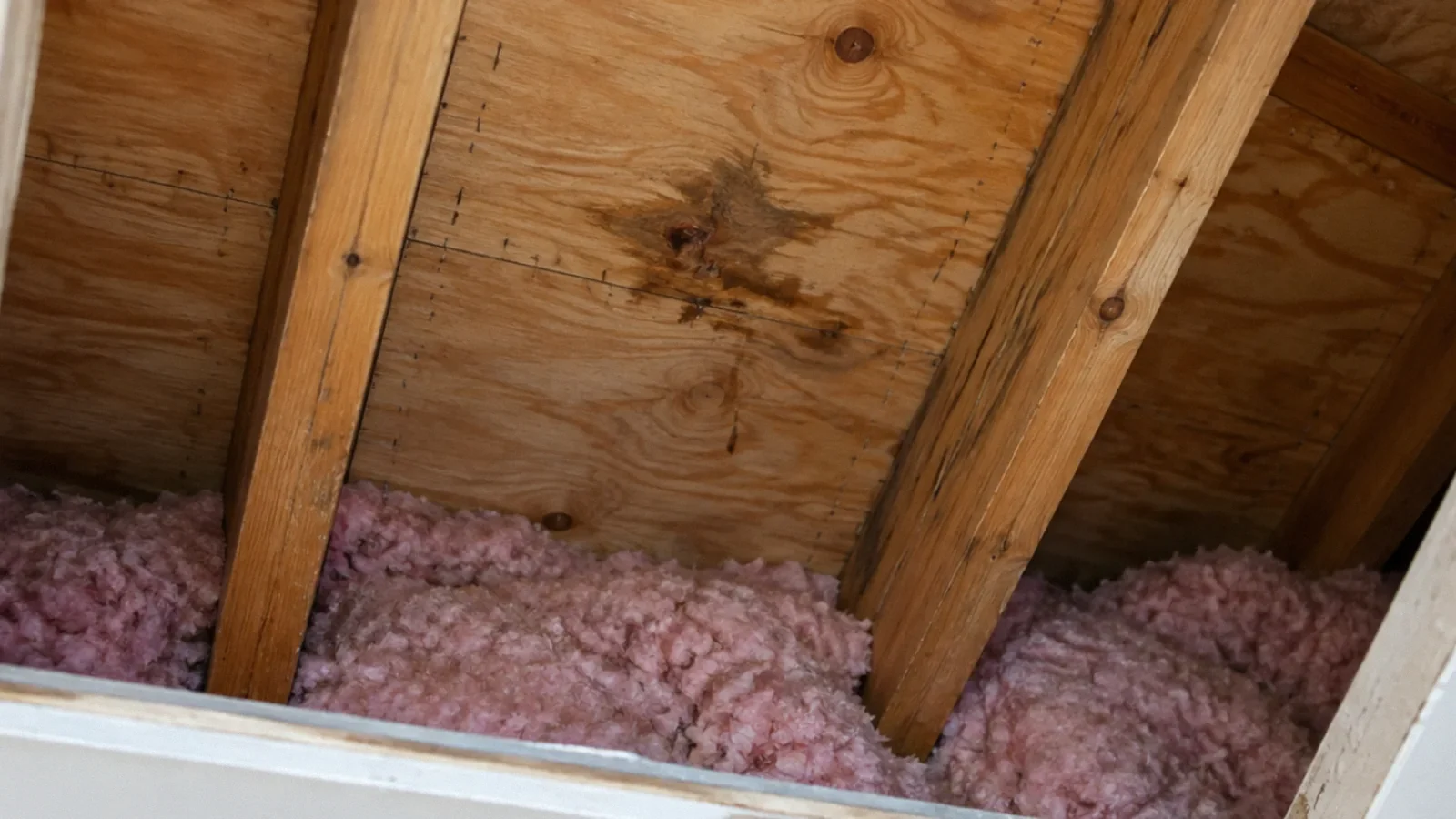
Once the leak or condensation source is controlled and access is safe, have the affected insulation, sheathing, framing and ceiling below assessed. Wet insulation may need removal or replacement depending on material and contamination; do not walk on unsupported ceiling material or disturb wiring. A professional can plan safe access and protect the occupied rooms below.
Use controlled air movement and dehumidification appropriate to the attic and weather, rather than assuming an open vent alone will dry concealed layers. Avoid blowing air across suspected mold or contaminated material. Record moisture readings at affected and comparable dry areas, including hidden layers where accessible. Completion means the source remains controlled, retained materials are acceptably dry for their material and repair system, and no unresolved wet areas remain; a dry surface or arbitrary number of days is not enough.
Your next-step checklist
- Keep clear of a sagging ceiling and wet electrical equipment.
- Do not enter an unsafe attic or climb a wet roof.
- Record when the moisture appears.
- Have the actual roof, plumbing, HVAC or condensation source diagnosed.
- Assess hidden layers before closing or refinishing.
Related questions
Why is water leaking from my attic?
Possible sources include a roof or flashing leak, plumbing or HVAC equipment, and condensation. The timing and location help guide a qualified inspection.
Can attic condensation look like a roof leak?
Yes. Both can leave wet or stained materials. An inspection is needed to establish the source.
Should I enter an attic with water near wiring?
No. Keep clear and arrange qualified electrical assessment and safe isolation.
Can I paint over an attic water stain?
First correct the source and assess whether affected materials are dry and sound. Paint alone cannot repair hidden moisture or contamination.
Who should I call for a leak in the attic?
A roofer can assess a suspected roof or flashing leak; a plumber or HVAC technician may be needed for equipment or piping. If water is near electricity or a ceiling is unsafe, keep away and contact the appropriate emergency or electrical professional first.
Sources & context
Public guidance supports the principles in this article. The practical questions and examples are editorial interpretation, not a site assessment or a coverage decision. State-specific rules apply only where identified.
- EPA: Moisture control and remodelingfederal building guidance
- EPA: Mold course and water-damaged materialsfederal guidance
- Electrical Safety Foundation: Water-damaged equipmentelectrical safety guidance
- EPA: Attic moisture and damaged paintfederal guidance