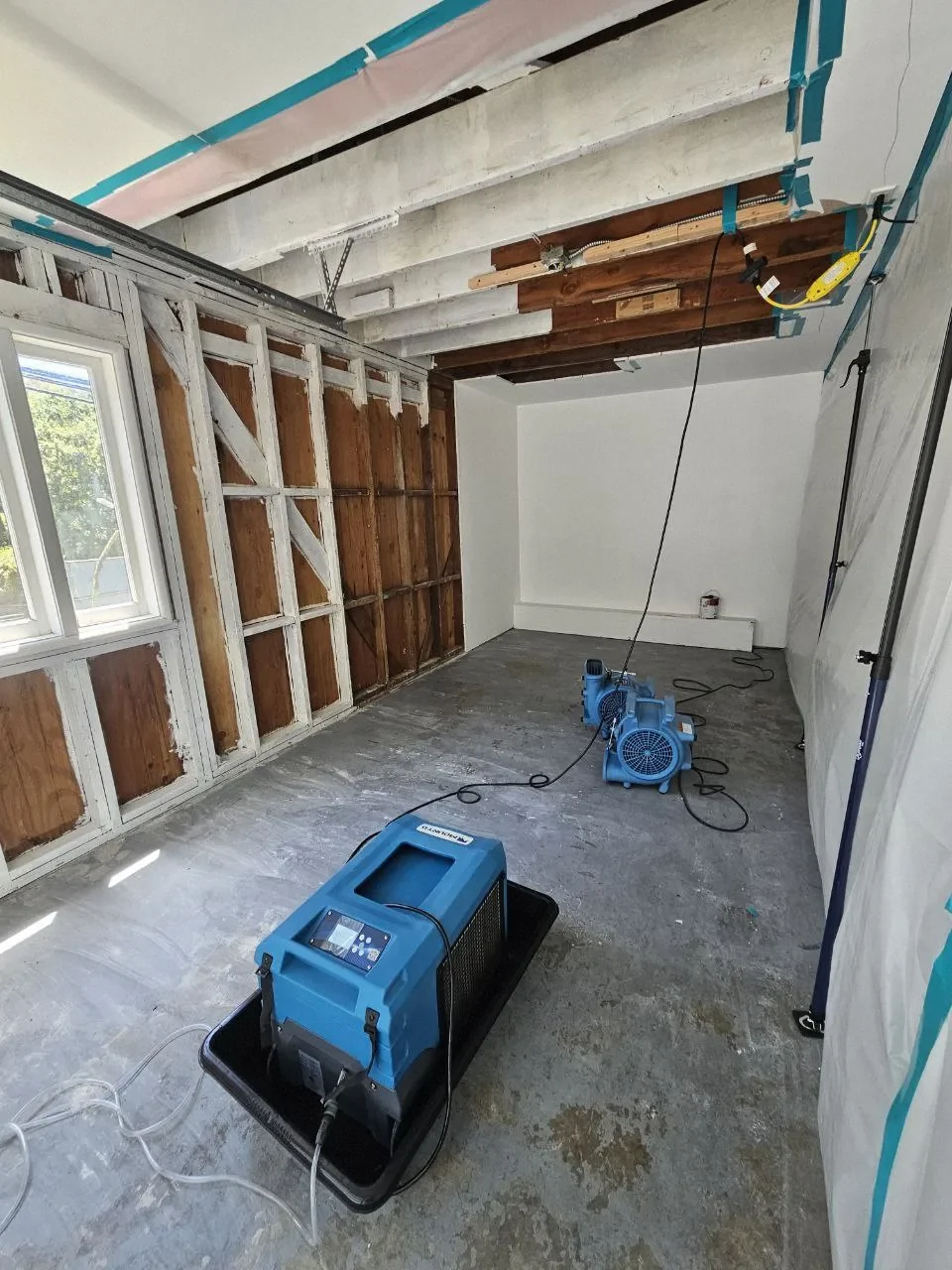
Stay out of floodwater and protect access
When water enters a building from outside, move occupants and pets away from the affected area and follow instructions from emergency officials. Do not walk or drive through floodwater, approach downed wires, or step into a wet room to operate electrical equipment. The depth, current, hidden debris and condition of the electrical system may not be visible.
If the route out is unsafe, seek help from emergency responders rather than trying to cross moving water. Once the immediate danger has passed, ask when access is permitted and whether utilities or structural components need professional assessment. A closed road or an access restriction must be respected even if the water appears to have receded.
Water Damage Guard provides flood cleanup in Alameda and takes calls at (650) 550-0619, 24/7, from San Carlos. Describe the source as you understand it, the rooms affected and any instructions already issued. An on-site assessment determines what can safely be examined and how the cleanup is organized.
Sandbags are preparation, not a reason to enter water
In an October 30, 2026 storm preparedness notice, Alameda listed free self-service sandbags at Alameda Point, Washington Park and Grandview Pavilion. Prefilled bags were limited to five per resident while supplies lasted; residents could also bring bags to fill. Locations and availability can change, so check the current city notice before making a trip.
Sandbags are a preparation measure and do not make an active flood safe to cross. Put safety and official evacuation instructions first. If water has already entered, do not assume that bags outside the building reveal how much has reached a wall cavity, floor or cabinet. Record the observed entry point only when access is safe.
For a shared building, coordinate preparation and access with the owner, manager or association. Discuss who can safely move belongings from vulnerable areas before water arrives and who will receive instructions from authorities. A preparation plan can identify contacts and access routes without promising that a particular barrier will prevent damage.
Sump pumps and where water goes
Alameda advises directing sump pump discharge to a yard or landscaping at least ten feet from foundations. The city says not to discharge it to the sanitary sewer, streets, sidewalks, gutters or neighboring properties. The actual discharge route and receiving area need to be evaluated on the property; a hose leading outside is not by itself proof that the outlet is appropriate.
The city also advises a battery-operated backup sump pump for a basement or below-ground area in case power fails. Never enter standing water to reach a plug, breaker or pump. If the equipment is wet or its condition is uncertain, keep away and ask a qualified person how to make it safe.
A pump can move water that reaches it but does not establish whether the water came from rainfall, groundwater, plumbing or another source. Note when the water appears and whether it changes as weather or building use changes. An investigation should identify observations separately from assumptions before permanent changes are planned.
Floodplain review after damage
Alameda says building permit applications in a mapped Special Flood Hazard Area are routed to Public Works for floodplain review. Renovations, remodels and additions are screened for substantial improvement. This is a property- and project-specific review: the fact that a room got wet does not establish its map designation or the result of the screening.
The City describes elevation requirements for new and substantially improved residential structures in identified Special Flood Hazard Areas, including a lowest floor at least one foot above the base flood elevation. Those conditions are not a direction to raise every flooded home. Ask Public Works to review the actual address and proposed work before committing to a reconstruction design.
Keep the scope of repair, drawings and the city’s determination with the project records. A restoration team can describe affected materials, while the building authority determines applicable permit and floodplain requirements. If new damage is discovered after a surface is opened, discuss whether the proposed scope needs to be revised.
Assessing water and material exposure
Floodwater can carry sediment and other contamination into a building. The appearance of the water is not a reliable test of what it contains. Keep children and pets out, avoid handling affected contents without a safe plan and distinguish the outdoor-water exposure from a leak in a clean supply line.
An inspection follows the path of water across accessible rooms and into adjoining materials. Flooring, wall bases and cabinets can conceal wet or contaminated areas. Ask which components were inspected, which could not be accessed and how the team will protect unaffected areas while work is underway.
Porous furnishings, paper, electronics and hard surfaces do not all respond the same way. Decisions should follow the actual material and exposure. If the team needs to open an assembly, ask what was found and how those findings change the proposed cleanup and repair sequence.
Drying, documentation and insurance
Before finishes are replaced, ask how remaining moisture will be assessed and how the source of water has been addressed. A drying plan must be coordinated with the repairs that prevent continued entry. If water returns during another storm, document that change when it is safe and share it with the people investigating the source.
Photograph affected rooms and keep a list of belongings when safe access is available. Contact the insurer about its documentation requirements and ask before disposal if circumstances permit. Insurance coverage depends on the policy, the cause of loss and the insurer’s decision; an assessment or a permit does not promise payment.
Keep receipts, inspection records, estimates and communications together. A dated sequence can help the owner explain what was observed and when repairs occurred. If the property is rented, ask the manager how access, belongings and any temporary arrangements will be handled.
When an insurer asks for a description of the loss, distinguish what you personally saw from a cause that is still being investigated. A photograph can show an affected surface at a particular time but cannot establish the condition inside a closed wall. If the scope changes after an opening is made, keep the earlier and revised descriptions together. For a shared building, record the name of the person coordinating access so that the owner, manager and professionals can communicate about the same rooms.
After the immediate water is gone
A dry-looking surface is not a complete record of conditions below it. The next steps depend on what the investigation found, whether electrical or mechanical systems were exposed and whether the building authority has imposed access restrictions. Do not restart equipment merely because the floor no longer appears wet.
Coordinate the work of those addressing the source, materials and reconstruction. Request a description of unresolved areas and any further inspection needed before walls or floors are closed. The owner can use that information to decide how to proceed and to communicate with the insurer and the permitting agency.
For help discussing the affected property, call Water Damage Guard at (650) 550-0619. The company is based in San Carlos and accepts calls 24/7. Explain the current condition and any safe access limitations so the next assessment can be planned around them.
Related guides and services
Common questions
Can I drive through a flooded Alameda road?
Do not drive through floodwater or ignore road closures. Its depth, movement and hidden damage may be difficult to judge.
Where can sump water be discharged?
Alameda advises discharge to a yard or landscaping at least ten feet from foundations and excludes sanitary sewers, streets, gutters, sidewalks and neighboring property.
Does every flooded Alameda home need to be elevated?
No. The City describes specific requirements for new or substantially improved structures in identified Special Flood Hazard Areas. Ask about the parcel and scope.
Where are sandbags available?
The City’s October 2026 notice lists three self-service stations. Check current locations and supplies before going.
Can floodwater be treated as clean if it looks clear?
No. Outdoor floodwater can carry contaminants; its appearance does not establish that it is safe.
Sources
- Alameda 2026 storm preparedness notice Checked
- Alameda storm preparation guidance Checked
- Alameda floodplain permit review Checked