What structural drying addresses
Structural drying addresses moisture in the parts of a building that remain wet after unwanted water has entered. Flooring assemblies, subfloors, wall materials, framing and other components can retain water even after a visible puddle has been removed. The work focuses on understanding where moisture has traveled, making affected materials accessible when appropriate, and monitoring their condition as they dry.
Water Damage Guard is available 24/7 at (650) 550-0619 to discuss a wet property. Explain the source of water, when it was discovered, and which spaces appear affected. Mention standing water, suspected sewage, visible mold, and any electrical or structural hazard. A drying plan depends on those details and on a safe assessment of the property.
Drying is one part of the response
Water removal and structural drying are related but different tasks. Extracting standing water reduces the amount of liquid on accessible surfaces. Drying addresses moisture that remains in materials and the air after extraction. Cleaning and any necessary removal of contaminated or unsalvageable materials may also be needed; applying dry air to a contaminated surface does not by itself make it clean.
Repair is another stage. A finish may need to be removed to allow a wet assembly to be inspected or dried, and it may later need replacement. Do not assume every wet surface must be removed or that all material can remain in place. Decisions depend on the material, its condition, the source of water, and whether the affected layers can be reached and dried appropriately.
The cause of water entry must be addressed as well. A drying system cannot resolve a pipe that continues to leak or rain entering through an unrepaired opening. A plumber, roofer, building manager, or other specialist may need to handle the source. Ask who is responsible for arranging that repair and how the drying work will be coordinated with it.
Before equipment is placed
A safe assessment comes first. Do not enter standing water to reach an electrical panel, handle wet electrical equipment, or operate switches in an unsafe area. A sagging ceiling, damaged floor, or unstable structure also requires caution. If there is risk of shock or structural failure, leave the area and request help from the relevant utility or qualified professional.
Describe the water source as accurately as you can. Water from a broken supply line can affect an assembly differently from sewage or outside floodwater. Floodwater may contain sewage and other hazards, and contaminated items can spread material to unaffected rooms. Avoid walking through the water or moving affected contents into a clean space. Let the people assessing the property know about any visible growth or unusual odors.
If safe, photograph the damage and keep a record of when the source was stopped. Tell the assessor about prior leaks, inaccessible rooms, and repairs already made. In a rental or shared building, notify the owner or manager and coordinate access to any adjacent spaces. A water path can cross the boundary between units even if only one resident first notices it.
Following moisture through the building
Inspection looks beyond the obvious wet patch. Water may migrate beneath a floating floor, along the bottom of a wall, around a cabinet, or through a ceiling opening. The path depends on how the assembly is built and where the source is located. A stain can indicate a place to investigate, but it does not establish how wet the concealed layers are today.
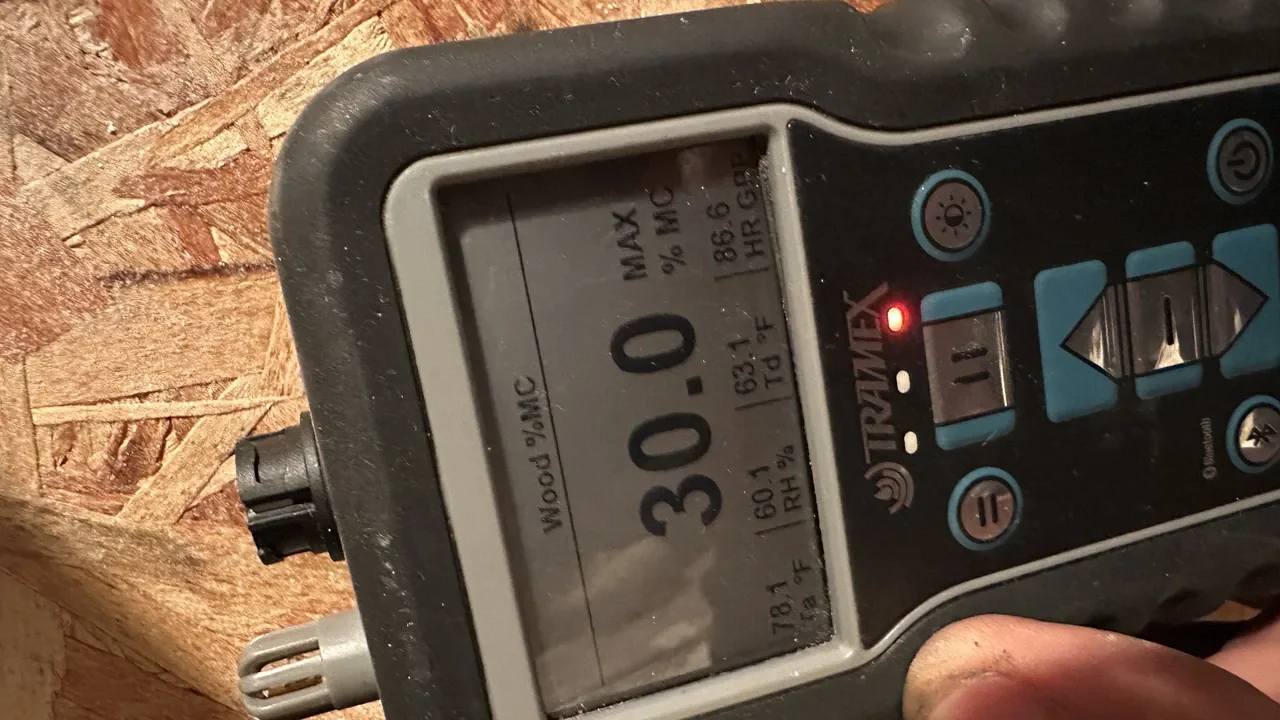
Moisture meters can provide useful information about accessible materials. Their readings must be interpreted for the instrument and material being measured; different materials and surface conditions can affect the result. Comparing related areas and taking repeated readings can help identify where moisture remains and whether conditions are changing. A reading is not a guarantee that every concealed part of the assembly is dry.
Some assemblies are difficult to evaluate without opening a finish. Before any opening, discuss the purpose, location, protection of nearby areas, and responsibility for repair. Get the property owner's permission where needed. If older materials may contain asbestos or lead, consult an appropriately qualified professional before disturbing them. Unknown material should not be treated as safe merely because the work appears small.
How the drying plan is developed
A plan considers the water source, materials affected, the degree of access, and conditions inside and outside the building. Air movement and moisture removal may be useful when electricity is safe and the area has been assessed. Equipment placement must account for the configuration of rooms, occupied spaces, and the surfaces that need to dry. A machine in the doorway is not proof that moisture is being removed from every affected layer.
Contents can complicate access. Furniture, rugs, stored boxes, and built-in cabinets may conceal damp surfaces or restrict air movement. Discuss which items need to be moved, who will handle them, and whether cleaning or disposal requires a separate decision. Protect valuable items and document their condition before moving them when it is safe to do so.
If mold is already visible, do not aim a fan at it. EPA cautions that fans can spread mold, and the growth and moisture source need appropriate attention. Similarly, a flood-affected heating or air-conditioning system should not be used for drying until it has been evaluated. The approach should reflect the actual conditions, rather than applying the same equipment arrangement to every incident.
Monitoring and communicating progress
Ask what measurements will be taken, which areas will be monitored, and how results will inform the next step. Observations can include changes in accessible material readings, the condition of finishes, and the presence of continuing water entry. A drying plan may need adjustment when a previously concealed wet area is found or when a material is not responding as expected.
Avoid disconnecting or moving equipment without discussing it with the people responsible for the work. If noise, access, a tripped circuit, or the needs of an occupant make the arrangement difficult, report the issue so the setup can be reconsidered safely. Do not use extension cords or make electrical changes in a wet area on your own. The utility or a qualified electrician should address unsafe electrical conditions.
Measurements support decisions, but they do not replace a clear explanation. Ask which areas are ready for the next stage, what remains uncertain, and whether additional access is recommended. If an assembly cannot be evaluated fully without opening it, that limitation should be explained. Keep a copy of the scope and any measurements or progress records provided to you.
How long drying may take
There is no reliable duration that fits every water loss. The amount of water, time in contact with the materials, construction layers, indoor humidity, ventilation, access, and power availability can all affect progress. A porous assembly that is wet beneath a finish presents different conditions from a hard, accessible surface. Continued leakage or additional water entry can also interrupt the work.
EPA recommends drying water-damaged areas promptly and notes that drying after a flood can take days to weeks. That guidance is not a promise for a particular home. Ask for an updated assessment as conditions are measured, and make household arrangements based on the rooms and services actually affected. A schedule should be revised when new information makes the original scope incomplete.
Ending drying is a condition-based decision. A surface that feels dry may conceal moisture in another layer, while an old stain can persist after the material has dried. Discuss the evidence used to determine readiness for repair and any limitations on access. Replacing a finish before the underlying assembly is ready can conceal an unresolved moisture problem.
Materials and special spaces
Wood, drywall, insulation, concrete, and floor coverings do not respond identically to water. Their condition, the length and source of exposure, and the ability to clean and dry them all affect the decision to retain or remove them. Flooring with multiple layers may require closer examination because water can remain between components even when the upper surface looks unchanged.
Crawl spaces and basements create additional questions about access, drainage, groundwater, and equipment placement. Do not enter a flooded or unstable confined area to investigate. Arrange a safe assessment, identify how the water entered, and discuss whether plumbing, drainage, or other repairs are needed. Removing water from a low area without resolving a continuing source may leave the property vulnerable to more intrusion.
Ceilings also deserve caution. Water can collect above a finish and add weight, making a bulge or sag a warning to stay clear. A professional can evaluate safe access and the extent of wetting. Ask how the space above the visible damage will be examined and how electrical fixtures or other services will be handled by the appropriate trade.
Documentation and insurance
Photographs, a record of the incident, repair invoices, and any drying documentation can help explain what happened. If you plan to submit an insurance claim, contact the insurer promptly and ask what it needs before damaged materials are discarded. Take only steps that are safe, and discuss necessary measures to limit additional damage. Keep copies of communications and documents in one place.
Coverage is determined by your policy and the facts of the loss. California Department of Insurance guidance distinguishes, in general terms, sudden accidental water damage from exclusions that often apply to flood, seepage, and maintenance-related problems. Endorsements and separate policies can change the analysis. Ask your insurer about the specific cause, deductible, limits, and any documentation it requires; a drying plan does not itself establish coverage.
If a new wet area is discovered after work starts, document the finding and ask how the scope will change. The insurer may need updated information, and you should understand any proposed additional work before authorizing it. The aim is to connect the source repair, drying observations, and eventual reconstruction record so that each decision can be understood later.
Preparing for repairs and preventing a repeat
When drying and any necessary cleaning have been completed, discuss which materials are ready to be covered or replaced. Identify any areas that were not accessible and any follow-up work that remains. A contractor responsible for repair should know about the source of the loss and the condition of the assembly before finishes are installed.
A practical prevention discussion focuses on the cause found at this property. That might mean checking a repaired plumbing connection, maintaining drainage, addressing a roof opening, or monitoring a place where condensation occurs. No single device or maintenance step prevents every leak. If a stain, odor, or wet reading returns, report it and investigate the source rather than simply repeating surface drying.
Common questions
Is water removal the same as structural drying?
No. Water removal addresses accessible liquid water; drying addresses moisture remaining in affected materials and the air.
How long will the drying take?
The duration depends on the materials, access, water source and extent of wetting. Progress should be reviewed as conditions change.
Can a wall look dry while moisture remains inside?
Yes. An exposed surface does not necessarily show the condition of every layer. An assessment may identify the need for further measurements or access.
Should I run fans on visible mold?
EPA cautions against directing fans at visible mold because they may spread it. The growth and the source of moisture need attention.
Can flooring be replaced before the subfloor dries?
The condition of the underlying assembly should be evaluated before it is covered. Ask how readiness for repair will be determined.
Will my insurance cover drying?
Coverage depends on the cause of loss and your policy, including its exclusions and endorsements. Ask your insurer about your claim.