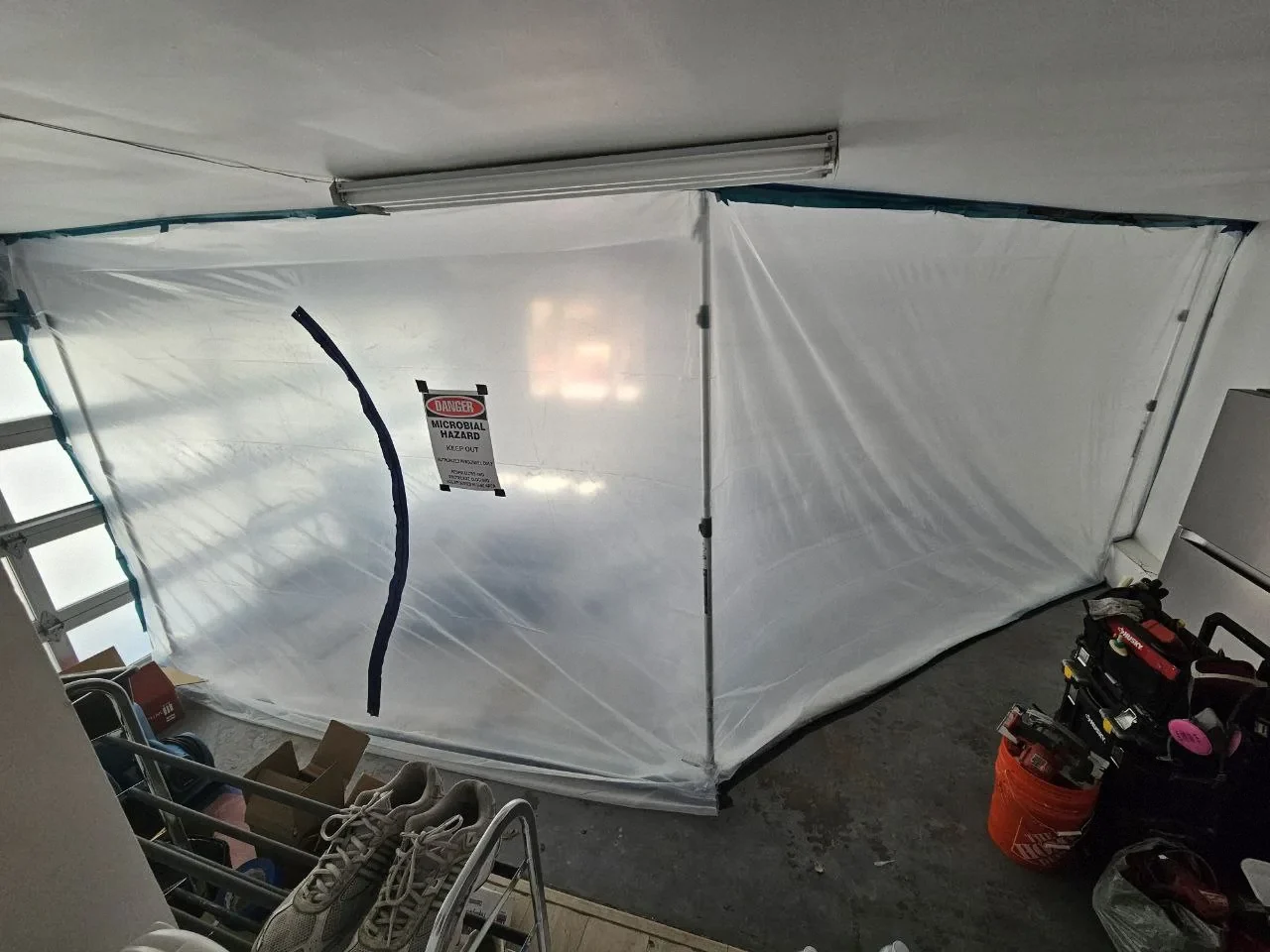
What makes sewage cleanup different
A sewage backup is more than a water removal problem. Wastewater may carry organisms and other hazardous material, and contamination can spread to flooring, walls, furnishings and anything moved through the affected area. The appropriate response depends on where the water came from, how far it traveled, what it touched, and whether the source is still active. Water Damage Guard is available 24/7 at (650) 550-0619 to discuss the conditions and arrange the next step.
A backup can appear at a floor drain, toilet, shower, sink, or another low fixture. It may result from a blockage, an issue in a building drain, a public sewer problem, or a septic-system failure. The visible overflow does not identify which component failed. A plumber, utility, or septic professional may be needed to locate and correct the source while the cleanup scope is assessed.
First steps when wastewater appears
Keep people and pets away from the affected area. CDC advises avoiding contact with floodwater that may contain sewage because it can make people sick. Do not walk through the water to retrieve belongings or reach a switch. Wet electrical equipment, submerged outlets, unstable flooring, and other hazards can make entry dangerous. If there is a risk of shock, leave the space and contact the utility or a qualified electrician.
Stop using fixtures that may add water to the affected drain. Avoid flushing toilets or running sinks, showers, dishwashers, and washing machines until the cause is understood. If a shared building is involved, inform the property manager promptly so other occupants can be notified and access can be coordinated. A backup may recur if water continues to enter a blocked system.
Describe what you can observe from a safe location: the fixture involved, the rooms affected, whether water is still rising, and whether the backup followed rain or another event. If you know the property uses a septic system, mention that. Do not open a septic tank or attempt to handle its electrical equipment. Contact the appropriate service provider to investigate the system.
Who to call about the source
A restoration response addresses affected spaces and materials; it does not replace an investigation of a blocked pipe or failed wastewater system. A plumber can evaluate the private plumbing and advise on an obstruction or repair. The local sewer agency can explain whom to contact if the public system is involved. Do not assume which party is responsible for a lateral or main based only on where the water appeared.
For a rental, contact the owner or management and provide the location and time of the overflow. In a condominium or other shared property, the building's management can help coordinate investigation of common spaces and neighboring units. Access and responsibility depend on the property documents and the facts. Keep written records of notifications, but do not delay reporting an active incident while trying to determine fault.
When the source is a septic system affected by flooding, follow the advice of the relevant local authority and a qualified septic professional. CDC notes that saturated ground can impair a septic system and warns against contact with contaminated floodwater. Do not pump or alter the tank based on a generic instruction: the condition of the system needs a site-specific evaluation.
Assessing the affected area
Once hazards and safe access have been addressed, the assessment considers the apparent source, the extent of the overflow, the duration of contact, and the types of materials affected. The visible edge of standing water may not mark the full extent. Wastewater can move beneath a floor finish, into a wall base, through openings, or into adjoining rooms. Ask which spaces have been inspected and which remain inaccessible.
A record of affected rooms and belongings can help with decisions and a possible insurance claim. Photographs should be taken only from a safe place. If an item is wet or contaminated, leave it in place until the people handling cleanup can discuss how it will be separated, cleaned, or discarded. Moving items without a plan can transfer contamination to a hallway or vehicle.
The inspection may identify the need for an opening to assess concealed layers. Before authorizing one, discuss its purpose, the proposed protection of surrounding areas, and who is responsible for subsequent repair. In an older building, suspected asbestos or lead-containing materials require appropriate evaluation before disturbance. Do not presume the material is harmless based on appearance.
Containment and removal decisions
The cleanup scope should explain how affected areas will be separated from spaces that remain in use. The specific measures depend on the building, the extent of contamination, and the work being done. A shared corridor, occupied bedroom, or food preparation area may require different access arrangements. Tell the response team about household members, pets, and essential routes through the property.
Removing wastewater is only one step. Materials contaminated by sewage must also be evaluated for whether they can be adequately cleaned and dried. Hard surfaces and porous contents present different questions; carpeting, padding, insulation, upholstery, and paper goods may be difficult or impossible to clean fully depending on the incident. Decisions should be based on the actual item and exposure, not on a promise that everything can be saved.
Ask what is proposed for disposal and how the items will be documented before removal. If you have irreplaceable documents, family photographs, or valuable objects, identify them before work begins so appropriate options can be discussed. The ability to preserve an item depends on its condition and the nature of the contamination. Keep an inventory and retain any records requested by your insurer.
Cleaning and drying after removal
The sequence and products used depend on the contaminated materials and the conditions at the site. Cleaning removes visible soil; any further treatment should follow a plan appropriate to the surface and the incident. Do not mix cleaning products. EPA warns that combining products or adding bleach to other chemicals can create dangerous conditions. A disinfectant does not substitute for removing contamination or for correcting the cause of the backup.
Once the source is controlled and the necessary cleaning and removal have occurred, affected building materials must be dried. Moisture can remain below a finish even after the floor looks dry. An assessment may involve measurements in accessible materials and may reveal the need for additional access. Ask how progress will be checked and what needs to happen before surfaces are enclosed or repaired.
Do not run fans at visible mold or use a flood-affected heating or cooling system without an appropriate assessment. EPA advises against using fans on visible mold because they can spread it. Electrical equipment must be safe to operate before any drying equipment is used. If the overflow reaches ducts or mechanical equipment, a qualified specialist may need to evaluate those components separately.
Returning to the space
The presence or absence of an odor is not a complete test of cleanup. Ask what materials were removed, what was cleaned, which areas were dried, and whether any inaccessible spaces remain. The condition of the plumbing or septic system also matters: if the underlying obstruction or failure has not been addressed, another overflow may occur when water use resumes.
Discuss the use of affected rooms with the people assessing the property and follow any restrictions while work remains underway. If occupants have health concerns, consult a healthcare professional. A cleanup contractor can explain the work and its limitations, but cannot diagnose an illness from a description of the building or an odor.
Repairs may follow the removal and drying work. Replacing wall finishes, flooring, or fixtures should be planned with the source repair and the condition of concealed materials in mind. Ask which work is included, which is separate, and whether the local building department should be consulted about the proposed repairs. Requirements vary by location and scope.
How long the work can take
The time required depends on the source, the amount of wastewater, the surfaces contacted, access to concealed layers, and the repair needed to prevent another overflow. A small, accessible area and a backup affecting several rooms will not follow the same schedule. Delays can also occur if the source remains active or if other specialists must assess plumbing, electrical equipment, or hazardous building materials.
Ask for a condition-based sequence rather than relying on a fixed completion promise made before inspection. The work may need to change when a floor covering is lifted or an adjoining space is examined. Updates should identify what has been found, what remains to be done, and whether the proposed scope needs your authorization before it changes.
Insurance and records
Sewer backup coverage should not be assumed. A homeowners or renters policy may have exclusions, limits, or an optional endorsement that affect the claim. The cause and the actual policy language matter. Contact your insurer or agent promptly, explain that wastewater was involved, and ask how to document affected materials and necessary emergency work.
California Department of Insurance guidance explains the residential claims process and directs consumers to review their policy and communicate with the insurer. Keep photographs taken safely, the plumber's findings, cleanup records, an inventory of discarded property, receipts, and correspondence. Ask whether the insurer needs to inspect an item before it is discarded, while discussing how to address urgent hazards and prevent further damage.
The cleanup provider can describe observed conditions and the proposed work, but the insurer determines coverage under the policy. If a concealed area or additional damaged material is discovered later, document the finding and notify the insurer. Request a clear explanation of changes to the work and obtain any necessary authorization before additional work proceeds.
Reducing the chance of another backup
After the immediate incident, ask the plumbing or sewer professional what caused the obstruction or failure and what follow-up is appropriate. The answer may involve a repair, further inspection, maintenance, or a discussion with the public agency. A backwater valve may be relevant in some buildings, but its suitability and any permit or maintenance requirements should be evaluated for the actual property.
Avoid treating the cleanup alone as proof that the drainage system is functioning. Confirm when fixtures can be used again and who has tested or repaired the source. Keep records of the findings so that a future plumber or property manager can understand what was done. If wastewater reappears, stop using affected fixtures and report the change promptly.
Common questions
Can I walk through sewage water to retrieve belongings?
Stay out of the affected area. Wastewater can contain harmful material, and standing water may conceal electrical or structural hazards.
Should I keep using the toilets and sinks?
Stop using fixtures that may add water to the affected drain until the cause is understood. Notify other occupants or building management.
Who fixes the blockage?
A plumber, public sewer agency or septic professional may need to investigate and repair the source. The responsible party depends on the location and cause.
Can everything touched by sewage be cleaned?
Not necessarily. The material, condition and extent of contamination determine whether an item can be adequately cleaned and dried.
Does homeowners insurance cover a sewage backup?
Coverage depends on your policy, exclusions, limits and any endorsement. Ask your insurer about the specific incident.
How long does sewage cleanup take?
It depends on the source, the affected materials, access, and the work needed to correct the failure. The scope should be reassessed as conditions become clear.