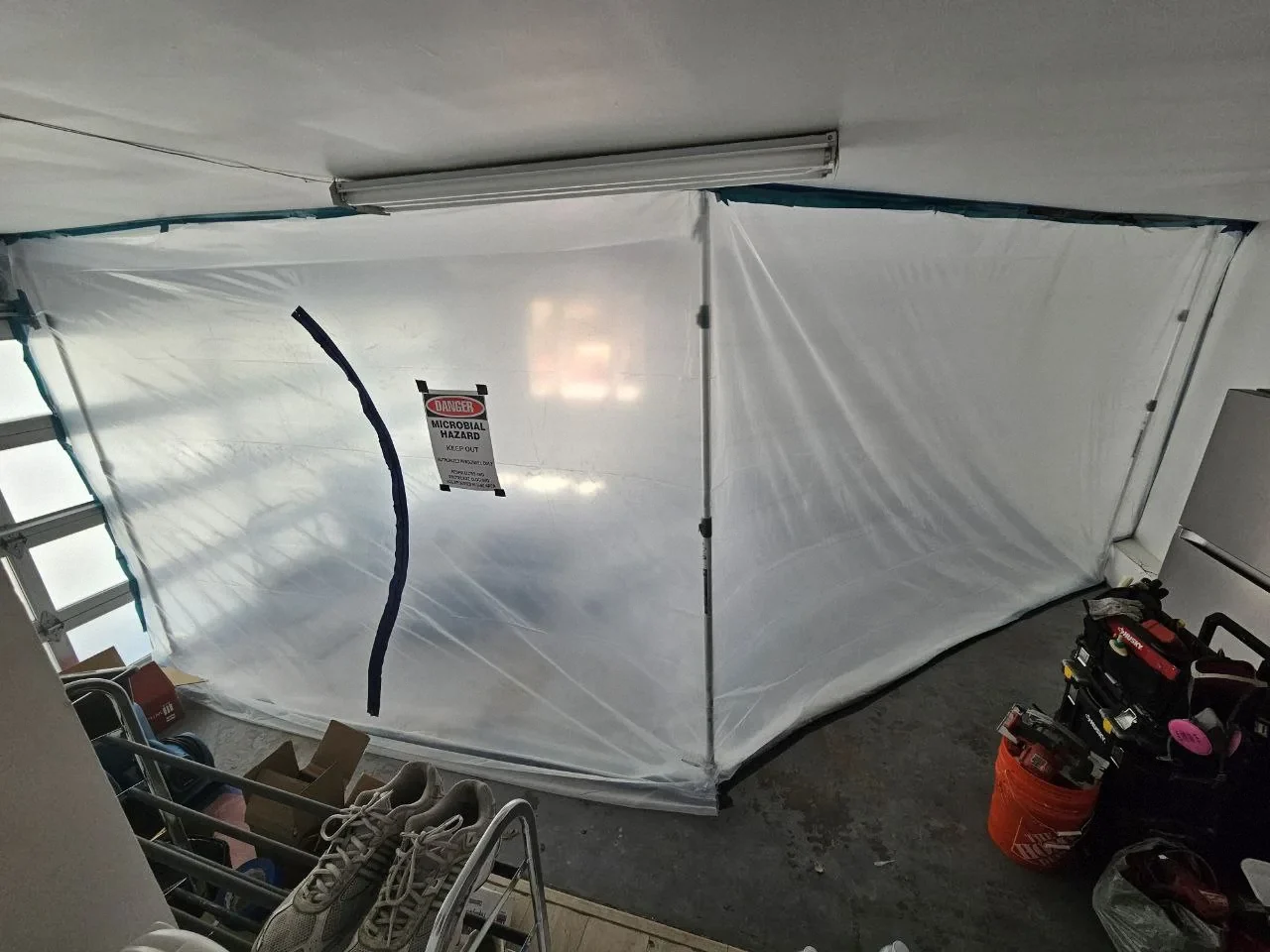
Keep the affected area separate
Sewage in a home or yard needs a response that treats both the source and the contaminated materials. Stop using toilets, sinks, laundry and other fixtures connected to the affected line while the problem is investigated. Keep children and animals away. Avoid walking through the material, handling affected belongings without appropriate protection or using a household vacuum to collect it.
If water has reached outlets, appliances or electrical equipment, do not touch the equipment or enter standing water to reach a switch. Follow the instructions of emergency personnel and qualified electrical professionals. A contaminated crawl space or a bathroom with a slippery floor is not a safe place to search for the blockage. Describe the conditions from a safe position when making the first call.
Water Damage Guard provides sewage cleanup in Portola Valley from San Carlos. Call (650) 550-0619, 24/7, to discuss the affected space. Tell us whether the source appears to be a fixture, a cleanout, a tank or water entering from outside, and whether it is still active. Those observations help coordinate cleanup with whoever is responsible for stopping the flow.
Identify the system before deciding who repairs it
A backup can come from a blockage in building plumbing, a private sewer lateral, a public sewer or an onsite wastewater system. Similar symptoms can have different causes. Record whether several fixtures are affected, whether the level changes when water is used and whether there is an overflow outside. These are useful observations, not a diagnosis that a particular pipe has failed.
For a property connected to a public sewer, the appropriate sewer agency can help establish whether its main is flowing. A plumber may need to assess the building side or the private lateral. A property using an onsite system requires a different investigation. Identify the service for the particular address rather than assuming the same arrangement applies to every parcel.
Keep a record of who inspected which part of the system and what they found. Ask whether the source has been controlled before cleaning or drying begins. If fixtures continue to send water toward a blockage, a cleaned room can be contaminated again. Clearing the line is an important source-control step, but it is not the same as removing contamination from a floor, wall or contents.
The cleanout and the repair decision
A cleanout is an access point used to inspect or clear a drain or lateral. Its position and condition can affect which portion a service provider can reach. Do not remove a cap if sewage may discharge or if the area is unsafe. Let the responding agency or plumber determine how to open and inspect the line.
West Bay Sanitary District advises customers in its service area to obtain a district permit for a lateral repair. The district’s guidance says the plumber performing that repair should obtain the permit. Confirm the requirements for the actual property and work before excavation or replacement; clearing a stoppage, repairing a lateral and cleaning the interior are separate activities.
A camera inspection can show conditions along an accessible section, but it does not automatically establish the best remedy or the condition of every buried pipe. Ask for the location of an observed defect and how the recommendation follows from it. If work is proposed in a public right-of-way, ask which agency must authorize that work as well.
When a lateral is reused after rebuilding
West Bay publishes separate procedures for demolition and rebuilding in its service area. If an existing lateral will be reused, the district describes a temporary disconnect permit and inspection before backfilling. Its instructions also call for video examination of the segment from the property line to the main when evaluating that reuse. These are project-specific reconstruction procedures, not a claim that every sewage cleanup needs a demolition permit.
The district’s repair procedures distinguish methods for replacing or rehabilitating a side sewer. Its published 2024 document says certain accepted cured-in-place and pipe-bursting methods do not qualify for the district’s lateral cleaning service under those procedures. Confirm the current terms for the proposed permit before choosing a method. The presence of a rule about a method does not establish what material is installed at your address.
For a damaged building that may be rebuilt, keep the cleanup, the decision to reuse a line and the future permit review distinct. A property owner can ask the district and design team which inspections apply, whether the line can be reused and who will obtain each approval. The answer should be based on the documented work and the agency’s current requirements.
Assess contaminated materials
Once the flow has stopped and access is safe, an assessment should identify the affected surfaces, porous materials and contents. Sewage can remain below a visible waterline or move through seams and cavities. The scope may include removing contaminated material that cannot be adequately cleaned, cleaning accessible surfaces and drying the remaining structure. What is appropriate depends on the actual source and the materials involved.
Tell the team about affected cabinets, floor coverings, insulation and stored belongings. Avoid moving items through unaffected rooms before a plan is in place, because material and equipment can spread contamination. Separate the question of whether an item can be retained from whether the surrounding structure is ready to dry. Photograph and list items safely for the owner and insurer.
Cleaning and drying should follow source control. Ask how the team will protect access routes and determine when affected materials are ready for repair. If the assessment finds hidden wet areas, the scope may need to change. Agree on how newly discovered conditions will be documented and communicated rather than covering them before the source and condition are understood.
Coordinate access and next steps
In a rented or shared property, notify the owner or property manager and identify who can approve access to common spaces. A backup in one unit may involve a line shared with another; using fixtures elsewhere can affect the situation. Do not conclude that another occupant caused the problem based only on where water emerged.
If the affected area includes a crawl space, exterior access or a steep driveway, describe that when arranging a visit. Equipment and removed material need a safe route that does not obstruct exits. If the source is an onsite system, identify known tank and dispersal-field locations without opening covers or driving over uncertain ground.
Keep the plumber’s findings, agency communications, photographs and restoration scope together. Ask which work is emergency cleanup, which is a plumbing repair and whether reconstruction will need a separate review. This record helps the people responsible for the property coordinate the next steps without treating one contractor’s visit as proof that every system has been repaired.
Before repair work is concealed, ask the responsible agency and contractor which inspection is required for the permitted work and how the result will be recorded. Keep a copy of approvals with the source-repair and drying records. A final finish should not be treated as evidence that a lateral was repaired or that a hidden cavity has dried; each decision has its own supporting information.
Common questions
Should I keep using a toilet during a sewer backup?
Stop using connected fixtures until the source has been investigated and controlled. Additional water can worsen an active backup.
Does clearing a blockage clean the room?
No. Clearing the line addresses the flow. Contaminated materials and surfaces still need assessment and appropriate cleaning or removal.
Does every Portola Valley property use a public sewer?
No. Determine whether the specific property is connected to a public system or uses an onsite wastewater system before assigning the source.
Is a camera inspection always required after a backup?
The need depends on the work and agency requirements. West Bay describes CCTV for a specific existing-lateral reuse process during demolition and rebuilding; that is not a universal cleanup requirement.
Can I enter a wet crawl space to inspect the line?
Avoid entering an unsafe or contaminated space. Describe what you can see from a safe position and ask the responding professional to assess access and the source.