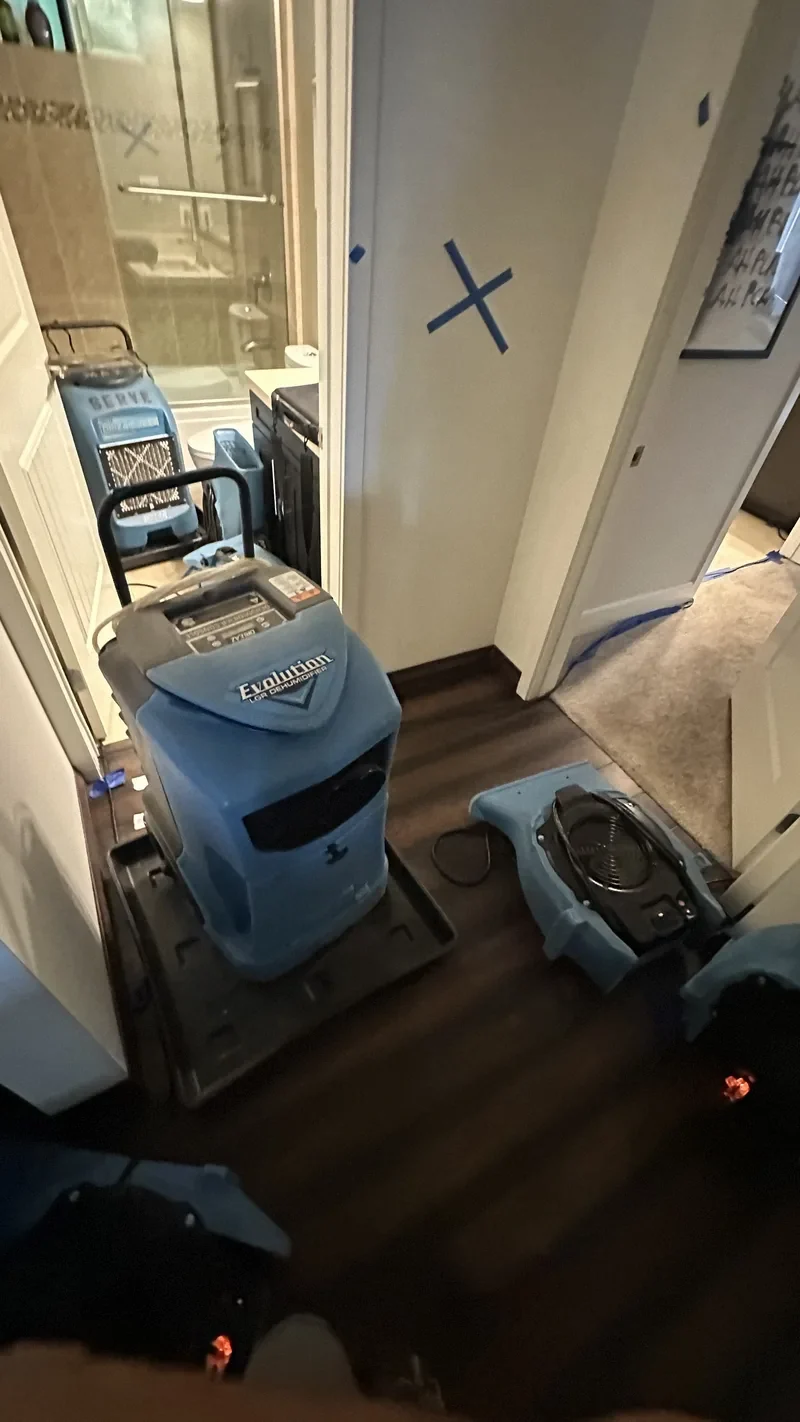
What water damage restoration covers
Water damage restoration is the process of addressing the effects of unwanted water in a property and planning the work needed to return affected areas to use. The appropriate response depends on the source, the route the water took, the materials it reached, and whether contamination or other hazards are present. A leaking supply line in a kitchen and stormwater entering a basement require different decisions even when the visible wet area appears similar.
Water Damage Guard is available 24/7 at (650) 550-0619 to discuss a water incident. Describe where the water is, whether its source is still active, and any concerns about electricity, sewage, or damage to the structure. The first priority is safe access; the scope of cleanup and repairs can be determined as conditions become clear.
What to do when you find water
If you can reach a shutoff safely, stop an active plumbing leak or ask a plumber to do so. Do not step into standing water to reach a valve or electrical panel. Stay away from wet outlets, appliances, and equipment. If there may be an electrical hazard, leave the area and contact the utility or a qualified electrician. If a ceiling is bulging or a wall or floor looks unstable, keep clear until it has been assessed.
Take photographs from a safe location and note when you discovered the problem. If you know that water came from a toilet, sewer, outside flood, or another potentially contaminated source, say so when requesting help. Keep children and pets out of the affected space, and avoid carrying wet items through unaffected rooms if doing so could spread contamination. Contact the property owner or manager when the building is rented or shared.
Do not assume that a small puddle means the damage is confined to the visible area. Water can pass under flooring, collect behind baseboards, or travel through a ceiling into another room. Conversely, a stain does not establish that the material is still wet. The useful next step is to find and stop the source, then inspect the affected materials and adjacent spaces.
Finding the source and mapping the affected area
An assessment begins with your account of what happened: the time of discovery, the suspected source, repairs already made, and any earlier water incidents in the same location. Accessible rooms and materials can then be examined for standing water, staining, damaged surfaces, and signs of moisture. The scope may change if water has traveled farther than initially visible.
Moisture readings can help trace the affected area and support decisions about drying. Readings should be interpreted with the material, surface condition, and instrument in mind. A single measurement is not a complete picture of a wall or floor, and a dry-looking finish can cover a wet layer. Where an inaccessible cavity is suspected, discuss any proposed opening and get the appropriate owner's authorization before it is made.
The investigation also considers the source of the water. Clean-looking water from a supply line can become contaminated by the surfaces it contacts, while floodwater and sewage present their own hazards. Those distinctions affect the protection, cleaning, and material decisions that follow. If the source remains unresolved, arrange the appropriate plumbing, roofing, drainage, or other repair so that drying is not undermined by continued water entry.
Removing water and separating affected materials
Standing water is addressed when the area can be entered safely and the source has been controlled. The method depends on the amount and location of water, access, available power, and the nature of the contamination. Water trapped under a floor or inside a wall is not necessarily removed by clearing the visible puddle. The assessment should identify where additional access or other trades may be needed.
Furnishings and belongings may need to be moved so that wet surfaces can be evaluated. Discuss valuable, fragile, or sentimental items before they are handled. Some possessions can be cleaned and dried; others may not be recoverable if they cannot be properly cleaned or if the material has deteriorated. Photograph items and keep an inventory when an insurance claim is being considered.
Material removal is a separate decision from extraction. Wet insulation, damaged drywall, floor assemblies, and finishes may need different treatment depending on their condition and the water source. Ask what is proposed for removal, why it is necessary, and how the work area and adjoining rooms will be protected. When older materials could contain lead or asbestos, seek appropriate professional guidance before disturbing them rather than assuming the material is safe.
Drying the structure and checking progress
After accessible water is removed and conditions permit, drying addresses moisture remaining in building materials and the surrounding air. Equipment selection and placement depend on the layout, the materials, power availability, and the extent of water intrusion. Drying a room is not simply a matter of running a fan until its surface looks dry; material below a finish may retain moisture after the visible surface has changed.
Progress can be assessed with repeated observations and measurements in affected and comparable areas. Explain any access restrictions, sensitive contents, or need to use part of the property so the work can be planned around them. Ask what is being monitored, when results will be reviewed, and what conditions need to be met before equipment is removed or a surface is closed. Do not switch equipment off or alter its placement without discussing how that affects the drying plan.
The time needed varies. A shallow leak on an accessible hard surface does not present the same drying conditions as water under several flooring layers or inside a wall cavity. Material thickness, humidity, ventilation, the extent of wetting, and the ability to correct the source all matter. A responsible schedule is based on the conditions and measurements at the property, not a promised number of hours before the damage is assessed.
Cleaning, mold concerns, and return to use
Cleaning depends on what contacted the water and whether the surfaces can be adequately cleaned. Floodwater can carry sewage and other harmful substances; avoid contact and tell the response team if outside water entered the building. EPA advises waiting to reenter a flooded home until professionals say it is safe and calls attention to electrical and structural hazards. A flood-affected heating or cooling system should not be used until it has been assessed.
Prompt drying helps reduce the conditions that allow mold to grow, but elapsed time alone does not prove whether growth is present. If you see suspected mold, avoid disturbing it or directing fans at it. EPA explains that visible growth should be cleaned and the underlying moisture problem corrected. A separate mold assessment or remediation scope may be appropriate when the visible damage, concealed conditions, or occupant concerns warrant it.
Return to the affected area depends on the hazards, the cleaning and drying work completed, and the remaining repair needs. Ask which parts of the property can be used, what precautions remain, and whether additional work is necessary before normal occupancy. A cleared floor is only one part of the decision; wet cavities, damaged electrical components, or unresolved contamination may require attention from other qualified professionals.
Repairs after mitigation
Mitigation and repair are related but distinct. Mitigation addresses immediate conditions such as water, moisture, and affected materials. Repair or reconstruction may include replacing removed components and restoring finishes once the underlying area is ready. The extent of the repair cannot always be known at the first visit because concealed conditions may only become clear after safe access is obtained.
Before approving reconstruction, ask how the scope handles concealed damage, material choices, and coordination with plumbing or electrical work. If the loss affects a shared wall or a unit above or below yours, the property manager or other owner may need to coordinate access. Check applicable permit requirements with the local building department for the actual work proposed; requirements depend on the location and scope.
Avoid replacing finishes over a still-wet assembly merely to make a room look complete. Discuss how readiness for repair will be determined and what documentation you will receive. If the source was a roof, appliance, pipe, or drainage issue, confirm that the responsible repair has been completed or scheduled. The restoration plan should make clear which tasks are included and which require a separate provider.
Insurance and documentation
Homeowners policies vary. California Department of Insurance guidance describes sudden accidental water damage as generally covered under many homeowners policies, while flood, seepage, and maintenance-related damage are commonly excluded; the actual policy wording and circumstances control the claim. Separate flood coverage or endorsements may apply in some situations. Ask your insurer how your policy treats the cause and the work being proposed.
If you intend to make a claim, report the loss promptly and ask for instructions. Photograph the damage and belongings before cleanup when safe, retain invoices and communications, and keep a record of the source repair. Ask whether the adjuster needs to inspect damaged materials and how to document necessary emergency work. Do not delay action that is needed to prevent further damage while waiting without discussing the situation with your insurer.
A restoration assessment can describe observed conditions and proposed work, but it does not decide coverage. The insurer evaluates the claim under the policy. If additional damage becomes apparent as work proceeds, document the new information and notify the insurer; discuss any change in scope and authorization before proceeding. Keep your own copies of the documents so you can follow the status of both the work and the claim.
Planning around your household
Tell the response team about household members, pets, access needs, and rooms that must remain usable. If a kitchen, bathroom, or sleeping area is affected, ask what restrictions may be needed and whether the work can be separated from occupied areas. For a multi-unit building, coordinate through the owner or manager rather than entering another unit or opening shared assemblies without authorization.
Before work begins, ask for a description of the proposed scope, how changes will be communicated, and who to contact with questions. Note what is included in cleanup, what is included in repair, and which tasks belong to another specialist. The practical goal is a clear sequence: make the area safe, address the water source, evaluate and dry affected materials, then plan repairs based on the conditions found.
Common questions
What should I do first after discovering a leak?
Stay clear of electrical and structural hazards. Stop the source only if you can do so safely, and contact the appropriate professional for help.
Can water damage extend beyond the visible stain?
Yes. Water can travel under flooring, behind finishes, or into adjoining rooms. An assessment of accessible areas helps establish the extent.
How long does drying take?
It depends on the water source, materials, extent of wetting, access and drying conditions. Progress should be evaluated as work proceeds.
Can I stay in my home during restoration?
That depends on safety, the rooms affected, contamination and the work required. Discuss access and occupancy with the people assessing the property.
Does insurance cover water damage?
It depends on the cause, your policy, exclusions and endorsements. Contact your insurer for a determination and keep records of the damage and work.
Is drying the same as repairing the damage?
No. Drying addresses moisture in affected materials. Repairs may be needed afterward to replace removed components and restore finishes.