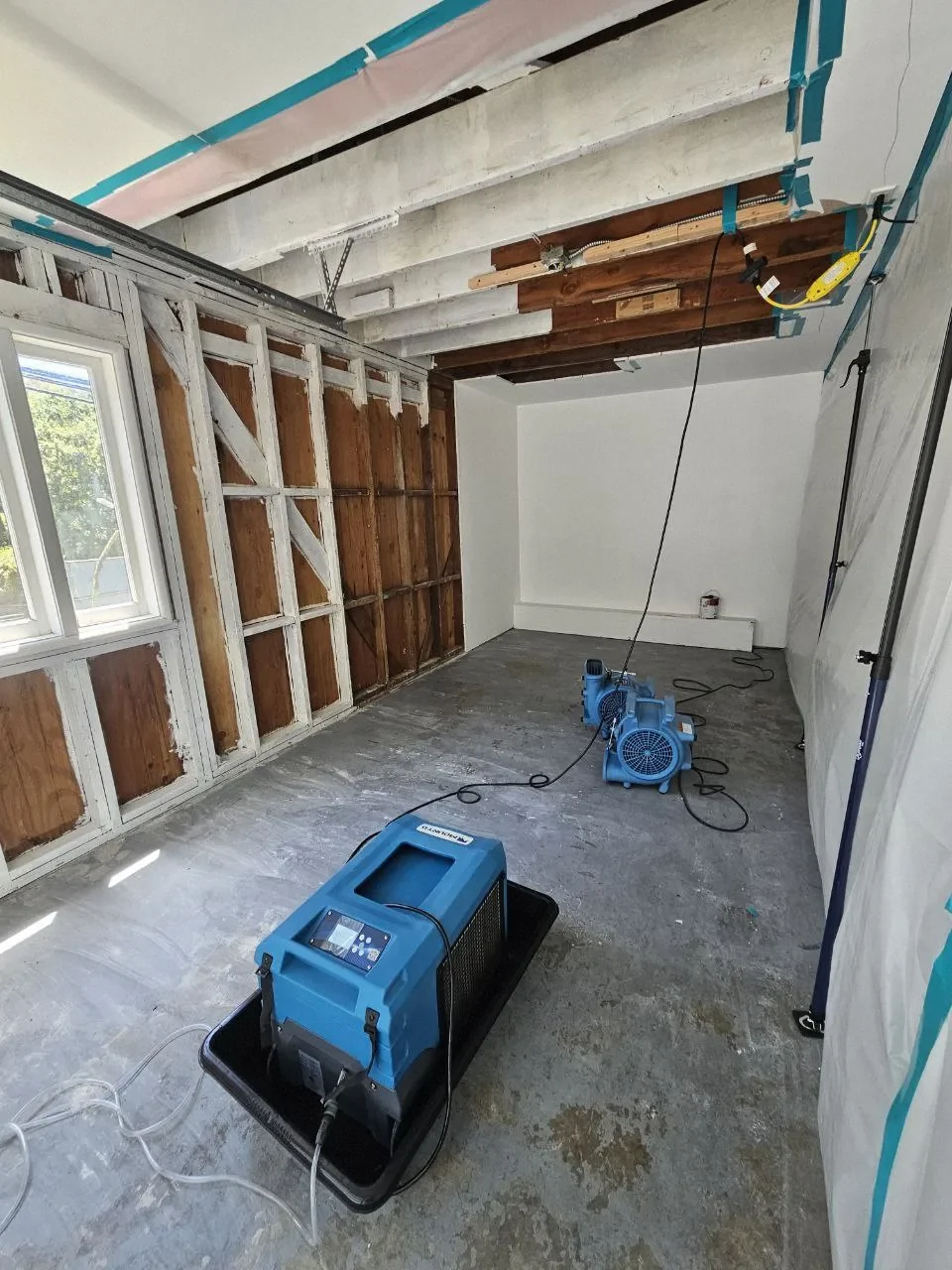
Water damage in South San Francisco: conditions at the address
Water Damage Guard helps people in South San Francisco address water damage from supply leaks, sewage backups and stormwater. The first questions are whether water is still entering, what it has touched and whether the affected area can be reached safely. The visible water is only the beginning of an assessment; the source and affected building materials need to be checked.
The City’s climate action plan identifies Westborough, Sunshine Gardens and Buri Buri among its residential neighborhoods. Those names help locate a request for service, but they do not establish the condition of any home. A property near a creek, a hillside home and an apartment in a shared building can each have different causes and access needs.
If water is close to electrical equipment, stay away and arrange for a qualified person to make the area safe. Do not touch a wet switch, plug or appliance. Keep people away from a sagging ceiling or damaged structure. In an immediate emergency threatening life, leave the area and call emergency services.
Colma Creek and stormwater
OneShoreline describes Colma Creek flowing through Colma and South San Francisco to San Francisco Bay. It is planning lower-creek resilience projects between San Mateo Avenue and Utah Avenue in South San Francisco. A planned project does not establish that construction is complete or that a particular property is protected.
A watershed or creek location is regional context rather than a parcel-specific flood determination. Water may also enter a building through a door, roof, slope or drainage defect away from the creek. During a storm, avoid flowing water and keep away from a damaged roof, unstable soil and electrical equipment. Record where entry was observed only when it is safe.
If outdoor water has entered, tell the cleanup team whether it carried mud or debris and which rooms and belongings it touched. The response to contaminated outdoor water can differ from the response to a clean supply leak. The permanent repair may also require a separate review of the exterior water pathway.
Preparing and reporting storm problems
For winter 2026–27, San Mateo County lists a self-fill sandbag station at the South San Francisco maintenance yard, with a limit of ten. Check current availability and local instructions before making a trip. A sandbag barrier can help redirect shallow water in some conditions but is not a guarantee that a building will stay dry.
South San Francisco lists its Public Works number, 650-877-8550, for street, sewer and storm issues. Describe the location and observed problem so the City can direct the report. A public-system report and a private restoration request have different purposes: one helps identify a possible infrastructure issue, while the other addresses the affected property.
Plan safe access before severe weather. Keep documents and essential items where they can be reached without entering water. If the building is flooded, wait for safe access and follow local instructions. Photograph the damage only where it is safe and avoid returning to damaged electrical equipment until it has been evaluated.
Water supply and a leak inside
Cal Water lists South San Francisco within its Bayshore District communities. It says the South San Francisco system purchases water from the San Francisco Public Utilities Commission and has received additional supply from groundwater wells. Confirm the provider and service boundary for the particular address; a district listing does not diagnose an individual leak.
If a safely accessible valve controls the leaking line, closing it can limit further water while a qualified trade investigates. Tell other occupants that the supply is off. A supply interruption or a wet floor can have several causes, so describe whether the problem appears at a fixture, a connection, an appliance or outside the building.
A water heater, washing machine or dishwasher can release water behind a finish before it becomes visible in the next room. Do not operate equipment through standing water. Once the source is stopped and electrical conditions are safe, assess adjoining flooring, walls and stored items rather than assuming the visible puddle shows the full extent.
A sewage backup needs its own response
If wastewater returns through a drain or toilet, reduce water use and keep people and pets away from affected spaces. A blocked fixture, a building line and a public main require different investigation. Give the person diagnosing the problem the location, time and whether other fixtures are affected; those observations help but do not by themselves establish the cause.
South San Francisco’s Public Works page describes a sewer lateral compliance certificate requirement before a property sale. The City’s ordinance contains conditions and exceptions, so an owner should confirm how the requirements apply to a specific sale or repair. An inspection for a certificate is not the same as cleanup after wastewater has entered a building.
Restoring flow does not remove contamination from materials already touched by sewage. Avoid carrying soiled contents through clean rooms, and tell the cleanup team what the water contacted. The repair of a damaged line and the assessment and cleaning of the building should be coordinated as separate parts of the response.
Drying and repairing affected materials
Water can pass through joints, under floor finishes or into a wall cavity. A dry-looking surface does not establish that the assembly beneath it is dry. A restoration assessment considers the source, the material, how long it was wet and the building’s use. Some areas may need careful opening before the extent can be understood.
Accessible water removal is followed by attention to moisture remaining in affected materials. Depending on the conditions, the plan may include protecting contents, opening limited areas or removing material that cannot be adequately cleaned or dried. Ask what was inspected and what remains inaccessible, and keep a record of changes to the scope.
Coordinate the source repair, drying and reconstruction. A new finish installed over a continuing leak can hide the same problem. Ask the relevant contractor how the area will be evaluated before it is closed and whether a City inspection is needed for the regulated work.
Permits and the repair scope
South San Francisco’s residential permit handout says regulated building repairs and electrical, mechanical or plumbing work generally require an application and permit unless exempt. It also lists some finish work as exempt. Ask the Building Division about the complete scope; a finish exemption does not decide whether concealed pipe or other trade work needs approval.
The scope can change after a damaged wall or floor is opened. Keep photographs and a description of what was found, and update the contractor and City as appropriate. Arrange required inspections before regulated work is covered. The City’s guidance is a starting point, while the actual work and property determine the requirements.
If a roof or window is the source, temporary protection may be necessary while a lasting repair is planned. Do not climb a damaged roof during a storm. A qualified person can assess the opening and coordinate the exterior repair with interior drying.
People, belongings and documentation
A renter or occupant should promptly tell the owner or manager about a leak and describe any continuing water. If the property is shared, coordinate permission to inspect adjacent units or common areas where water may have traveled. A clear record of notice, photographs and access arrangements can help everyone work from the same information.
If insurance may apply, ask the insurer what records it needs and what the individual policy covers. Keep a timeline, photographs and receipts for emergency work or temporary arrangements. Coverage and deductibles depend on the specific policy and insurer review; a restoration assessment does not decide the claim.
If a room cannot be occupied, discuss access, possessions and temporary accommodation with the responsible housing and insurance contacts. Avoid moving contaminated belongings into an unaffected room. Identify who can authorize the cleanup, who will repair the source and how updates will be communicated if more damage is discovered.
When water crosses rooms or units
A leak above a ceiling may appear in a different room from the source. Similarly, water that travels beneath a floor can reach a hallway or adjoining unit before it is seen. The first occupant to notice it should describe when and where it appeared and whether a fixture was in use. A contractor can then investigate the likely path and any concealed areas that need inspection.
In a building with a property manager or association, identify the person who can approve access and communicate with neighbors. Do not enter another unit or open a shared wall without the necessary permission. If water is continuing to move, prompt notice helps the people responsible arrange a safe assessment and repair.
When an inspection reveals a wider affected area, ask for an updated scope and explain any constraints on access or belongings. Keep the affected rooms and the work done in a written record. The record should also identify places that could not be checked; it is not a substitute for inspection, but it helps prevent uncertainty from being mistaken for a clean result.
What to tell us when you call
Water Damage Guard is based in San Carlos and takes calls for South San Francisco at (650) 550-0619, 24/7. Give the address, affected rooms and a safe contact. Mention an active leak, suspected sewage, outdoor water or any restriction imposed by officials. If the source is not known, describe what you can see rather than guessing.
A useful plan identifies the immediate safety needs, the route of water, the affected materials and the work that other trades must perform. A ceiling stain below a bathroom and water entering through a doorway after rain can require different investigations even if the amount of visible water appears similar.
Keep records of inspection results, work performed and any inaccessible area. If a repair requires permission or a City inspection, coordinate the schedule before finishes are restored. The aim is to address the actual water pathway and leave a clear handoff for the person completing the repair.
Common questions
What does the South San Francisco creek project cover?
OneShoreline is planning lower Colma Creek resilience work between San Mateo Avenue and Utah Avenue. It is a project under development, not proof that a particular property is protected.
Where are South San Francisco sandbags listed?
For winter 2026–27, San Mateo County lists a self-fill station at the City maintenance yard. Check current supplies and local instructions.
How can I report a South San Francisco storm or sewer issue?
The City lists Public Works at 650-877-8550 for street, sewer and storm issues. Explain the location and the problem observed.
Who supplies water in South San Francisco?
Cal Water lists South San Francisco in its Bayshore District. Confirm the provider for the specific address.
Does South San Francisco require a lateral certificate at sale?
The City describes a point-of-sale compliance program, with conditions and exceptions in the municipal code. Check the specific property and transaction with Public Works.
Will a South San Francisco water damage repair need a permit?
The City’s residential handout says regulated building and trade repairs generally require a permit unless exempt. Ask the Building Division about the actual scope.
Sources
- South San Francisco climate action plan neighborhood map Checked
- OneShoreline Lower Colma Creek Resilience Projects Checked
- San Mateo County winter 2026–27 sandbag locations Checked
- South San Francisco storm preparation information Checked
- Cal Water Bayshore District Checked
- South San Francisco sewer lateral compliance information Checked
- South San Francisco residential permit handout, revised 2026 Checked