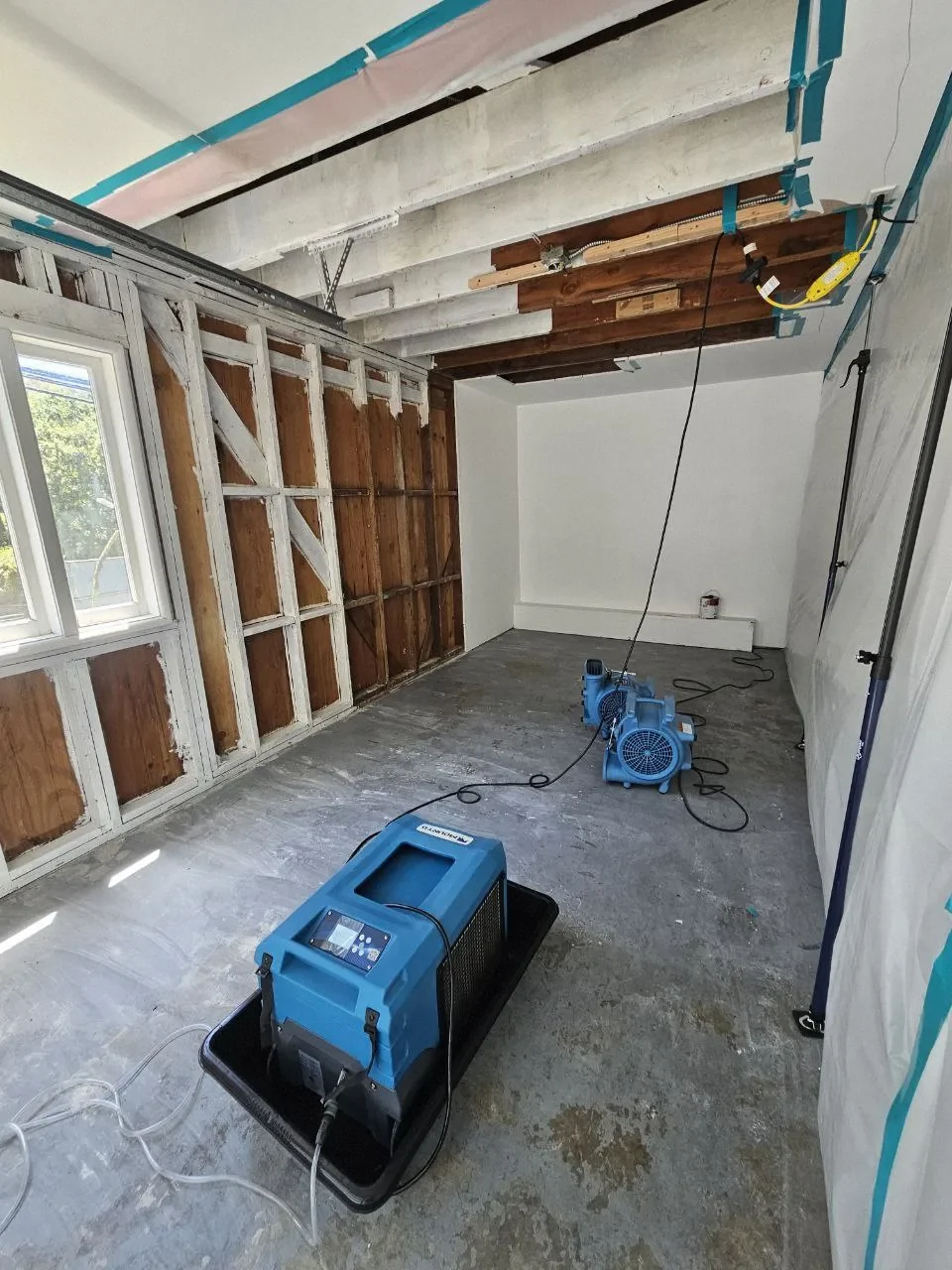
What flood cleanup includes
Flood cleanup addresses water and the materials it has affected after water enters a property from outside or another flooding event. The work can involve assessing safe access, removing standing water and debris, evaluating contaminated surfaces and contents, drying remaining materials, and planning repairs. Water Damage Guard provides flood cleanup; call (650) 550-0619, 24/7, to describe the flooding and the conditions at your property.
Floodwater is different from a clean plumbing supply leak. CDC warns that floodwater can contain sewage, chemicals, and other hazards. Its appearance does not establish that it is safe to touch. The water's route, the duration of contact, and the materials affected all influence the cleanup plan. A separate repair may also be needed to address the way water entered.
Stay safe until the property can be assessed
Do not drive through a flooded road or walk into floodwater to inspect damage. Follow evacuation orders and local emergency instructions. EPA recommends waiting to reenter a flooded home until professionals say it is safe, including assessment of electrical, structural, and other hazards. If water is near electrical equipment, stay away and contact the utility or a qualified electrician rather than entering to reach the panel.
Flooding can shift contents, weaken finishes, and conceal sharp objects or openings beneath the water. A ceiling that is sagging or a floor that has changed shape may indicate an unsafe condition. Do not try to retrieve belongings from an area that has not been cleared for entry. If a fuel-powered generator is being used, follow manufacturer and public safety guidance; EPA says to operate portable generators outside and at least 20 feet from buildings.
Tell the person arranging the assessment whether floodwater is still present, how it entered if known, and whether sewage or chemicals may be involved. Mention damaged utilities, inaccessible rooms, and directions from emergency officials. The initial discussion helps identify the right next step, but it does not replace an on-site assessment after access is permitted.
Understanding the source and extent
Outside water may enter through a door, a low opening, a basement, or another vulnerable part of the building. The visible path may not show every place it reached. Water can migrate under flooring, behind wall finishes, into cabinets, or through openings to a lower level. A careful assessment considers adjoining areas and records which spaces were not accessible.
The cause of entry matters for planning repairs. Surface runoff, a failed drainage component, a sewer backup, and a plumbing leak are different problems, even if each leaves water on a floor. A drainage specialist, plumber, public agency, or another qualified party may need to investigate the source. Do not assume responsibility for a public facility or a neighboring property's drainage without confirming the facts.
If water continues to enter, discuss what temporary protection can be performed safely and who will address the underlying source. Cleanup should not conceal the need for drainage, building-envelope, or plumbing repairs. For a rented or shared property, notify the owner or manager and coordinate access to common spaces and neighboring units.
Documenting damage and belongings
Before cleanup begins, contact your insurer if you intend to report a claim and take photographs when it is safe to do so. Record the rooms affected, the apparent water level, the date of discovery, and the condition of belongings. Do not enter an unsafe area or handle contaminated objects just to make an inventory. Ask how important items will be documented and handled during cleanup.
Floodwater can affect furniture, clothing, documents, appliances, and stored items in different ways. Some belongings may be cleaned and dried, while others cannot be adequately treated after contamination or physical damage. Identify sentimental items and records that require special consideration. The ability to preserve any particular object depends on its condition and the available treatment; avoid promising an outcome before it has been examined.
Keep receipts, communications, and the inventory together. If the insurer wants to inspect an item before it is discarded, ask how to document necessary removal while addressing health and safety concerns. A written record of the source investigation and repair can also help explain the sequence of events later.
Water and debris removal
Once safe access and an appropriate plan are established, standing water and debris can be addressed. The method depends on water depth, access, power, contamination, and the layout of the property. Clearing visible water is not the end of the work: material under a finish or inside a wall may remain wet or contaminated. The assessment should identify where further access is needed and what remains uncertain.
Flood-affected materials need individual evaluation. Hard surfaces that can be cleaned may be treated differently from insulation, carpet padding, paper goods, or other absorbent materials. EPA advises removing items that cannot be cleaned and dried. Ask which materials are proposed for removal, why, and how the work area and unaffected rooms will be protected.
When damaged building materials may contain asbestos or lead, seek appropriate professional guidance before disturbing them. This is especially relevant when opening older finishes or assemblies. The cleanup scope should state what will be opened, who authorizes the work, and how materials will be handled and disposed of. A general description of flood cleanup cannot determine the requirements for a specific building.
Cleaning and contamination
Because outside floodwater may contain sewage and other harmful substances, cleaning must account for what the water contacted. Do not assume that a surface is clean simply because the water has receded or a stain has faded. Discuss the intended cleaning approach for the material, the protection of adjacent areas, and the treatment of contents before work begins.
EPA warns against mixing cleaning products or adding bleach to other chemicals. A product applied to a dirty surface does not replace removal of soil and damaged material, and it cannot correct a continuing source of water. The method and any products used should be appropriate to the surface and conditions. People with health concerns should consult a healthcare professional about their own exposure rather than relying on a contractor to diagnose symptoms.
If the heating or cooling system was affected, do not use it to dry the property until a qualified professional says it is safe. Debris or moisture in the system may require a separate inspection and cleaning decision. Similarly, appliances and electrical components exposed to floodwater require appropriate evaluation before use. Discuss these items explicitly so they do not fall between the cleanup and repair scopes.
Drying after a flood
After standing water and affected materials have been addressed, drying focuses on moisture remaining in the structure and contents. EPA recommends drying a flooded home and its contents as quickly as possible, ideally within 24 to 48 hours if feasible, to help prevent mold. That guidance is a public health recommendation, not a promise that a particular building can be fully restored in that time.
The drying plan depends on material layers, access, indoor and outdoor conditions, and safe power. Moisture readings can help assess accessible materials and follow changes over time. A surface that feels dry may cover a damp subfloor or wall cavity. Ask which locations are being monitored and how the team will decide when an area is ready for repair.
If visible mold has developed, EPA advises against directing fans at it because they may spread the growth. The moisture source and growth both need attention. Avoid closing a wet wall or reinstalling flooring simply because the visible surface looks better. Any concealed conditions that could not be evaluated should be discussed before reconstruction.
How long will cleanup and recovery take?
The schedule depends on the area flooded, contamination, materials, safe access, weather, and whether the source has been corrected. Flooded assemblies with several layers and restricted access can take longer to evaluate and dry than a small accessible surface. A separate plumbing, drainage, electrical, or structural assessment can also affect the sequence.
Ask for updates as the conditions are measured rather than relying on a fixed promise made before inspection. If an opening reveals additional wet material, the scope may change. Discuss who can approve changes and how the new work will be documented. The goal is to make decisions based on what is actually found, including the limits of any areas that could not be inspected.
Returning to use depends on safety, cleaning, dryness, and remaining repairs. Ask which rooms can be occupied, what restrictions remain, and whether utilities have been cleared by the appropriate professionals. For a shared building, the property manager may need to coordinate access and communicate with other occupants.
Flood insurance and claims
Flood damage is generally excluded from standard homeowners policies, according to California Department of Insurance guidance, although a separate flood policy or other coverage may apply. Coverage depends on the policy, cause, definitions, exclusions, and facts of the loss. Water from a sewer backup or plumbing failure may be treated differently from outside floodwater, and an endorsement may affect the analysis. Ask your insurer or agent about the specific event.
Report a claim promptly and request instructions for documenting the damage and necessary emergency work. Keep photographs, a contents inventory, receipts, and correspondence. Ask whether an adjuster needs to see damaged materials before they are removed, while discussing safe and reasonable action to limit further damage. An assessment of the physical loss does not determine insurance coverage.
If additional damage is found as work proceeds, document it and notify the insurer. Ask for a clear description of the changed scope and any authorization required. Keep separate records of the source repair, cleanup, drying, and reconstruction so you can understand which work was performed and which decisions remain.
Preparing for repairs and future storms
Before finishes are replaced, ask whether the affected assembly has been cleaned and dried and whether the source of intrusion has been addressed. A cosmetic repair can hide a wet layer or a continuing drainage problem. Discuss materials, responsibility for related trades, and the conditions under which work will proceed.
A prevention plan depends on the route the water took. It may involve checking site drainage, maintaining gutters or a sump system, repairing an opening, or consulting a specialist about a recurring condition. No single measure eliminates every flood risk. Check local emergency information and your insurance arrangements before the next storm, and keep important records where they can be accessed if you must leave.
Common questions
Is floodwater safe if it looks clear?
No appearance can establish safety. Floodwater may contain sewage, chemicals and other hazards; stay out and follow official instructions.
When can I reenter a flooded home?
EPA advises waiting until professionals say it is safe, including assessment of electrical, structural and other hazards.
Can flood-damaged belongings be saved?
It depends on the material, contamination and condition. Items that cannot be adequately cleaned and dried may need to be discarded.
How long does flood cleanup take?
The schedule depends on access, contamination, affected materials, drying conditions and source repairs. It should be updated as the property is assessed.
Does homeowners insurance cover a flood?
Standard policies generally exclude flood, but a separate policy or other coverage may apply. Ask your insurer about your policy and the cause of the loss.
Should I use my heating system to dry the property?
Do not use flood-affected heating or cooling equipment until an appropriate professional says it is safe.
Sources
- CDC: Floodwater safety Checked
- EPA: Flooded home Checked
- EPA: Flood cleanup and indoor air Checked
- California Department of Insurance: Residential insurance Checked