Before entering a flooded property
Follow evacuation orders and wait until authorities say the area can be entered. Floodwater can conceal holes, sharp debris, sewage, chemicals and electrical hazards. Do not walk or drive through it. Stay away from downed lines, damaged walls and unstable ceilings. If an immediate threat to life exists, contact emergency responders from a safe location.
Never step into standing water to reach an electrical panel, switch or appliance. Leave wet equipment alone and arrange for the utility or a qualified electrician to assess it. If you suspect a gas leak, leave the area and call emergency services from a safe place. Do not restart gas service yourself.
When safe, photograph the outside and interior damage without disturbing hazards. Note where water entered, how high it reached and whether it is still present. Contact your insurer, explain the source as accurately as you can and ask what information is needed before items are moved or discarded. A loss from an outside flood may be treated differently from a plumbing leak under the applicable policy.
A plan for water and contaminated materials
Water entering from outside can pick up soil, sewage and other contaminants. Tell the cleanup team whether the water came from a street, creek, yard, drain or another location, and whether the source is still active. A visible water line is useful evidence but does not show every concealed path through floors, wall cavities or cabinets.
The initial assessment should establish whether the building is safe to enter, where water remains and which materials have been exposed. Discuss access to lower levels and crawl spaces without entering them yourself. If the structure, utilities or soil around the building appear unstable, an appropriate specialist may need to evaluate them before cleanup begins.
The response can include extraction, removal of affected materials, cleaning and drying. Which items are retained depends on contamination and whether the material can be adequately cleaned and dried. Ask the team to explain the proposed decisions for finishes and contents rather than assuming that every wet item can be salvaged or that everything must be discarded.
Basements and water pressure
A basement may remain wet after outdoor water has receded. The pressure of saturated soil and water outside the walls can matter when deciding how and when to remove water inside. Do not pump a flooded basement without assessing the conditions and seeking appropriate professional advice. Rapid removal can create a difference in pressure that the structure was not designed to withstand.
Keep clear of wet electrical equipment and avoid entering a flooded basement to start a pump. A qualified person can assess the power supply, water level and safe access. The team also needs to know whether groundwater, an outside drainage path or a plumbing leak continues to feed the space; extraction alone does not correct an ongoing source.
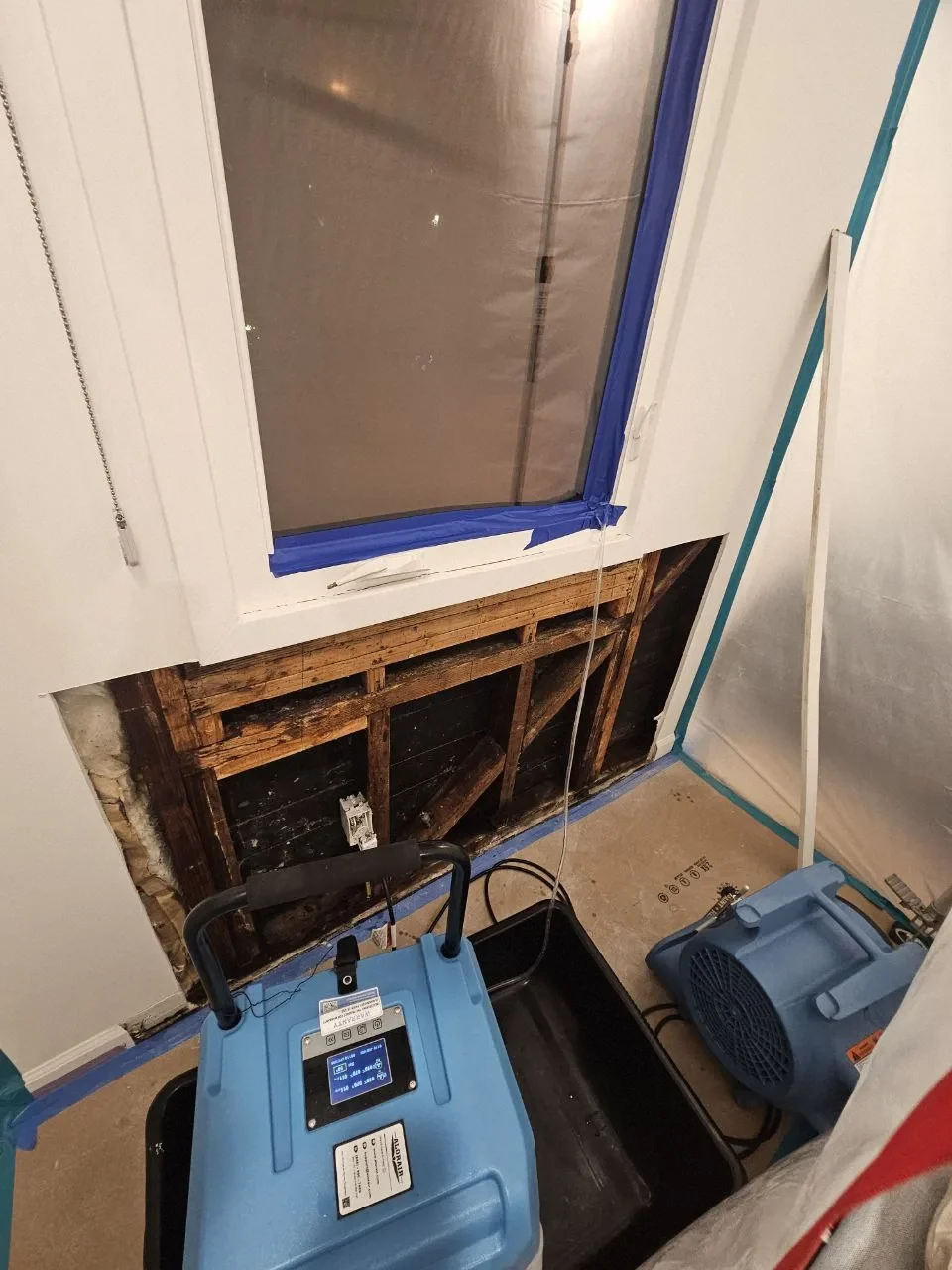
Once conditions permit, the drying plan can address accessible finishes and hidden assemblies. Materials behind a wall or below a floor can remain wet after the surface appears dry. Monitoring helps determine where further attention is needed. If a wall or floor must be opened, agree on the scope and the precautions for suspect materials before demolition.
Menlo Park floodplain and repair decisions
The city advises obtaining a building permit before significant repairs or improvements after a storm. It also states that repairs or improvements greater than 50% of the structure’s value need to meet National Flood Insurance Program requirements. The applicable determination depends on the property, the work and the governing rules; ask the city to evaluate the actual project rather than applying a rough estimate yourself.
Menlo Park describes an elevation certificate as a tool for its floodplain management ordinance and for certain requests to amend or revise a mapped flood designation. An elevation certificate is not a blanket guarantee that a home cannot flood. Before rebuilding, ask whether one is needed for your property and what information the city requires.
The city also explains that mandatory flood insurance purchase requirements can apply to federal or federally related financial assistance for buildings in a Special Flood Hazard Area, including assistance for repair or improvement. Whether that requirement applies depends on the building and financing. Consult the lender, insurer and city about the specific situation; do not assume ordinary homeowners insurance includes outside flooding.
Inspection and drying
After water is removed, the assessment turns to how far moisture traveled and which assemblies can be dried effectively. Equipment placement depends on access, electrical safety and the source of water. The team may need to inspect adjacent spaces or areas below finished flooring. A measurement should be interpreted with the material and conditions in mind rather than treated as an isolated guarantee.
Protect unaffected rooms and coordinate access for occupants, adjusters and repair trades. If an appliance, furnace or other system was submerged, do not energize it to accelerate drying. Arrange for the appropriate professional to inspect it. The restoration team should know about restrictions imposed by officials and any spaces that cannot yet be entered.
Ask how progress will be documented and what conditions indicate that the next repair step can begin. If additional damage is found after a finish is opened, review the change in scope. The original water path, the material’s condition and the ability to clean it all affect the decision.
Records and household coordination
Keep photographs, a list of affected belongings, communications from officials and the findings of contractors together. Record the date the loss was discovered and when each room became inaccessible. Your insurer may ask for a different set of documents depending on the claim. Retain invoices and temporary-housing receipts if relevant, and ask about coverage before making assumptions.
Renters should notify the landlord or manager promptly and provide written details of the water entry and unusable areas. Condominium owners should also involve the association where a shared wall, exterior drainage system or common space may be affected. A photo of a wet finish does not by itself establish ownership of the component or responsibility for repairs.
If more rain is expected, ask a qualified contractor about temporary protection when it is safe. A cover or diversion measure does not eliminate flood risk and should not obstruct evacuation. Monitor current city and county alerts, and make decisions about returning or leaving according to official instructions for the event.
Preparing for repairs
The cleanup and reconstruction scopes should identify who is responsible for source correction, material removal, inspections and the replacement of finishes. Before installing new materials, confirm that the relevant building assemblies are ready and that required work has been reviewed. A permit or inspection may involve the city, a utility or another agency depending on the location and type of work.
Ask for a written explanation of unresolved items. These may include the condition of a concealed wall, whether the exterior drainage path needs professional review or how a shared area will be accessed. A careful sequence helps avoid closing a space while it remains wet or rebuilding before a needed inspection.
Water Damage Guard can discuss cleanup and drying from its San Carlos base. Call (650) 550-0619, 24/7, with the location, current access status and suspected water source. If the property is still subject to an evacuation order or utility hazard, explain that so the assessment can be coordinated after access is safe.
Common questions
Can I enter as soon as floodwater falls?
Return only when authorities say it is safe, and watch for structural, utility and contamination hazards.
Should I pump a flooded basement immediately?
Have the conditions assessed first. Saturated soil and outside water can create pressure on basement walls; coordinate removal with an appropriate professional.
Does Menlo Park require permits after flooding?
The city advises obtaining a building permit before significant repairs or improvements. The exact requirement depends on the project.
What is an elevation certificate used for?
The city describes it as documentation of elevation for floodplain administration and certain map amendment requests. Ask the city whether one is needed for your property.
Does homeowners insurance automatically cover an outside flood?
Do not assume it does. Ask your insurer about the specific policy, cause of loss and any separate flood coverage.
Sources
- Menlo Park floodplain information Checked
- Menlo Park floodplain information Checked