Follow current flood instructions
Palo Alto describes four flood communication stages: Monitoring, Flood Watch, Flood Warning and Evacuation. Conditions and instructions can change quickly. Follow official notices for the event and the particular streets or areas named; a general map does not replace an evacuation instruction.
Do not walk or drive through floodwater. It can conceal a damaged road, debris, sewage or electrical hazards. If you have been told to leave, return only when officials allow access. Stay away from downed lines, unstable trees and a damaged building.
If water is near an electrical panel or appliance, do not enter it to operate a switch. Ask a qualified electrician or the utility to make the power supply safe. Call Water Damage Guard at (650) 550-0619, 24/7, and explain whether access is permitted, where the water entered and which rooms are affected.
What past creek flooding shows
Valley Water’s 2017 flood report records that San Francisquito Creek reached the top of a levee downstream of US-101 on February 7, with flooding near some East Bayshore Road businesses. The report gives a preliminary peak flow of 4,820 cubic feet per second at the Stanford gauge. Those figures describe that event, not the forecast or water depth for a current storm.
Past conditions are useful context when discussing preparedness, but they do not determine whether a specific home is safe. Check the city’s current flood information and the applicable map for the address. Access routes, creek conditions and official guidance can change between storms.
After a flood, wait for safe access before recording the water line, affected rooms and damaged contents. Notify the insurer and describe the observed source. The fact that water reached a building does not by itself establish what a policy covers or which repair standard applies.
When the city cannot pump a home
Palo Alto’s storm FAQ says that, because of resource limitations, the city cannot pump water out of private homes or basements. That statement describes the service in its storm guidance and should be checked against current event instructions. An owner may need to arrange a private assessment once the property is safe.
If the water is below grade, avoid entering it to start a pump or reach an electrical panel. Ask the utility or a qualified electrician to address power safely. A professional should also assess outside water and soil conditions before extraction; removing basement water too quickly can change the pressure on walls.
Explain whether water is still entering and whether it may have passed through a sewer or another contaminated area. A pumping decision should consider the structure, discharge location and safe access. If a tank, pipe or exterior opening remains damaged, removing water inside will not by itself prevent it returning.
Repair approvals after flooding
Palo Alto advises checking with its Development Services Center before building repairs to understand substantial-damage determinations and obtain an emergency permit. The correct process depends on the structure and work. Explain whether the project includes electrical, plumbing, structural or finish repairs and ask which approvals apply.
A cleanup proposal is not the same as permission to rebuild. Coordinate any required inspection with the trades before walls or floors are closed. Keep permit records, contractor findings and photographs together; the city or insurer may need different information for its own decision.
If older paint, insulation or other suspect materials must be disturbed, seek an appropriate evaluation before demolition. The building’s age does not prove what is present in a particular assembly. A qualified professional can advise how the specific material should be handled.
From water removal to drying
The source and route of floodwater influence the cleanup. Water may carry soil, sewage or other contamination into flooring and contents. Tell the team where it entered and whether it remains present. Avoid touching contaminated items and keep people and pets away from the affected area.
Once the building is safe and water removal can proceed, the team assesses the materials affected and any concealed areas needing access. Some porous contents may not be suitable for effective cleaning and drying, while other components may be treatable. Discuss proposed removal and documentation before work begins.
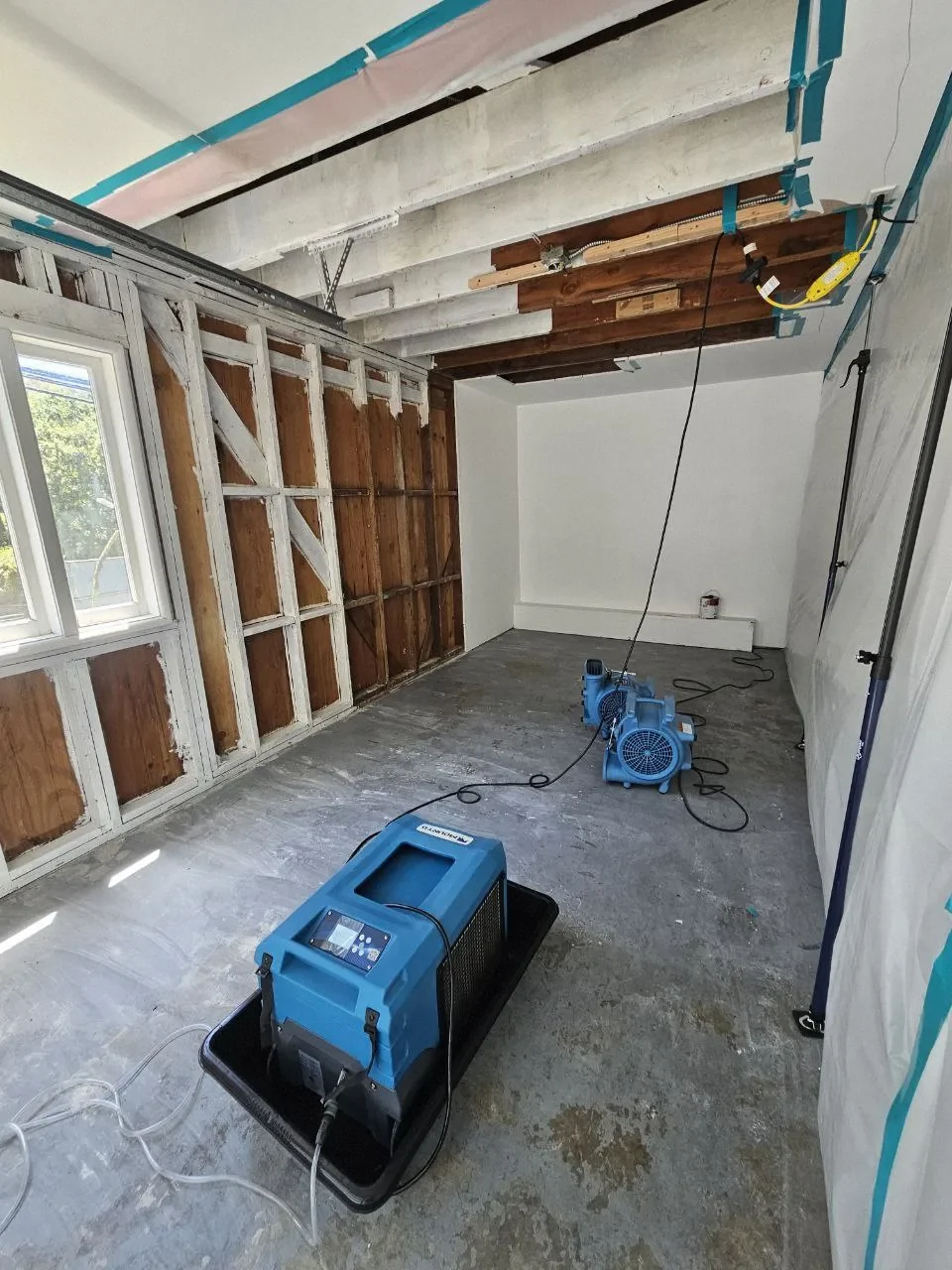
Drying equipment requires safe power and access. Measurements help track conditions, but a dry-looking surface can conceal moisture beneath it. Ask which rooms and assemblies have been checked, how progress will be reported and what must be resolved before reconstruction.
Contents also need individual decisions. A document, an upholstered chair and a hard-surfaced table may have different cleaning and salvage options. Identify valuable or irreplaceable items before they are moved, and ask whether a specialist should evaluate them. Keep potentially contaminated belongings out of unaffected living areas. If an insurer needs an inventory, document items from a safe location and discuss the handling decision before disposal when conditions allow.
Insurance and shared property
Ask the insurer how the policy treats the reported source of water and what documentation is needed. Outside flooding can be treated differently from an interior plumbing leak. Keep photographs, a contents list, contractor reports and invoices. Coverage depends on the policy and the facts of the loss.
If you rent, notify the landlord or manager promptly and describe any rooms that cannot be used. In a shared building, access to a common wall or system may require coordination with an association or another occupant. A visible stain does not decide who owns the component or who pays for repair.
For temporary accommodation, record dates and receipts and ask the insurer or housing adviser what information is relevant. Do not return to a restricted area simply to recover belongings. Arrange a safe time and route with the person responsible for access.
Planning the handoff
The restoration scope should identify who controls the water source, which materials will be treated or removed and whether a separate building or utility contractor is needed. If a roof or window still admits rain, ask a qualified contractor about temporary protection when conditions are safe.
Before finishes are replaced, verify the source correction and coordinate required inspections. If hidden damage appears after material is opened, review the finding and the proposed change. A documented sequence helps the owner understand which work is complete and which decisions remain.
Water Damage Guard provides flood cleanup from San Carlos. Call (650) 550-0619 at any hour to discuss the situation. If the property remains unsafe or subject to an evacuation order, explain that restriction so the next step can be coordinated after officials permit entry.
If several parties are working at the property, agree who will tell the others when utility hazards have been resolved, source repairs are complete and inspections are scheduled. A plumber’s report about a pipe and a restoration report about wet materials answer different questions. Retaining both helps the owner avoid closing an assembly before all required work has been coordinated.
Agree on a safe access route for occupants and contractors while equipment is operating. Keep children and pets away from affected areas, and revise the plan if officials or the professionals on site identify a new hazard.
Common questions
What are Palo Alto’s flood communication stages?
The city describes Monitoring, Flood Watch, Flood Warning and Evacuation. Follow the current event instructions.
Can the city pump a flooded basement?
Its storm FAQ says the city cannot pump private homes or basements because of resource limitations. Check current event information.
Should I pump a basement immediately?
Have outside water, structural and electrical conditions assessed first. Do not enter standing water to operate a pump.
Should I contact the city before repairs?
Palo Alto advises checking with Development Services about substantial-damage determinations and an emergency permit before building repairs.
Does a past creek flood predict my home’s outcome?
No. A historical report describes that event; use current official information and assess the particular property.