Keep people out of the water
Floodwater can conceal sharp debris, open drains and electrical hazards. Stay out of standing water, keep children and pets away, and do not touch wet electrical equipment. If water is near a panel or wiring, leave it alone and contact the utility or a qualified electrician. If you cannot leave safely or anyone is in immediate danger, call 911. Return only when the authorities responsible for the area say it is safe.
Floodwater may have carried soil, waste or chemicals into a property. Avoid tracking it into unaffected rooms and do not use a household vacuum to remove it. Identify a dry place for people and essential belongings if one is available without entering the affected area. Take photographs from a safe position. Record the time and apparent water source, but do not try to identify the contaminant by sight or smell.
Water Damage Guard serves Foster City and accepts calls 24/7 at (650) 550-0619. Explain whether water is still entering, which spaces are affected and whether anyone has declared the building unsafe. The safest response depends on conditions at the property; a phone conversation cannot establish that a flooded room is safe to enter.
Foster City flood information
On September 11, 2026, Foster City reported that FEMA reaccredited its levee and removed the temporary seclusion note from the city’s Zone X designation. The city directs residents to FEMA’s Flood Map Service Center to look up the applicable letter of map revision by address. A designation should be read with the actual map and current documents; it is not a promise that a home cannot flood.
The city says that crews clear storm-drain catch basins and sanitary sewer lines as part of winter preparation. If public water is creating a non-life-threatening flood emergency, the city lists its Police Department business line for that purpose. Provide the location and describe what is happening without entering moving or standing water to investigate. For an immediate threat to life, call 911.
Public maintenance and property cleanup solve different problems. A municipal crew may deal with a public drain while the owner, manager and their contractors address water inside a building. Photograph what is visible from a safe place and keep the report number or the time of your call. Do not assume where the obstruction is or who is responsible until the responsible parties have investigated.
What an assessment needs to establish
Once the building has been cleared for entry, the inspection starts with the apparent route of entry and the extent of affected rooms. Water can move through door openings, wall cavities, flooring edges and penetrations. The visible waterline is useful evidence, but it does not by itself show how far moisture traveled or what is underneath a finished surface. The assessment should distinguish observed conditions from areas that could not yet be accessed.
Tell the restoration team if the water was from a street, a sewer backup, a leaking supply or an unknown source. Flood cleanup can require a different approach from a clean-water leak because outdoor water can carry contaminants. Explain how long water was present and whether it touched stored chemicals, insulation, furnishings or mechanical equipment. These details help determine what additional evaluation and protection may be needed.
An inspection also needs a plan for people and contents. Identify medications, documents and essential equipment that may need attention, but do not retrieve items until access is safe. A wet object’s value, material and exposure all affect what can be done with it. Keep a list and photographs for your records; ask the insurer about documentation before disposing of valuable or disputed items where practical.
Removal, cleaning and drying
Water removal is only one part of the job. After standing water is removed, residues and moisture may remain on surfaces and in materials. The cleanup approach depends on the source and the items affected. Porous materials exposed to contaminated water may need different treatment from hard, cleanable surfaces. An inspection can identify which materials are accessible, which need removal for safe cleaning and where further evaluation is required.
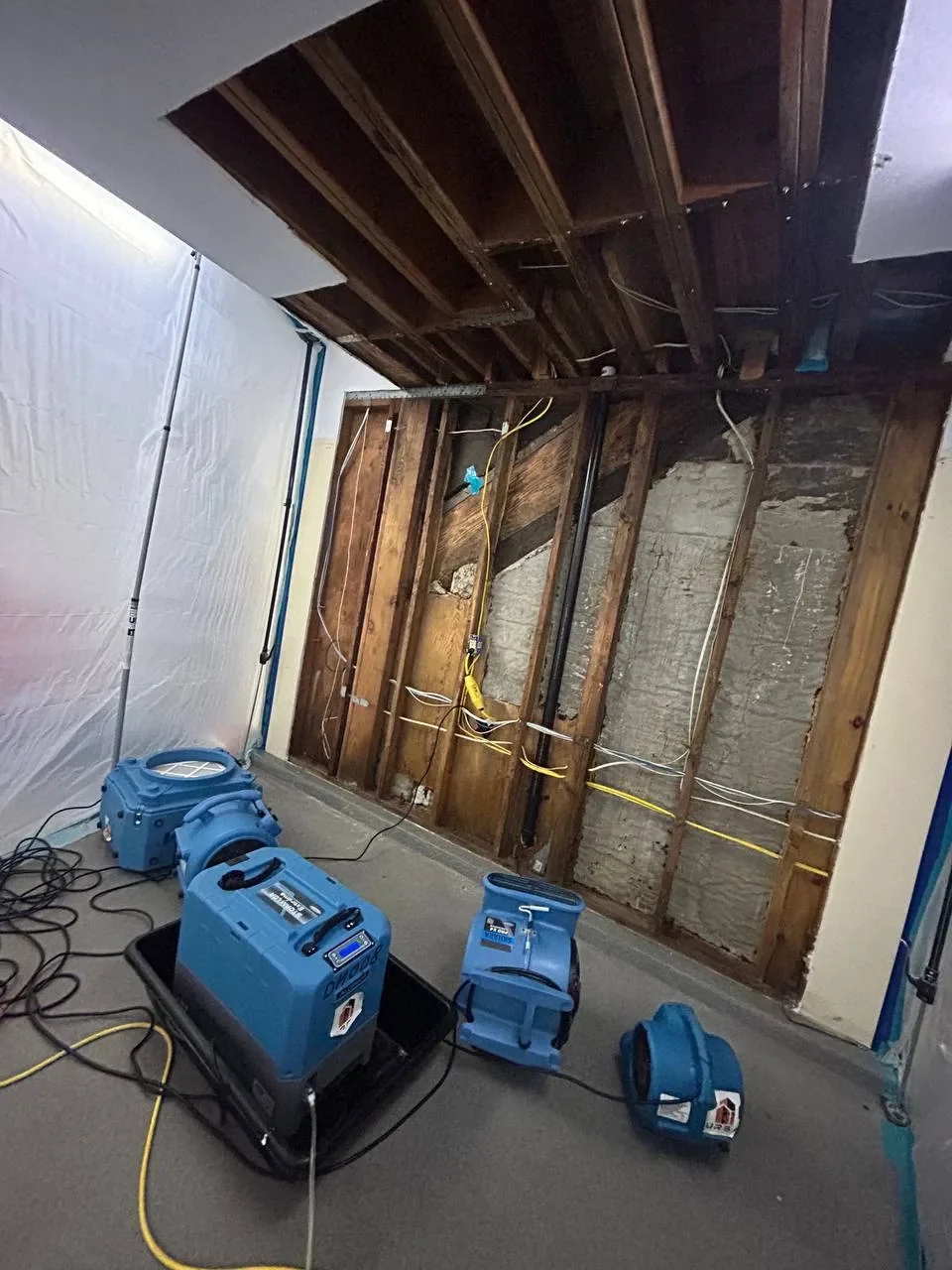
Drying equipment must be placed with the building’s electrical condition and the affected materials in mind. Air movement and dehumidification can support drying after hazards and contamination are addressed, but equipment should not be used as a substitute for correcting the source or cleaning affected surfaces. Monitoring helps establish whether conditions are improving and whether concealed areas need additional attention.
Do not reconnect or operate appliances that have been under water simply because their exterior looks dry. Have the appropriate qualified professional assess electrical or fuel-burning equipment before use. If a floor, wall or ceiling is unstable, stay clear and arrange an evaluation. The work sequence should reflect the condition found at the site rather than a fixed timetable.
Documents, insurance and shared buildings
Keep a simple record: when water was first noticed, when the source stopped, the rooms involved and the names or roles of the people notified. Photograph the damage and affected belongings from a safe position. Save receipts and reports. If you have insurance, notify the carrier and ask what evidence and approvals it requires. Coverage and deductibles depend on the policy; a restoration company cannot decide them.
If you rent, notify the owner or manager in writing and keep a copy. In a condominium or apartment, ask who controls access to shared spaces and adjacent units. Water can enter one unit and be visible in another, so coordinating access early helps determine the actual route. Do not presume that the location of the stain establishes responsibility for the failure.
If part of the home cannot be used, ask the insurer and property manager how temporary arrangements should be documented. Separate the list of damaged personal items from the building repair scope. For shared areas, keep a timeline of notices and access so that each party can understand what was inspected and what still needs a decision.
Before repair work is closed up
Once cleanup and drying have progressed, a repair plan can address the affected finishes and any other work identified during inspection. Ask what is being replaced and why, which areas remain inaccessible, and whether a follow-up inspection is needed. A newly painted surface does not show whether the material behind it was cleaned and dried. Preserve the assessment and any moisture records with the rest of the project documents.
If a repair changes plumbing, electrical components or other building work, ask the Foster City Building Division about the proposed scope and any required permits or inspections before work is concealed. Requirements vary with the actual project. Coordinate with the property owner and the relevant trade rather than assuming a cleanup company can authorize work on another person’s property.
For help assessing flood damage in Foster City, call Water Damage Guard at (650) 550-0619. We can discuss the affected area, the reported water source and the next step. The company accepts calls 24/7; immediate life safety and public emergency response remain the responsibility of emergency services.
Common questions
Is a Zone X property guaranteed to stay dry?
No. Check the current FEMA map for the address and consider other pathways, including local drainage and plumbing. A map designation is not a guarantee against water damage.
Can I walk through floodwater to turn off power?
Do not enter standing water to reach electrical equipment. Leave the area and ask the utility or a qualified electrician to make the electrical system safe.
Who handles a public flooding report?
Foster City lists its Police Department business line for non-life-threatening flood emergencies. Call 911 for an immediate threat to life.
Does removing standing water finish the job?
No. Cleanup, inspection and drying may still be needed for affected materials and concealed spaces. The appropriate work depends on the water source and observed conditions.
Should I discard wet belongings immediately?
Keep people safe first. When practical, photograph and list affected items and ask the insurer about documentation before disposal. Do not enter an unsafe area to retrieve them.
Sources
- Foster City official source Checked
- Foster City official source Checked
- CDC electrical hazards Checked
- CDC floodwater safety Checked