Stay away from floodwater
Floodwater may conceal damaged flooring, debris, open drains or energized equipment. Do not walk or drive through it, and do not enter standing water to reach a switch. Move people and pets away from the affected area and follow evacuation or access instructions. If life is in immediate danger, call 911.
Once authorities allow access, describe where water entered, where it traveled and whether it remains inside. Outdoor water can carry sediment and other contaminants, even if it appears clear. A water line break, creek overflow and sewer backup are different events; do not assume a cleanup method until the source and affected materials have been assessed.
Water Damage Guard provides flood cleanup from its San Carlos base. Call (650) 550-0619, 24/7, to discuss the affected Morgan Hill property. Tell the team about restricted access, utility shutoffs and visible damage. A phone call does not determine that a building is safe or establish the full scope of the work.
Upper Llagas Creek and project timing
Valley Water describes the Upper Llagas Creek project as diverting high flows near Wright and Hale avenues into a tunnel that rejoins the creek downstream at Ciolino Avenue. This is a description of the project route, not a prediction of water depth at a particular property. Conditions at an address depend on local drainage, the storm and the current state of the system.
The district’s 2026 update schedules the final project phase for spring 2027. A scheduled completion date can change, and the existence of a project does not by itself alter an individual property’s insurance or flood-map status. Check the district’s latest project information when making a decision.
After completion, Valley Water plans to submit a map revision request to FEMA for review and certification. A request is not an approved map change. Owners should consult the current official map for their address and ask the appropriate agency or insurance adviser how a designation applies.
The 2017 creek record
For the January 2017 event, Valley Water recorded a preliminary peak of 350 cubic feet per second at the West Little Llagas Creek gauge at Edmundson Avenue. The number describes flow at that gauge during that historical event. It does not establish the flood depth at a home, the probability of a similar event this year or the performance of later improvements.
When discussing a property with an agency or insurer, identify the address, date and observed entry point. A neighborhood description or an old flood report can provide context but does not replace a current parcel-level review. If water crossed a road or yard, explain the direction and approximate time without claiming a specific source that has not been established.
After the water recedes
Wait for the building to be safe to enter. Look from a safe location for a high-water mark, damaged access routes and obvious debris. Photograph affected areas and contents if doing so does not expose anyone to water, unstable materials or electrical hazards. Record when the water was first noticed and whether it entered through a doorway, fixture or another opening.
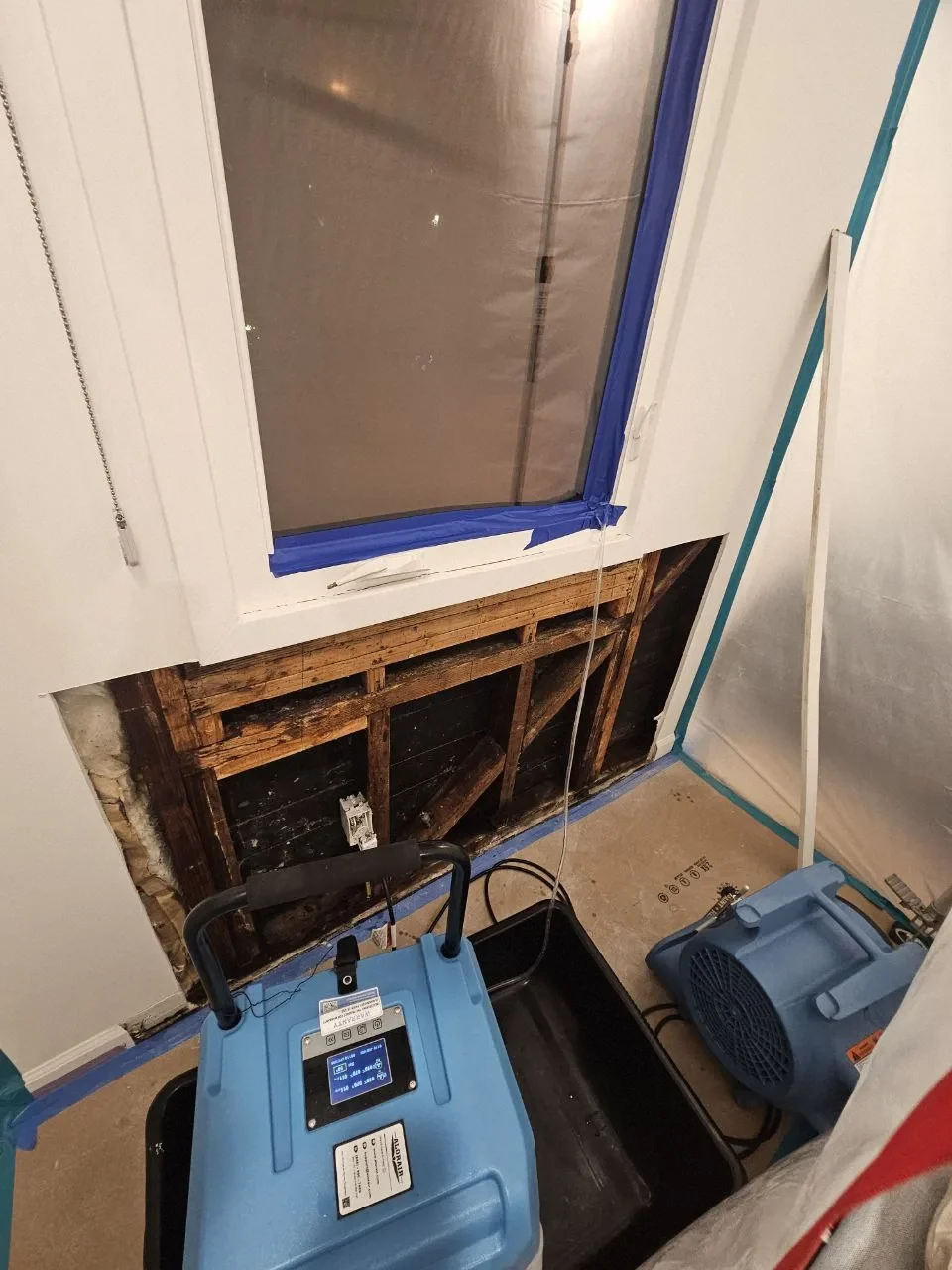
A professional assessment should consider the material that was wet, the water source and how long the exposure lasted. Floodwater can affect flooring, lower walls, insulation, cabinets and belongings at different levels. A surface that has dried visually may still conceal moisture. The team should explain what can be inspected, what may need removal and how the affected area will be separated from clean rooms.
If utility service has been interrupted or equipment was underwater, follow the utility and building officials’ directions before operating it. Do not restart a damaged furnace, appliance or electrical system merely because the water level has fallen. The appropriate trade should assess the equipment and explain the next step.
Contents and contamination
Items exposed to outdoor floodwater need decisions based on their material and condition. Hard surfaces and porous belongings do not necessarily respond to the same cleaning process. Ask how contents will be inventoried and whether a specialist should evaluate documents, electronics or other items. Avoid carrying contaminated objects through unaffected rooms without a plan.
If an insurer is involved, ask what photographs, lists or other records are needed before disposal when it is safe to wait. Record the item, location and observed condition. Do not represent an estimated replacement cost or insurance recovery as a guaranteed payment. The policy and the insurer’s review determine coverage.
Cleanup should address sediment and contamination as well as moisture. A fan or a fragrance alone is not an assessment of the materials beneath a floor or behind a cabinet. Discuss containment, cleaning, removal and drying in the order appropriate to the conditions found.
Coordinate drainage and repair
A public flood-control project, a street drain and a private building have different owners and maintenance responsibilities. Report what you observed to the responsible agency, and ask a qualified professional to investigate the building’s entry path. A report to an agency does not automatically dry or repair an affected room.
If the repair involves replacing plumbing, opening a structural assembly or working in the public right of way, ask the city which permits and inspections apply to that scope. Obtain the trade’s written diagnosis and keep any permit information with the restoration record. If additional damage is discovered after materials are removed, discuss the revised work before covering it.
For a rental or shared property, notify the owner or manager and identify the affected units or common areas. Keep a written record of requests, access arrangements and notices. The relevant agreements and rules determine responsibilities; a restoration assessment cannot decide them from a photograph.
Prepare for the next storm
When conditions are safe, consider how water approaches low openings and whether gutters, downspouts and drains are functioning. An address-specific flood map can inform a conversation with the city or insurer, but it does not reveal every possible entry path. A professional can evaluate a recurring drainage problem and propose work suited to the property.
Keep important records accessible and review insurance questions before another event. Ask what types of flooding, sewer backup or temporary expenses a policy addresses; exclusions and endorsements vary. Do not wait in a dangerous location to protect belongings. Emergency instructions take priority over an inventory.
After restoration, retain photographs, inspection records, the source-repair description and invoices. If a similar problem happens again, those records can help a professional compare observations. They do not eliminate the need to investigate the new event or establish that its cause is identical.
Questions for the cleanup team
Ask what areas were inspected and what remains inaccessible. Request an explanation of proposed removal, cleaning and drying, including how clean areas will be protected. If work depends on a plumber, electrician or building inspector, ask who will coordinate the sequence and who will inform you when the scope changes.
Before reconstruction, ask how the affected materials will be checked and which records will be provided. Clarify how contents will be handled and how you will be notified if concealed damage is found. A clear description of the next decision is more useful than assuming all properties will follow the same timeline.
For flood-map or project questions, use the current agency information and the actual address. For a damaged room, use a current assessment of the building. Keeping those questions distinct helps avoid treating a regional project or historical event as a diagnosis of the property.
Common questions
Can I walk through shallow floodwater?
Avoid entering floodwater; it can conceal electrical hazards, debris and damaged surfaces.
Does the Upper Llagas project guarantee an address is outside a flood zone?
No. A map revision is a separate process. Check the current official map for the address.
Was the final project phase complete in the 2026 update?
The district’s update scheduled the final phase for spring 2027; verify its current status.
Can a historical gauge reading establish water depth in my home?
No. A creek flow measurement describes conditions at the gauge, not the depth at an individual building.
Should wet electrical equipment be restarted?
Do not operate damaged or wet equipment until the appropriate professional or utility has assessed it.