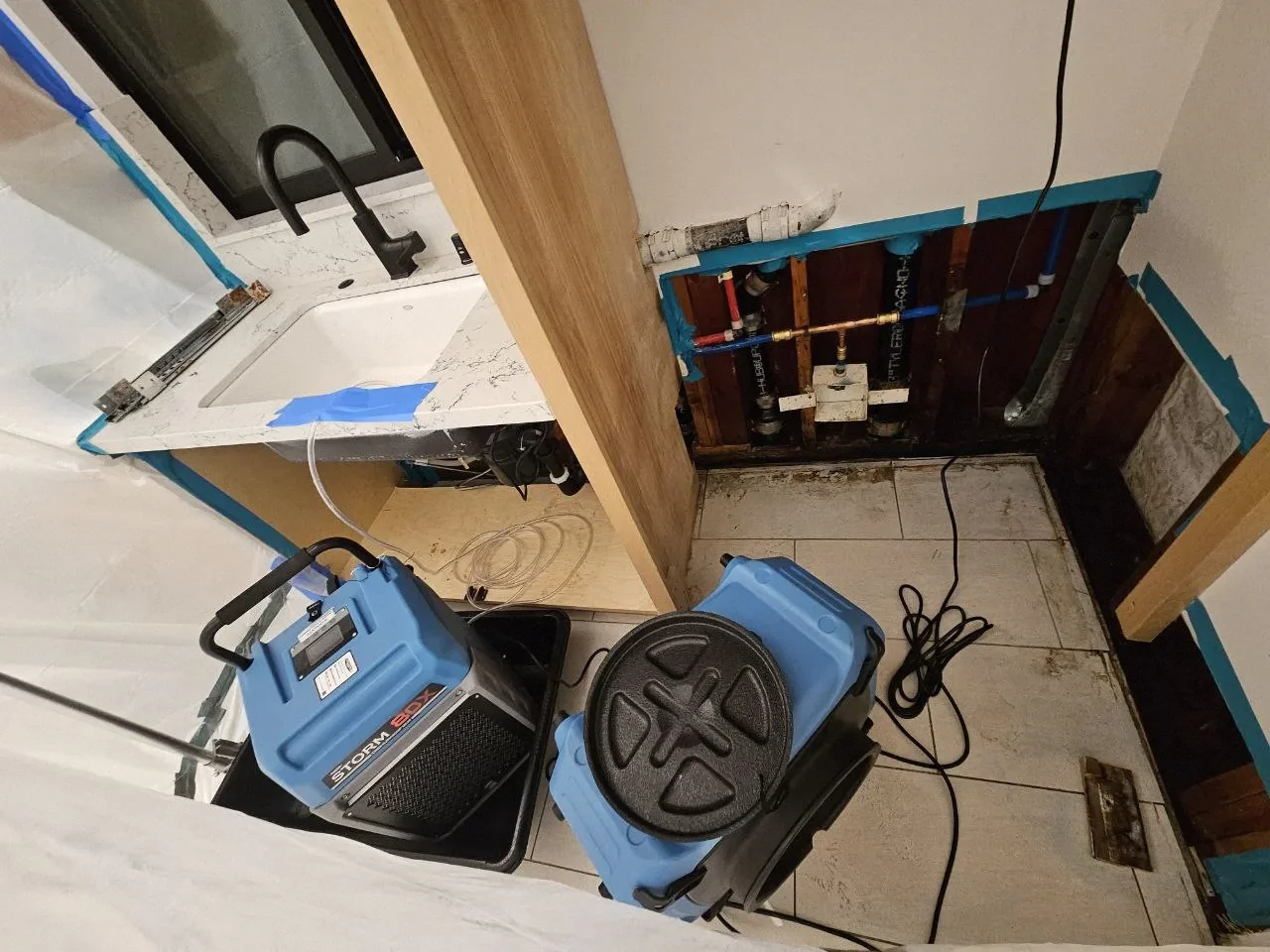
Start with a safe assessment
If water is moving through the building, move people and pets away from it. Close a fixture shutoff only if you can reach it without entering water or touching wet electrical equipment. Do not enter standing water to reach a switch, and do not stand beneath a ceiling that is sagging. A plumber or utility can address the source; a restoration assessment considers where water went and which materials it reached.
Photographs and a short timeline can help when conditions are safe enough to document. Record the first visible location, whether the water is still flowing, and any rooms or contents affected. Avoid assuming that water is clean merely because it looks clear. A toilet backup, stormwater across a threshold and a supply line leak call for different handling. If a building official or emergency responder has restricted access, follow that direction before returning.
Water Damage Guard is based in San Carlos and accepts calls around the clock at (650) 550-0619. Explain what is known, what remains uncertain, and whether a utility or plumber has been contacted. The purpose of the first conversation is to identify next steps; the scope of drying and repair depends on what inspection reveals.
Know who to contact
Morgan Hill lists its Utility Services Corporation Yard at (408) 776-7333 during weekday business hours. For questions about private sewer lateral inspections at property sale, the city identifies Environmental Services at (669) 253-4332. A report about a public system and a repair to an owner’s private pipe are different matters, so describe the address and symptoms instead of assuming where the blockage or break is located.
The Building and Fire Prevention division lists (408) 778-6480 for permit questions. Valley Water’s Community Projects Review Unit lists (408) 630-2650 for flood mapping questions. Give the agency the precise property address and ask how its information applies to your work. For an immediate threat to life, call 911. Contact information is useful for routing a question; it does not establish the cause of an individual loss.
Private sewer laterals and property sales
Morgan Hill requires applicable utility inspections before a property sale, including a private sewer lateral inspection by a city-qualified contractor. Exemptions and property-specific details matter; a seller should review the city’s current instructions before arranging the transaction. A lateral inspection is different from tracing a sudden backup inside an occupied house. The city’s program addresses the condition and compliance of the private connection, while the immediate response begins with locating and stopping the backup.
The city identifies the owner as responsible for the sewer line from the building exterior to the public main, including the connection. That responsibility reaches beyond the visible edge of a yard. Before deciding who should excavate or how the pipe should be repaired, establish where the defect is, ask about access, and obtain the required approvals. Keep any inspection video, test result and repair permit with the property records.
Permits depend on the work
Morgan Hill says repairs or alterations to an existing building generally require a permit, subject to listed exemptions. For a private-property sewer lateral repair it identifies a plumbing permit; work in the public right of way also requires an encroachment permit. These are separate decisions: an urgent cleanup does not automatically determine the permit needed for later pipe or building work.
Give the building division a description of the proposed scope, including whether it affects framing, electrical systems, plumbing, a wall assembly or the street. Drying a surface, removing damaged material and reconstructing a wall are not interchangeable descriptions. The city can explain which approvals and inspections apply. If opening a wall reveals more damage, discuss the revised work before covering it; retain the scope, permit and inspection records for the owner and insurer.
Creek flooding has a documented local history
Valley Water’s report on the January 2017 storms documents West Little Llagas Creek overflowing near Llagas Road and flooding observed on Main Street in Morgan Hill. That is a historical account of a particular storm, not proof that any other address flooded or will flood. The location, drainage route, intensity of rain and changes made since the event all matter when assessing a specific property.
The district reports that Phase 2A of the Upper Llagas Creek flood protection project was completed in August 2024 and included a 2,300-foot downtown Morgan Hill tunnel. Project work and flood-map changes are separate processes. Do not assume an address has been removed from a mapped flood zone because a project phase was completed. Check the current official map for the parcel and ask the district about the meaning of the designation.
Prepare before rain and document after it
Valley Water lists a seasonal sandbag location at 171 West Edmundson Avenue in Morgan Hill, generally from November 1 through April 15, subject to weather and supply. Confirm availability before leaving. Sandbags can be part of preparation, but they do not replace an evacuation order or make a flooded route safe to cross. Owners should consider where runoff approaches doors, low openings and drains before the storm rather than moving materials during hazardous conditions.
After water recedes, distinguish the source of entry from the damage found indoors. A public drainage concern may need a report to the relevant agency, while wet cabinets, insulation and flooring require a separate assessment. Photograph a high-water mark and affected belongings only when safe. Floodwater may carry contaminants, and concealed materials may remain wet after the visible surface changes color or feels dry.
Wildfire zones and the property
Morgan Hill published a 2025 fire hazard severity map identifying changes to Very High zones and the addition of High zones. A map is a starting point for an address-specific question, not a statement that every property in the city has the same designation. The city notes that designated hazard zones can affect construction requirements. Ask the city to identify the applicable zone and standards before planning exterior work or reconstruction.
The city’s records identify Jackson Oaks as a Morgan Hill neighborhood. A neighborhood name helps describe a service area but does not establish a particular parcel’s fire zone, flood designation or exposure. Use the actual address for agency map checks. When smoke or firefighting water has affected a building, document both conditions and ask what must be inspected before repair materials cover the affected assembly.
What a restoration assessment considers
A careful assessment follows the path of the water instead of treating each visible stain as an isolated problem. The affected floor may meet a wall, cabinet base, door casing or adjacent room. Measurements and inspection help identify where drying is needed and where material may need removal. The underlying leak or entry route must also be corrected; replacing a finish while the source remains active can recreate the same problem.
The type of water and the length of exposure affect the handling plan. A failed supply line may wet drywall and flooring; a sewer overflow can introduce waste; an outdoor flood can carry sediment. Each condition requires a separate assessment rather than a promise that all items can be saved. Discuss contents, safe access, source repair and the evidence needed by an insurer before authorizing reconstruction.
Keep the decisions understandable: what was wet, what was inspected, what is being dried, what is proposed for removal and why. Ask when further assessment is needed and who will coordinate any plumbing, electrical or building-permit work. If a renter is involved, notify the owner or manager promptly and keep a written record of the report and any agreed access.
Different damage calls for different work
A hidden pipe leak may require a plumbing diagnosis before a restoration team can determine whether the surrounding cavity is still receiving water. A flood can affect low entries and contents, while a backup may spread through fixtures connected to the same drain. A fire can leave both smoke residue and water used during suppression. These situations overlap in the need to protect people and assess materials, but they do not have identical cleanup steps.
For mold concerns, focus on the underlying moisture as well as the visible condition. A stain alone cannot identify a species or establish the size of the affected area behind a surface. Record where moisture was seen and when the source was repaired, then discuss a suitable inspection and scope. Residents with health concerns can consult a qualified health professional rather than relying on an online description as a diagnosis.
For a sewer backup, avoid using connected plumbing until the cause is understood. For stormwater, never walk or drive through moving or standing water. In either case, prevent children and pets from entering the affected area, and let the appropriate professional explain how contents and surfaces will be evaluated.
Plan the work around the property
Consider access before equipment or repairs begin. A narrow route, a shared building entrance or an occupied room changes how work can be arranged. Identify a safe place for belongings and discuss whether a room must remain unavailable. If utilities have been shut off or a building has been posted as unsafe, wait for the responsible authority to determine what is needed for safe access and restoration.
For an owner, a useful file contains photographs, the date the source was stopped, communications with the insurer, moisture or inspection records, and any invoices and permits. A tenant should preserve notices and repair requests as well. These records are not a guarantee of coverage or reimbursement, but they can make it easier to explain what happened and distinguish emergency stabilization from later reconstruction.
Before work closes an assembly, confirm how the source was repaired and whether required inspections have been completed. Ask for a plain-language description of remaining work, any limitations and who is responsible for scheduling it. The goal is a durable repair appropriate to the actual conditions, not simply a dry-looking surface.
Common questions
Who handles a private sewer lateral in Morgan Hill?
The city identifies the owner as responsible from the building exterior to the public main, including the connection. Ask the city about permits and the property-specific situation.
Does every water damage repair need the same permit?
No. Morgan Hill generally requires permits for repairs or alterations, subject to exemptions. Describe the actual scope to Building and Fire Prevention.
Did the Upper Llagas project remove every property from a flood zone?
Do not assume that. Valley Water reports a completed project phase, but map designations must be checked for the specific address.
Where can I find sandbags?
Valley Water lists a seasonal Morgan Hill site at 171 West Edmundson Avenue, subject to weather and supply. Verify current availability first.
Can I enter after a flood or fire?
Follow instructions from responders and building officials. Avoid floodwater and wet electrical equipment, and wait for a safe access determination when one is required.
Sources
- Morgan Hill utility inspections at property sale Checked
- Morgan Hill permit requirements Checked
- Valley Water 2017 flood report Checked
- Upper Llagas Creek project update Checked
- Valley Water sandbag locations Checked
- Morgan Hill fire hazard severity maps Checked
- Morgan Hill Utility Services Checked
- Morgan Hill Building and Fire Prevention Checked
- Valley Water flood map questions Checked
- Morgan Hill Jackson Oaks project specification Checked