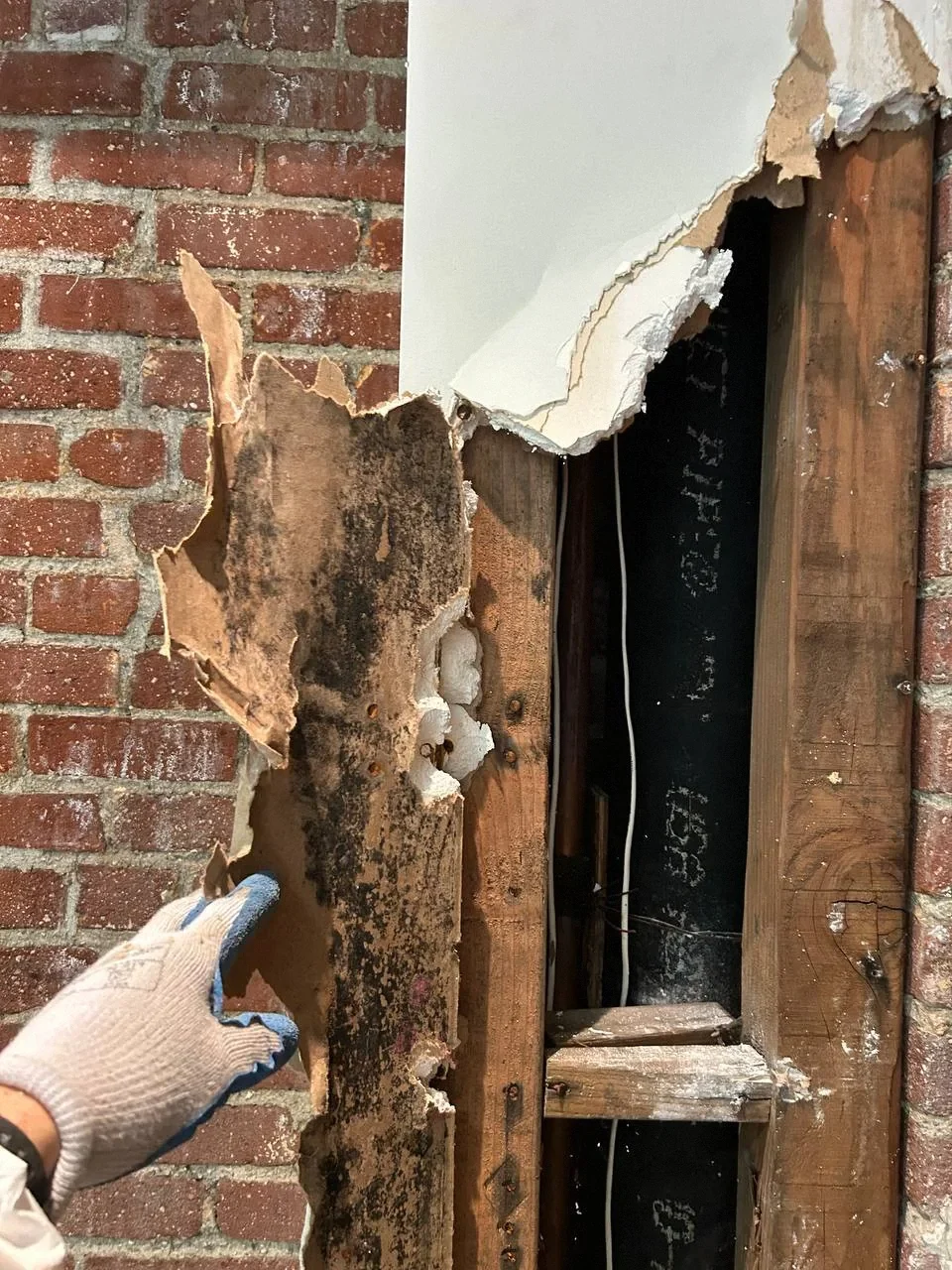
Begin with the moisture source
Visible growth, a persistent damp odor or staining after a leak warrants a closer look at the moisture problem. Do not assume the color identifies a species or tells you how much material is affected behind a surface. Record when the area became wet, whether the leak is still active, and which rooms or contents are involved. Avoid disturbing suspect material while the situation is being assessed.
If water is still entering, arrange for the source to be stopped safely. It could be a supply line, roof, window, appliance or drainage issue; each calls for its own diagnosis. Keep children and pets away from the affected area. Do not enter standing water to reach electrical equipment. If the conditions present an immediate threat, leave the area and call emergency services.
Water Damage Guard is based in San Carlos and accepts calls at (650) 550-0619 around the clock. Explain the known moisture history and any access restrictions. An assessment should distinguish observed conditions from an unconfirmed cause and identify the next practical step instead of promising a result before the property is examined.
Local housing and reporting options
Morgan Hill’s adopted 2023 Housing Element identifies mold among habitability concerns addressed through building code compliance. That statement describes the city’s housing framework; it is not a finding that a particular dwelling has a violation. Tenants should tell the owner or manager about moisture and preserve the date and wording of the request. Photographs can be useful when taken safely.
The city offers a code-compliance complaint form for building issues and says damaged structures and unsafe situations are prioritized according to severity. Describe the observable water entry, affected location and previous repair requests. Do not assume a complaint guarantees a particular inspection time, testing method or outcome. The city determines its own response based on the circumstances.
In a Morgan Hill community engagement summary, some participants reported that renters feared rent increases if they reported mold or maintenance issues. The summary documents those participants’ concerns, not the frequency of mold or retaliation throughout the city. A written timeline can help a renter explain the situation and seek appropriate housing advice without assuming the outcome.
Assistance for qualifying homeowners
Morgan Hill’s Housing Rehabilitation Program lists roof, gutter and plumbing repairs among eligible work. For qualifying low-income senior and/or disabled owner-occupants, the city also lists serious water leaks among possible uninsured emergency repairs. Eligibility and available assistance depend on the program’s current conditions; the listing is not a promise to pay for mold remediation or a particular contractor.
Before arranging non-emergency work with the expectation of program support, contact the city to ask about the application process, eligibility, current funding and eligible scope. Explain the active moisture source and the proposed repair separately from any cleanup. Keep the written decision and estimates. The program’s requirements may differ from an insurance policy or a private repair agreement.
What an assessment should establish
The useful question is not just whether an area looks stained. A practical assessment considers where moisture came from, whether it is continuing, what materials became wet and whether adjacent areas may also have been affected. Walls, cabinets and flooring can conceal damage; the decision to open an assembly should take account of the building and the conditions found.
Ask for a description of the area to be assessed and how observations will be recorded. If a leak is repaired before an assessment, keep the plumber’s or roofer’s record. The location and timing can help distinguish a continuing issue from a historical mark. A moisture reading is informative, but it does not by itself identify mold species or establish a medical diagnosis.
If specialized testing is proposed, ask what question it will answer and how the result would change the work. EPA notes that visible mold generally needs attention without routine sampling. A health concern should be discussed with a qualified health professional. Do not rely on an online description to decide whether symptoms are caused by a building.
Plan containment and removal
The cleanup plan should consider the size and location of the affected area, the occupants, and how workers and materials will move through the building. Disturbing affected material without appropriate controls can spread dust to other rooms. Discuss the proposed work boundary, protection of clean areas and handling of contents before removal begins.
Porous material that has been extensively affected may not respond like a hard, cleanable surface. An assessment should explain why a material is being cleaned, removed or referred for further evaluation. Do not treat painting over a damp or contaminated surface as a substitute for fixing the moisture source. If concealed damage changes the scope, ask for the revised findings and work description.
Cleaners, disinfectants and other products have different uses and limitations. Never mix chemicals. An odor-masking product does not identify a leak, and a surface that looks dry may conceal wet material. The people doing the work should explain the proposed method and any access restrictions relevant to occupants.
Drying and repair are connected
Once the leak has been controlled, remaining moisture needs an appropriate drying plan. Flooring, insulation and wall cavities can retain water after a visible surface has dried. The work should follow the path of moisture and consider material condition, rather than relying on a fixed drying time for every building.
Before finishes are replaced, ask how the source repair and affected materials were checked. If plumbing, structural, electrical or other work is proposed, identify who will determine the required permit and inspection. Keep the records with the assessment, photographs and invoices. A future owner or property manager may need to understand where the leak occurred and what was done.
When the work is complete, ongoing prevention depends on correcting the cause. Watch for renewed leakage, drainage problems or condensation at the same location and report a recurrence promptly. A recurring wet area should be investigated on its own facts instead of assuming a previous cleanup failed or that the source is unchanged.
Make decisions about belongings and occupancy
Contents differ in material, value and exposure. A hard item that can be cleaned may be handled differently from a water-damaged porous item. Ask how the assessment will document contents and which items should be separated pending a decision. Photograph belongings only when the area can be entered safely; do not carry damp or contaminated items through clean spaces without discussing a route.
An occupant may need a room kept out of use during some work. Ask the owner or manager about access, essential services and the planned schedule, and keep written notices. A contractor should not promise that an insurer will reimburse temporary accommodation or that a particular legal remedy applies to every tenancy. Those questions depend on the policy and circumstances.
If the property has shared walls or multiple units, tell the person coordinating the building about adjacent damp areas. Water may travel beyond the first visible mark. The point is to investigate the actual affected area, not to assume that every neighboring room is contaminated.
Questions to ask before authorizing work
Ask what evidence supports the proposed scope, what must happen to stop moisture, which materials are affected and how clean areas will be protected. If the source has not been located, ask how the investigation will proceed and when the plan will be revisited. Obtain a written explanation of work proposed by each trade.
Ask how the team will handle a discovery behind a wall or under a floor, and who will communicate changes. Confirm whether an independent assessment, a permit or a specialist is appropriate for the work described. The answer will depend on the property and the scope; no single checklist replaces an on-site assessment.
At the end of the job, retain the source-repair documentation, assessment, any applicable permit and a description of the completed work. A concise record helps an owner or tenant explain the history if a related problem appears later.
Common questions
Does visible mold reveal the size of hidden damage?
No. A visible mark does not establish how far moisture or growth extends behind a surface. The affected area needs assessment.
Should the leak be repaired first?
The moisture source needs to be controlled as part of a successful response. The order and scope depend on safe access and the actual conditions.
Does Morgan Hill offer repair assistance?
The city lists qualifying roof, gutter and plumbing repairs through its Housing Rehabilitation Program for eligible households; check the current rules and funding.
Can a tenant report a building concern?
The city provides a code-compliance complaint form. Describe the condition and prior communications; the city determines its response.
Does testing diagnose a health condition?
No. Questions about symptoms belong with a qualified health professional. Testing, if considered, should answer a specific property question.