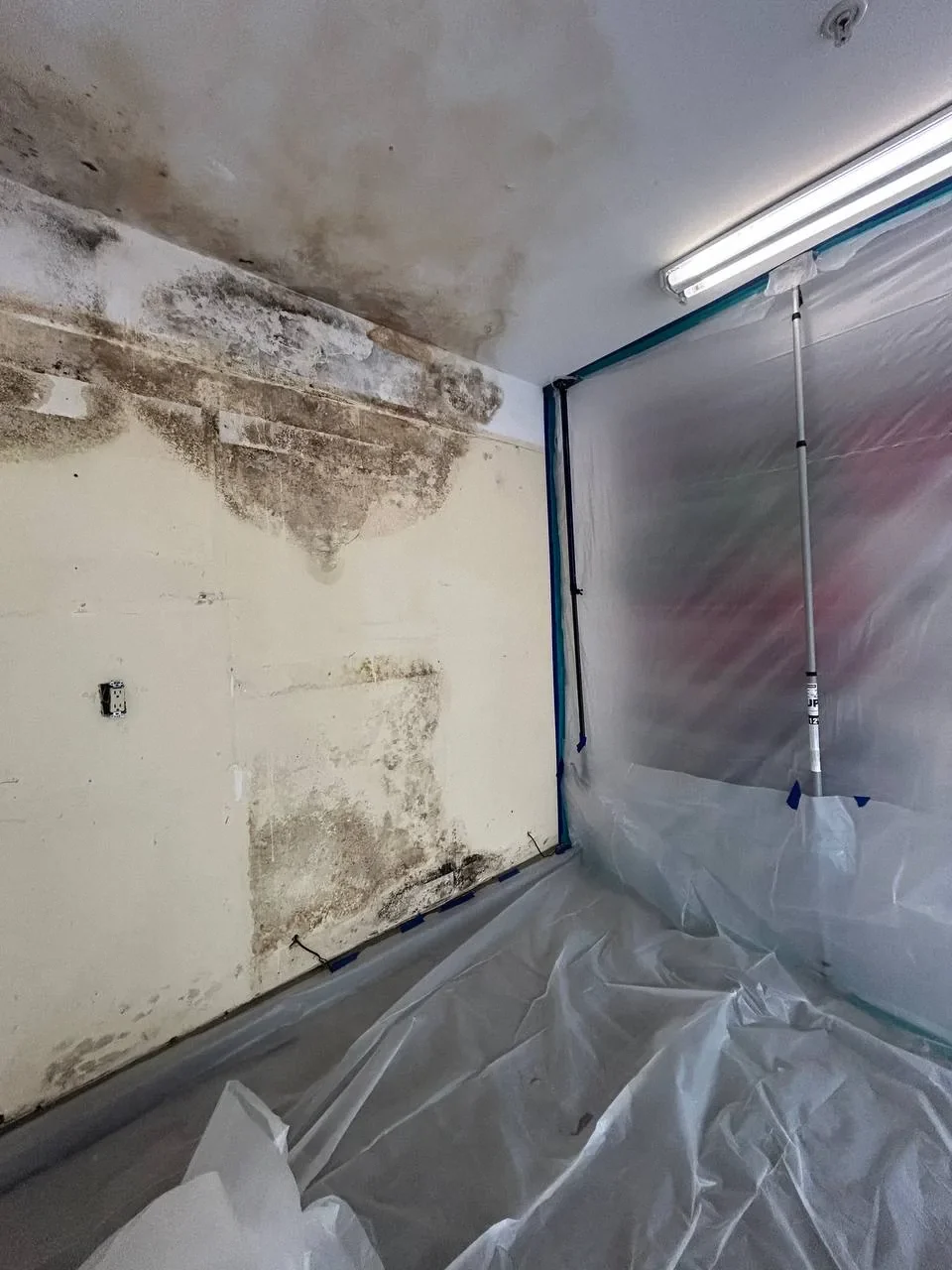
Respond to the moisture source
A recurring stain, damp surface or musty smell is a reason to investigate moisture. It does not identify a particular mold species or reveal the condition behind a wall. Look for a continuing source such as a leak or water entry, and describe when the condition changes. The source must be addressed along with any affected material.
Avoid disturbing a suspect area before it has been assessed. Keep occupants away from unsafe conditions and seek appropriate medical advice for individual health concerns. If the property is rented or shared, notify the owner or manager and record when the concern was reported.
Petitions for covered apartments
San José’s Rent Stabilization Program hearing guide describes tenant petitions concerning housing service reductions or housing code violations. The process applies to covered rent-stabilized apartments and a petition is an allegation, not a finding that a violation exists.
For a persistent moisture problem, record what happened, when management was notified and what response followed. Ask the program about eligibility and the appropriate form. A petition does not stop an active leak; coordinate the source repair and assessment while the issue is being addressed.
Inspection information and a tenant petition
The city’s tenant petition instructions say a housing inspector’s report can be included when a petition alleges building-code or habitability violations. The instructions provide contact information for Code Enforcement to ask about scheduling an inspection. The report and the petition serve different purposes.
A request does not guarantee a particular finding or immediate visit. Explain the condition, the address and any access constraints to the city. Separately, a restoration assessment should describe affected materials and the moisture source, including areas that could not be inspected.
Voluntary mediation
San José’s Apartment Rent Ordinance regulations say program staff offer voluntary mediation before scheduling a hearing on tenant petitions about housing service reductions or code violations. Both parties must agree for mediation to be scheduled. This is a procedure for the relevant petition, not a guarantee that a dispute will be resolved.
If a dispute concerns repair access or the condition of a rented space, ask the program about its current process. Keep photographs, communications and inspection documents together. The restoration contractor describes its work but does not decide the parties’ legal rights.
When a repair may involve moving
The city’s April 2026 rent-stabilization annual report lists substantial rehabilitation and a city code-enforcement order requiring a move among no-fault grounds under the Tenant Protection Ordinance. The report describes relocation requirements for covered cases, subject to eligibility. A leak or mold concern alone does not establish an entitlement or a need to leave.
When a unit cannot be used, ask the owner and the appropriate city program about the particular notice, access and available assistance. Keep track of essential belongings and arrange retrieval only within the access permitted for the building.
An assessment of accessible material
A patch on a surface can be associated with moisture behind trim, under a floor or in an adjacent room. An assessment should identify what can be seen and measured, the suspected source and the areas that remain inaccessible. The result should not be presented as a complete view of a closed assembly.
If further access is needed, discuss who can authorize an opening and how the area will be protected. Photograph the condition when safe. A contractor may need to update the scope after a wall or cabinet is opened and a previously hidden line or material is exposed.
Ask why any proposed sampling or independent evaluation is useful and what question it will answer. A test may inform a decision, but it does not repair plumbing, stop rain entry or dry the building. An unresolved moisture source can affect the repair after the visible surface is cleaned.
Cleaning, removal and containment
Materials differ in their ability to be cleaned after sustained moisture. The treatment for a hard sealed surface may differ from the treatment for wet insulation or damaged porous finish. Ask the team to explain which materials are proposed for removal, which can be cleaned and how the decision was made.
The work area may need containment to limit movement of dust into occupied rooms. Discuss barriers, access routes and equipment placement with the owner or manager. In a shared property, a plan for common areas and neighboring occupants can be as important as access to the affected room.
An initial assessment may not reveal all affected areas. Record what is outside the work scope and how additional findings will be reported. If a new leak or damaged system appears, the responsible trade should assess it before reconstruction proceeds.
Drying and follow-up
Once the source is controlled and affected material is addressed, the remaining structure may need drying. Measurements over time help evaluate accessible materials. They should be interpreted with the material and conditions rather than as a single universal target for every building.
Ask where readings will be taken, how equipment will be monitored and what will happen if a concealed space remains wet. A newly painted surface does not establish that the wall behind it is dry. Before finishes are replaced, confirm that any source repair and required inspections have been coordinated.
If the source returns, investigate the new condition instead of relying on the earlier assessment. Keep the owner informed of the findings and the plan for access. A roof, pipe, window or ventilation issue may each require a different specialist.
Keep the property record clear
Coordinate the source repair with the person who controls the building. An upstairs bathroom, a shared roof or a common supply line may be outside the affected occupant’s control. Before work starts, identify who can enter the relevant spaces and who will receive updates. If the source is intermittent, keep a record of when moisture appeared and whether it followed rain, fixture use or another observable event. These observations can help direct an inspection, but they do not prove the cause. A qualified professional should evaluate the component itself. Ask the team to explain how work will be staged if a family or business continues to occupy another part of the property. An area that has not been opened should remain listed as unexamined. If a repair requires removal of cabinets or flooring, agree who will authorize the opening and who will arrange reconstruction after the materials have been addressed. Keep a copy of any revised estimate and the reason for the change. If occupants have individual health concerns, they should discuss those concerns with an appropriate health professional rather than relying on a contractor to make a diagnosis.
Photographs, dated notices, plumber findings and invoices can help explain the sequence of events. Store them with any city correspondence and the restoration work description. Insurance coverage and tenant protections depend on the facts and applicable terms; an assessment alone does not decide either question.
Discuss the handling of belongings before they are moved. Identify who will inventory items and who can approve cleaning or disposal. If an insurer is involved, ask about its documentation needs. For a business, arrange access around staff and equipment without obstructing exits.
Water Damage Guard serves San José from San Carlos. Call (650) 550-0619, 24/7, to discuss mold remediation and the moisture conditions at the property. The actual scope depends on assessment.
Common questions
Does a musty smell identify the mold species?
No. A smell can prompt investigation but does not identify the species or the full extent.
Can a tenant petition about a service reduction?
The city describes a petition process for covered rent-stabilized apartments; eligibility and evidence matter.
Can a housing inspector report be included with a petition?
City instructions say it can be included for allegations of code or habitability violations.
Is mediation mandatory for both parties?
The city regulations describe a voluntary process that requires both parties to agree.
How do I discuss an assessment?
Call Water Damage Guard at (650) 550-0619, 24/7.